Southeast Asia · Thailand
Bangkok, Thailand
13.7563° N, 100.5018° E
Golden temples beside glass skyscrapers, some of the best street food anywhere, and a river that still runs through the middle of daily life.
Golden temples beside glass skyscrapers, some of the best street food anywhere, and a river that still runs through the middle of daily life.
Bangkok moves at two speeds — the chaotic, honking pace of its streets and the slower rhythm of the Chao Phraya River that cuts through it. Most first-time visitors are surprised by how easy the city actually is to navigate once you factor in the BTS Skytrain, river boats, and the fact that most major sites cluster into a handful of districts.
It also works well as a base for day trips — floating markets, the ancient capital of Ayutthaya, and the Gulf of Thailand's beach towns are all within a few hours.
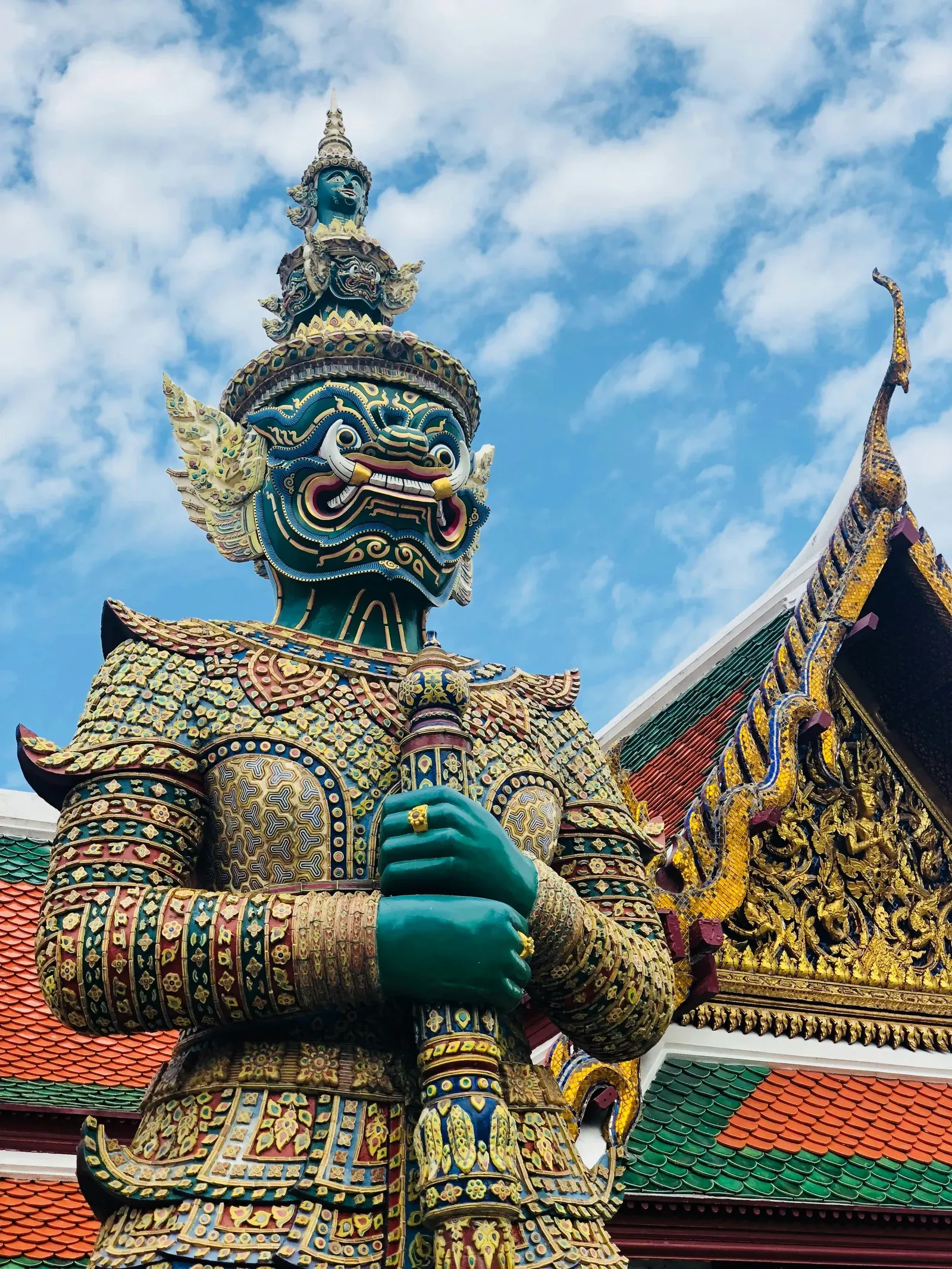
Bangkok has served as Thailand's capital since 1782, and its temples — most famously Wat Phra Kaew and the Grand Palace — remain active centers of Buddhist worship, not just tourist sites. Respectful dress and behavior at temples isn't just etiquette here; it's a genuine expectation.
The Chao Phraya River is genuinely the city's original artery. Long before roads, Bangkok's trade and daily life moved by water — a history real enough that the city earned an old nickname, "Venice of the East," from the network of canals that once ran throughout it.
The Emerald Buddha housed at Wat Phra Kaew is genuinely made of jade, not emerald, despite the name. This is a real, common point of confusion. It remains Thailand's most sacred Buddha image, and the surrounding complex functions as a genuinely active place of worship, not simply a historical monument.
The BTS Skytrain genuinely transformed the city's navigability since opening in 1999 — before it, Bangkok's real, notorious traffic congestion made cross-city trips a genuine ordeal; the elevated rail network sidesteps that congestion entirely for most major routes today.
Bangkok is hot nearly year-round — timing is mostly about humidity and rain.
The most comfortable months, and the busiest for tourism.
Genuinely intense heat — plan around midday.
Short, heavy afternoon storms; fewer crowds and lower prices.
Nov-Feb, Cool Season. This is genuinely the most comfortable window, though "cool" is real only by Bangkok's own standards — temperatures still run warm compared to most temperate climates, just without the peak humidity of other seasons.
Mar-May, Hot Season. Heat during this window is genuinely intense, driven by Bangkok's tropical latitude — real, practical planning around midday activity matters more here than almost any other season.
Jun-Oct, Rainy Season. Short, heavy afternoon storms are a genuine monsoon pattern, not all-day rain — mornings are often clear, and the real trade-off is fewer crowds and lower prices against variable afternoon weather.
Cash is still king at markets and street food stalls; cards work in malls and hotels.
Typically 30–60 days visa-free depending on your passport — verify current rules before booking.
The Skytrain and river boats avoid most of the city's notorious traffic.
A Thailand eSIM covers Bangkok and most of the country reliably.
Also avoid touching anyone's head or pointing your feet at Buddha images.
Street food is generally safe from busy, high-turnover stalls.
Currency & Money. Cash is genuinely still standard at markets and street food stalls — cards work reliably in malls and hotels, but real everyday transactions across the city still favor cash.
Visa. Visa exemption length genuinely varies by nationality, typically 30-60 days — worth verifying current rules against your specific passport before booking.
Transportation. The BTS Skytrain and river boats genuinely bypass most of Bangkok's real traffic congestion, covered in Overview — this is the single biggest practical difference between a smooth day of sightseeing and one lost in gridlock.
Local Customs. Covering shoulders and knees at temples is genuinely enforced, not just suggested, particularly at the Grand Palace — avoiding pointing feet at Buddha images or touching anyone's head reflects real, specific cultural meaning tied to the body's spiritual hierarchy in Thai belief.
Common Scams. The genuine "temple is closed" gem scam near major sites follows a real, well-documented pattern — a stranger claiming a site is closed and redirecting you to a gem shop. Sites don't actually close this way; walking on and verifying independently avoids it entirely.
Bangkok is generally safe for tourists — the more common issues are traffic, scams targeting tourists near major sites (like "the temple is closed" gem scams), and standard petty theft precautions.
Bangkok is genuinely safe for tourists on the established circuit. The more common real issues are traffic and tourist-targeted scams, covered in Practical Information, rather than personal safety in the traditional sense.
Standard petty theft precautions genuinely cover the realistic risk here — normal awareness in crowded markets and tourist-dense areas, the same baseline that applies in most major world cities.
Bangkok is one of the best-value major cities in the world for travelers.
| Item | Budget | Mid-range | Luxury |
|---|---|---|---|
| Lodging (per night) | $12 – $30 | $50 – $120 | $200 – $600+ |
| Food (per day) | $8 – $15 | $20 – $40 | $60 – $150 |
| Local transport (per day) | $3 – $6 (BTS/boats) | $15 (rideshare) | $50+ (private driver) |
| Activities & entry fees | $5 – $15 | $20 – $50 | $60 – $150 |
| Flight (in/out) | Varies widely | Varies widely | Varies widely |
Why Bangkok is genuinely one of the best-value major cities in the world. Real cost-of-living differences mean street food, transport, and lodging all cost meaningfully less than comparably vibrant global cities — this isn't a lower-quality experience, simply a different economic baseline.
Street food economics genuinely explain the quality-to-price ratio here. Low overhead for stall vendors, covered further in Eat, means genuinely excellent food — including Michelin-recognized stalls — at prices that would be unusual for comparable quality elsewhere.
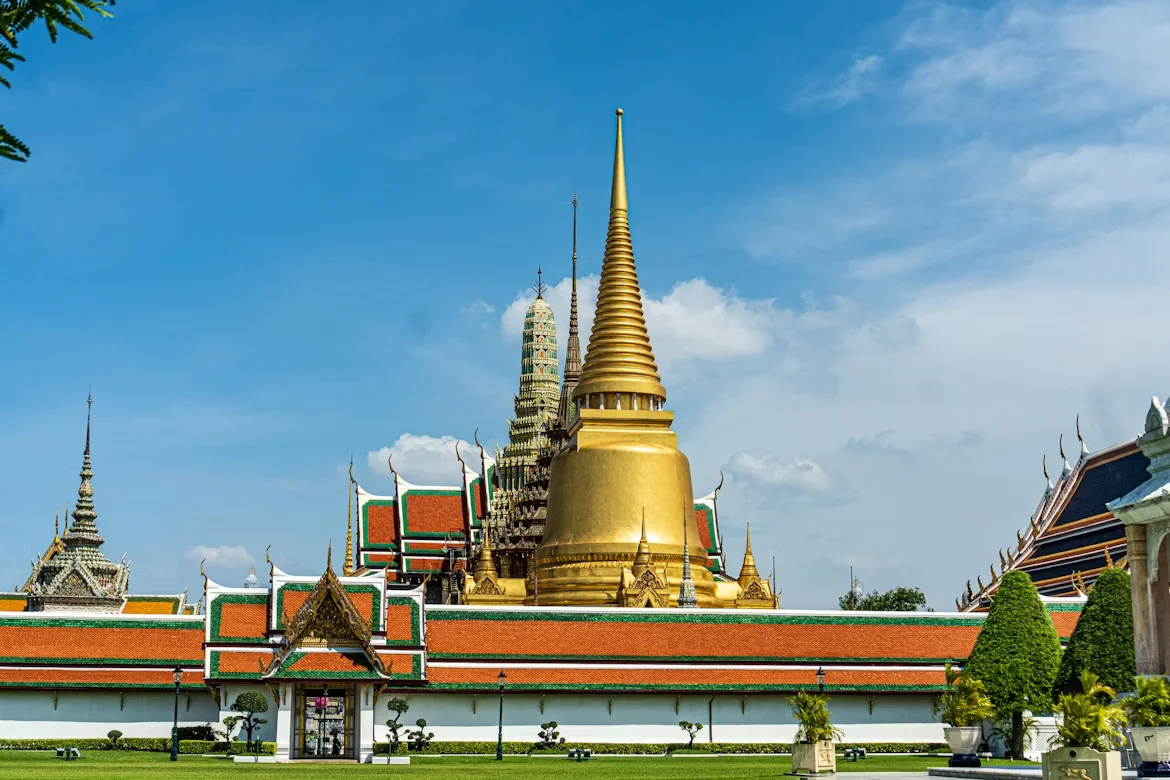
Thailand's most sacred and most visited site
A guide genuinely helps here — the complex is large and dress code enforcement is strict.
Explore Experiences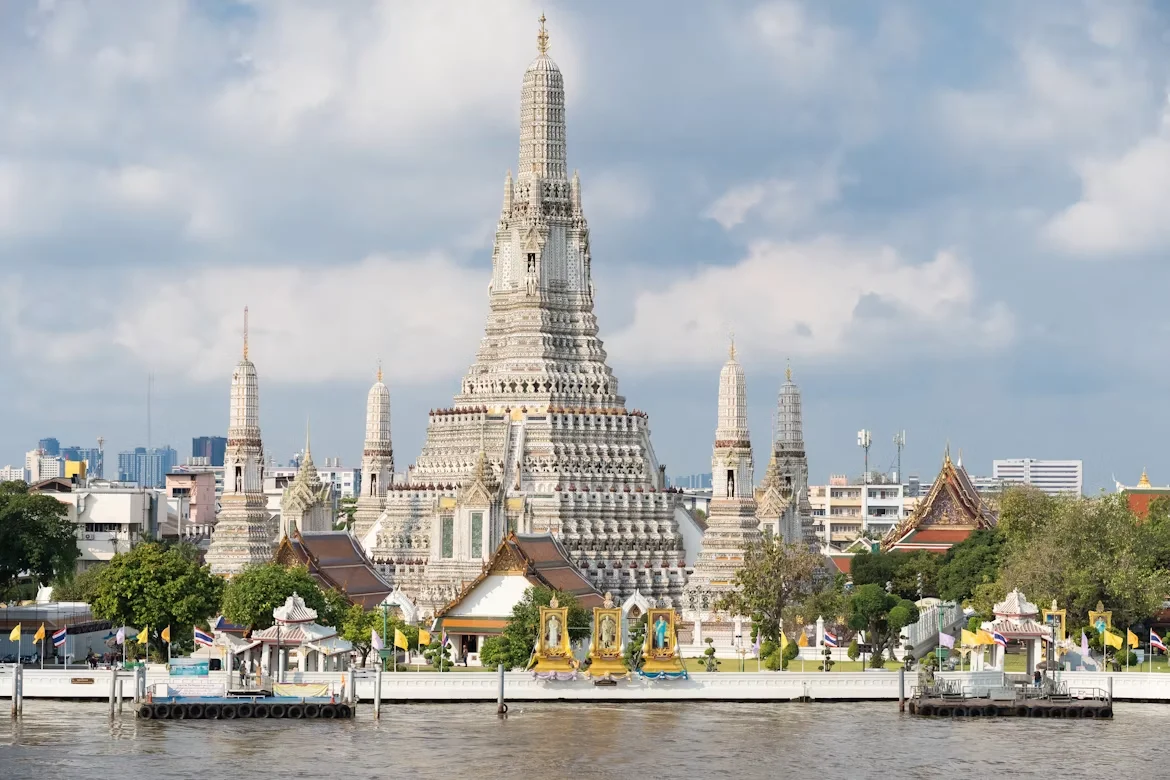
The riverside "Temple of Dawn," best at sunset
Best timed for sunset, when the riverside temple is genuinely at its most photogenic.
Explore Experiences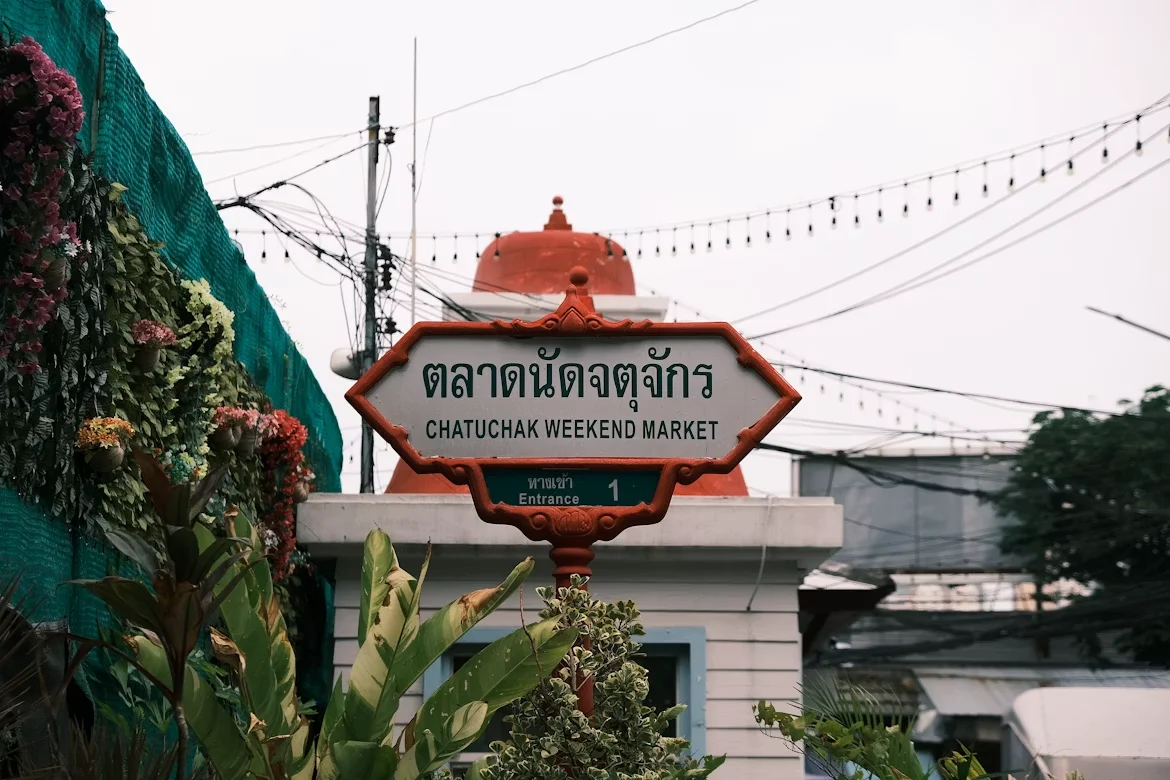
One of the world's largest markets, over 8,000 stalls
Only open Saturday and Sunday — worth building your itinerary around if shopping is a priority.
Explore ExperiencesThe Grand Palace & Wat Phra Kaew. Given the genuine strict dress code enforcement here, a guide helps navigate both the complex's real scale and the specific rules — this is Thailand's most sacred and most visited site, and rushing it misses real historical context.
Wat Arun. The "Temple of Dawn" name genuinely references Aruna, a figure associated with dawn in Hindu-influenced tradition — a real reflection of Thailand's layered religious history. Sunset, not dawn, is when the riverside silhouette is actually most photogenic.
Chatuchak Weekend Market. With genuinely over 8,000 stalls, this is one of the world's largest markets — its Saturday-Sunday-only schedule is a real, practical constraint worth building an itinerary around if shopping matters to your trip.
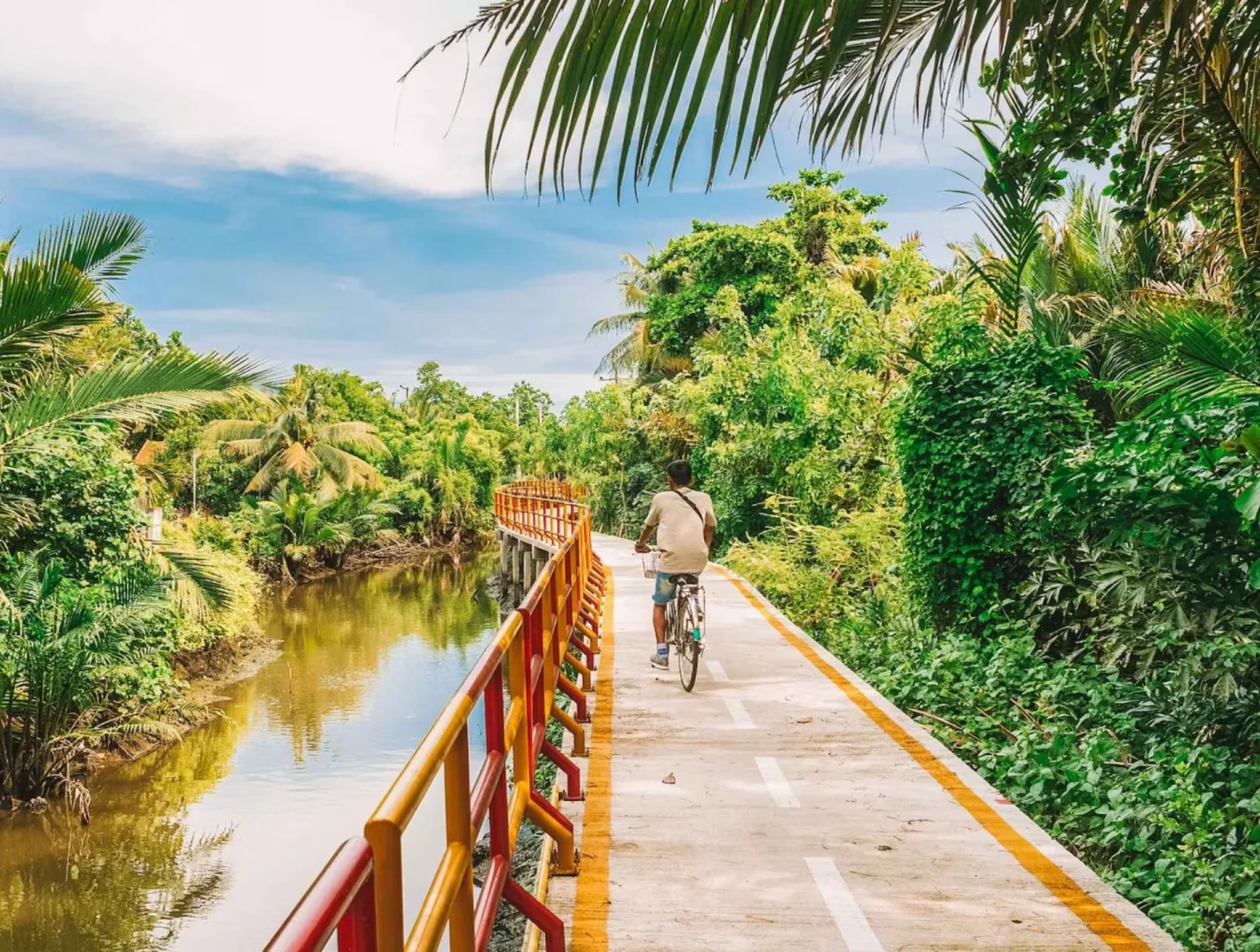
A car-free island of jungle minutes from downtown
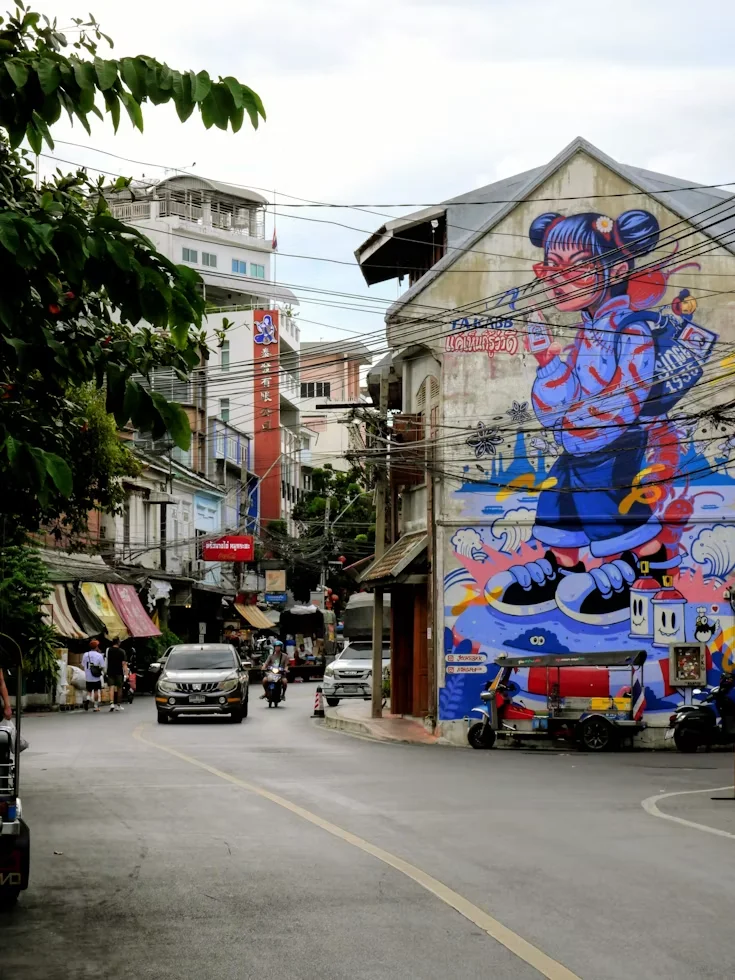
An old Chinese quarter, quiet and photogenic
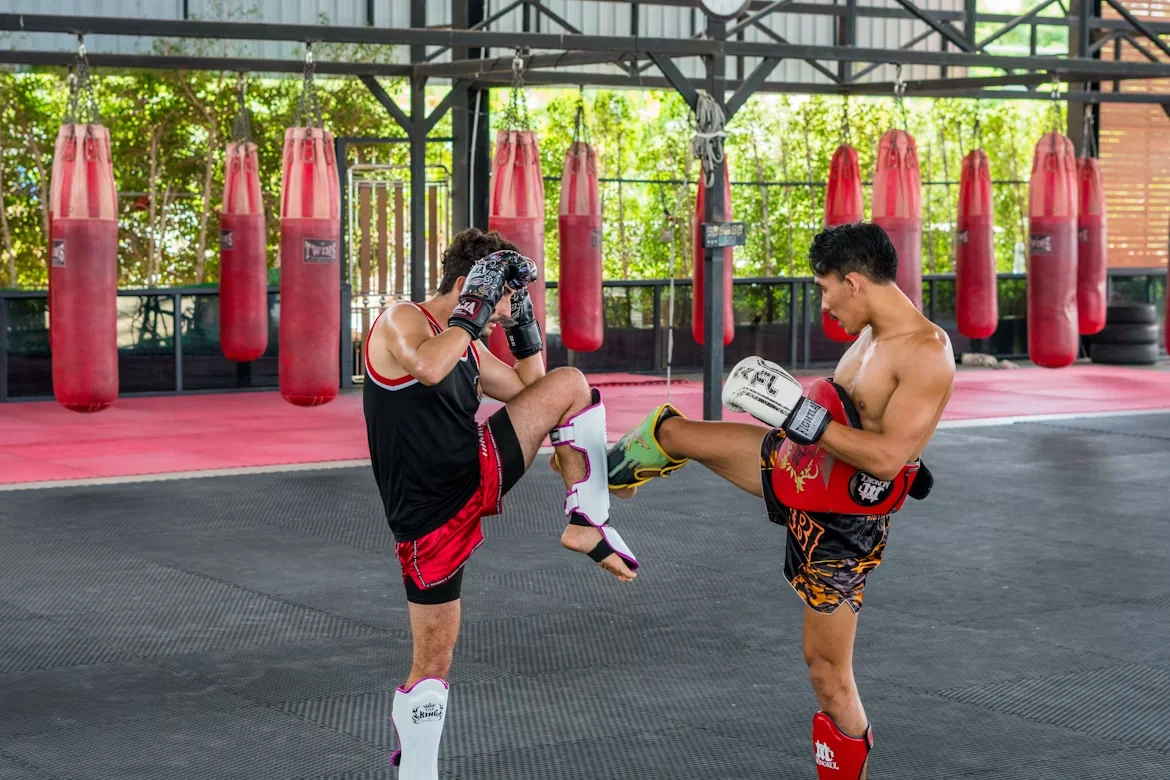
Learn the basics from working gyms across the city
Bang Krachao's Green Lung. A genuine bend in the Chao Phraya River isolates this car-free, jungle-covered pocket just minutes from downtown — real, quiet contrast to the city's pace, reachable by a short river crossing.
Talad Noi's Street Art. This genuinely old Chinese quarter predates much of modern Bangkok — quiet, photogenic streets that reflect real, layered immigrant history rather than a curated art district.
A Muay Thai Class. Thailand's national sport is genuinely taught at real, working gyms across the city — learning the basics connects directly to a living tradition, not a tourist novelty.

Rooftop views over the Chao Phraya
Rooftop views over the Chao Phraya make for a genuinely memorable stay, especially at sunset.
Check Availability
Central, near the BTS, easy day-trip access
Central and near the BTS, genuinely easy for day trips across the city.
Check Availability
Walkable to the Grand Palace, very social
Walkable to the Grand Palace, and genuinely one of the more social areas to stay.
Check AvailabilityRiverside Infinity Pool Resort. Genuine rooftop views over the Chao Phraya, especially at sunset, connect directly back to the river's central role in the city covered in Overview.
Sukhumvit Business Hotel. Genuinely central and near the BTS, this base makes real day-trip logistics across the city meaningfully easier.
Old Town Backpacker Hostel. Walkable to the Grand Palace, this is genuinely one of the more social areas to stay — a real advantage for solo travelers wanting easy connections with others.
Bangkok's street food is genuinely some of the best in the world, Michelin-recognized stalls included.
A street food crawl through Bangkok's Chinatown after dark.
Best from the stalls that have been doing it for decades.
Sky-high bars paired with elevated takes on street classics.
Yaowarat (Chinatown) at Night. This is genuinely one of the world's oldest and largest Chinatowns — a real street food crawl here after dark reflects generations of continuous Chinese-Thai culinary tradition.
Pad Thai & Boat Noodles. Pad Thai's popularity genuinely traces back to a real 1930s-40s Thai government campaign promoting the noodle dish nationally to reduce rice consumption — a real piece of culinary history behind what's now considered Thailand's signature dish.
Rooftop & Modern Thai. Sky-high bars pairing elevated takes on street classics genuinely reflect Bangkok's real, dual identity — a city equally comfortable with $2 street noodles and fine dining reinterpretations of the same flavors.
From high-rise cocktail bars to lively night markets — Bangkok's evenings cover a wide range.
Safari World, river boat rides, and floating markets work well; pace around the heat.
Rooftop bars to night markets. Bangkok's genuine evening range, from high-rise cocktail bars to lively night markets, reflects a real, broad spectrum of nightlife rather than one single scene.
Engaging with the right pacing. Given genuine heat covered in Weather, family activities like Safari World and river boat rides work best with real breaks built in around the hottest parts of the day.
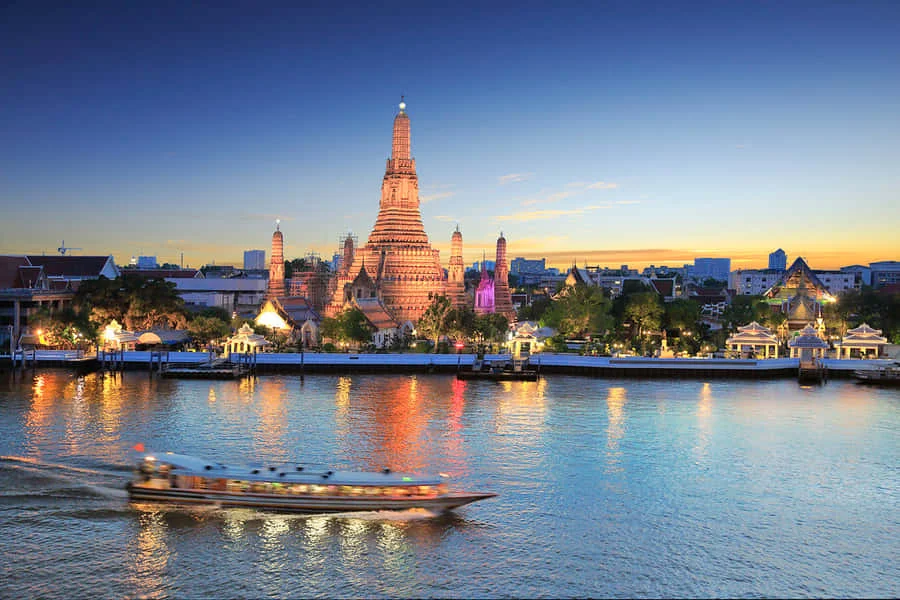
The temple silhouetted against the sky
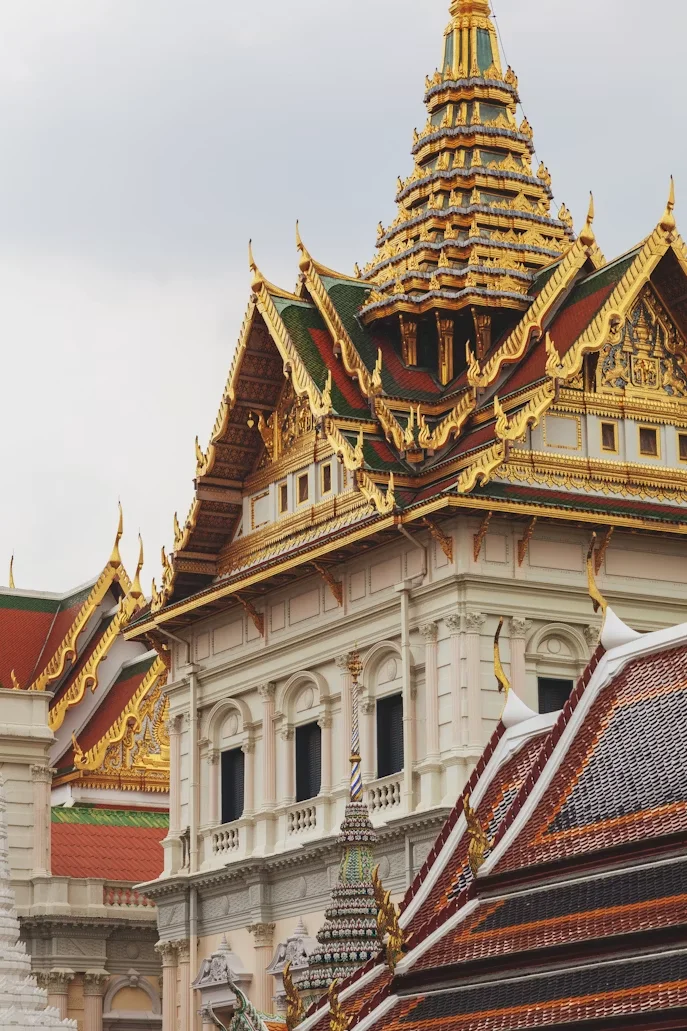
Best light in the first hour after opening
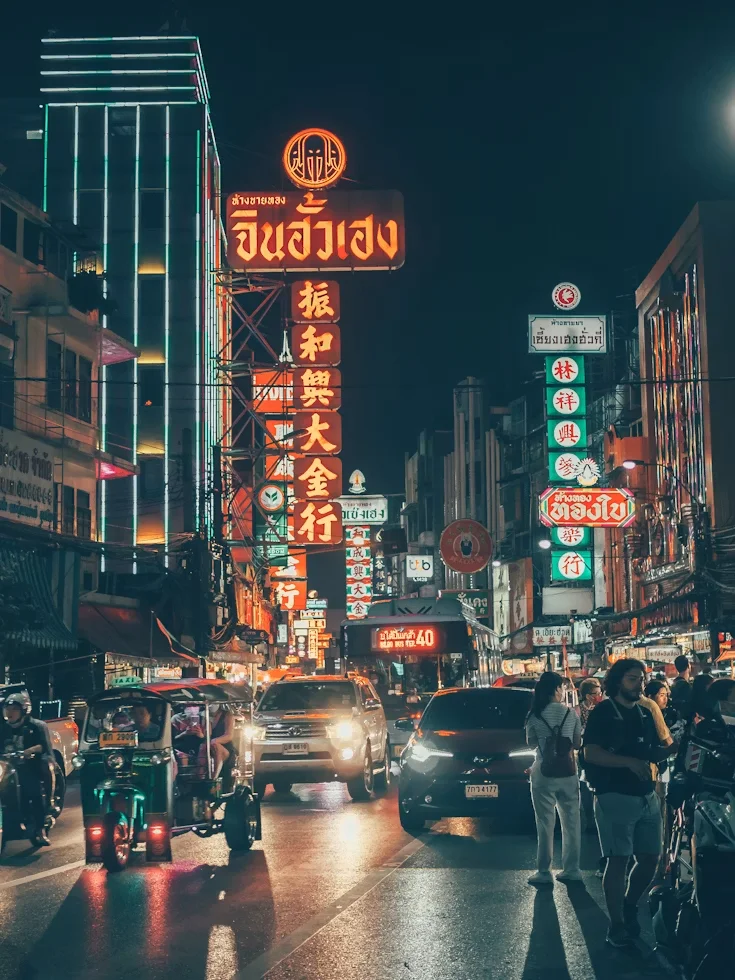
Chinatown's glowing street-level energy
Wat Arun from Across the River. The temple's genuine silhouette against the sky, covered in Attractions, works best from the opposite riverbank at sunset, not up close.
The Grand Palace's Golden Spires. The genuine best light hits in the first hour after opening, before both crowds and midday sun flatten the gold detailing.
Yaowarat's Neon Signs at Night. Chinatown's genuine glowing street-level energy, covered in Eat, is a real, distinct visual character that only comes alive after dark.
Sandals, easy to remove at temples. Given genuine frequent temple visits covered in Attractions, footwear that's quick on and off saves real, repeated hassle.
Light, breathable fabrics. Given Bangkok's genuine year-round heat and humidity covered in Weather, breathable natural fabrics matter more here than synthetic athletic wear.
A modest outfit for temple visits. As covered in Practical Information, genuine dress code enforcement at major temples makes this a real necessity, not a suggestion.
Mosquito repellent. Standard, real precaution given the tropical climate and standing water common in parts of the city.
A portable fan. Genuinely useful given real heat covered throughout this guide — small, practical relief during outdoor sightseeing.
Rehydration salts for hot days. Given genuine heat intensity, especially March-May, real hydration support matters more here than in milder climates.
3–4 days covers Bangkok well, with a 5th day free for Ayutthaya or a floating market day trip.
Yes — Bangkok is a well-established stop on the Southeast Asia solo travel circuit, with easy ways to meet other travelers.
Not usually — Bangkok has abundant accommodation, though the cool season (Nov–Feb) books up faster.
Light, breathable clothing, temple-appropriate modest wear, and something for sudden rain in wet season.
How many days do I actually need? 3-4 days genuinely covers Bangkok well, with a real 5th day free for Ayutthaya or a floating market day trip, covered in Overview.
Is it safe for solo travelers? Yes — Bangkok is genuinely a well-established stop on the Southeast Asia solo travel circuit, with real, easy ways to meet other travelers.
Do I need to book accommodation far in advance? Not usually — Bangkok genuinely has abundant accommodation, though the cool season books up faster, covered in Weather.
What should I pack? The reasoning behind each item — including why sandals genuinely matter given how often temples come up on a typical itinerary — is covered in the Packing section above.
Get the complete Bangkok guide as a beautifully designed, offline-ready PDF — every section organized for actual use in the field, plus a full packing checklist.
Turn your research into a trip designed around your actual dates, budget, and travel style — planned by a person, not a form.
EXPLORE GOATLAS CONSULTATIONSGenuinely recommended places to stay and eat, not filler — booked through our trusted travel partners.
Book hotels, flights, tours, airport transfers, travel insurance, and car rentals through GoAtlas's trusted global travel partners — all in one place.
Explore Trusted Travel PartnersA GoAtlas travel expert can build your full Bangkok itinerary around your dates and budget.