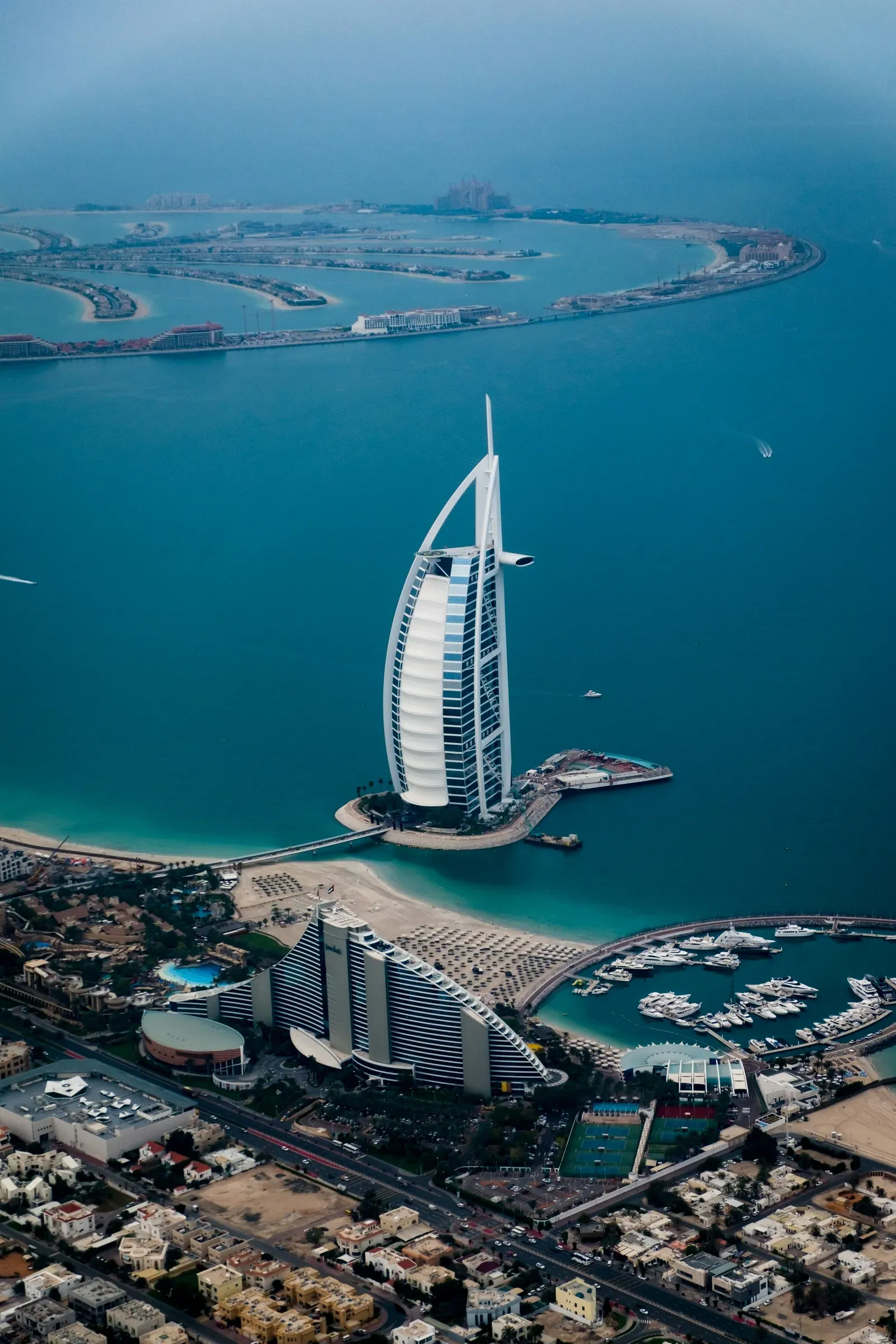
Middle East · UAE
Dubai, UAE
25.2048° N, 55.2708° E
Desert dunes minutes from the world's tallest building — a city built at a scale that still manages to surprise.
Desert dunes minutes from the world's tallest building — a city built at a scale that still manages to surprise.
Dubai's skyline is the headline, but the city rewards visitors who also make time for the older, quieter parts — the wind-tower architecture of Al Fahidi, the gold and spice souks along Deira's creek, and the desert that begins just past the city's edge. Most visitors base centrally and use taxis or the metro to move between the newer districts and older ones.
The heat shapes the whole rhythm of a visit — outdoor activities cluster around early morning and evening, with midday reserved for malls, museums, or the pool.
Once a modest pearling and trading port, Dubai transformed rapidly from the 1960s onward following the discovery of oil, and later through deliberate economic diversification into tourism, finance, and trade. That compressed history is visible in the contrast between Bur Dubai's traditional architecture and the ultramodern towers just across the creek.
Dubai's transformation happened at a genuinely remarkable pace. A modest pearling and trading port through the mid-20th century, the city changed rapidly from the 1960s onward following the discovery of oil — but the real, more strategic shift came later, through deliberate diversification into tourism, finance, and trade, driven partly by oil reserves that were genuinely smaller than some neighboring nations.
The Burj Khalifa has held the title of world's tallest building since 2010. This is a genuine, verified engineering record, not a marketing claim — its scale is part of why sunset entry tickets sell out regularly.
Al Fahidi's wind-tower architecture served a genuine practical purpose, not decoration. These towers channeled wind downward into buildings for passive cooling long before air conditioning existed, real engineering ingenuity from the city's pre-oil era.
Dubai's summer heat is genuinely extreme — timing matters more here than almost anywhere else on this list.
Warm, pleasant days — the best window for outdoor activities and the desert.
Hot but manageable, with lower prices than peak winter.
Extreme heat, often 40°C+ — most life moves indoors.
Nov-Mar, Cool Season. Warm, pleasant days genuinely make this the best window for outdoor activities and the desert — real, comfortable conditions that the rest of the year can't match.
Apr-May & Oct, Shoulder Season. Genuinely hot but manageable, with real, lower prices than peak winter — a worthwhile trade-off for travelers prioritizing budget over ideal comfort.
Jun-Sep, Peak Summer. Heat here is genuinely extreme, often exceeding 40°C — combined with real Persian Gulf humidity, this makes the effective heat considerably harder to manage than the temperature alone suggests, which is why most life moves indoors during this window.
Cards are widely accepted; cash is useful at souks.
Many passport holders get free visa-on-arrival for 30-90 days — verify your specific requirements.
The Dubai Metro is clean, efficient, and covers most major districts.
A UAE eSIM offers fast, reliable coverage throughout the city.
Shoulders and knees covered outside of resort/beach areas is expected.
Tap water is safe; healthcare standards are high.
Currency & Money. Cards are genuinely widely accepted, though cash remains useful at traditional souks.
Visa. Visa-on-arrival length genuinely varies by nationality, typically 30-90 days — worth verifying against your specific passport.
Transportation. The Dubai Metro is genuinely one of the world's longest fully automated, driverless metro systems — a real engineering achievement that covers most major districts cleanly and efficiently.
Local Customs. Modest dress outside resort and beach areas is genuinely expected, not just polite — shoulders and knees covered reflects real, standard public behavior norms in the UAE.
Public Behavior & Alcohol. Local laws around public conduct and alcohol consumption genuinely differ from many Western norms — alcohol is legally served only in licensed venues, and public intoxication carries real legal consequences worth understanding before arrival, not learning about after the fact.
Dubai is one of the safest major cities in the world, with very low street crime. The main things to be aware of are strict local laws around behavior in public and alcohol consumption, which differ from many Western norms.
Dubai is genuinely one of the safest major cities in the world, with real, very low street crime rates. Strict law enforcement contributes directly to this, a genuine trade-off worth understanding alongside the strict public conduct laws covered in Practical Information.
The real precaution here is legal awareness, not personal safety. Understanding local laws around behavior and alcohol before arrival matters more in Dubai than the kind of street-safety vigilance needed in many other major cities.
Dubai can flex from surprisingly affordable to genuinely extravagant.
| Item | Budget | Mid-range | Luxury |
|---|---|---|---|
| Lodging (per night) | $50 – $110 | $150 – $350 | $500 – $2,000+ |
| Food (per day) | $20 – $35 | $50 – $90 | $150 – $400 |
| Local transport (per day) | $8 (metro) | $30 (taxi) | $100+ (private driver) |
| Activities & entry fees | $15 – $40 | $60 – $150 | $200 – $600 |
| Desert safari | $50 – $80 | $90 – $150 | $250+ |
Why Dubai genuinely flexes from affordable to extravagant more dramatically than most cities. This reflects a real, deliberate tourism strategy targeting both budget travelers and ultra-luxury visitors simultaneously — not an accident of market forces, but an intentional dual positioning.
Desert safari pricing genuinely reflects real differences in group size and vehicle exclusivity, not just add-ons. A shared group safari and a private one deliver meaningfully different experiences beyond just cost.
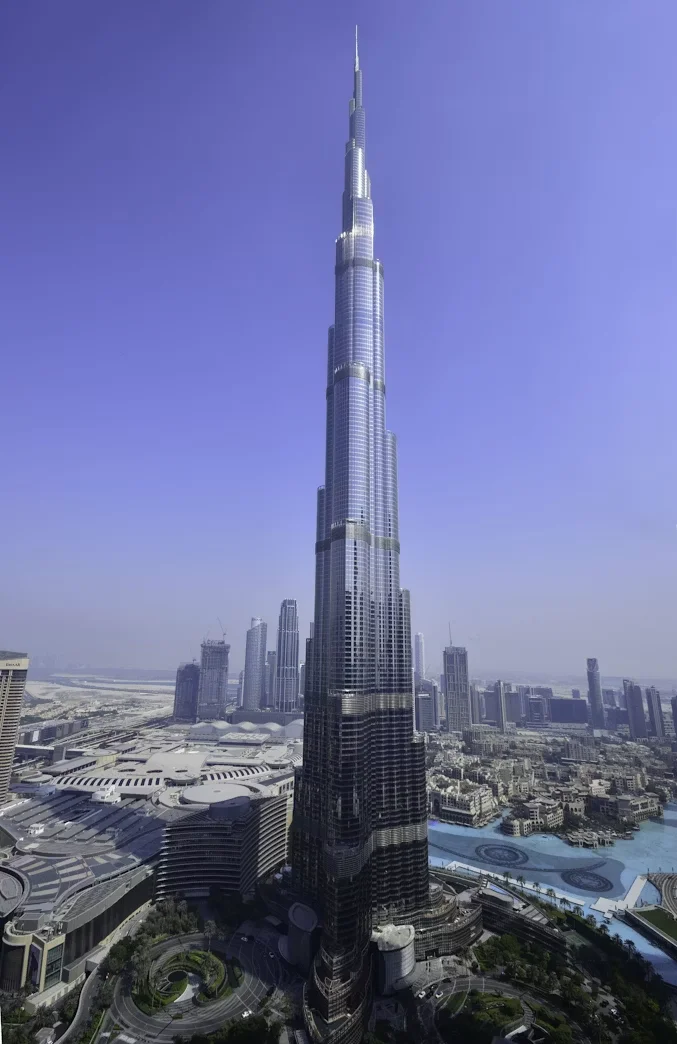
The world's tallest building, book sunset entry
Sunset entry tickets are genuinely worth booking ahead — they sell out and the light is best then.
Explore Experiences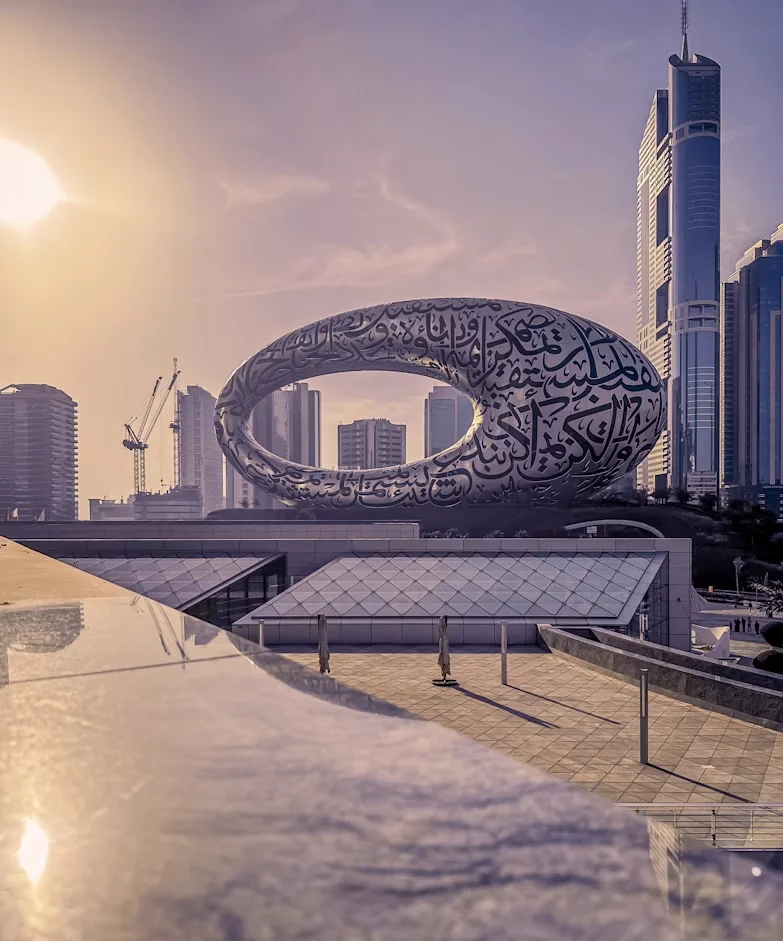
A striking architectural landmark inside and out
Timed tickets are genuinely necessary — this is one of the city's most popular, frequently sold-out attractions.
Explore Experiences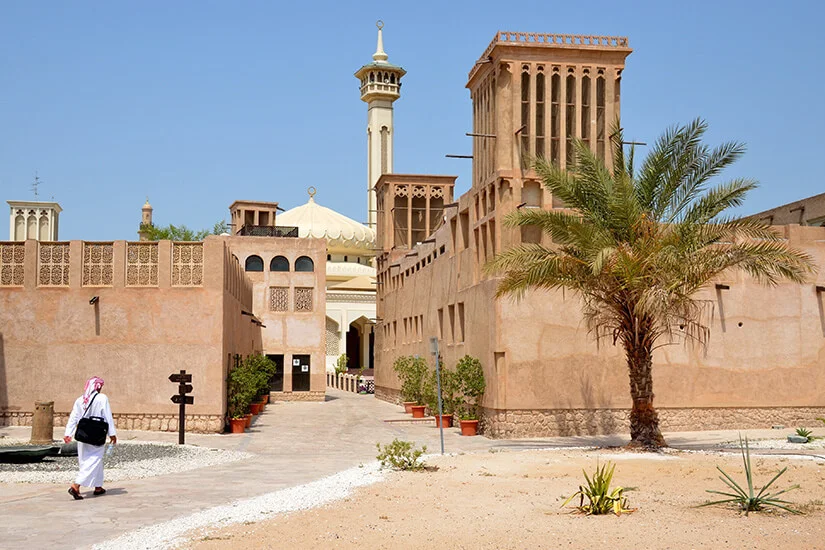
Traditional wind-tower architecture along the creek
Genuinely walkable on your own, though a guided heritage walk adds context to the wind-tower architecture.
Explore ExperiencesBurj Khalifa. Given its genuine title as the world's tallest building, covered in Overview, sunset entry tickets sell out regularly — booking ahead isn't overcaution, it's a real necessity for this specific time slot.
The Museum of the Future. This genuinely striking architectural landmark, both inside and out, opened in 2022 as a real feat of structural design — timed tickets are a necessity given how consistently sold out this remains.
Al Fahidi Historic District. Given the genuine wind-tower engineering covered in Overview, a guided heritage walk adds real historical context beyond what's visible just walking through independently.
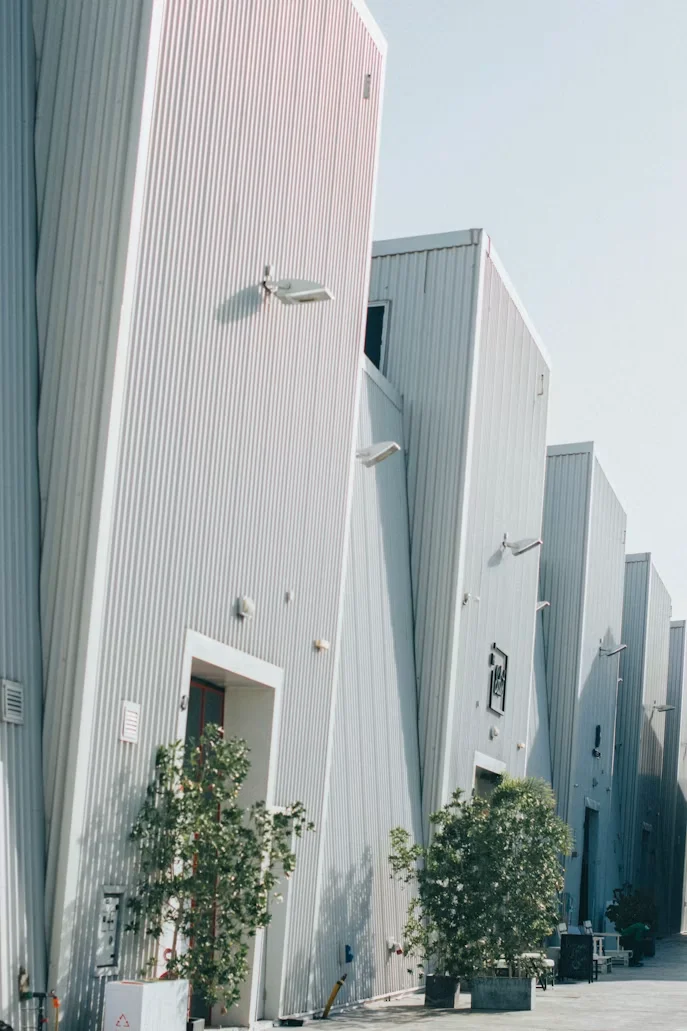
Dubai's contemporary art district, warehouse galleries
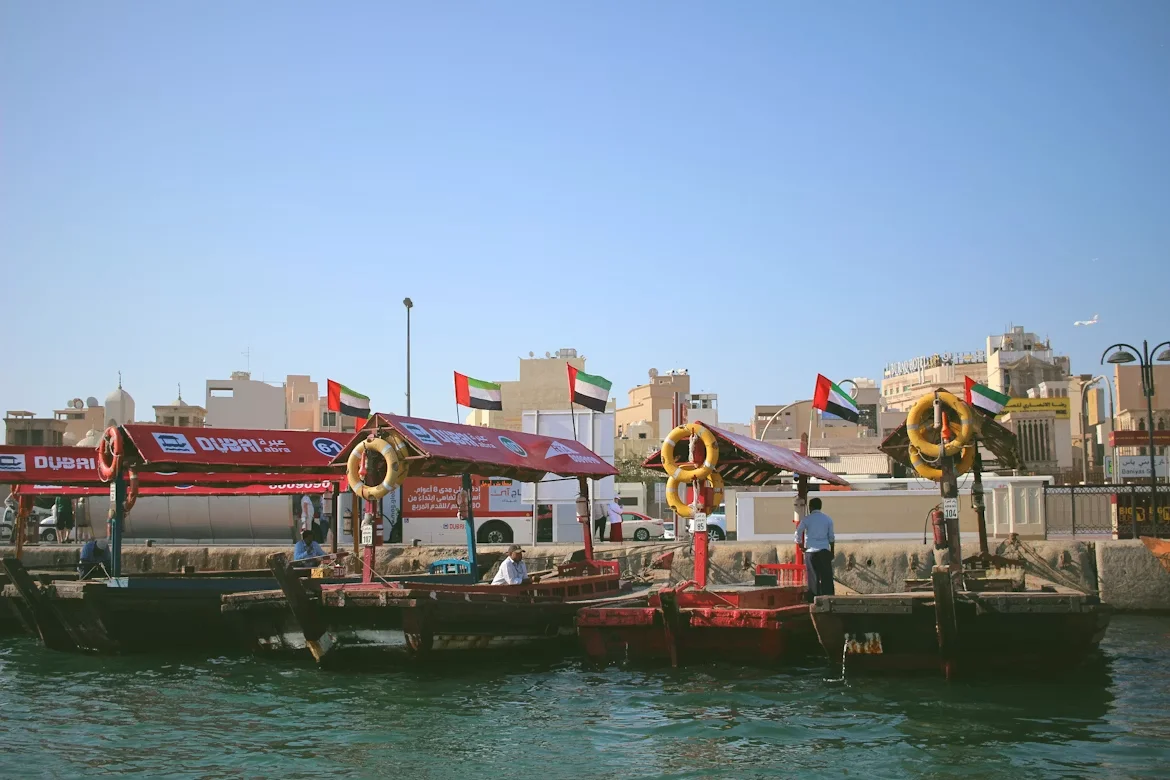
Cross the creek the traditional way, not by taxi
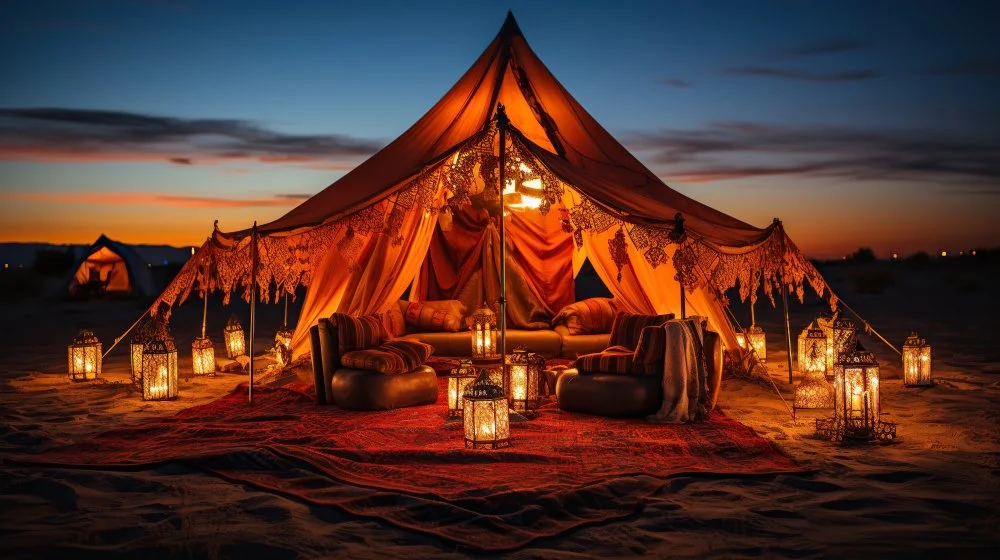
Stargazing far from the city's light pollution
Alserkal Avenue. This genuine contemporary art district transformed a former industrial warehouse zone into real, active gallery space — a distinctly different Dubai than the skyline-focused image most visitors expect.
The Old Souks by Abra Boat. Crossing the creek by traditional wooden abra boat, rather than taxi, is genuinely how this crossing has been made for generations — a real, living transport tradition, not a tourist novelty.
An Overnight Desert Camp. Genuine distance from the city's light pollution makes stargazing here meaningfully better than anything possible within Dubai itself.

Private beach access, iconic views
Private beach access and iconic views, genuinely one of Dubai's most photographed stays.
Check Availability
Walkable to Burj Khalifa and Dubai Mall
Walkable to the Burj Khalifa and Dubai Mall, genuinely the most convenient base for a first visit.
Check Availability
Near the creek and old souks, good value
Near the creek and old souks, genuinely good value for a more traditional side of the city.
Check AvailabilityPalm Jumeirah Beach Resort. Genuine private beach access and iconic views make this one of Dubai's most photographed stays — a real, singular setting built on the man-made Palm island itself.
Downtown Dubai Hotel. Genuinely walkable to the Burj Khalifa and Dubai Mall, covered in Attractions, this is the most convenient real base for a first visit.
Bur Dubai Budget Stay. Near the creek and old souks, this offers genuine good value while staying close to the city's more traditional side, covered in Overview.
Dubai's food scene spans traditional Emirati dishes to some of the world's most ambitious fine dining.
Try machboos and luqaimat at family-run local spots.
Shawarma and fresh juice, fast and affordable.
Some of the world's highest and most ambitious restaurants.
Emirati Cuisine. Machboos, a genuine spiced rice dish, and luqaimat, sweet fried dumplings, represent real, traditional Emirati home cooking best found at family-run local spots rather than international hotel restaurants.
Al Fahidi & Deira Food Stalls. Shawarma and fresh juice here reflect genuine everyday Dubai street food — fast, affordable, and real, distinct from the city's high-end dining reputation.
Sky-High Tasting Menus. Dubai genuinely holds several real "world's highest restaurant" distinctions — its skyline isn't just for viewing, it's actively built into where and how the city's most ambitious dining happens.
Alcohol is served in licensed hotels and venues; nightlife is upscale rather than a bar-hopping scene.
Theme parks, aquariums, and beach clubs make it an easy destination with kids.
Rooftop lounges, licensed venues. Given the genuine alcohol licensing laws covered in Practical Information, Dubai's nightlife concentrates in upscale, licensed venues rather than a casual bar-hopping scene.
Very family-friendly. Genuine theme parks, aquariums, and beach clubs make Dubai a real, easy destination with kids, built deliberately into the city's broader tourism strategy covered in Budget.
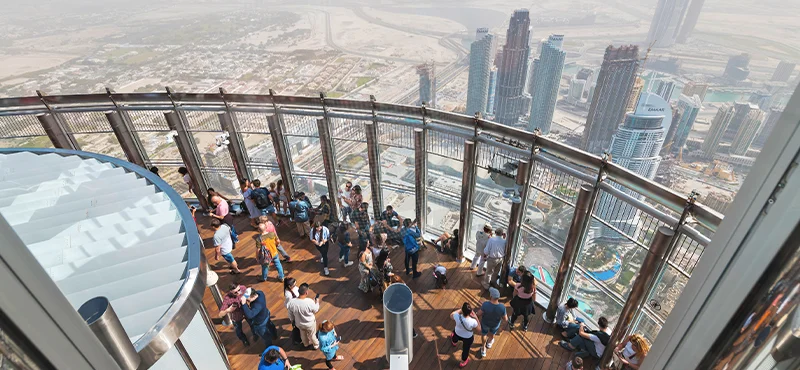
The whole city laid out beneath you
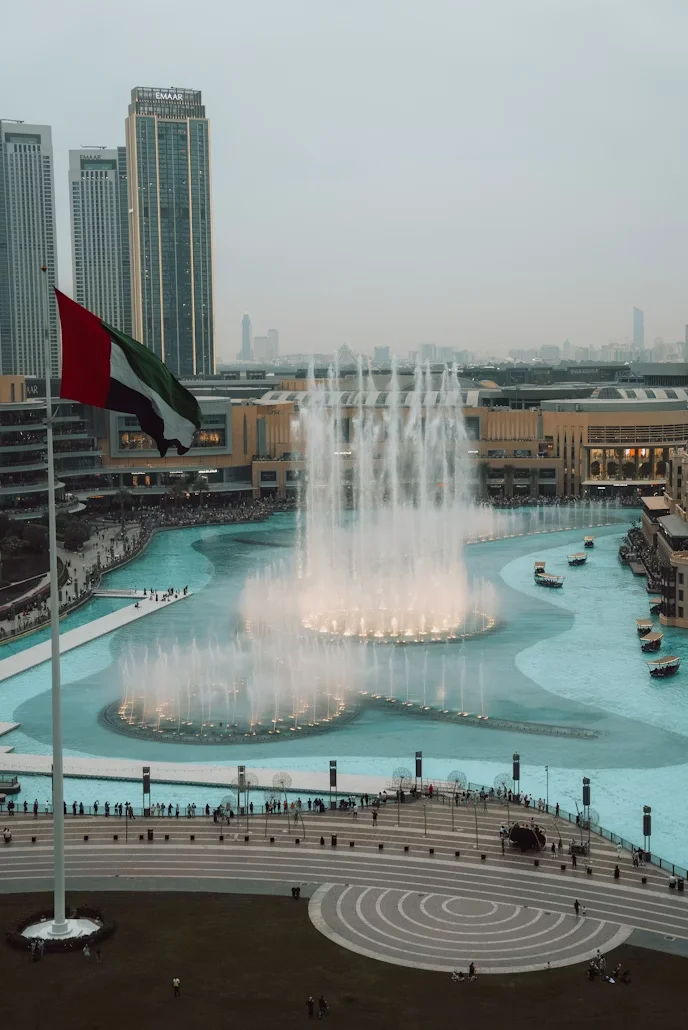
Set against the Burj Khalifa, timed shows nightly
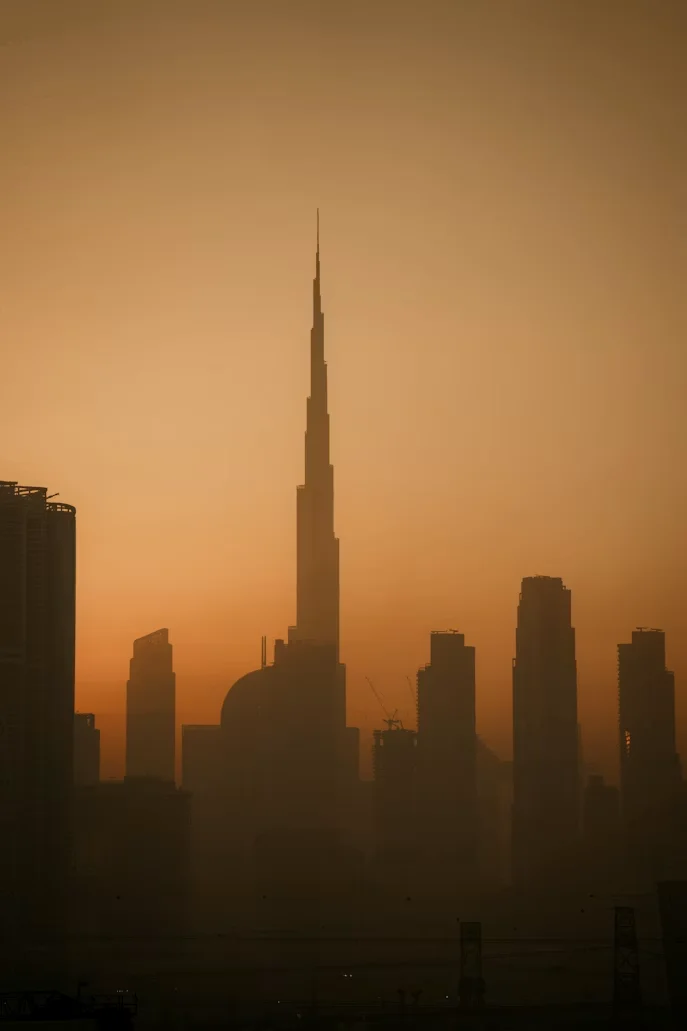
A striking contrast to the skyline
Burj Khalifa's Observation Deck. Given its genuine record height covered in Attractions, this offers a real, unmatched vantage over the entire city at sunset.
The Dubai Fountain. Set against the Burj Khalifa, this is genuinely one of the world's largest choreographed fountain systems — real, timed nightly shows worth planning your evening around, not stumbling upon.
Desert Dunes at Golden Hour. The genuine visual contrast between endless dunes and the distant skyline creates a composition unique to Dubai specifically.
Breathable sandals & closed shoes for desert. Given genuine heat covered in Weather, sandals suit the city, while closed shoes protect against hot sand during desert excursions.
Lightweight, modest daywear. Given genuine dress expectations covered in Practical Information, breathable modest clothing covers both comfort and cultural norms at once.
High-SPF sunscreen. Genuine, intense desert sun makes this a real daily necessity, not just a summer concern.
A reusable water bottle. Given real heat throughout this guide, consistent hydration matters more here than in milder climates.
A light scarf for mosque visits. Genuinely useful for covering shoulders or hair respectfully at religious sites without needing a separate outfit.
Power adapter (Type G). The UAE uses the same three-pin plug as the UK, worth confirming if traveling from elsewhere.
4–5 days covers the city's major sights plus a desert excursion without rushing.
Yes — Dubai is very safe for solo travel, including for women, with low crime and modern infrastructure.
For winter (peak season), yes — hotels and popular attractions book up 2–3 months ahead.
Lightweight modest clothing for public areas, swimwear for resorts, and sun protection year-round.
How many days do I actually need? 4-5 days genuinely covers the city's major sights plus a real desert excursion without rushing.
Is it safe for solo travelers? Yes — Dubai is genuinely very safe for solo travel, including for women, with real low crime and modern infrastructure, covered in Safety above.
Do I need to book far in advance? For winter, yes — hotels and popular attractions genuinely book up 2-3 months ahead given peak-season demand covered in Weather.
What should I pack? The reasoning behind each item — including why a scarf earns a spot for mosque visits specifically — is covered in the Packing section above.
Get the complete Dubai guide as a beautifully designed, offline-ready PDF — every section organized for actual use in the field, plus a full packing checklist.
Turn your research into a trip designed around your actual dates, budget, and travel style — planned by a person, not a form.
EXPLORE GOATLAS CONSULTATIONSGenuinely recommended places to stay and eat, not filler — booked through our trusted travel partners.
Book hotels, flights, tours, airport transfers, travel insurance, and car rentals through GoAtlas's trusted global travel partners — all in one place.
Explore Trusted Travel PartnersA GoAtlas travel expert can build your full Dubai itinerary around your dates and budget.