
Northern Europe · Iceland
Iceland
64.1466° N, 21.9426° W
Glaciers, geysers, black-sand coastlines, and skies that turn green with the aurora — a landscape that feels genuinely otherworldly.
Glaciers, geysers, black-sand coastlines, and skies that turn green with the aurora — a landscape that feels genuinely otherworldly.
Iceland sits directly on the Mid-Atlantic Ridge, and the geology shows it everywhere — active volcanoes, geothermal fields, glaciers, and waterfalls packed into an island roughly the size of Kentucky. Most visitors base out of Reykjavík and loop the Ring Road or day-trip the Golden Circle.
Distances look short on a map but drive slower than expected, especially with weather; build in flexibility rather than a packed hour-by-hour itinerary.
Settled by Norse explorers in the 9th century, Iceland maintains one of the world's oldest still-functioning parliaments, established at Þingvellir in 930 CE. With under 400,000 people, the country retains a strong storytelling tradition rooted in the medieval Icelandic Sagas.
Iceland is genuinely one of the only places on Earth where the Mid-Atlantic Ridge rises above sea level. This makes the boundary between two tectonic plates a real, visible, walkable feature of the landscape rather than something hidden beneath the ocean.
The Althing, established at Þingvellir in 930 CE, is genuinely considered one of the world's oldest still-functioning parliamentary institutions — real, continuous political history stretching back over a thousand years in a country with under 400,000 people today.
The medieval Icelandic Sagas are genuinely significant to world literature, not just local folklore. Real, detailed narrative accounts of early settlement and family histories are still studied by historians for insight into Norse-era life.
Iceland essentially runs two very different trips depending on season.
Nearly 24-hour daylight, full Ring Road access.
Dark enough skies for the northern lights.
Short days, possible closures, dramatic ice caves.
Jun-Aug, Summer / Midnight Sun. Iceland's genuine high latitude produces nearly 24-hour daylight in summer — real, full Ring Road access without the darkness or closures of winter months.
Sep-Mar, Aurora Season. Genuinely dark skies are a real requirement for aurora visibility — this window isn't arbitrary, it's when Iceland actually has enough darkness to see the lights at all.
Nov-Feb, Deep Winter. Short days and genuine possible road closures come with a real trade-off — dramatic ice caves become accessible specifically during this window, a genuine seasonal experience unavailable the rest of the year.
Cards accepted almost everywhere, even for small purchases.
Many nationalities enter visa-free for up to 90 days — verify your requirements.
A 4x4 is advisable outside summer; the Ring Road connects major sights.
An Iceland eSIM covers Reykjavík and the Ring Road well.
Icelanders take this seriously — expected, not optional.
Tap water is among the cleanest in the world.
Currency & Money. Cards are genuinely accepted almost everywhere, even for small purchases — Iceland runs close to a cashless society in practice.
Visa. Schengen rules genuinely apply — many nationalities enter visa-free for up to 90 days, worth verifying against your specific passport.
Transportation. A 4x4 is genuinely legally required for Iceland's F-roads (highland routes) — this isn't just advisable, it's real regulation, worth knowing before planning any interior route outside the main Ring Road.
Local Customs. Showering before public pools is genuinely taken very seriously here — real, enforced expectation at every pool, not a polite suggestion tourists can skip.
Health. Tap water is genuinely among the cleanest in the world, sourced directly from glacial and geothermal systems — no special precautions needed.
Iceland is consistently ranked among the world's safest countries — the real risks are weather and terrain: sudden storms, strong coastal currents, unstable ground near glaciers.
Iceland is genuinely, consistently ranked among the world's safest countries. The real risks here are weather and terrain — sudden storms, strong coastal currents, and unstable ground near glaciers are the genuine, practical concerns, not personal safety in the traditional sense.
Iceland is genuinely expensive by most standards — dining and lodging carry the biggest costs.
| Item | Budget | Mid-range | Luxury |
|---|---|---|---|
| Lodging (per night) | $40 – $90 | $150 – $300 | $400 – $1,200+ |
| Food (per day) | $35 – $55 | $60 – $100 | $120 – $250 |
| Rental car (per day) | $60 (2WD) | $110 (4x4) | $200+ (premium) |
| Activities | $20 – $40 | $80 – $150 | $150 – $400 |
| Fuel (per day) | $25 – $40 | $25 – $40 | $25 – $40 |
Why Iceland is genuinely expensive by most standards. A real, small population combined with heavy reliance on imported goods drives costs meaningfully higher here than in most European destinations — dining and lodging carry the biggest real impact on a daily budget.
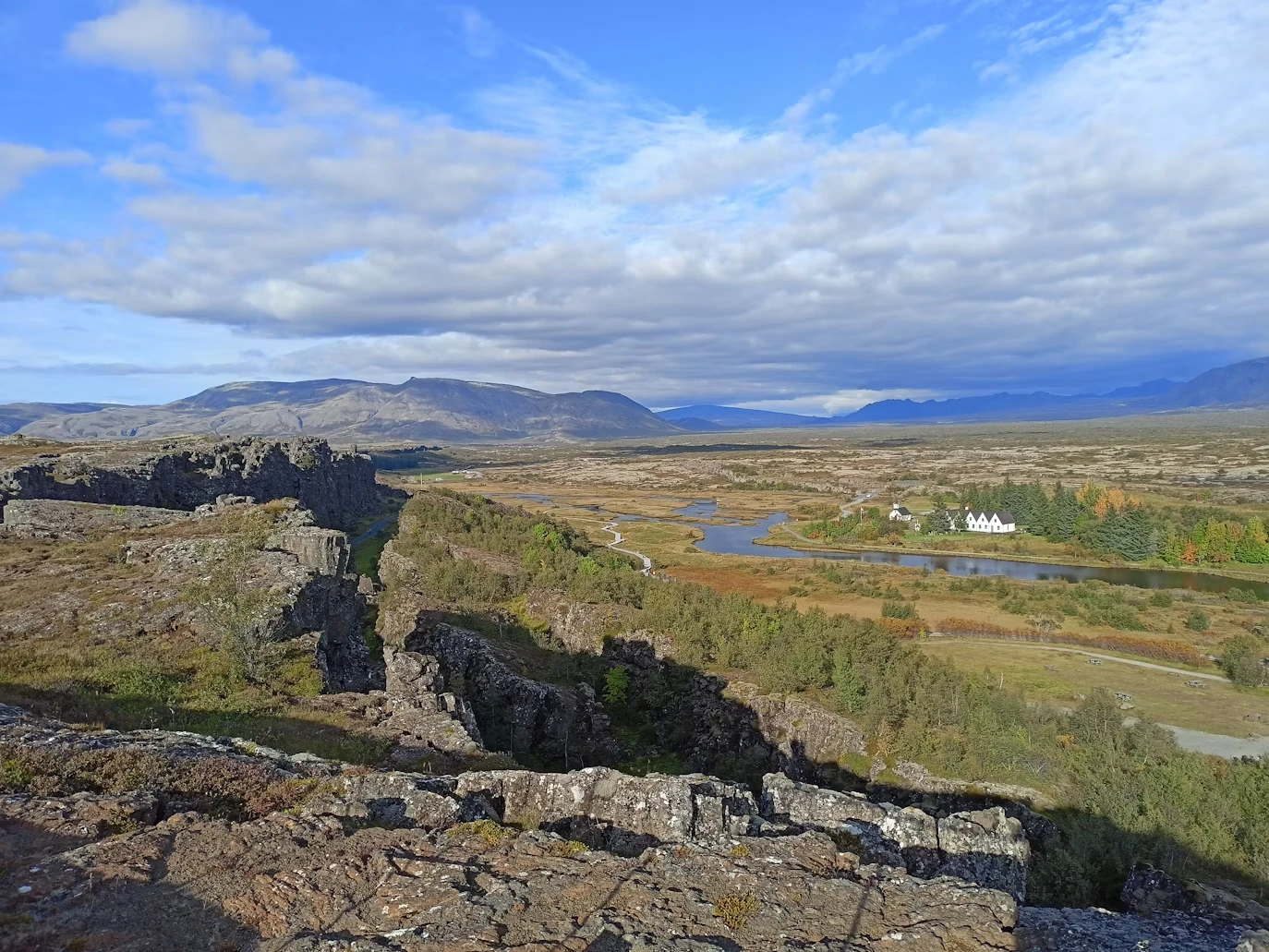
Rift valley between two tectonic plates
Self-guided walking trails cover the rift valley well, though a guide adds real geological context.
Explore Experiences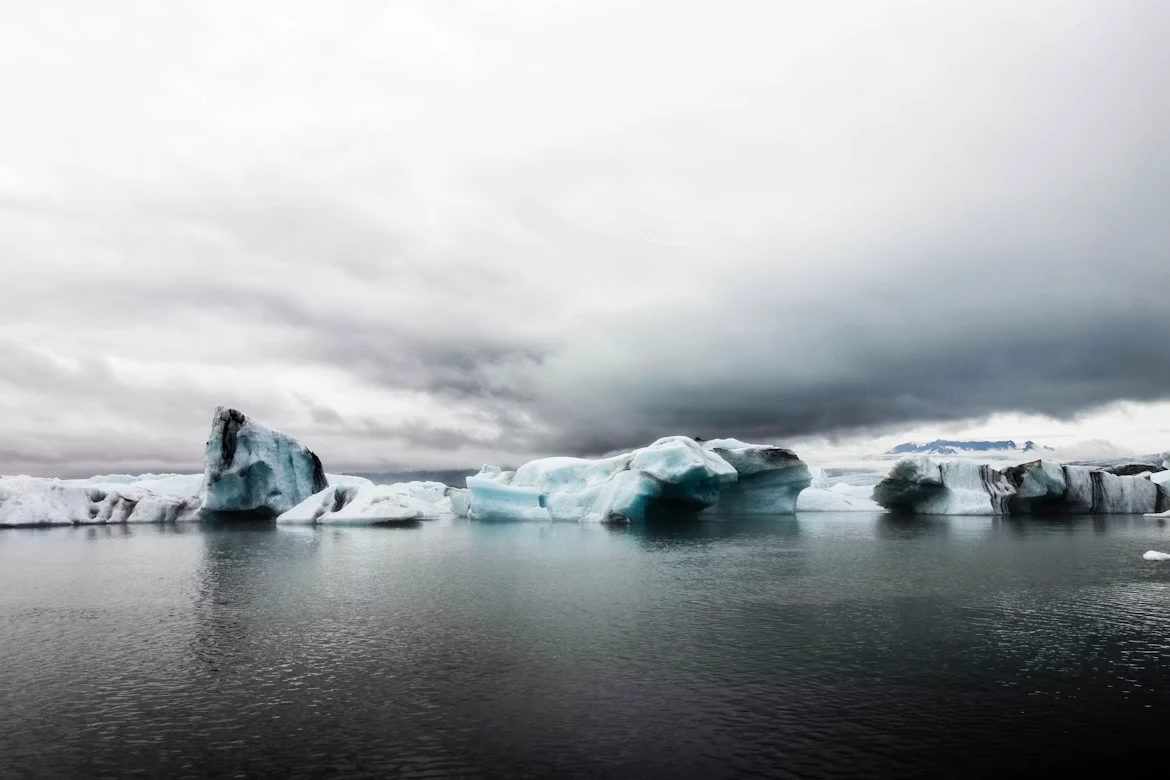
Icebergs drifting toward the black-sand beach
A boat tour among the icebergs is genuinely worth adding if your schedule allows it.
Explore Experiences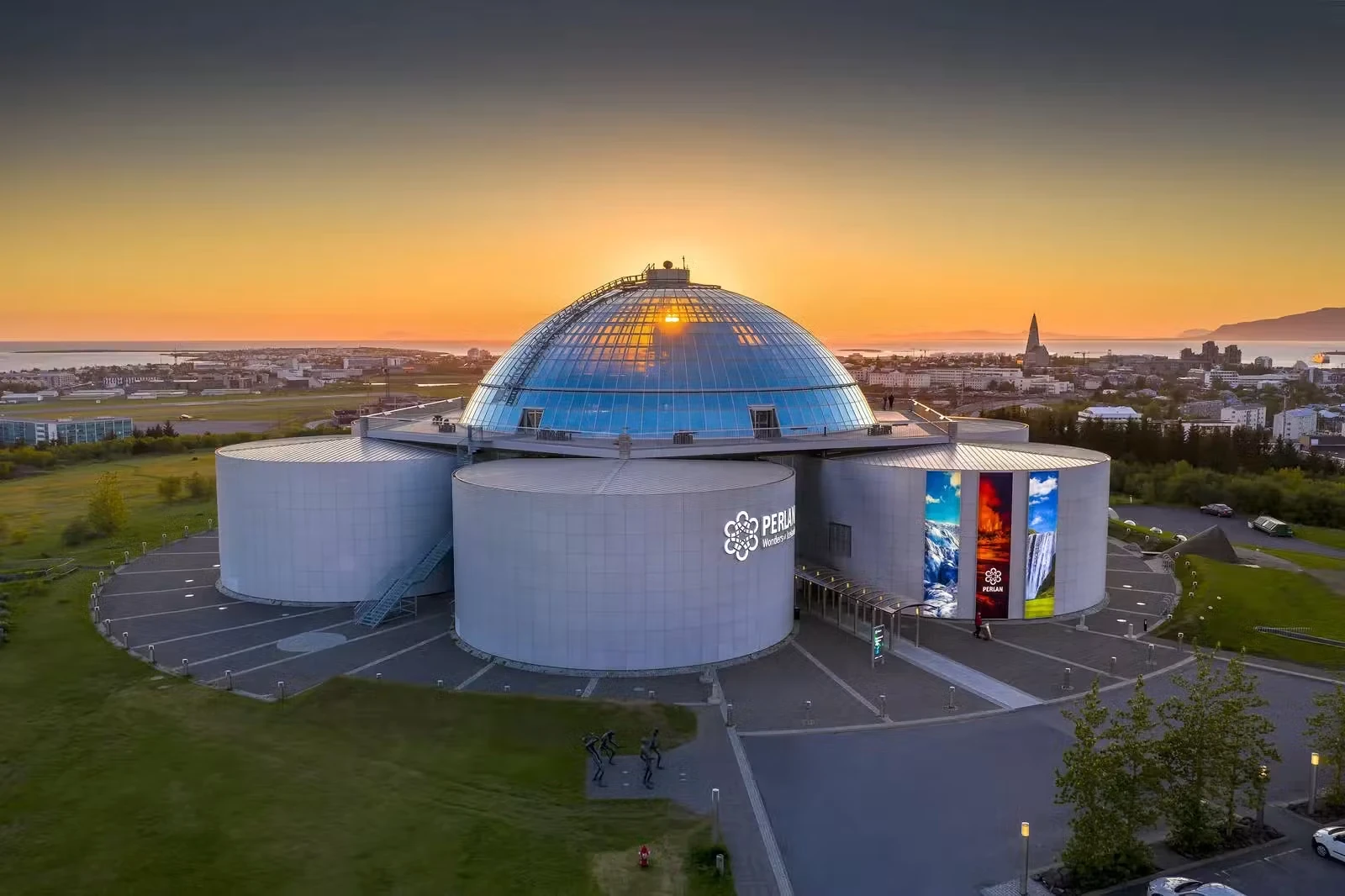
An ice cave and volcano exhibit in Reykjavík
A good rainy-day option in Reykjavík, genuinely useful if weather disrupts outdoor plans.
Explore ExperiencesÞingvellir National Park. Given the genuine tectonic significance covered in Overview, this is one of the only places on Earth to genuinely walk between the North American and Eurasian plates in a single park.
Jökulsárlón Glacier Lagoon. This lagoon is genuinely a relatively recent formation, growing as real glacial retreat continues — a boat tour among the icebergs offers a real, close vantage most viewpoints can't match.
Perlan Nature Exploratorium. A genuinely useful rainy-day option in Reykjavík, with a real ice cave exhibit built to give a preview of the natural formations found around the island.
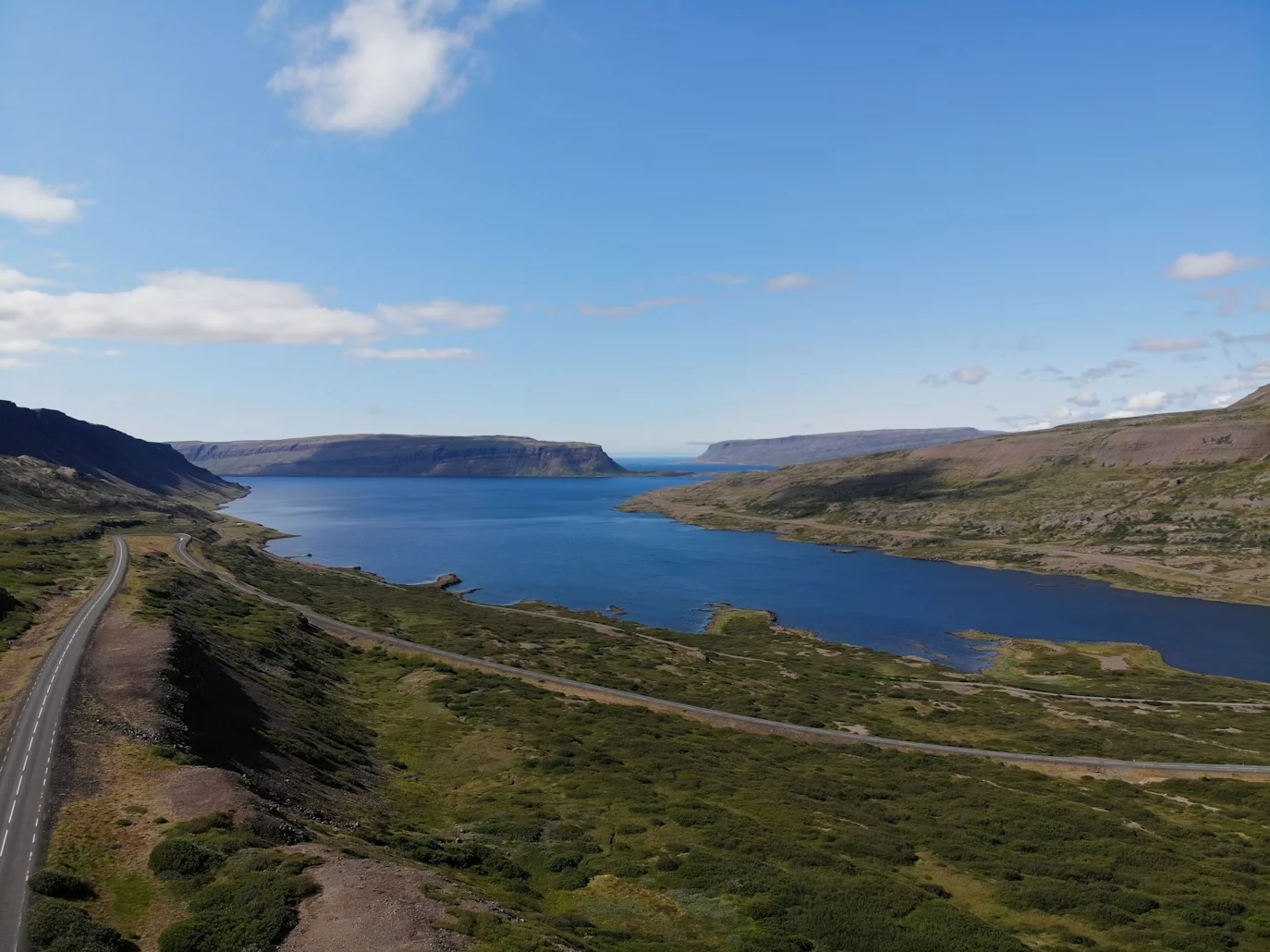
Dramatic fjords, a fraction of Ring Road traffic
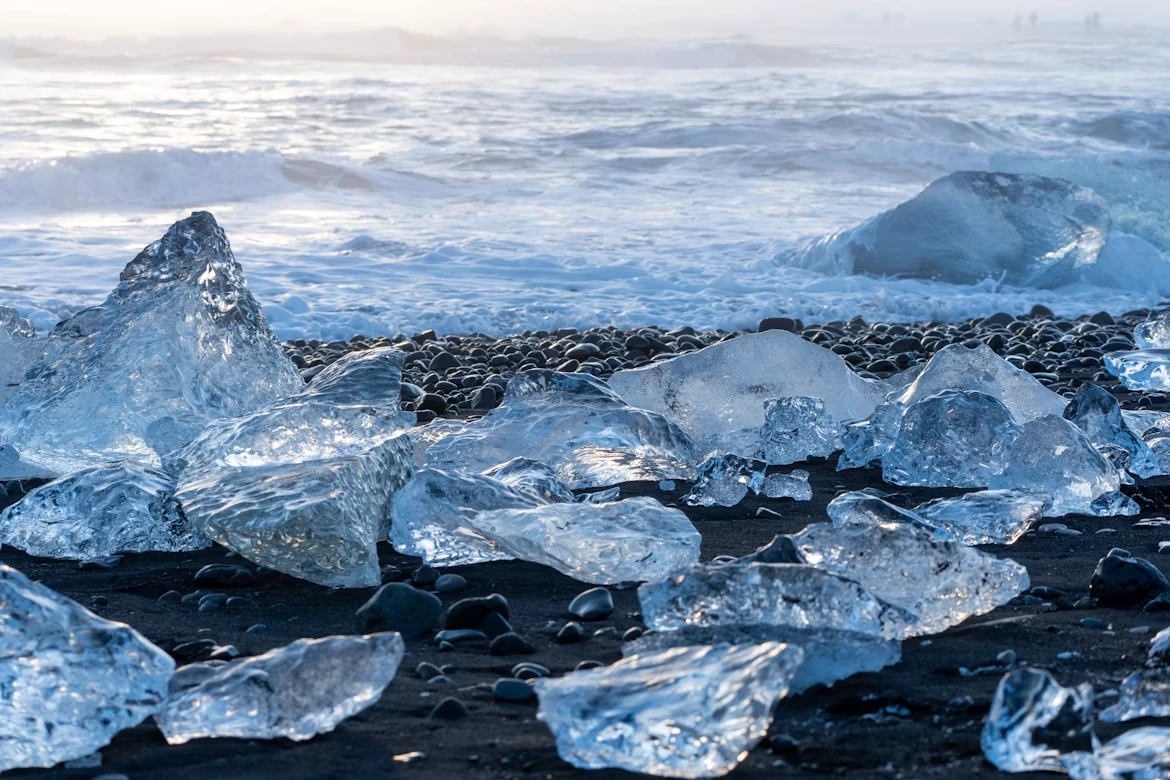
Ice glittering on black volcanic sand
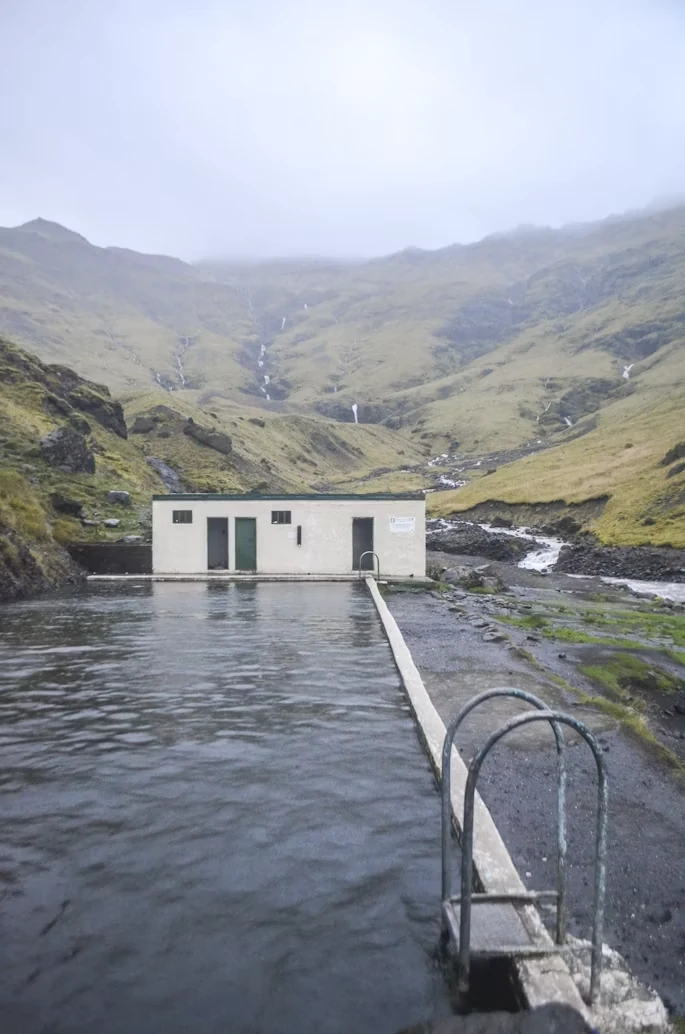
None of the Blue Lagoon crowds
The Westfjords. Genuinely dramatic fjords see a real fraction of the traffic the main Ring Road carries — a meaningfully different, quieter register of Iceland's landscape.
Diamond Beach at Dawn. Given the genuine glacial lagoon covered in Attractions, ice chunks that drift out to sea and wash back onshore create a real, striking contrast against the black volcanic sand.
A Small-Town Geothermal Pool. These genuinely offer the same real geothermal experience as the Blue Lagoon without its real, significant commercial crowds — a quieter, more local version of the same thing.

Aurora-viewing ceiling, private hot tub
An aurora-viewing ceiling and private hot tub, genuinely built around Iceland's night skies.
Check Availability
Walkable downtown base for city and day trips
A walkable downtown base, genuinely convenient for both city time and day trips.
Check Availability
Rural, often with home-cooked meals
A rural, often home-cooked stay, genuinely good value along the Ring Road route.
Check AvailabilitySouth Coast Glass Igloo. Given genuine aurora season covered in Weather, a real ceiling built specifically for night-sky viewing turns the room itself into part of the experience.
Reykjavík Design Hotel. A genuinely walkable downtown base, convenient for both city time and day trips covered throughout this guide.
Ring Road Farmstay Hostel. A genuinely rural stay, often with real home-cooked meals — good value directly along the Ring Road route.
Iceland leans on seafood and lamb, with a growing modern Nordic scene in Reykjavík.
A hearty staple in nearly every coastal town.
A genuine local institution, not just a joke.
Foraged, local ingredients driving Reykjavík's scene.
Fresh Seafood Soup. A genuinely hearty staple in nearly every coastal town, reflecting Iceland's real, direct relationship with the surrounding ocean.
Gas Station Hot Dogs. This is genuinely a real Icelandic institution, not an ironic joke — the pylsur hot dog has a real, well-documented cult following, notably including a visit from Bill Clinton that's become part of local lore.
Modern Nordic Tasting Menus. Reykjavík's real, growing dining scene reflects the broader New Nordic Cuisine movement — genuinely foraged, local ingredients driving menus rather than imported staples.
Bars famously stay open into early morning on weekends.
Geothermal pools, easy waterfall walks, wide-open landscapes.
Reykjavík's late weekend scene. Bars here genuinely stay open into early morning — real, distinctively late Icelandic nightlife where venues often don't get busy until well past midnight.
Great for families. Geothermal pools, easy waterfall walks, and genuinely wide-open landscapes make Iceland a real, low-stress destination for traveling with kids.
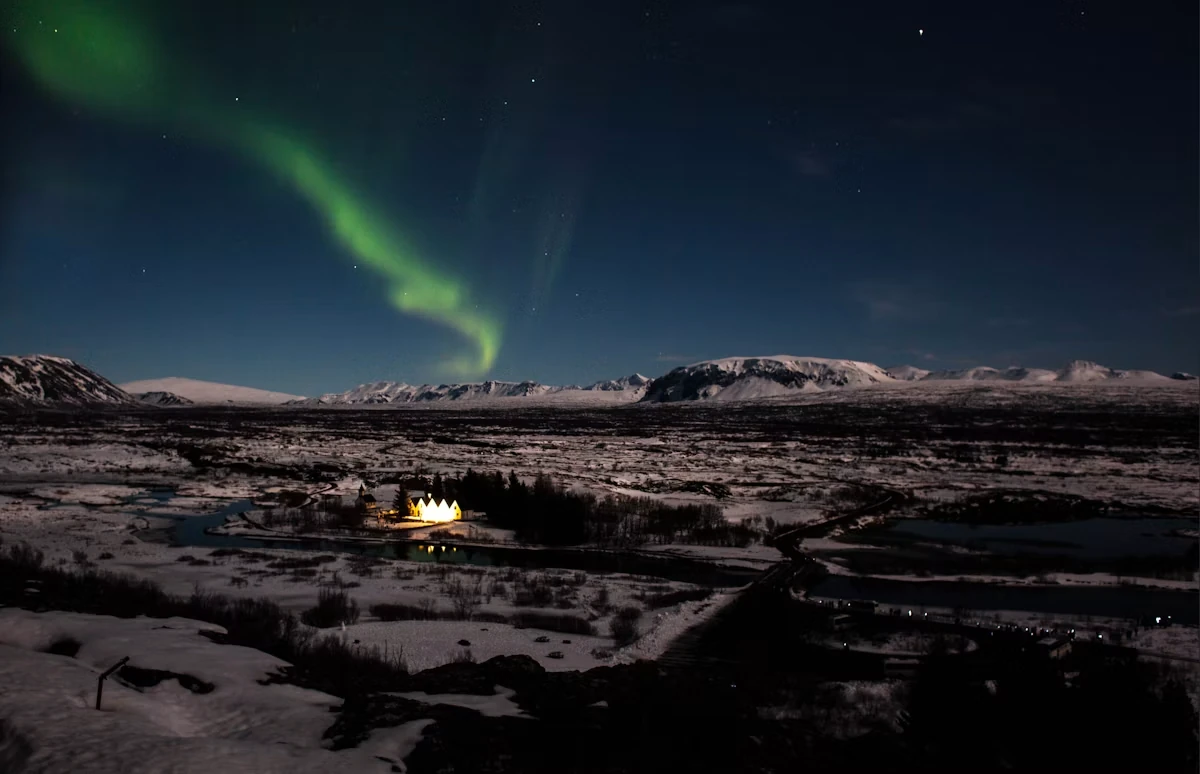
Dark skies with minimal light pollution
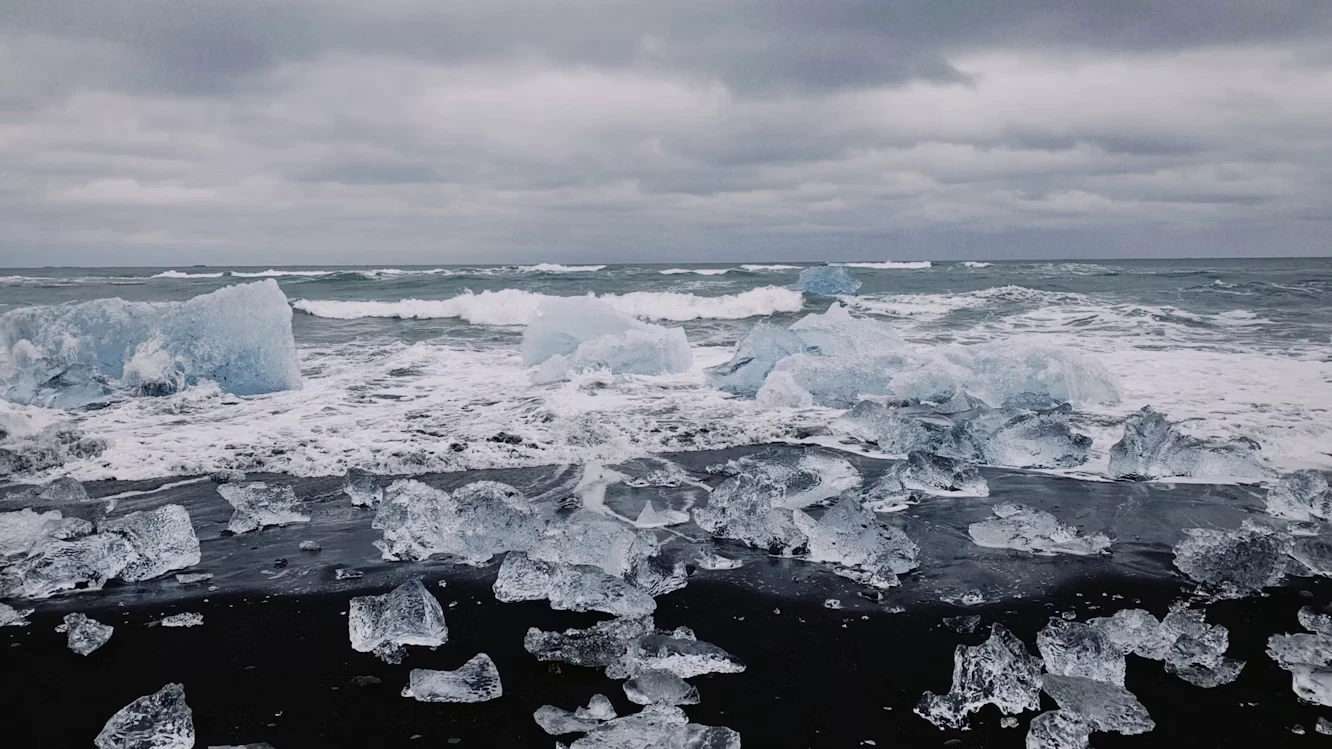
Ice on black sand
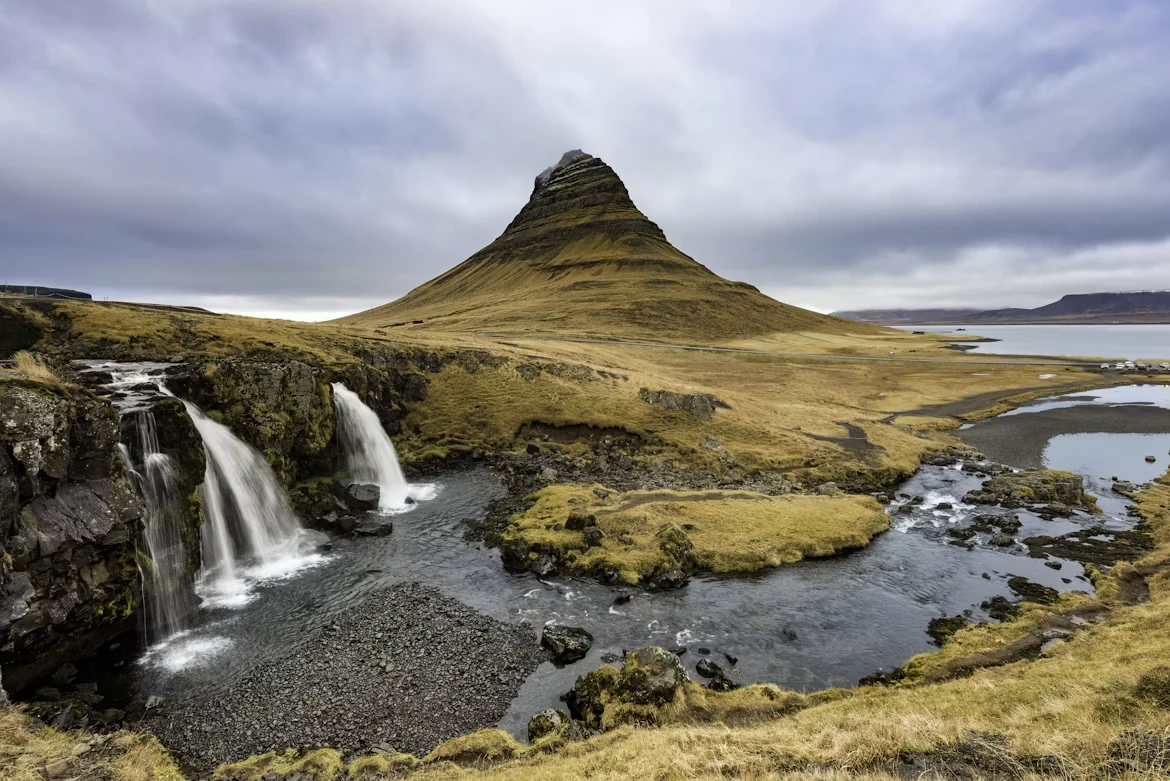
Iceland's most recognizable peak
Þingvellir National Park for Aurora. Given genuinely minimal light pollution here, covered in Weather, dark skies make this a real, reliable aurora viewing location.
Diamond Beach. Given the genuine ice-on-black-sand contrast covered in Hidden Gems, this remains one of Iceland's most photographed real landscapes.
Kirkjufell Mountain. This is genuinely Iceland's most recognizable peak, having appeared in Game of Thrones — real, distinctive shape that photographs well from multiple angles.
Waterproof hiking boots. Given genuine varied terrain covered throughout this guide, real waterproofing matters more here than in most destinations.
Waterproof, windproof layers. Iceland's genuine weather changes fast regardless of season — real layering matters more than any single heavy coat.
A swimsuit for geothermal pools. Given genuine pool culture covered in Practical Information, this is a real, near-daily necessity, not an occasional pack item.
Microspikes in winter. Given genuine icy conditions covered in Safety, these offer real, practical traction that regular boots don't provide.
A polarizing lens filter. Genuinely useful for real waterfall and glacier photography, cutting glare in a way standard lenses can't.
A power bank. Given genuine cold-weather battery drain, this is a real practical necessity for long days photographing outdoors.
7–10 days for the full Ring Road; 4–5 days is enough for the south coast and Golden Circle alone.
Yes — one of the safest countries for solo travel of any kind. The main precaution is respecting weather and roads.
For summer, yes — cars can sell out 2–3 months ahead. Winter has more availability but needs 4x4 experience.
Waterproof, windproof layers regardless of season, sturdy hiking shoes, and a swimsuit.
How many days do I actually need? 7-10 days genuinely covers the full Ring Road; 4-5 days is enough for the south coast and Golden Circle alone.
Is it safe for solo travelers? Yes — genuinely one of the safest countries for solo travel of any kind, covered in Safety above. The main real precaution is respecting weather and roads.
Do I need to book a rental car far in advance? For summer, yes — genuinely, cars can sell out 2-3 months ahead. Winter has more availability but needs real 4x4 experience, covered in Practical Information.
What should I pack? The reasoning behind each item — including why a swimsuit genuinely counts as a near-daily essential here — is covered in the Packing section above.
Get the complete Iceland guide as a beautifully designed, offline-ready PDF — every section organized for actual use in the field, plus a full packing checklist.
Turn your research into a trip designed around your actual dates, budget, and travel style — planned by a person, not a form.
EXPLORE GOATLAS CONSULTATIONSGenuinely recommended places to stay and eat, not filler — booked through our trusted travel partners.
Book hotels, flights, tours, airport transfers, travel insurance, and car rentals through GoAtlas's trusted global travel partners — all in one place.
Explore Trusted Travel PartnersA GoAtlas travel expert can build your full Iceland itinerary around your dates and budget.