
South America · Peru
Machu Picchu, Peru
13.1631° S, 72.5450° W
A 15th-century Incan citadel perched above the clouds, reached by train, trail, or a multi-day trek through the Andes.
A 15th-century Incan citadel perched above the clouds, reached by train, trail, or a multi-day trek through the Andes.
Machu Picchu sits at 2,430 meters, wedged into a saddle between two Andean peaks and hidden from the valley floor below. Most visitors base in Cusco or the Sacred Valley for a few days of altitude acclimatization before heading to Aguas Calientes, the town at the mountain's base.
Getting there is part of the experience: a scenic train through the Sacred Valley, or a multi-day trekking route including the classic Inca Trail, which requires permits booked months ahead.
Built around 1450 as a royal estate for Emperor Pachacuti, the site was abandoned during the Spanish conquest and stayed largely unknown until Hiram Bingham's 1911 expedition. The surrounding Sacred Valley remains home to Quechua-speaking communities whose agricultural traditions predate the Incas.
Machu Picchu was genuinely built as a private royal estate for Emperor Pachacuti around 1450, not a lost or mysterious city in the way it's often portrayed. Real, documented archaeological consensus points to a purpose-built retreat, not an abandoned mystery site.
Hiram Bingham's 1911 "discovery" is genuinely more nuanced than the popular story suggests. He was actually guided to the site by local farmers who already knew of it — a real, important correction to the narrative of an explorer stumbling upon a forgotten secret.
The citadel's dry-stone construction is genuinely remarkable engineering. Many walls were fitted without any mortar, real Inca stonework so precise that a knife blade often still can't slide between the stones today — a real, physical testament to the skill involved.
The Andes run on a dry/wet season split — trail conditions depend entirely on it.
Clear trails and skies — also the busiest, most booked-out months.
A good balance of weather and thinner crowds.
The Inca Trail closes each February for maintenance.
May-Sep, Dry Season. Genuinely clear trails and skies — also the real busiest, most booked-out months given how reliable the weather is.
Apr, Oct, Shoulder Season. A genuinely good balance of weather and real thinner crowds than peak dry season.
Nov-Mar, Wet Season. The Inca Trail genuinely closes each February for real maintenance — worth checking specific dates if this trek is part of your plan.
Cash essential in Aguas Calientes and on trekking routes; cards work in Cusco.
Machu Picchu itself requires a timed-entry ticket booked well in advance.
PeruRail or Inca Rail connect the valley to Aguas Calientes; buses finish the ascent.
A Peru eSIM covers cities well; expect no signal on most treks.
Especially in traditional dress — a small tip is customary.
Spend 2–3 days acclimatizing in Cusco before strenuous trekking.
Currency & Money. Cash is genuinely essential in Aguas Calientes and on trekking routes; cards work in Cusco.
Visa. Visa-free for most nationalities — Machu Picchu itself genuinely requires a real, separate timed-entry ticket booked well in advance, a relatively recent policy introduced specifically to manage site preservation and overtourism.
Transportation. Train from Cusco or Ollantaytambo genuinely connects the valley to Aguas Calientes; buses finish the ascent.
Health. Altitude sickness is genuinely the main risk — real, physiological reduced oxygen at elevation affects most visitors to some degree, which is why 2-3 days acclimatizing in Cusco before strenuous trekking matters.
Local Customs. Ask before photographing locals, especially in traditional dress — a real, small tip is customary in this situation.
Machu Picchu and the Sacred Valley are safe and well-trodden by tourists. The real risk is altitude sickness rather than crime — take acclimatization seriously.
Machu Picchu and the Sacred Valley are genuinely safe and well-trodden by tourists. The real risk is altitude sickness rather than crime — genuine physiological symptoms like headache, nausea, and fatigue are common enough that taking acclimatization seriously matters more here than personal safety precautions.
Costs vary widely depending on train class and whether you trek or ride directly.
| Item | Budget | Mid-range | Luxury |
|---|---|---|---|
| Lodging (per night) | $20 – $40 | $80 – $180 | $300 – $900+ |
| Entry ticket | $45 – $65 | $45 – $65 | $45 – $65 |
| Train (round-trip) | $70 | $140 | $400+ |
| Guided Inca Trail (4-day) | $600 – $700 | $700 – $1,000 | $1,200+ |
| Food (per day) | $15 – $25 | $30 – $50 | $60 – $120 |
Costs genuinely vary widely depending on train class and whether you trek or ride directly. Real, guided multi-day Inca Trail treks command a significant premium over the train-and-bus route — a genuine trade-off between budget and the specific experience of arriving on foot.
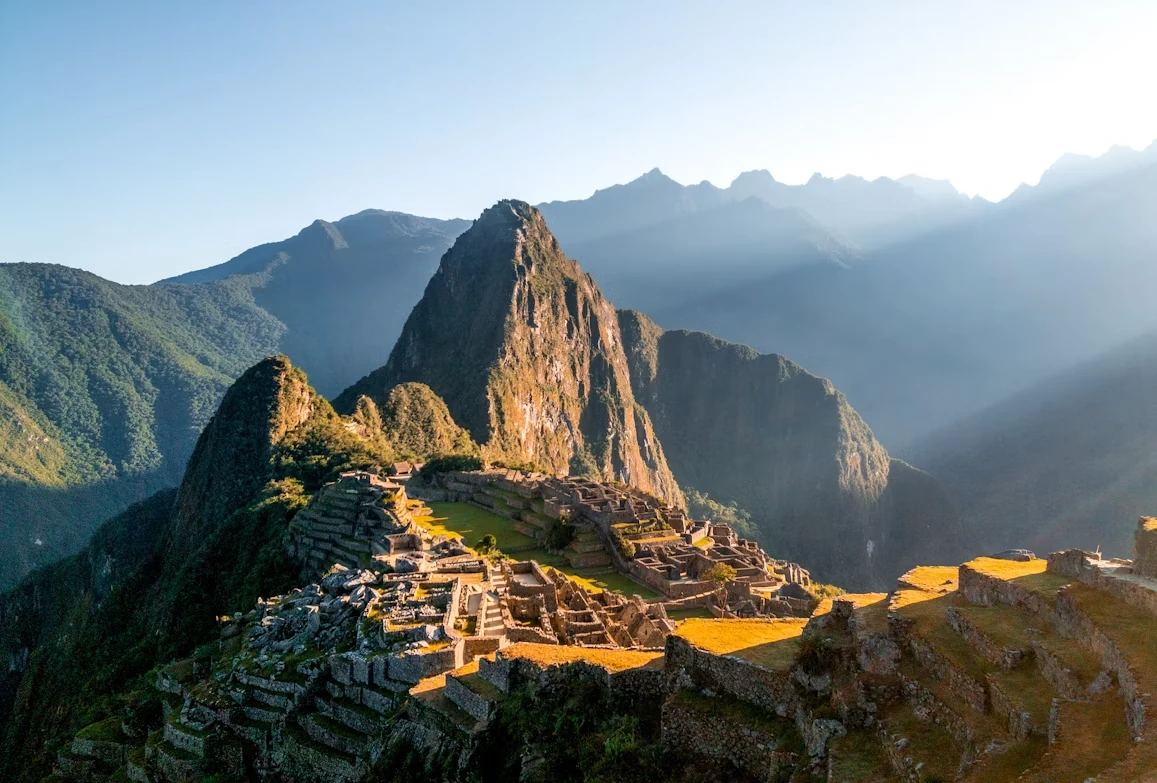
First entry slot, before midday crowds
The first entry slot is genuinely worth the early start, before midday crowds arrive.
Explore Experiences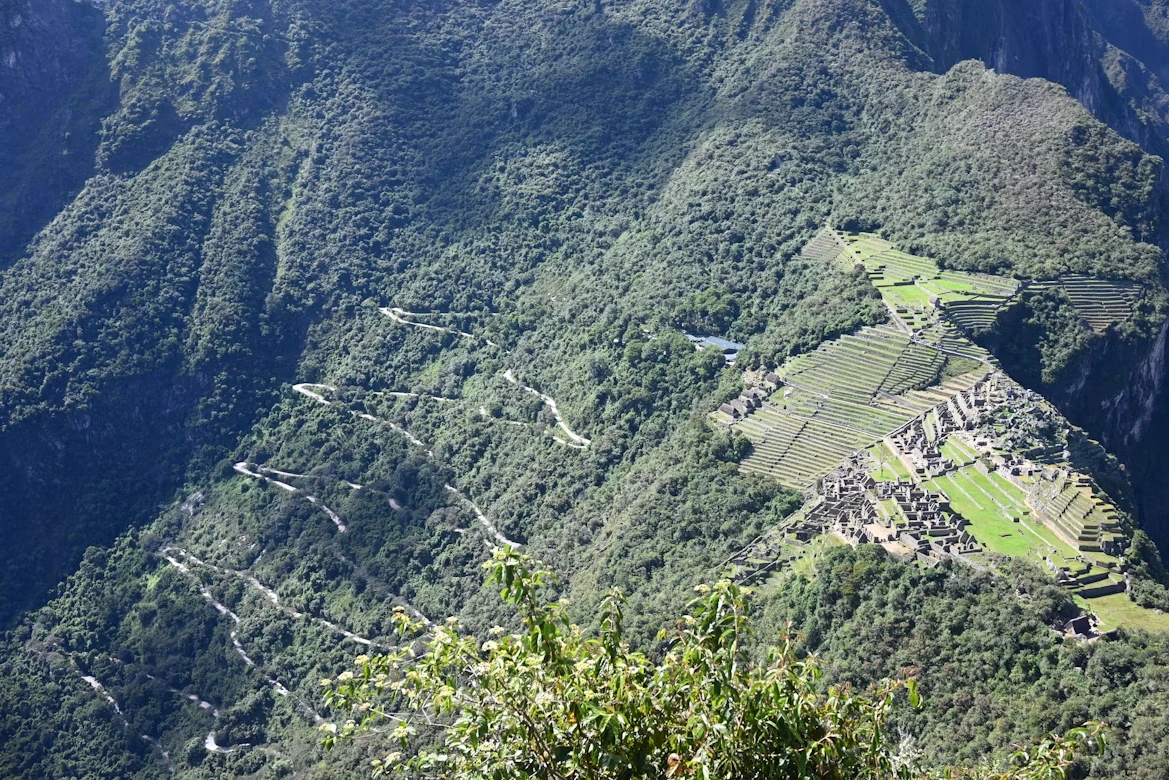
A steep peak-top hike, permits sell out early
Permits genuinely sell out early — book this specific add-on well ahead of your trip.
Explore Experiences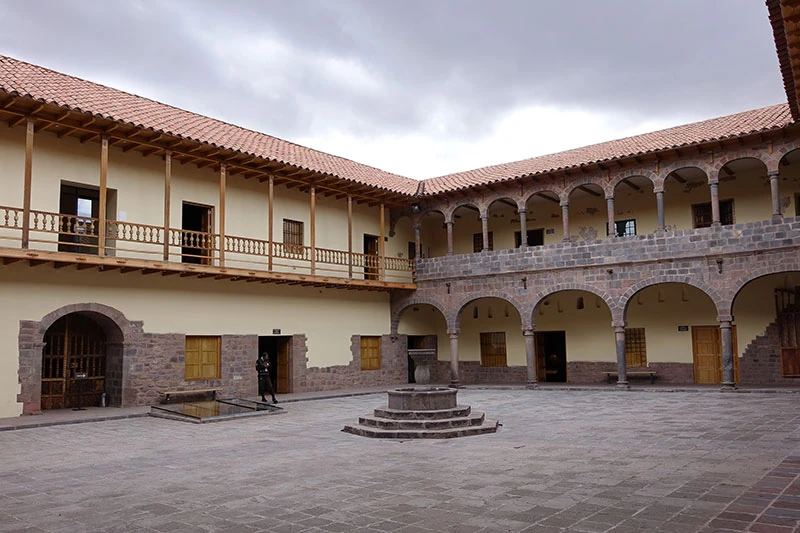
Artifacts returned from Yale's original expedition
Genuinely worth an hour in Cusco — real artifacts returned from Yale's original expedition.
Explore ExperiencesThe Citadel at Sunrise. Given the genuine dry-stone construction covered in Overview, the first entry slot is genuinely worth the early start, before midday crowds arrive.
Huayna Picchu Climb. This genuine steep peak-top hike has real, strictly limited daily permits for site preservation — booking this specific add-on well ahead of your trip is a genuine necessity, not overcaution.
Casa Concha Museum, Cusco. This genuinely holds real artifacts returned from Yale's original expedition, following an actual, resolved legal agreement between Peru and Yale University around 2011 — worth an hour in Cusco to see this real repatriation history firsthand.
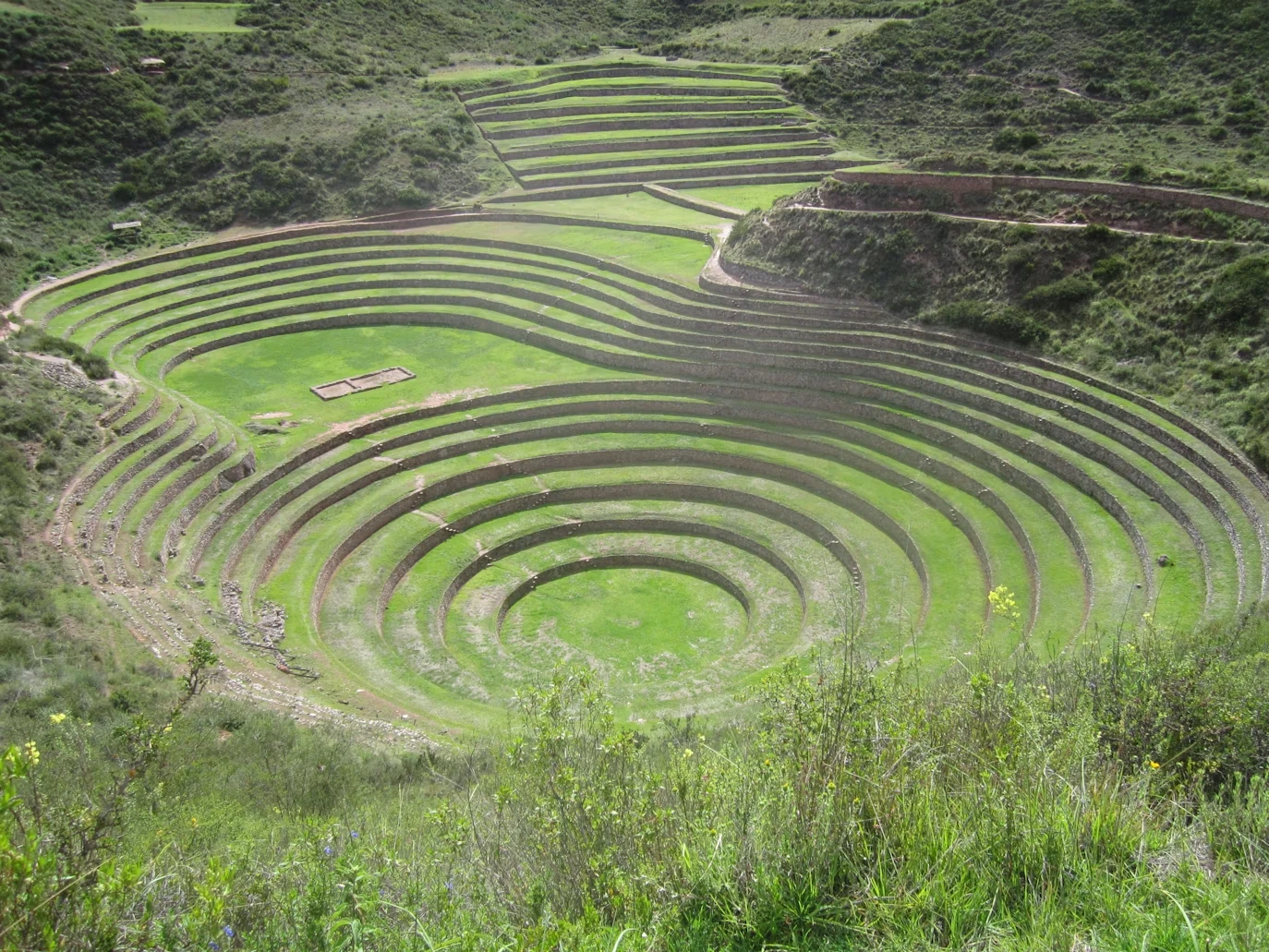
Incan agricultural terraces, far fewer visitors
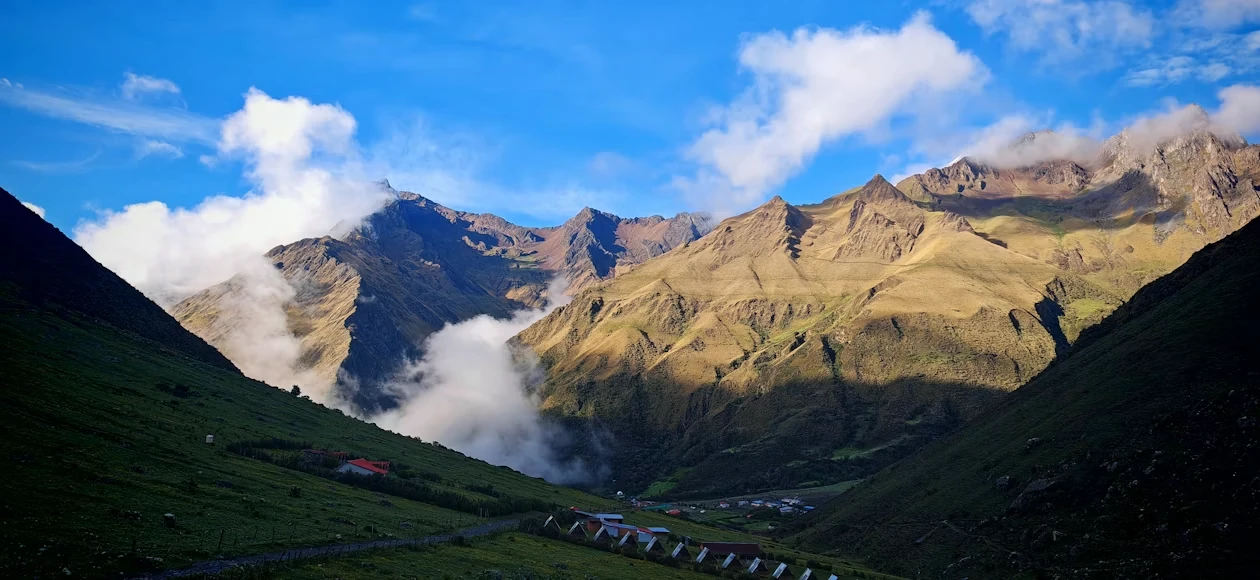
A less-permitted, more scenic alternative
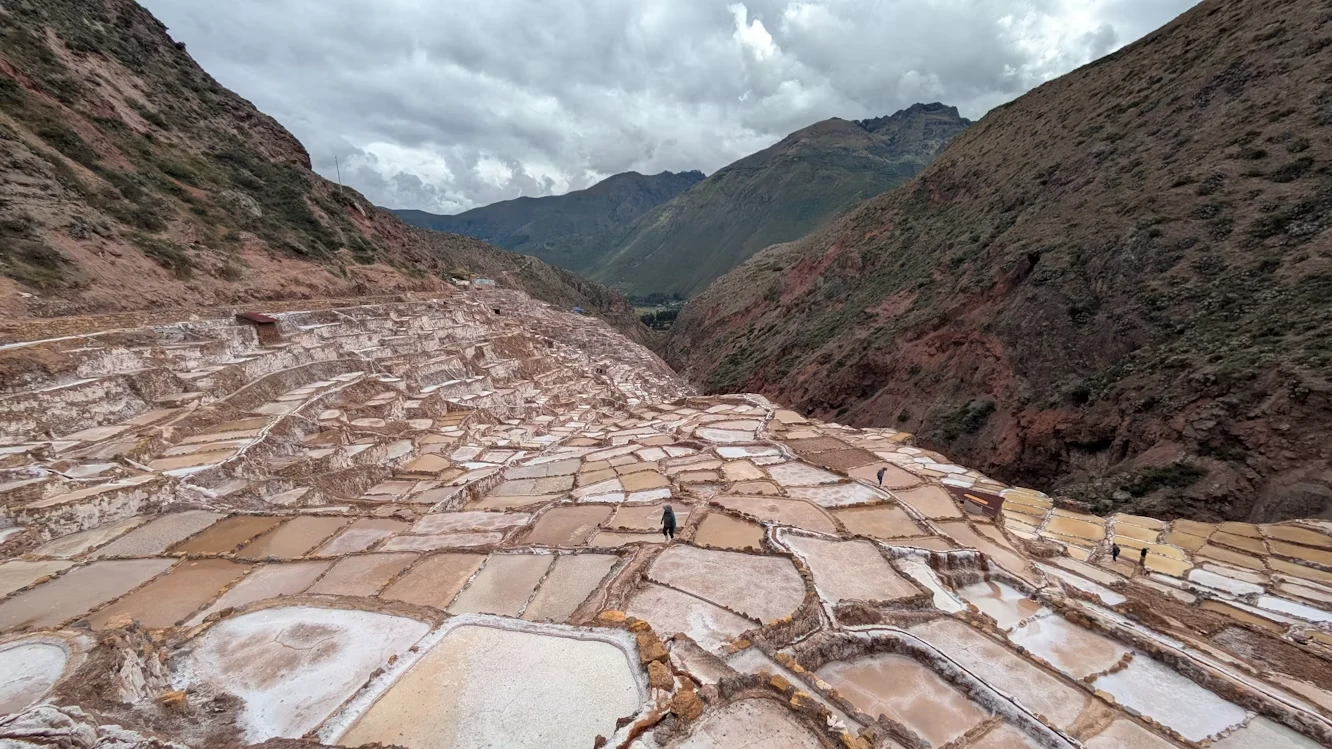
Centuries-old salt pans still worked by hand
Moray's Circular Terraces. These genuine Incan agricultural terraces are theorized by real researchers to have created distinct microclimates at different levels, possibly used for crop experimentation — real, still-debated archaeological science, far fewer visitors than the main citadel.
The Salkantay Trail. A genuinely less-permitted, more scenic alternative to the Inca Trail, real fewer crowds along a comparably dramatic route.
Maras Salt Ponds. These genuine centuries-old salt pans predate the Incas and are still worked by hand today — real, continuous local tradition, not a preserved museum piece.

Mountain views, acclimatization support
Mountain views and genuine acclimatization support before the altitude of Cusco and beyond.
Check Availability
Central historic district
Central historic district, genuinely the most convenient base for exploring Cusco itself.
Check Availability
Closest base to the citadel entrance
The closest base to the citadel entrance, genuinely useful for an early start.
Check AvailabilitySacred Valley Eco-Lodge. Mountain views and genuine real acclimatization support before the altitude of Cusco and beyond.
Cusco Colonial Hotel. Central historic district, genuinely the most convenient base for exploring Cusco itself.
Aguas Calientes Hostel. The closest base to the citadel entrance, genuinely useful for an early start given the entry timing covered in Attractions.
Cusco has become a genuine culinary destination beyond trekking fuel.
Alpaca skewers and lomo saltado at unpretentious spots.
Grilled skewers, a Cusco evening staple.
Cusco's higher-end restaurants reinterpret traditional ingredients.
Cusco Market Eateries. Alpaca skewers and lomo saltado at genuinely unpretentious spots reflect real, everyday Andean protein staples.
Anticuchos Stalls. These grilled skewers, traditionally made from beef heart, are genuinely a real Cusco evening staple with real, deep historical roots in Andean street food.
Modern Andean Cuisine. Cusco's genuinely higher-end restaurants reinterpret real traditional ingredients — part of a broader, real culinary movement reclaiming native Andean crops and techniques.
Aguas Calientes and the Sacred Valley are quieter, early-night towns.
Altitude and trekking distances suit children roughly 8 and up.
Cusco's Plaza de Armas bars. Genuinely the real nightlife hub; Aguas Calientes and the Sacred Valley stay quieter, early-night towns by comparison.
Best suited to older kids. Given genuine altitude and real trekking distances covered in Practical Information, this suits children roughly 8 and up.
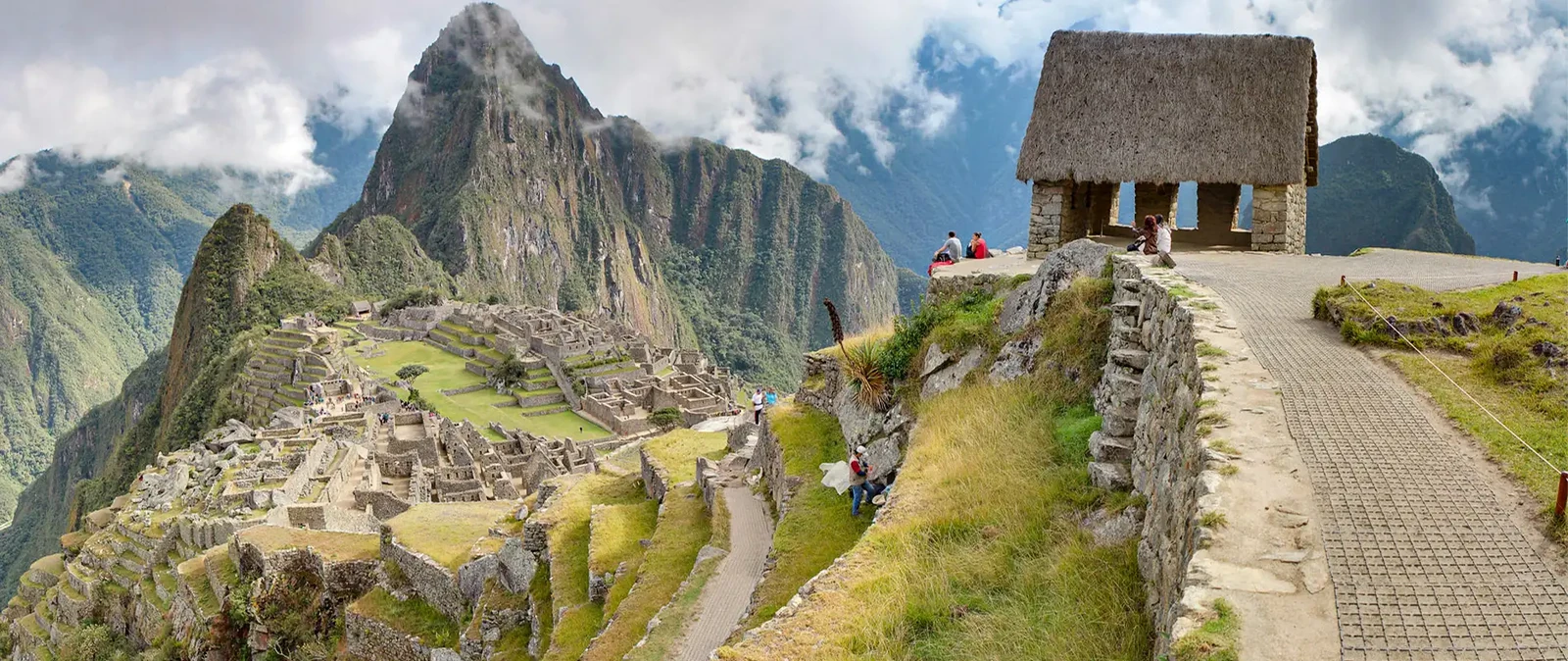
The postcard shot of the full citadel
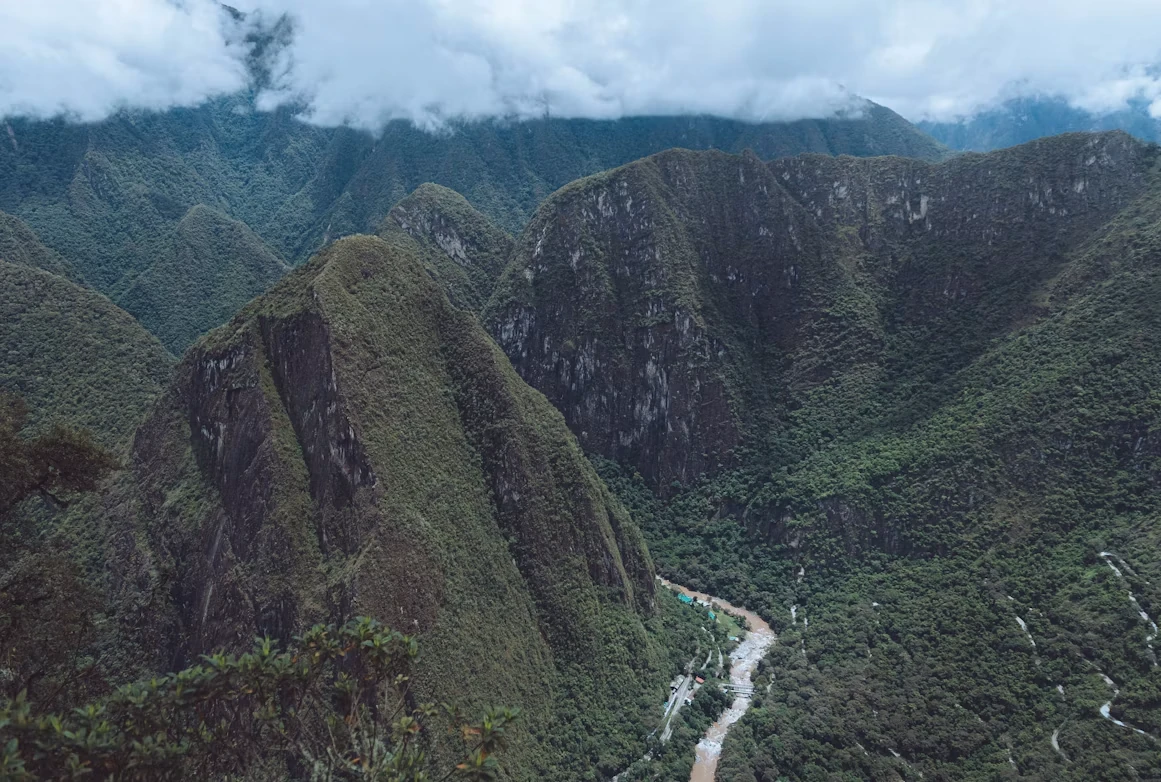
The citadel from directly above
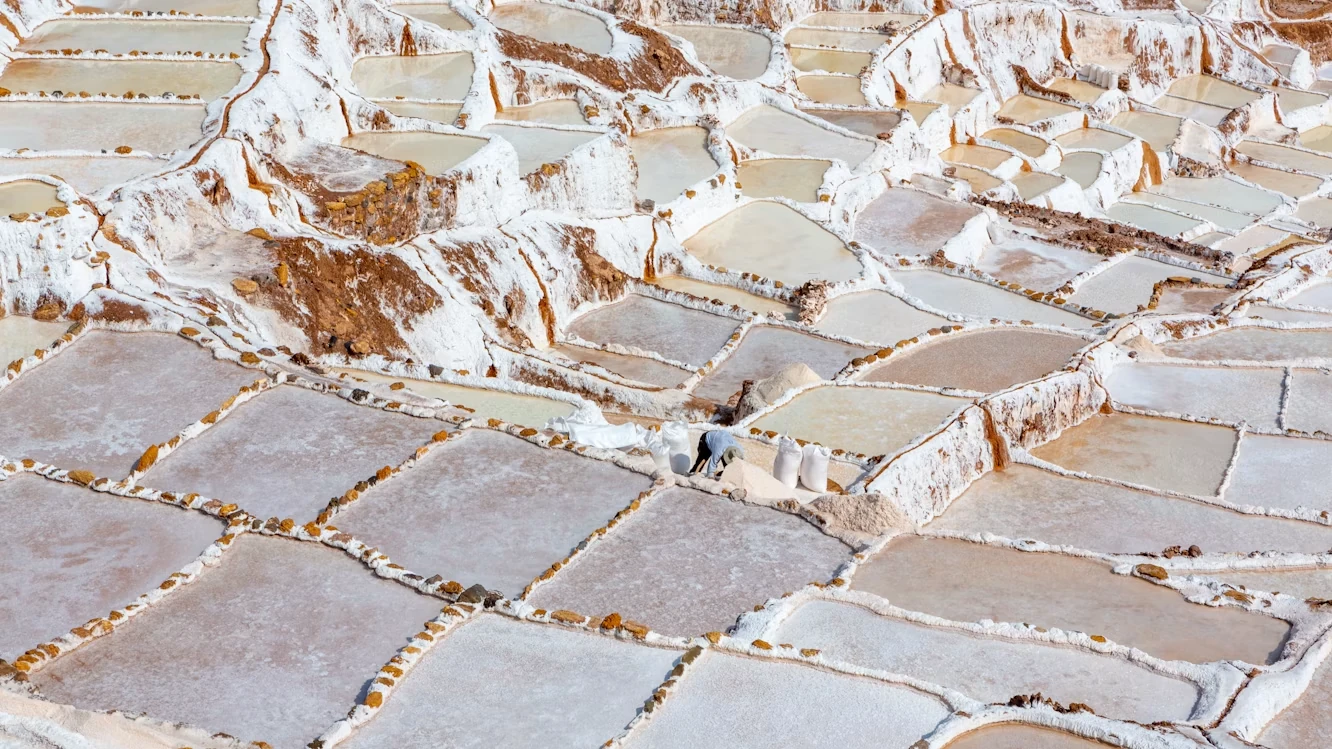
Thousands of hand-worked terraced pans
The Guardhouse Viewpoint. Given the genuine dry-stone citadel covered in Overview, this is genuinely the classic postcard shot of the full site.
From Huayna Picchu's Summit. Given the genuine limited permits covered in Attractions, this offers a real, unique elevated view of the citadel from directly above.
Maras Salt Ponds. Given the genuine hand-worked tradition covered in Hidden Gems, thousands of real terraced pans create a striking, distinctive composition.
Broken-in hiking shoes. Given genuine trail terrain covered throughout this guide, real footwear comfort matters more here than new, unworn boots.
Warm socks for altitude. Given genuine temperature drops at elevation, real warmth matters even during daytime hikes.
Layers for big swings. Given genuine Andean temperature variation between sun and shade, real layering handles this better than one jacket.
Altitude sickness medication. Given the genuine physiological risk covered in Safety, this is real, worth discussing with a doctor before travel if advised.
Coca tea or candy for altitude. A genuinely traditional local remedy widely available and used to ease altitude symptoms.
A dry bag for rain. Given genuine wet season conditions covered in Weather, this offers real, practical protection for electronics.
5–7 days total, including 2–3 in Cusco for altitude acclimatization before visiting the citadel.
Yes — a well-established tourist route with guides throughout, though many opt for a small group trek.
Yes — Inca Trail permits are capped daily and often sell out 4–6 months ahead in peak season.
Layers for big temperature swings, sun protection at altitude, and altitude sickness medication if advised.
How many days do I actually need? 5-7 days total genuinely works well, including 2-3 in Cusco for real altitude acclimatization before visiting the citadel.
Is it safe for solo travelers? Yes — genuinely a well-established tourist route with guides throughout, covered in Safety above, though many opt for a small group trek.
Do I need to book months in advance? Yes — Inca Trail permits are genuinely capped daily and often sell out 4-6 months ahead in peak season, covered in Practical Information.
What should I pack? The reasoning behind each item — including why coca tea genuinely helps with altitude symptoms — is covered in the Packing section above.
Get the complete Machu Picchu guide as a beautifully designed, offline-ready PDF — every section organized for actual use in the field, plus a full packing checklist.
Turn your research into a trip designed around your actual dates, budget, and travel style — planned by a person, not a form.
EXPLORE GOATLAS CONSULTATIONSGenuinely recommended places to stay and eat, not filler — booked through our trusted travel partners.
Book hotels, flights, tours, airport transfers, travel insurance, and car rentals through GoAtlas's trusted global travel partners — all in one place.
Explore Trusted Travel PartnersA GoAtlas travel expert can build your full Machu Picchu itinerary around your dates and budget.