North Africa · Morocco
Marrakech, Morocco
31.6295° N, 7.9811° W
Maze-like souks, riads built around quiet courtyards, and the desert waiting just beyond the city's edge.
Maze-like souks, riads built around quiet courtyards, and the desert waiting just beyond the city's edge.
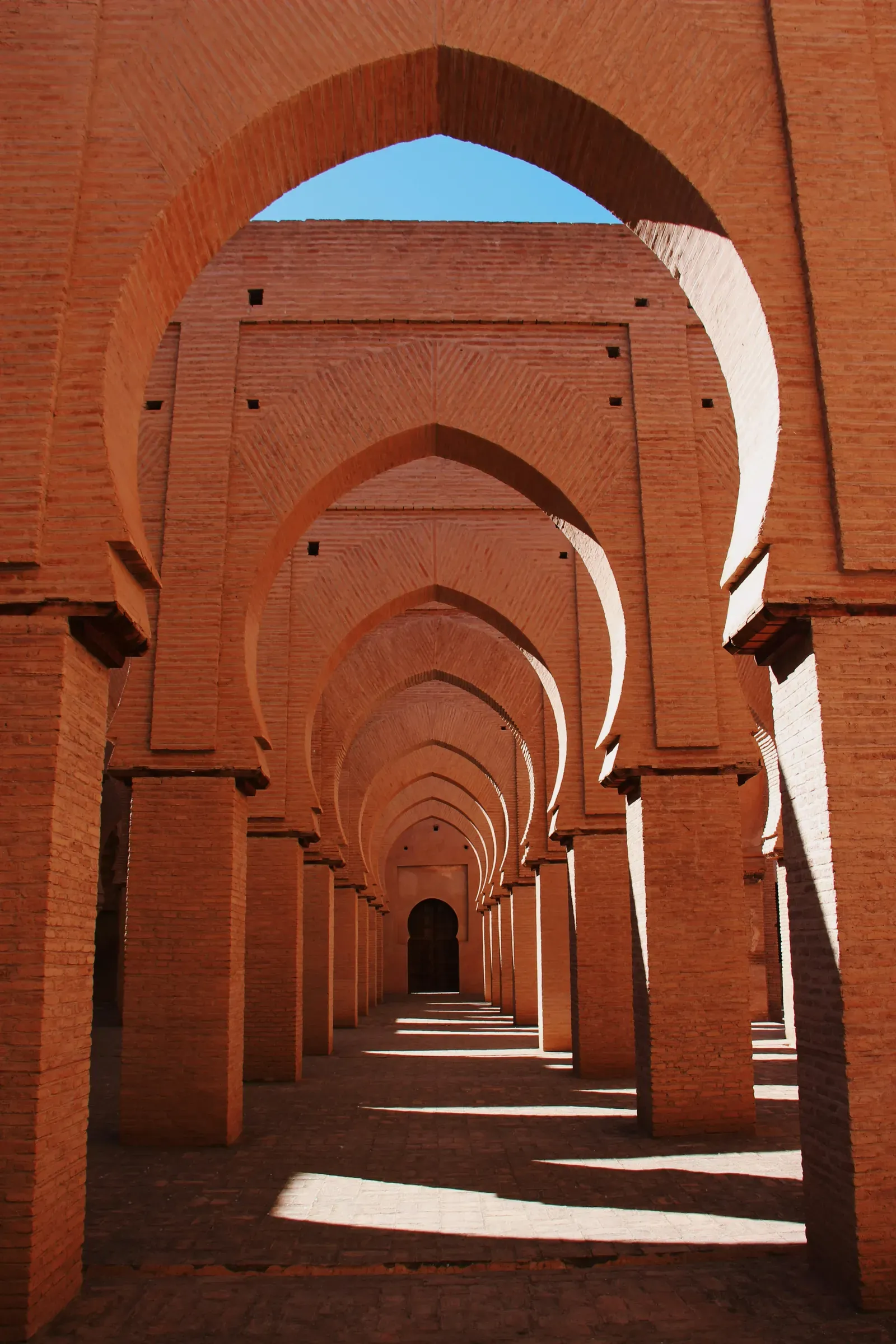
Marrakech's medina — the old walled city — is a genuine maze by design, its narrow alleys built to confuse invaders and disorient visitors in the best way. Most first-time travelers stay in a riad, a traditional house built around an interior courtyard, a quiet retreat just steps from the medina's constant motion.
The city works well as a base for two very different experiences — days in the souks and palaces, and easy day trips to the Atlas Mountains or the edge of the Sahara.
Founded in 1062 as the capital of the Almoravid dynasty, Marrakech has served as a crossroads of Berber, Arab, and sub-Saharan trade for nearly a thousand years — visible in the medina's layered architecture and Jemaa el-Fna square, a UNESCO-recognized space that has run continuously for centuries.
The medina's maze layout was a genuine defensive design. Narrow, winding alleys made the old city difficult for invading forces to navigate quickly — the same disorientation that once served defense now shapes the tourist experience, and getting genuinely lost for a while is less a mistake than part of how the medina is meant to be encountered.
A riad's inward-facing courtyard design isn't decorative — it's climate engineering. Traditional Marrakech houses turn away from the street and open onto a central courtyard, often with a fountain or small garden, a design that keeps interior spaces cooler through shade and evaporation in a city that regularly exceeds 100°F in summer.
Jemaa el-Fna holds a specific UNESCO designation — recognized as a Masterpiece of the Oral and Intangible Heritage of Humanity, honoring the storytellers, musicians, and performers who have continuously used the square as a living stage for generations, not just the physical space itself.
Marrakech gets genuinely hot in summer — spring and autumn are the comfortable sweet spots.
Warm days, cool evenings, snow-capped Atlas Mountains in the distance.
Often exceeding 100°F (38°C) — manageable but requires planning.
The most comfortable stretch of the year.
Mar–May, Spring. Warm, comfortable days paired with genuinely cool evenings make this the classic sweet-spot window — the snow-capped Atlas Mountains still visible on the horizon this time of year add a real visual contrast to the desert-adjacent city below.
Jun–Aug, Summer. Marrakech's summer heat is a real, serious factor, not just discomfort — temperatures regularly exceeding 100°F mean genuinely adjusting the day's rhythm, with sightseeing concentrated in early morning and evening, and the hottest midday hours spent resting, much as locals do.
Sep–Nov, Autumn. The most comfortable stretch of the year, combining spring's pleasant temperatures with typically clearer skies — the trade-off is that this popularity means riad availability tightens noticeably compared to summer.
A closed currency — exchange on arrival; cash essential in the souks.
Most Western passport holders get 90-day visa-free entry — verify your requirements.
The medina is pedestrian-only; petit taxis cover everywhere else.
A Morocco eSIM covers Marrakech well.
Shoulders and knees covered is respectful and practical.
Standard travel precautions apply.
Currency & Money. The dirham is genuinely a closed currency — it cannot legally be exchanged outside Morocco, meaning leftover dirhams need spending or exchanging back before departure, not saved for a future trip the way many currencies can be.
Visa. The 90-day visa-free entry many Western passport holders receive is genuinely generous by regional standards, but worth confirming against your specific passport, since requirements do vary by nationality.
Getting Around. The medina being pedestrian-only isn't a tourism concession — its alleys are often too narrow for vehicles by original design, meaning petit taxis (small, metered, city-only taxis) are the practical option for anywhere outside walking distance, while longer trips to the Atlas Mountains or Essaouira typically use a private driver instead.
Local Customs. Modest dress — shoulders and knees covered — is both a genuine cultural expectation and a practical choice in a Muslim-majority country, particularly relevant when visiting mosques or more traditional neighborhoods outside the tourist-dense parts of the medina.
Health. Tap water isn't recommended for drinking; bottled water is the standard, easy precaution most visitors already expect from regional travel.
Marrakech is generally safe for tourists — the most common issue is persistent souk vendors, easily avoided by politely declining and continuing on.
Persistent souk vendors are genuinely the most common friction point — not a safety risk in the traditional sense. A polite, firm decline and continuing to walk is the real, effective response most experienced visitors settle into quickly — engaging further or showing hesitation tends to prolong the interaction rather than end it.
Marrakech's tourist areas are genuinely safe by regional and international standards. A well-established tourism economy here depends on visitor confidence — normal city awareness, particularly at night in less-trafficked medina alleys, covers the realistic risk here.
One of the better-value destinations in this list, with riads offering outsized comfort for the price.
| Item | Budget | Mid-range | Luxury |
|---|---|---|---|
| Lodging (per night) | $20 – $40 | $70 – $150 | $250 – $700+ |
| Food (per day) | $10 – $18 | $25 – $45 | $60 – $120 |
| Local transport (per day) | $5 (taxi) | $25 (driver, half-day) | $60+ (full-day) |
| Activities | $5 – $15 | $20 – $50 | $60 – $150 |
| Desert trip/overnight | $40 – $70 | $80 – $150 | $200+ |
Why riads deliver such outsized value for the price. Many are genuinely converted historic homes rather than purpose-built hotels, meaning the architectural character — carved plasterwork, traditional tilework, a real courtyard — comes as part of the building itself rather than an added luxury cost, a real structural reason Marrakech lodging feels like more than its price tag elsewhere would suggest.
Desert trip pricing reflects genuine logistics, not padding. An overnight into the Sahara or Atlas foothills bundles transport, a guide, and accommodation for a real multi-hour journey each way, explaining why it costs meaningfully more than a single city day despite being marketed similarly to a "day trip."
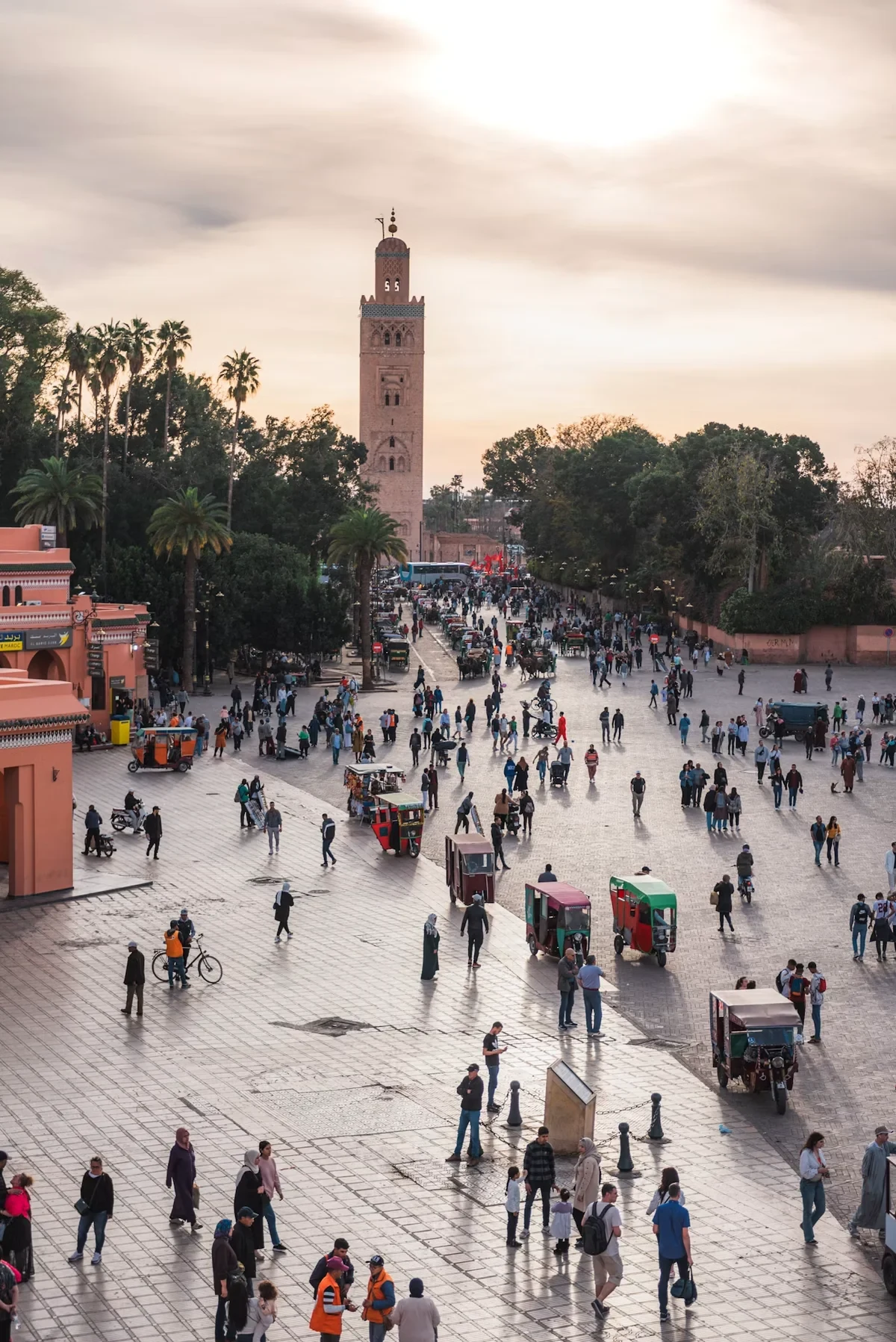
Storytellers, food stalls, music every evening
Best visited more than once — the square genuinely transforms between afternoon and after dark.
Explore Experiences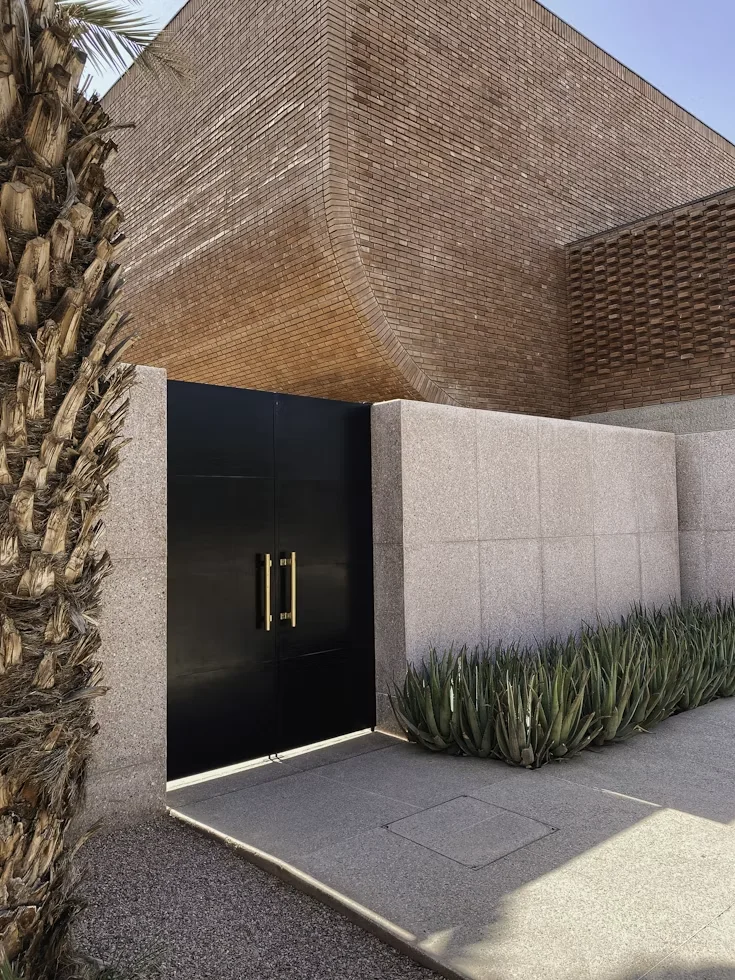
Dedicated to the designer's Marrakech legacy
Timed tickets are worth booking ahead, since the museum genuinely draws crowds.
Explore Experiences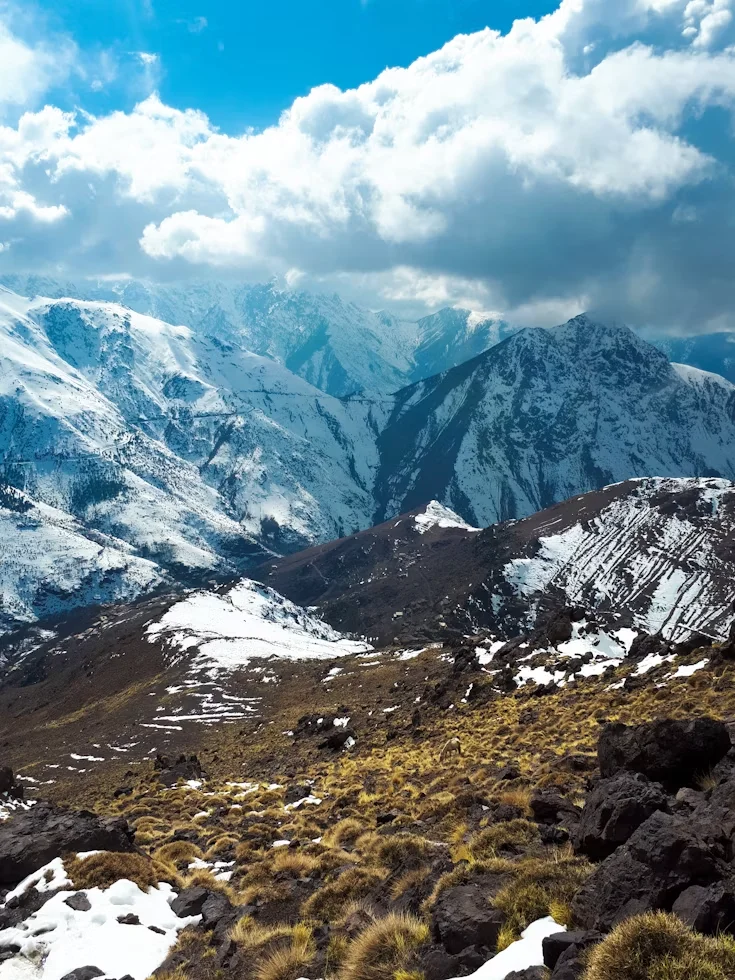
Berber villages an hour from the city
Best arranged as a guided day trip, since the mountain roads and village visits benefit from local knowledge.
Explore ExperiencesJemaa el-Fna Square. The transformation between afternoon and night is genuinely dramatic, not just busier — daytime brings orange juice stalls and snake charmers, while after dark the square fills with food stalls, musicians, and storytellers continuing traditions that earned its UNESCO recognition, making a single visit genuinely insufficient to see both versions of the same space.
Musée Yves Saint Laurent. The designer's connection to Marrakech is genuine biography, not branding — Saint Laurent maintained a home and the adjacent Jardin Majorelle here for decades, and the museum's location is a direct result of that real, lasting relationship with the city.
Atlas Mountains Day Trip. Berber villages in the foothills offer a genuinely different pace and culture from the medina — a local guide's knowledge of mountain roads and village etiquette adds real value here beyond convenience, since navigating independently can mean missing the cultural context that makes the visit worthwhile.
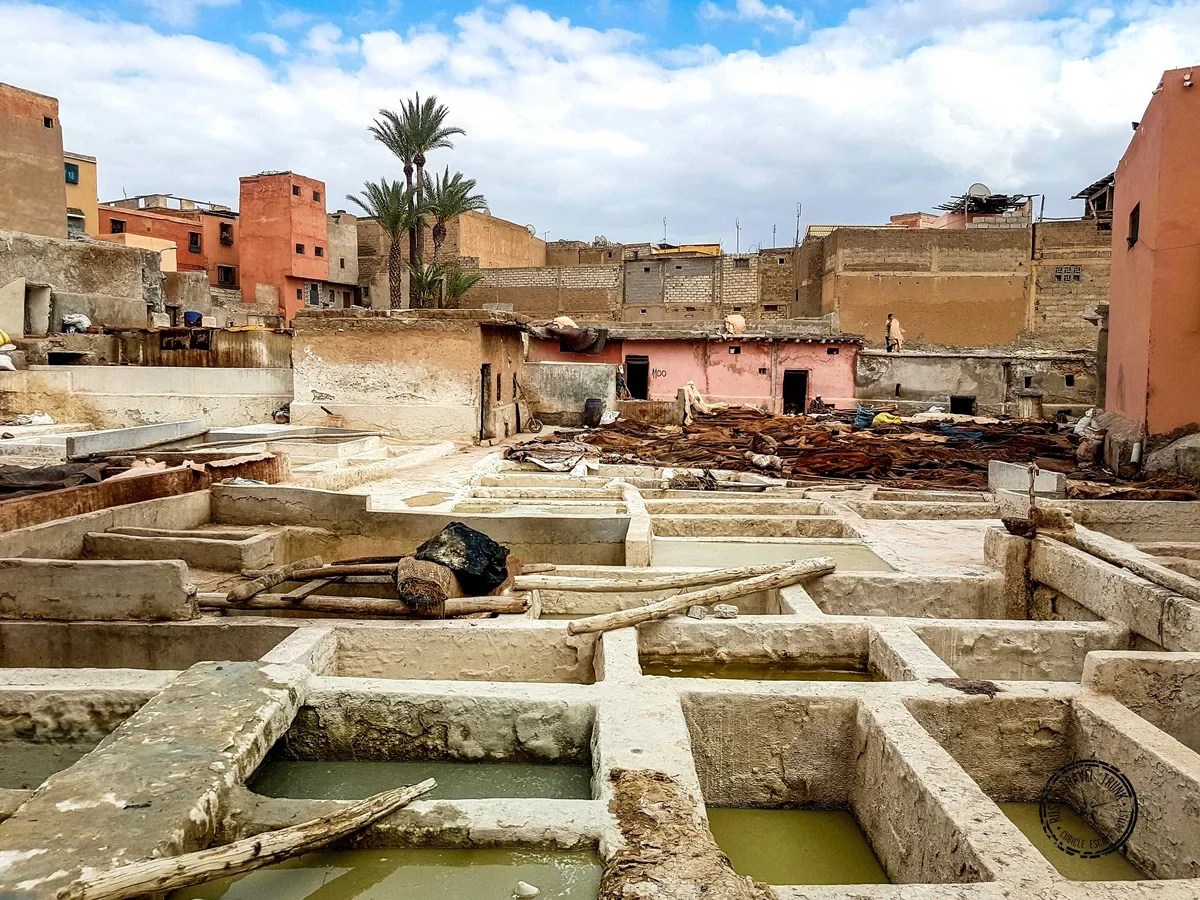
Traditional leather-dyeing, before crowds and heat
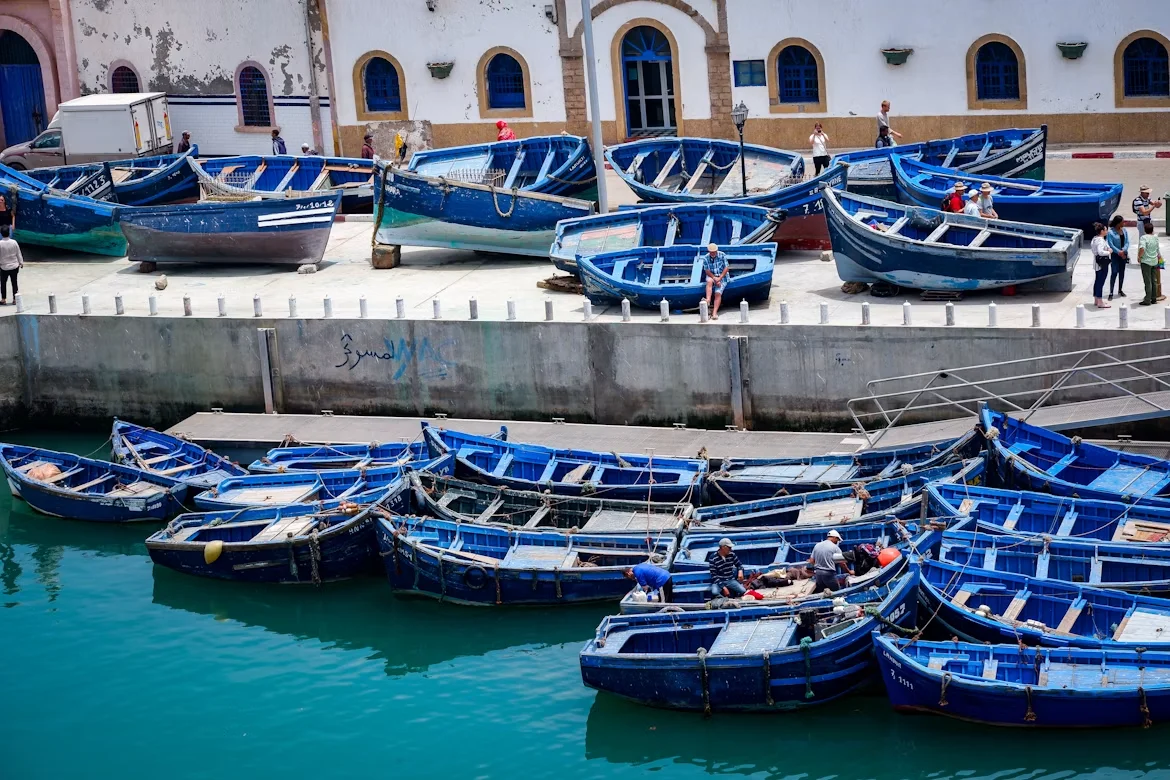
A laid-back walled port town
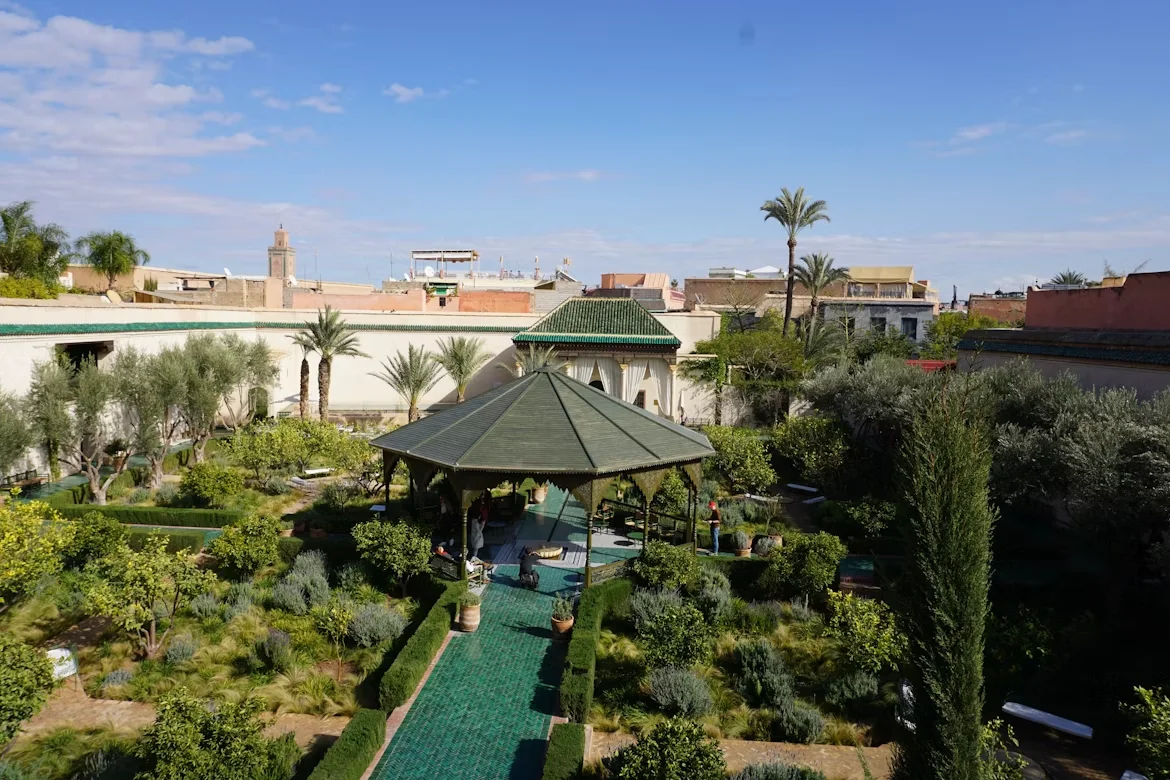
A restored courtyard garden most tourists miss
The Tanneries at Dawn. Traditional leather-dyeing here uses methods largely unchanged for centuries — worth knowing honestly that the process involves genuinely strong odors, which is exactly why an early visit, before both crowds and the day's heat intensify the smell, is the better time to go.
Essaouira Day Trip. This walled Atlantic port town carries real Portuguese colonial fortification history, and its consistent coastal winds have made it a genuine windsurfing destination — a completely different register from Marrakech's inland desert heat, reachable as a full day trip.
Le Jardin Secret. A restored courtyard garden following traditional Islamic garden design principles — geometric water channels, symbolic plantings — genuinely less visited than Jardin Majorelle despite comparable historic and horticultural significance.

Traditional architecture, modern comforts
A rooftop pool inside a traditional riad is the rare combination of authentic architecture and genuine modern comfort.
Check Availability
Modern district, easy medina access
Gueliz offers an easier, more modern base while keeping the medina itself a short ride away.
Check Availability
Simple, central, steps from Jemaa el-Fna
A simple, central guesthouse steps from the main square costs a fraction of a hotel stay.
Check AvailabilityMedina Riad with Rooftop Pool. Combining a traditional riad's historic architecture with a genuine rooftop pool is a real, relatively recent renovation trend — older riads weren't built with plumbing for elevated pools, so this specific combination usually means a carefully modernized property, not a compromise on authenticity.
Gueliz Boutique Hotel. Gueliz is Marrakech's genuinely modern "new city" district, built during the French colonial period — staying here trades a bit of medina immersion for wider streets, easier vehicle access, and a more contemporary urban feel, a real trade worth considering for a first visit specifically.
Medina Guesthouse. Proximity to Jemaa el-Fna at guesthouse pricing is a genuine value proposition specific to how the medina's real estate works — small, family-run guesthouses often occupy the same central alleys as far more expensive riads, simply with fewer rooms and less renovation investment.
From square-side food stalls to rooftop dining, both ends reward exploring.
Tagine, grilled meats, fresh orange juice at communal tables.
Traditional multi-course meals in restored historic homes.
The newer city district's contemporary scene.
Jemaa el-Fna Food Stalls. Tagine — both the dish and the cone-shaped clay vessel it's slow-cooked in — is genuinely central to Moroccan home cooking, not a tourist-menu simplification, and eating it at the square's communal tables alongside locals is closer to how it's actually eaten than a plated restaurant version.
Rooftop Courtyard Restaurants. Traditional multi-course riad dining genuinely reflects real Moroccan hospitality customs — multiple small dishes served in sequence, often finishing with mint tea poured from height, a real ritual rather than a staged presentation.
Modern Moroccan-French Fusion. Gueliz's contemporary dining scene reflects the district's own French-colonial-era origins and Marrakech's growing international culinary influence — genuinely distinct from the medina's traditional food culture, worth exploring as its own register rather than a lesser version of "authentic" Marrakech dining.
Riad rooftop bars and lounges rather than a nightclub circuit.
Souks and horse-drawn carriage rides — pace it with rest breaks from the heat.
Rooftop bars over clubs. This isn't just aesthetic preference — alcohol licensing in Morocco is genuinely more accessible to hotels and riads than standalone venues, which is part of why Marrakech's evening scene concentrates around rooftop lounges rather than a conventional nightclub circuit.
Engaging for curious kids. The souks and horse-drawn carriage rides genuinely appeal to children's curiosity, but Marrakech's real heat and sensory intensity — crowds, noise, smells — can be genuinely tiring for younger travelers, making built-in rest breaks a practical necessity, not just a nice-to-have.
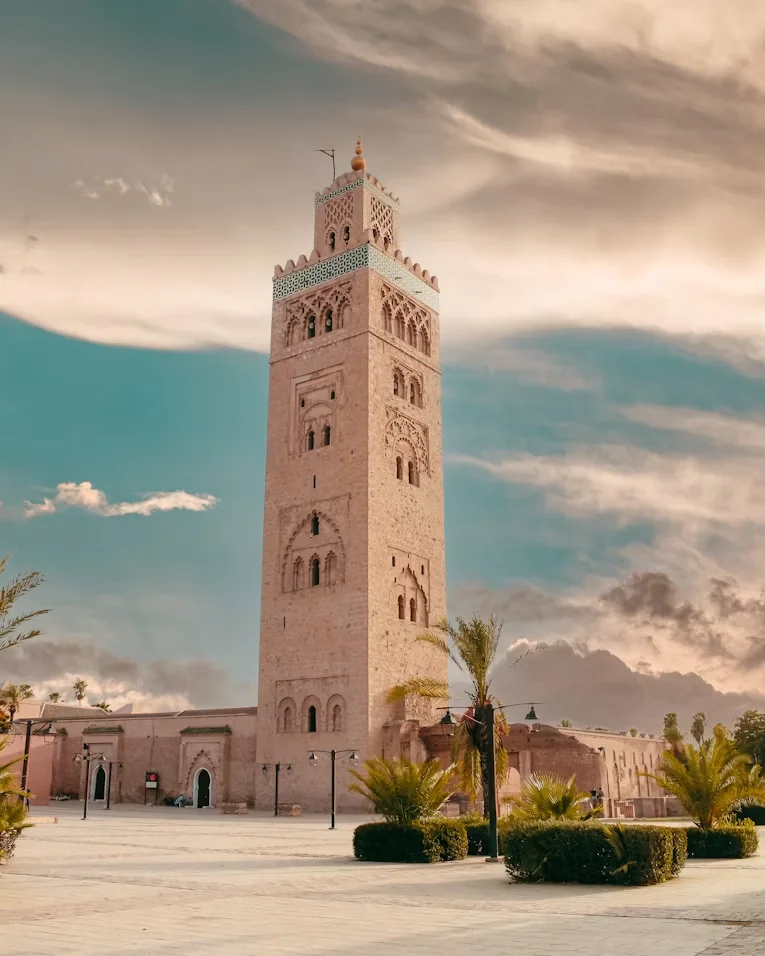
The city's tallest minaret, best at dusk
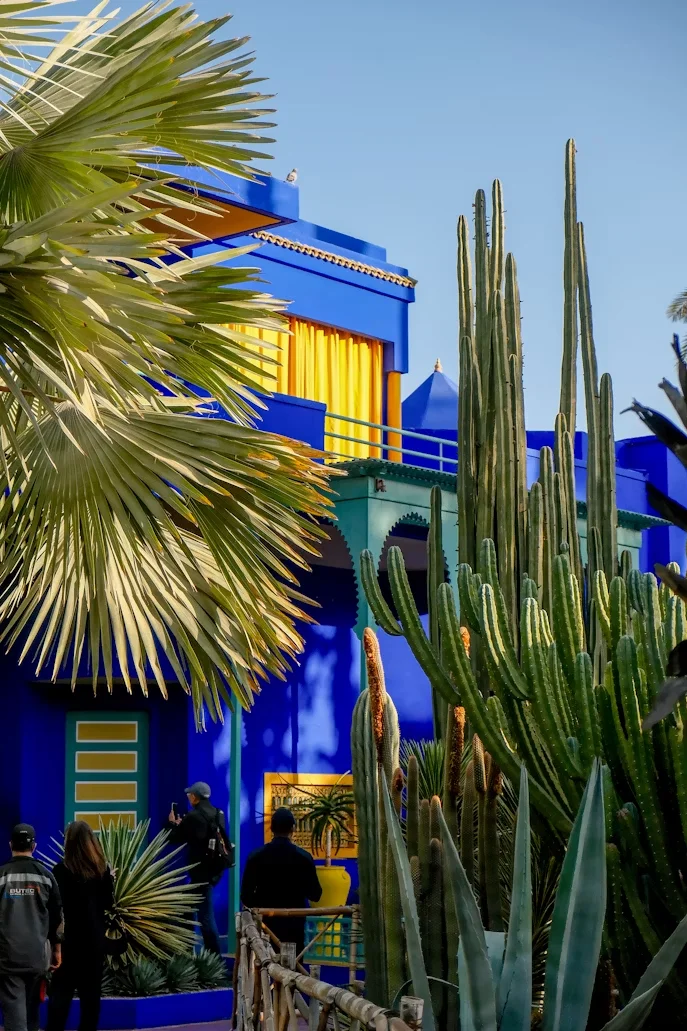
One of the most photographed gardens in Africa
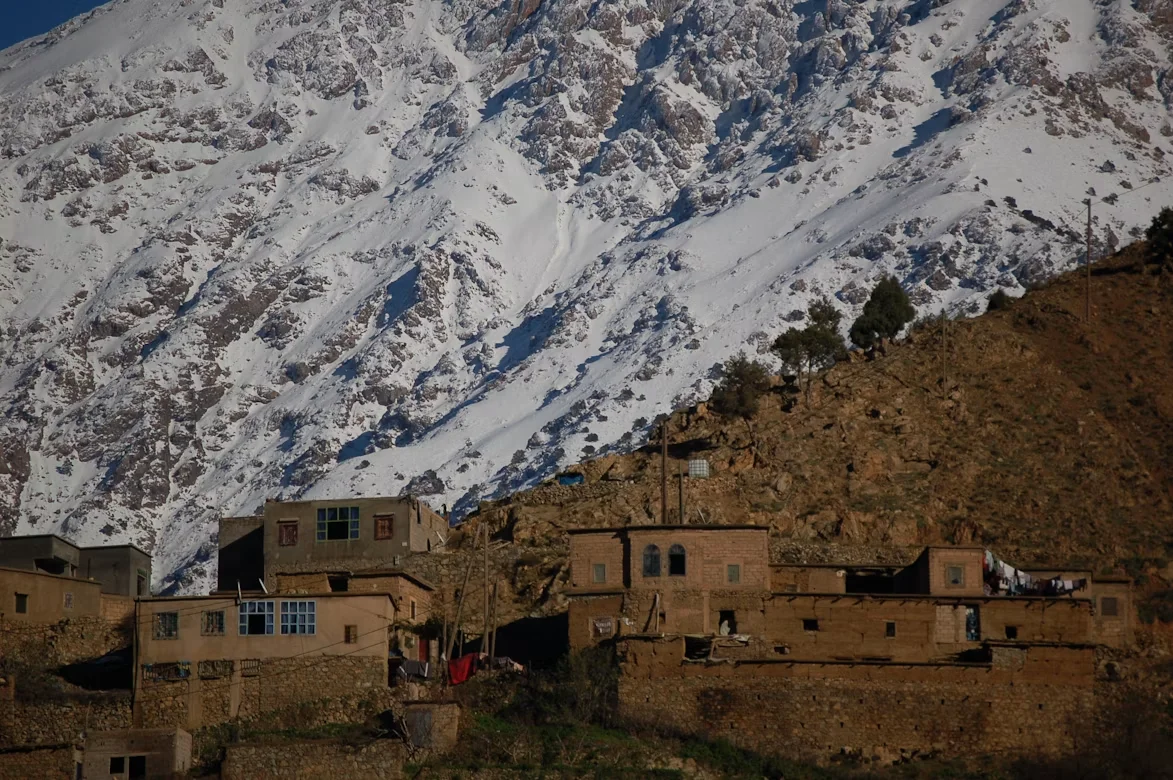
Snow-capped peaks above red desert foothills
Koutoubia Mosque. As the city's tallest minaret and a genuine architectural reference point for Marrakech's skyline, dusk light against its sandstone facade is when the structure's warm tones show most dramatically — worth timing around the call to prayer, when the surrounding area often becomes genuinely quieter.
Jardin Majorelle's Blue Walls. The specific vivid blue used throughout the garden is named "Majorelle Blue" after French painter Jacques Majorelle, who created the garden in the 1920s and mixed the color himself — Yves Saint Laurent later preserved and expanded the property, the same connection covered in Attractions.
Atlas Mountains Overlooks. The contrast between snow-capped peaks and red desert foothills is most visible on genuinely clear days, typically better in cooler months before summer haze builds up over the mountains.
Comfortable walking shoes. The medina's uneven, sometimes cobbled alleys genuinely reward real walking shoes over fashion footwear — hours of exploration on this terrain is harder on unprepared feet than it might look in photos.
Sandals for riad courtyards. Many riads expect shoes off indoors, following local custom — sandals make this transition easy rather than fumbling with laces every time you enter.
Lightweight, modest clothing. This serves two genuine purposes at once — modest coverage respects local custom, while lightweight, breathable fabric actually matters given how hot Marrakech gets, particularly outside the spring and autumn windows.
A scarf for sun or dust. Genuinely versatile here — sun protection at midday, dust protection on windier days, and a quick modesty layer for mosque visits, all from one packed item.
Cash (dirhams). As covered in Practical Information, souks and smaller vendors genuinely run on cash — cards are far less reliably accepted here than in riads or larger restaurants.
Power adapter (Type C/E). Morocco uses the European-style round two-pin socket, worth confirming against your home country's plug type before departure.
3–4 days covers the city well, with an optional extra day or two for the Atlas Mountains or desert.
Yes, including solo women, though the medina's persistent vendor attention takes some getting used to.
For spring and autumn peak season, 2–3 months ahead is wise. Summer has far more availability.
Lightweight modest clothing, comfortable shoes for uneven medina streets, and a scarf for sun or dust.
How many days do I actually need? The 3-4 day figure covers the medina's core sights at a genuinely comfortable pace — adding the Atlas Mountains or a desert overnight extends this meaningfully, since those trips consume most of a full day each way.
Is it safe for solo travelers? Yes, including solo women — Marrakech has a well-established, safe tourism infrastructure. The main adjustment most solo travelers describe is simply getting comfortable with persistent souk vendor attention, covered in Safety above, which is a social friction, not a genuine danger.
Do I need to book a riad far in advance? Only really matters for the spring and autumn peak windows specifically — booking 2-3 months ahead protects against the tightest availability, while summer's lower demand means far more flexibility closer to travel dates.
What should I pack? The reasoning behind each specific item — including why a scarf earns a spot for three completely different uses — is covered in the Packing section above.
Get the complete Marrakech guide as a beautifully designed, offline-ready PDF — every section organized for actual use in the field, plus a full packing checklist.
Turn your research into a trip designed around your actual dates, budget, and travel style — planned by a person, not a form.
EXPLORE GOATLAS CONSULTATIONSGenuinely recommended places to stay and eat, not filler — booked through our trusted travel partners.
Book hotels, flights, tours, airport transfers, travel insurance, and car rentals through GoAtlas's trusted global travel partners — all in one place.
Explore Trusted Travel PartnersA GoAtlas travel expert can build your full Marrakech itinerary around your dates and budget.