
Western Europe · France
Paris, France
48.8566° N, 2.3522° E
Grand boulevards, world-class museums, and a café culture built for slowing down — Paris rewards wandering as much as sightseeing.
Grand boulevards, world-class museums, and a café culture built for slowing down — Paris rewards wandering as much as sightseeing.
Paris rewards travelers who plan less and wander more — the city's arrondissements are dense enough that some of the best moments happen between the official stops, not at them. Most visitors base centrally and cover the city on foot and by metro, splitting time between the major museums and the neighborhood cafés that don't make it into guidebooks.
The Seine roughly divides the city into two halves with distinct personalities — the Right Bank's grandeur and the Left Bank's bohemian, academic feel — and crossing between them is part of the experience, not just a commute.
Paris has been a center of art, philosophy, and political upheaval for centuries, from the French Revolution to the birth of Impressionism. That density of history is why so much of the city — not just its museums — feels like a living exhibit, from Haussmann's 19th-century boulevards to the medieval streets that survived them.
Paris's wide boulevards are genuinely the result of a real, deliberate 19th-century renovation. Baron Haussmann's renewal under Napoleon III demolished much of the old medieval street layout — driven by real sanitation and political control motivations as much as aesthetics — creating the grand avenues most visitors now associate with the city's character.
The 20 arrondissements genuinely spiral outward from the center in a real, distinctive clockwise pattern, often compared to a snail shell. A real, unusual urban numbering system shapes how Parisians themselves describe location.
The Seine genuinely does more than divide the city geographically. The Right Bank's real grandeur and the Left Bank's real bohemian, academic character reflect centuries of distinct historical development on each side, not just a river crossing.
Paris has a genuine off-season lull, unlike many major capitals — worth taking advantage of.
Mild weather, blooming parks, and the crowds haven't peaked yet.
Warm and busy, though many locals leave the city in August.
Comfortable temperatures and some of the best light of the year.
Apr-Jun, Spring. Mild weather and blooming parks make this genuinely one of the best windows, before real peak summer crowds arrive.
Jul-Aug, Summer. Warm and busy, though genuinely many Parisians leave the city in August specifically — a real, well-known cultural pattern where some smaller restaurants and shops actually close for the month, worth knowing if a specific neighborhood spot matters to your plans.
Sep-Oct, Autumn. Comfortable temperatures and genuinely some of the best light of the year — a real, often-overlooked window between summer crowds and winter cold.
Cards accepted almost everywhere; contactless is standard.
Many nationalities enter visa-free for up to 90 days — verify your specific requirements.
The metro covers the whole city efficiently; a multi-day pass is usually worth it.
An EU-wide eSIM covers Paris and any day trips reliably.
A simple "Bonjour" when entering a shop is expected and appreciated.
Tap water is safe; healthcare standards are high.
Currency & Money. Cards are genuinely accepted almost everywhere, with contactless payment the real, standard method.
Visa. Schengen rules genuinely apply — many nationalities enter visa-free for up to 90 days, worth verifying against your specific passport.
Transportation. The Paris Metro genuinely opened in 1900, one of the world's oldest systems — still real, efficient coverage across the entire city today, making a multi-day pass worth it for most visits.
Local Customs. Saying "Bonjour" when entering a shop is genuinely expected, not optional politeness — skipping this real, small greeting can come across as rude in a way visitors often don't realize.
Museum Pass. Given genuinely high individual entry costs covered in Budget, a multi-day pass often works out as real, meaningful savings if visiting several major sites.
Paris is generally safe for travelers — standard city precautions apply around pickpocketing in tourist-heavy areas and on the metro, especially around major attractions.
Paris is generally safe for travelers. Pickpocketing near major attractions and on the metro is genuinely the real, most common issue — standard awareness in crowded tourist areas covers the realistic risk.
Paris can flex widely — museum passes and picnic lunches keep it affordable; the wrong restaurant choices push it up fast.
| Item | Budget | Mid-range | Luxury |
|---|---|---|---|
| Lodging (per night) | $50 – $100 | $150 – $300 | $400 – $1,200+ |
| Food (per day) | $25 – $40 | $50 – $90 | $120 – $300 |
| Local transport (per day) | $10 (metro pass) | $10 (metro pass) | $60+ (private driver) |
| Museum & entry fees | $15 – $30 | $30 – $60 | $60 – $150 |
| Eurostar/flight (in/out) | $60 – $100 | $100 – $200 | $300+ |
Why Paris genuinely can flex so widely in daily cost. Museum passes and picnic lunches from a market, covered in Eat, keep real costs down, while the wrong restaurant choices — particularly tourist-area spots near major sites — can push spending up fast without necessarily improving the meal.
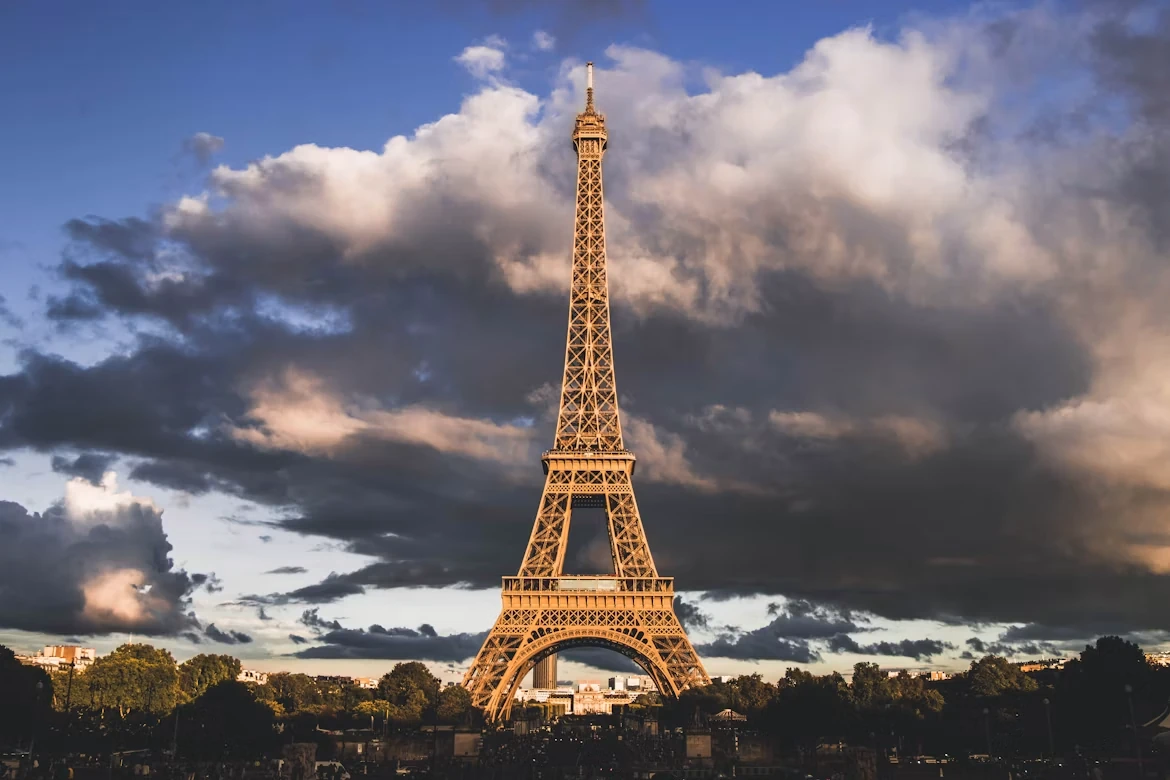
Best viewed (and photographed) from Trocadéro
Best photographed from Trocadéro — genuinely the classic, most reliable viewpoint.
Explore Experiences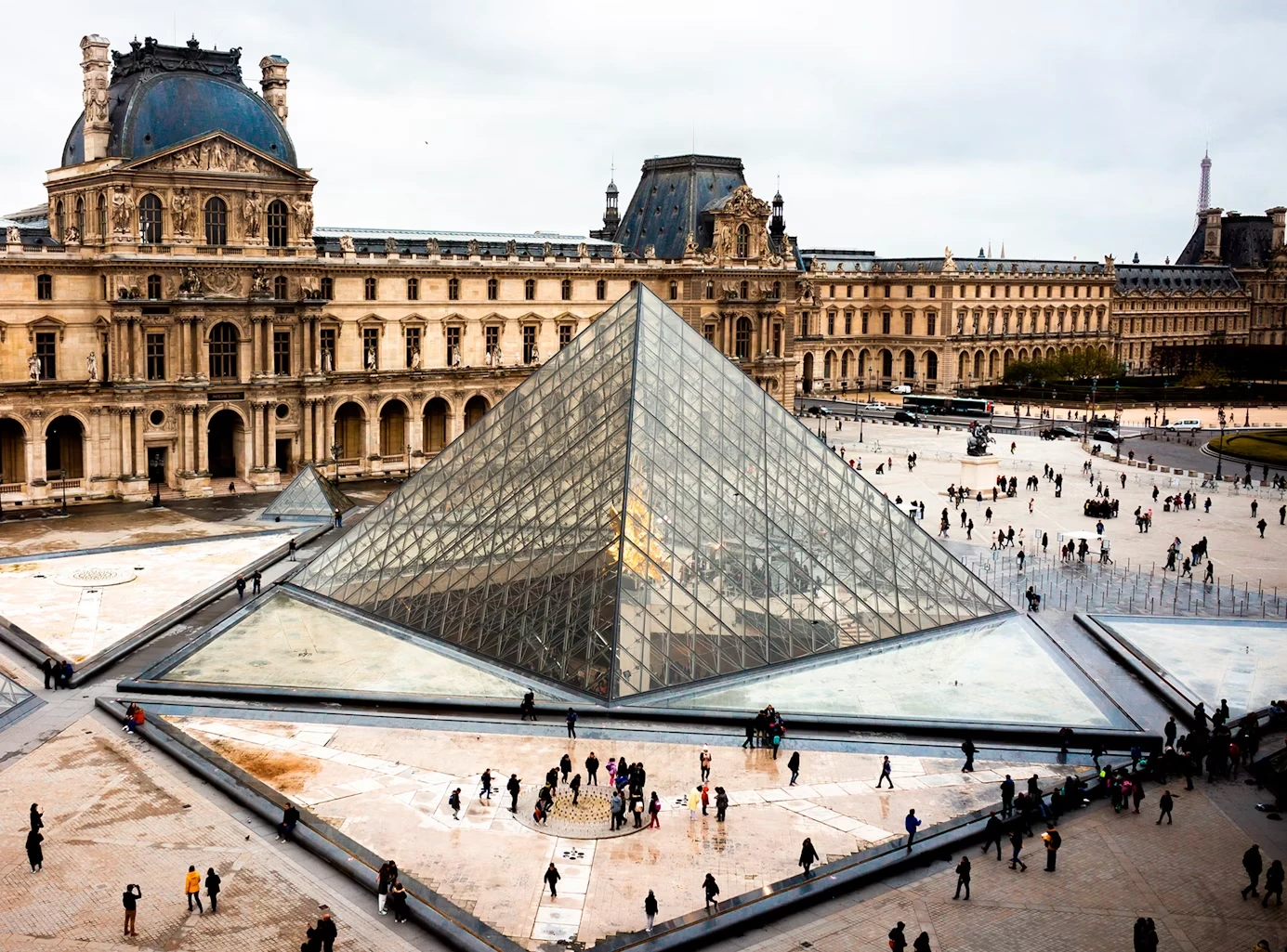
Book timed entry — the world's most-visited museum
Timed entry is genuinely essential — this is the world's most-visited museum.
Explore Experiences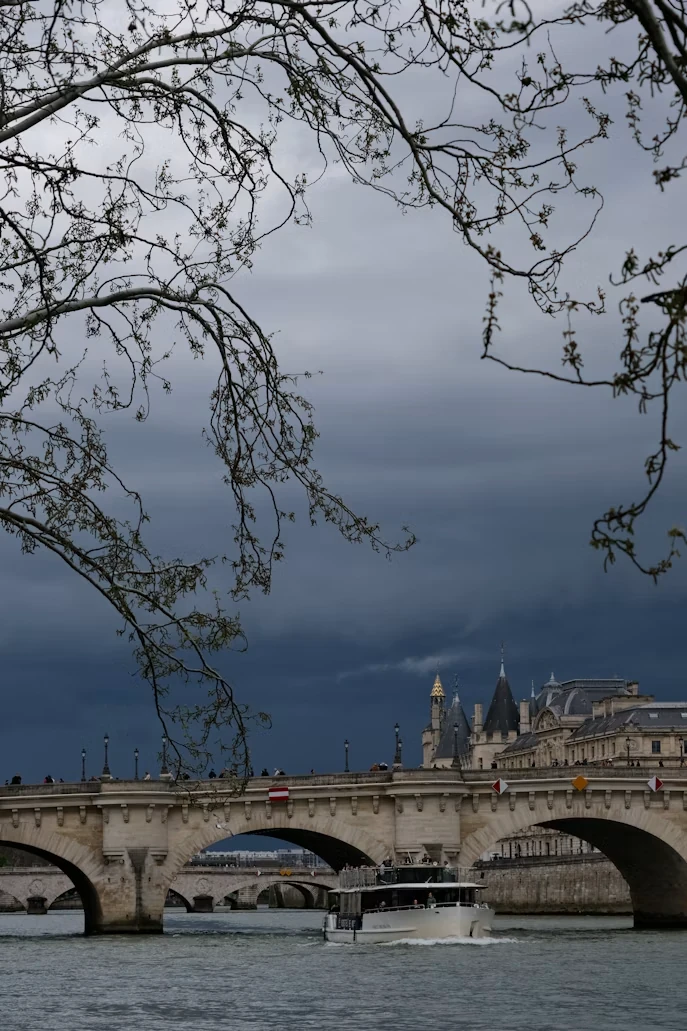
The historic heart of the city, still being restored
Still being restored, though the surrounding Île de la Cité is genuinely worth the walk regardless.
Explore ExperiencesThe Eiffel Tower. Built for the 1889 World's Fair, it was genuinely intended as a temporary structure, meant to be dismantled after 20 years — real, prominent artists and writers of the era actually petitioned against it, a controversial start for what's now Paris's defining landmark.
The Louvre. I.M. Pei's glass pyramid entrance was genuinely controversial when unveiled in 1989, criticized by some as clashing with the historic palace — now itself a real, iconic part of the museum's identity, alongside its status as the world's most-visited museum.
Notre-Dame & Île de la Cité. The cathedral is genuinely still being restored following the real 2019 fire — the surrounding Île de la Cité, the historic heart of the city, remains genuinely worth the walk regardless of the cathedral's current restoration status.
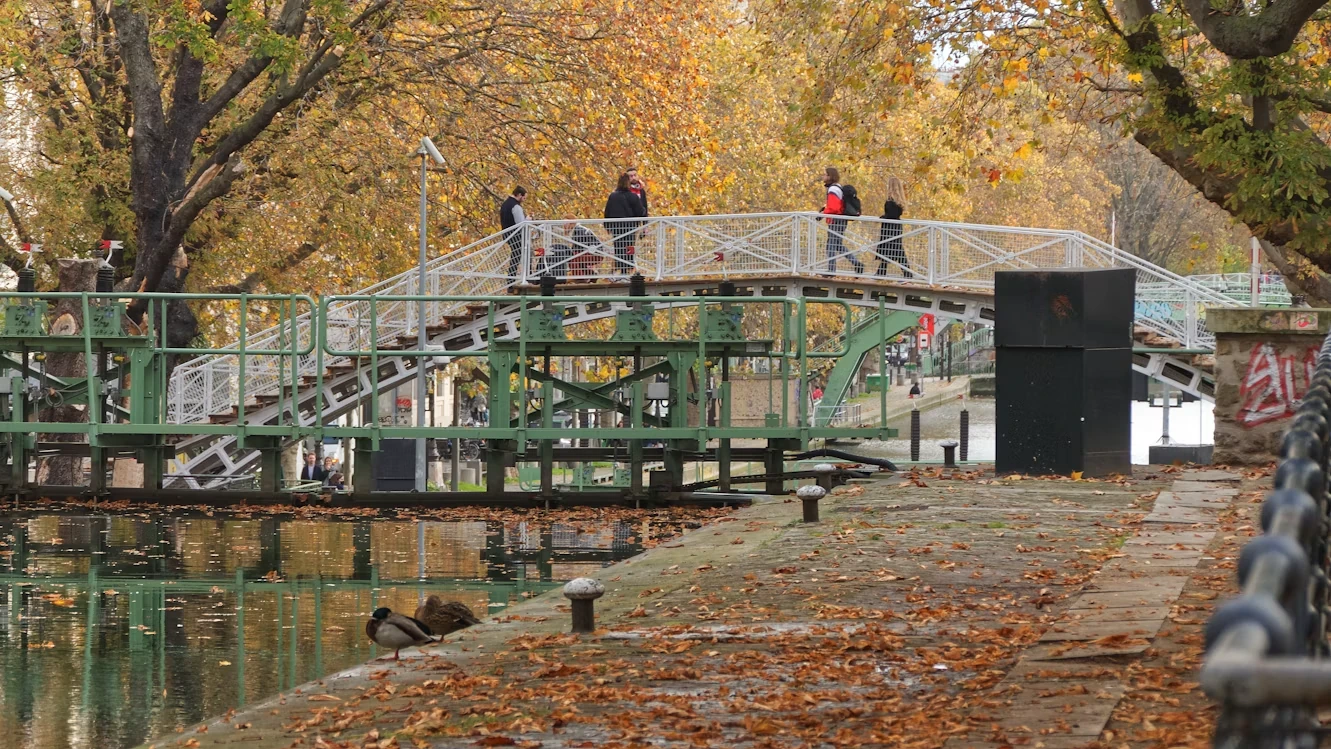
A local, laid-back stretch far from the crowds
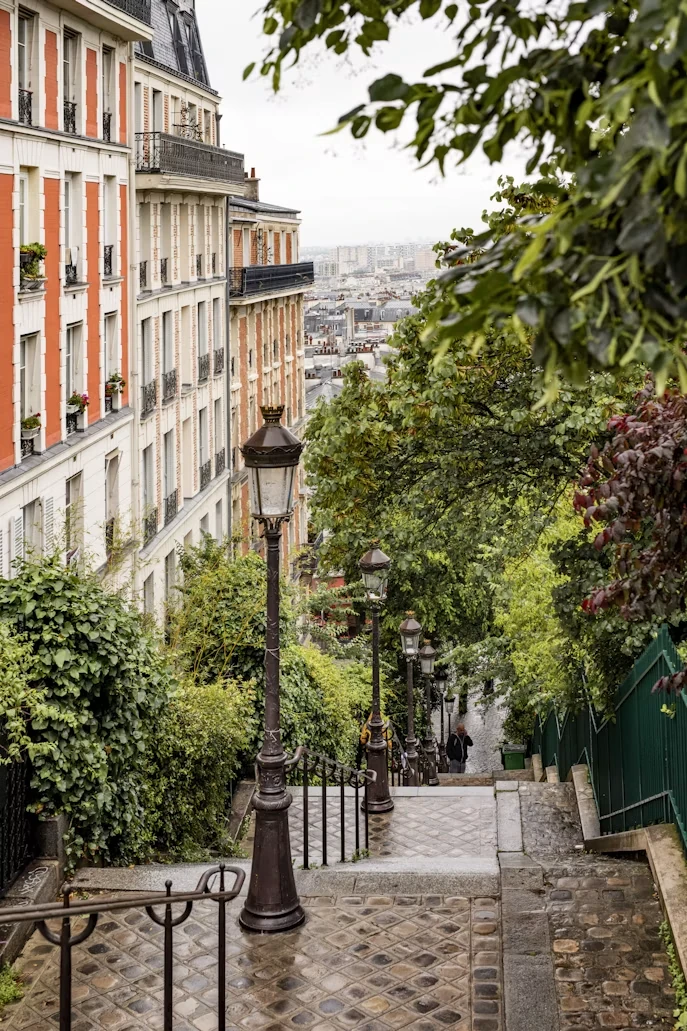
Away from Sacré-Cœur's main tourist path
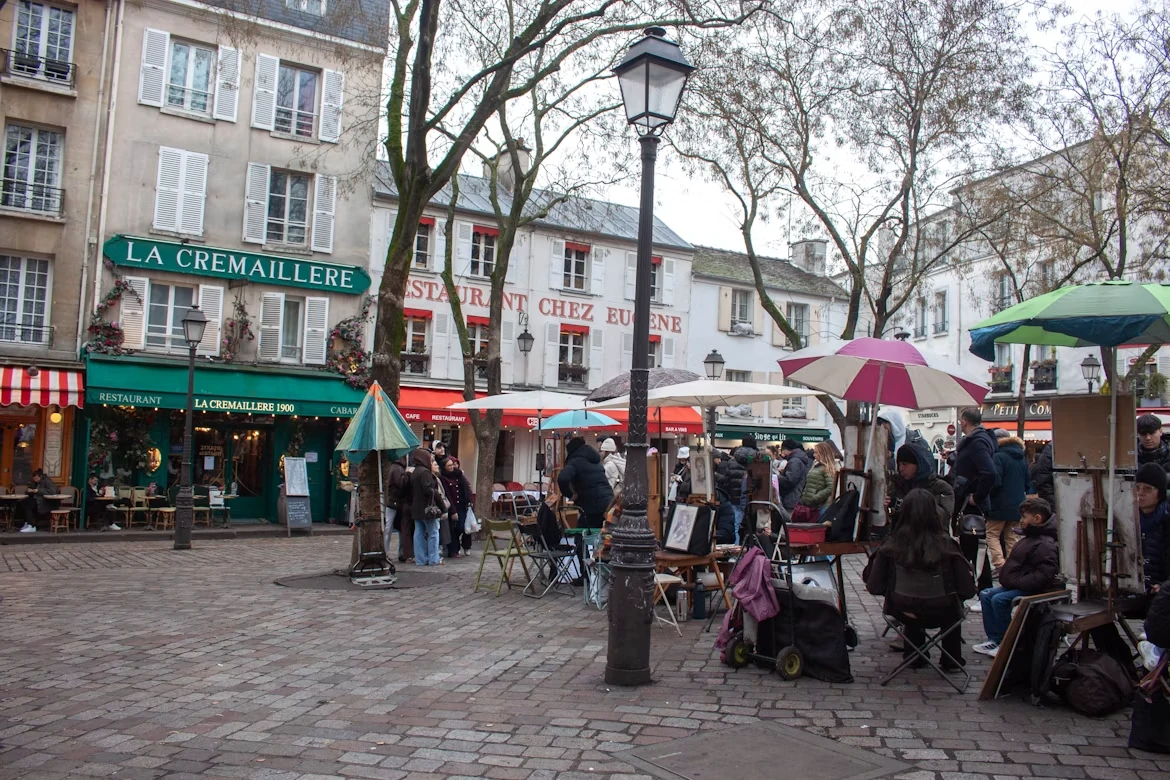
Paris's oldest covered market, still a locals' spot
Canal Saint-Martin. This genuinely local, laid-back stretch gained real international recognition partly through its appearance in the film Amélie — a real, still-authentic neighborhood feel despite that visibility.
Montmartre's Back Streets. Away from Sacré-Cœur's main tourist path, these genuinely quieter streets carry real history as a former artist colony, once home to Picasso and Renoir among others.
Marché des Enfants Rouges. Dating to 1615, this is genuinely Paris's oldest covered market — still a real, functioning locals' spot rather than a preserved tourist curiosity.

Classic Haussmannian details, walkable to everything
Classic Haussmannian details, genuinely walkable to everything most first visits are built around.
Check Availability
Central, stylish, easy metro access
Central and stylish, genuinely easy metro access to the rest of the city.
Check Availability
Sociable, budget-friendly, near Canal Saint-Martin
Sociable and budget-friendly, genuinely well-located near Canal Saint-Martin.
Check AvailabilityLeft Bank Boutique Suite. Given the genuine Left Bank character covered in Overview, classic Haussmannian details here offer real, walkable access to most first-visit sights.
Marais District Hotel. Central and stylish, with genuinely easy metro access, covered in Practical Information, to the rest of the city.
Canal-Side Hostel. Given the genuine neighborhood character covered in Hidden Gems, this offers a real, sociable, budget-friendly base near Canal Saint-Martin.
Paris's café culture is as much a part of the food scene as its Michelin-starred kitchens.
Steak frites and onion soup at family-run spots off the main squares.
Quick, cheap, and reliably good, especially in the Marais.
Book weeks ahead for the well-known names.
Neighborhood Bistros. Steak frites and onion soup at real, family-run spots off the main squares reflect genuine everyday Parisian dining, distinct from tourist-area restaurants near major attractions.
Crêpe & Falafel Stands. Crêpes genuinely originate from Brittany, adapted into real, quick Parisian street food — especially reliable in the Marais.
Michelin-Starred Tasting Menus. The Michelin Guide itself has a genuinely surprising origin — created by the tire company to encourage road trips (and tire sales) across France — now a real, globally trusted dining authority worth booking weeks ahead for well-known names.
Paris's evening scene leans toward wine bars and late dinners rather than a club circuit.
Parks, the Cité des Sciences, and boat rides on the Seine all work well with kids.
Wine bars over clubs. Paris's genuine evening scene leans toward wine bars and late dinners rather than a real club circuit — an honest expectation worth setting for anyone expecting a heavier nightlife scene.
Very family-friendly. Parks, the Cité des Sciences, and Seine boat rides all genuinely work well with kids, real substantive activities beyond the major museums.
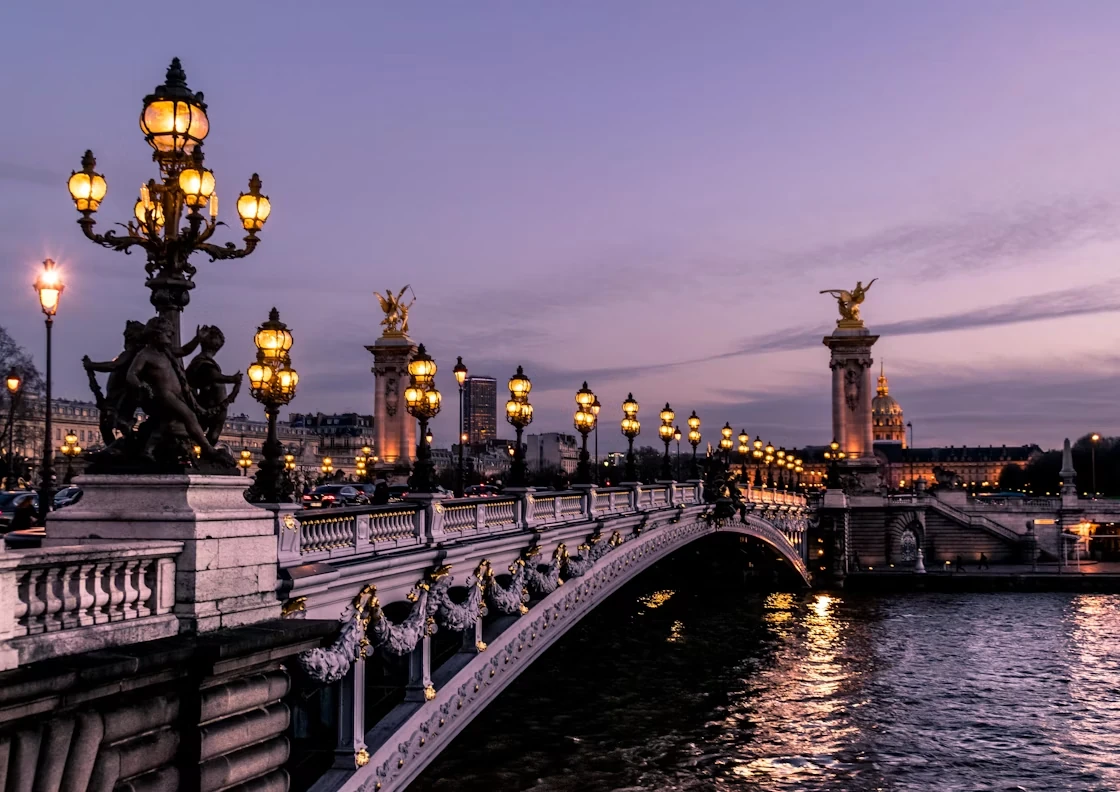
The city's most ornate bridge, best at dusk
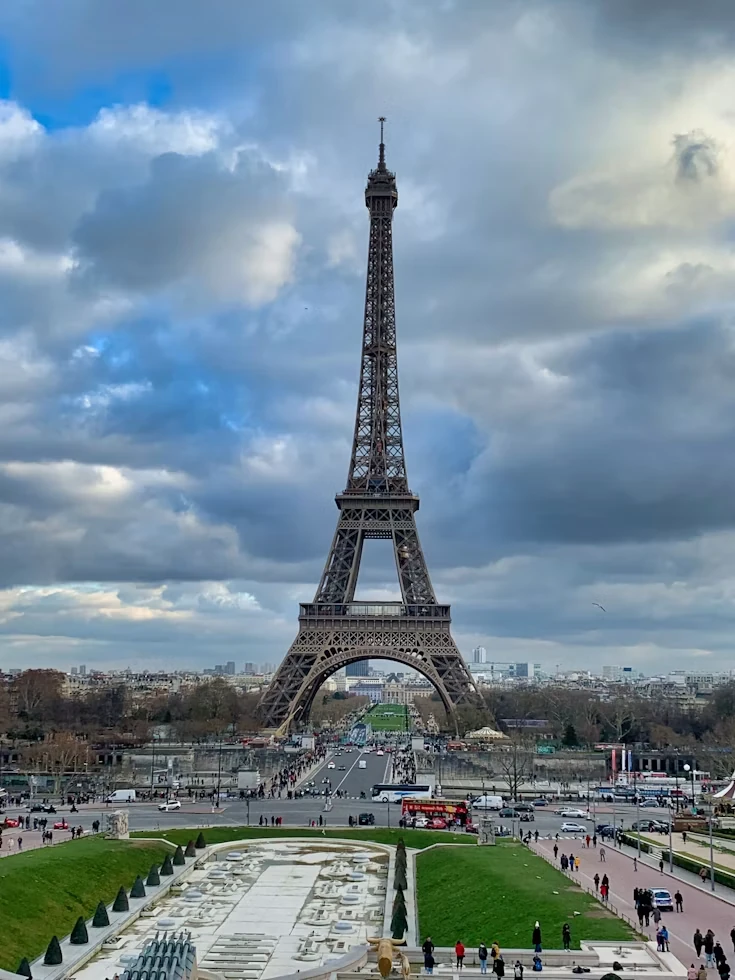
The classic postcard angle
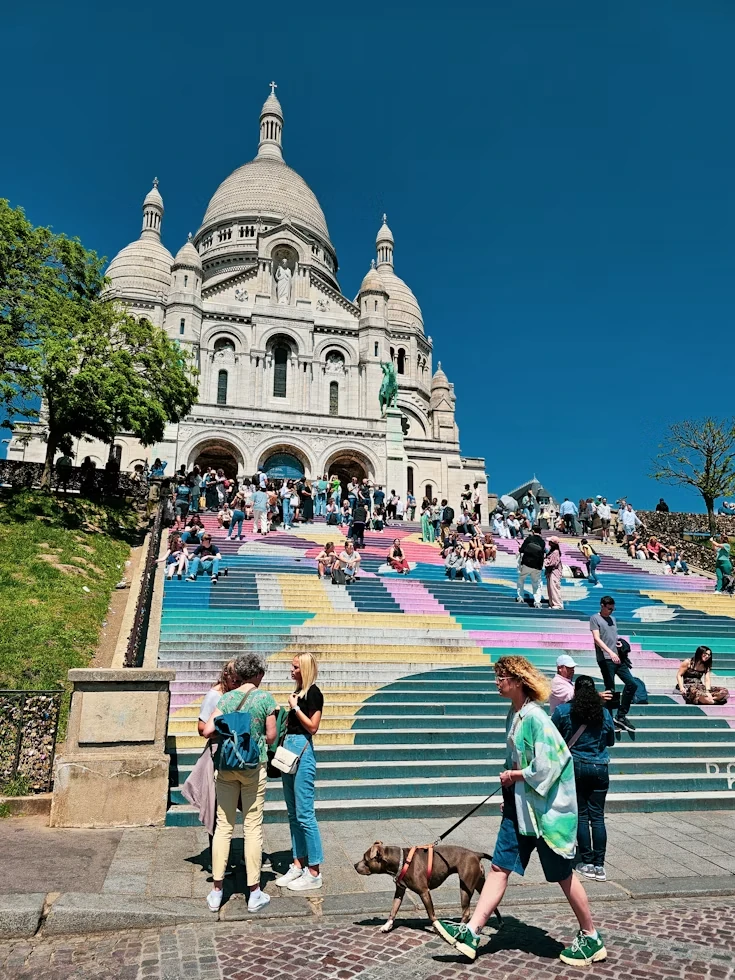
A sweeping view over the rooftops of Paris
Pont Alexandre III. Built for the 1900 World's Fair, this genuinely is the city's most ornate bridge — real gilded statues and Art Nouveau lamps that catch dusk light particularly well.
Trocadéro's Eiffel Tower View. Given the genuine tower history covered in Attractions, this remains the classic, most reliable postcard angle.
Sacré-Cœur's Steps. This genuinely offers a real, sweeping view over Paris's rooftops, distinct from the ground-level views elsewhere in the city.
Comfortable walking shoes. Given the genuine walking-heavy character covered in Overview, real footwear comfort matters more here than in more transit-reliant cities.
A smarter pair for dinner. Given genuine Parisian dining culture covered in Eat, having options beyond purely casual footwear helps for a nicer restaurant evening.
Layers for changeable weather. Given genuine seasonal variety covered in Weather, layers handle real day-to-evening shifts better than one jacket.
A neutral, put-together wardrobe. Parisian everyday style genuinely leans toward understated over flashy — packing with this in mind helps you blend in rather than stand out as an obvious tourist.
A crossbody bag for security. Given genuine pickpocket patterns covered in Safety, this real, practical choice reduces easy targets in crowded areas.
An umbrella. Given genuinely unpredictable rain year-round, this is a real, practical staple regardless of season.
4–5 days covers the major sights comfortably, with room for a day trip to Versailles.
Yes — Paris is well-suited to solo travel, with excellent public transport and a strong café culture that makes solo dining easy.
For the Louvre and Eiffel Tower, yes — timed entry tickets often sell out days or weeks ahead in peak season.
Comfortable but stylish shoes, layers for unpredictable weather, and a compact umbrella.
How many days do I actually need? 4-5 days genuinely covers the major sights comfortably, with real room for a day trip to Versailles.
Is it safe for solo travelers? Yes — Paris is genuinely well-suited to solo travel, with real excellent public transport and a strong café culture that makes solo dining easy and comfortable.
Do I need to book museums far in advance? For the Louvre and Eiffel Tower, yes — genuine timed entry tickets often sell out days or weeks ahead in peak season, covered in Attractions.
What should I pack? The reasoning behind each item — including why a neutral wardrobe genuinely helps you blend in here specifically — is covered in the Packing section above.
Get the complete Paris guide as a beautifully designed, offline-ready PDF — every section organized for actual use in the field, plus a full packing checklist.
Turn your research into a trip designed around your actual dates, budget, and travel style — planned by a person, not a form.
EXPLORE GOATLAS CONSULTATIONSGenuinely recommended places to stay and eat, not filler — booked through our trusted travel partners.
Book hotels, flights, tours, airport transfers, travel insurance, and car rentals through GoAtlas's trusted global travel partners — all in one place.
Explore Trusted Travel PartnersA GoAtlas travel expert can build your full Paris itinerary around your dates and budget.