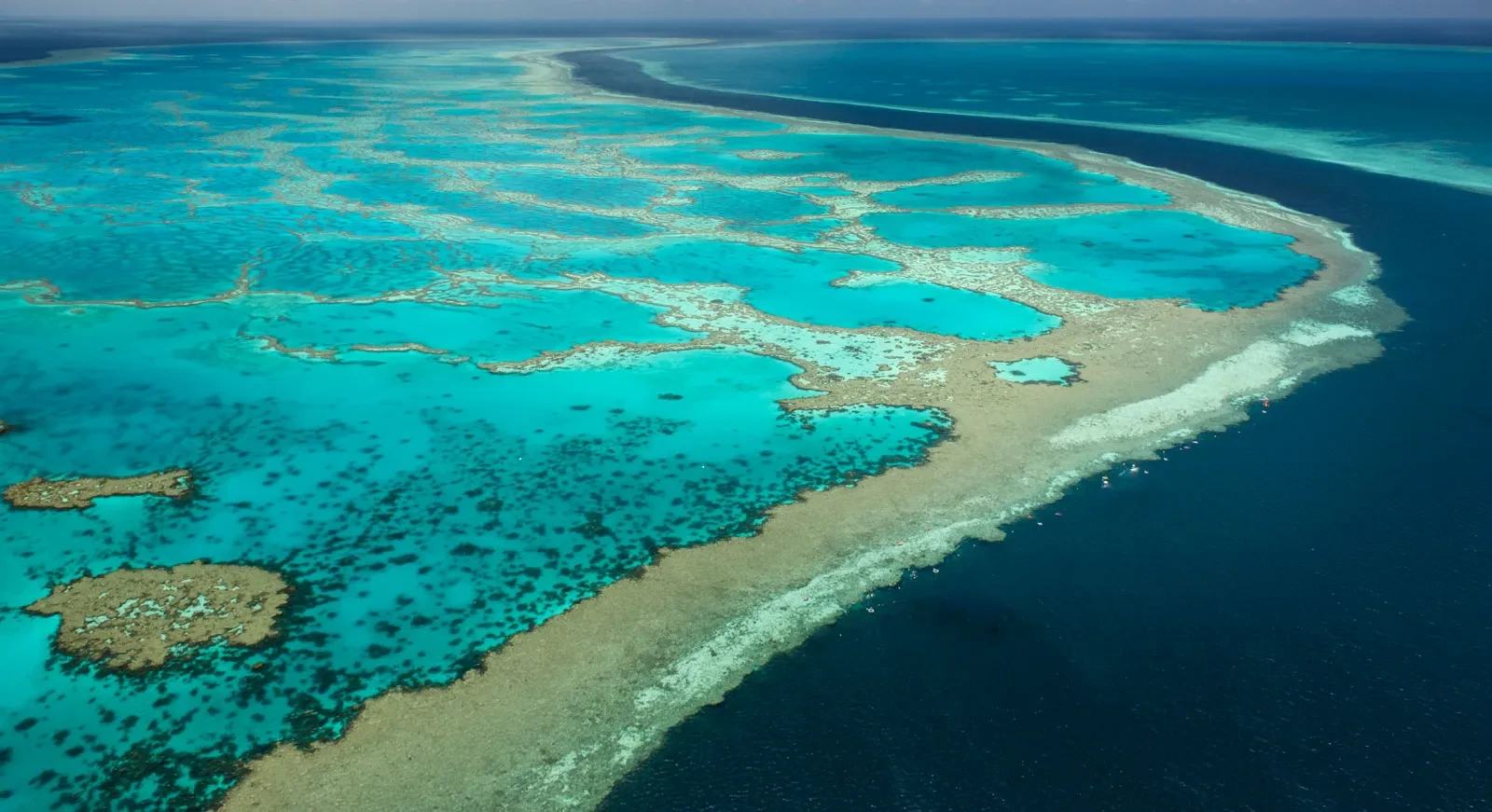
The single biggest mistake first-time reef visitors make happens before they've even gotten in the water: picking a boat based on price or convenience rather than where it's actually going. The reef spans over 2,300 kilometers, and "diving the Great Barrier Reef" can mean wildly different experiences depending on which stretch of it you end up on.
The reef closest to shore usually isn't the best reef
Day-trip boats departing from the most convenient, closest access points are often visiting reef sections that have seen more boat traffic and more visible wear over the years. The outer reef — a longer boat ride, sometimes involving an early departure — tends to have noticeably better coral health and visibility. If diving quality genuinely matters to you over convenience, it's worth the extra hour on the water.
"We nearly booked the cheapest, closest option, and the operator we ended up with talked us out of it — the reef forty minutes further out was a different world."
You don't need to be certified to see something extraordinary
Introductory dives, done with an instructor directly alongside you the entire time, require no prior certification and still get you genuinely deep enough to experience real reef structure, not just a snorkel-depth glimpse. If getting certified beforehand feels like a barrier to going at all, know that it isn't actually a requirement for a meaningful first dive.
Visibility is a real variable, and nobody controls it
Rain, wind, and recent weather all affect how far you can actually see underwater on any given day, and no operator can promise conditions in advance. A dive with so-so visibility is still worth doing — but if you're building an entire trip around reef photography specifically, building in a couple of days' flexibility rather than one fixed dive date meaningfully improves your odds of a clear day.
Reef-safe sunscreen isn't optional, and it's often checked
Many operators now specifically require reef-safe sunscreen before you're allowed in the water, and it's genuinely worth using regardless of whether it's enforced — some common sunscreen chemicals are directly harmful to coral. Buy it before the boat, not on it, since selection on board tends to be limited and marked up.
Seasickness is more common than people expect, and easy to prevent
The boat ride out, especially to outer reef sites, can be genuinely rough on a windy day. Taking motion sickness medication before you feel anything — not after — makes a real difference, and it's a common enough issue that most operators sell it on board as a matter of course.
For where to stay and how to plan the rest of a Queensland coast trip, see our Great Barrier Reef destination guide.



Want help choosing the right reef operator for your trip? The GoAtlas team can match the boat to what you actually want to see.
Speak with the GoAtlas Team