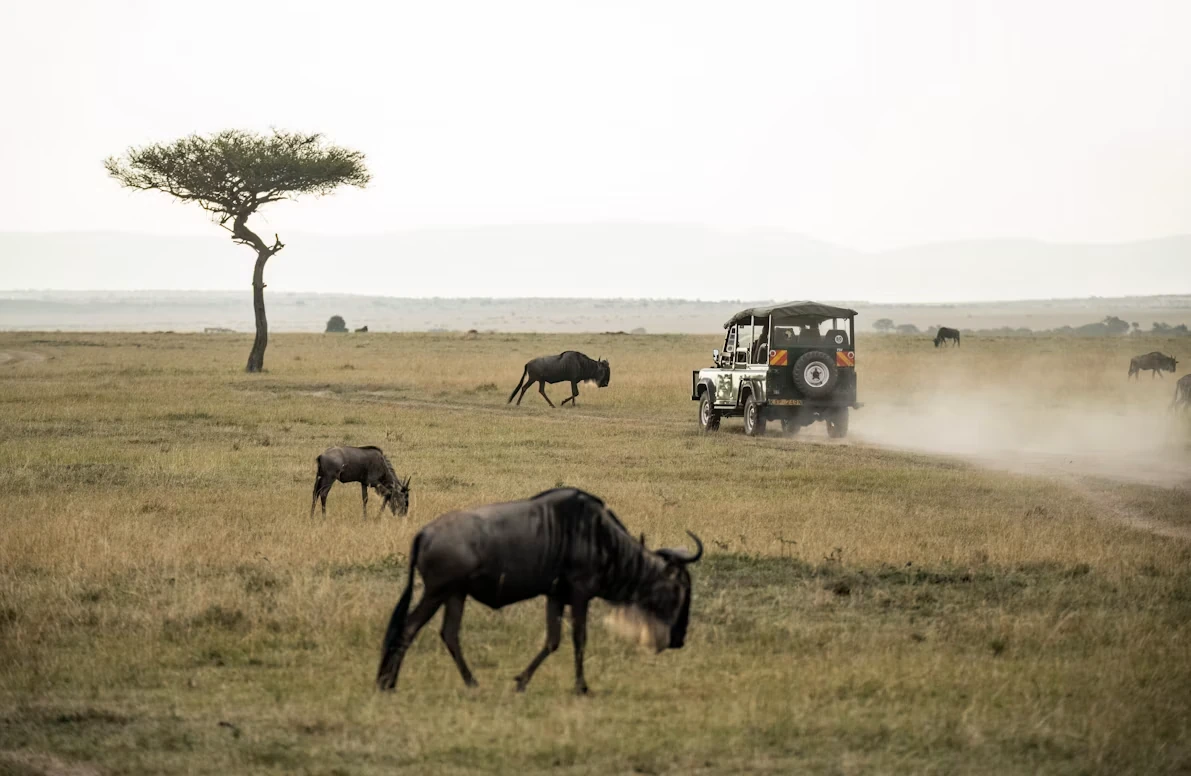
The most common planning mistake with a first Kenya safari is trying to cover too many parks in too short a time. Every park requires travel time to reach, and cramming four parks into seven days often means spending more of the trip in a vehicle between parks than actually inside them.
Pick two parks, not four
Two well-chosen parks, each given three to four days, genuinely beats a rushed tour of four parks at two days apiece. Wildlife sightings depend heavily on time spent quietly waiting and exploring, not just driving through — a compressed itinerary trades away exactly the thing that makes a safari memorable in the first place.
"We cut our original five-park plan down to two, and it was the single best change we made to the whole trip."
The Maasai Mara versus the rest, honestly
The Maasai Mara is famous for a reason — genuinely excellent wildlife density, and during migration season, the river crossings themselves. It's also the most visited and most vehicle-heavy park in the country. Pairing it with a quieter, less-trafficked park like Samburu or Amboseli — the latter with genuinely striking Kilimanjaro backdrop views — gives a fuller, more varied picture of Kenya beyond just the Mara's crowds.
Domestic flights are worth the cost between parks
Road transfers between some parks can run six or more hours each way on rough roads. Small domestic flights, while a real added cost, save entire travel days that can instead go toward actual game drives. For a shorter trip especially, this trade-off is almost always worth making.
Morning and evening drives matter more than midday ones
Most wildlife activity concentrates in the cooler hours around sunrise and sunset — midday tends to be quiet, with animals resting in shade. A well-structured itinerary builds around this rhythm: an early drive, a midday rest at camp, and a second drive in late afternoon, rather than one long drive spanning the heat of the day.
Book camps with a genuine view, not just a bed
Many camps in Kenya's parks sit directly on rivers or waterholes where animals naturally pass through, meaning genuine wildlife sightings can happen from your own deck. This is worth researching specifically when choosing where to stay — the camp itself becomes part of the safari, not just a place to sleep between drives.
For real lodge recommendations and full logistics, see our Kenya destination guide.



Want your parks and camps matched to what you actually want to see? The GoAtlas team can build the route.
Speak with the GoAtlas Team