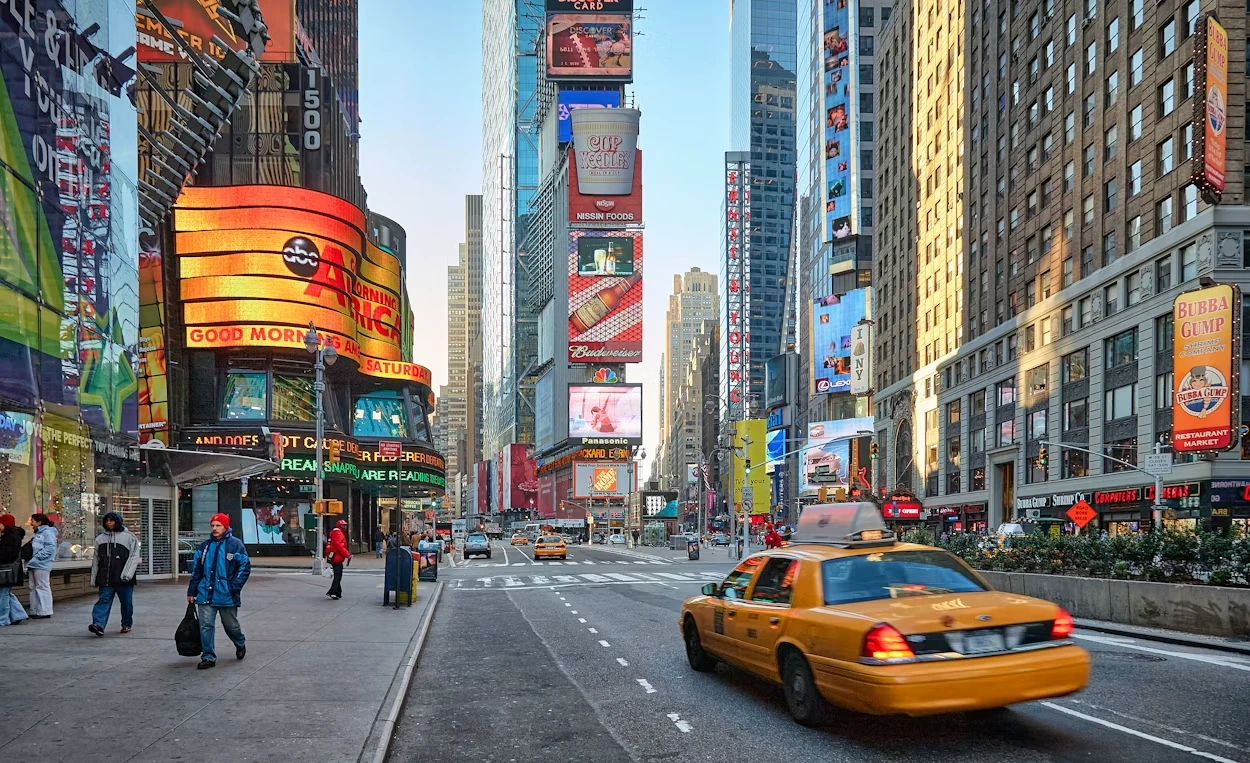
New York punishes bad planning more than almost any other city. It's not that there's too little to do in three days — it's that the subway map makes everything look closer together than it actually is, and a poorly sequenced day can burn two hours in transit that should have gone toward actually seeing the city.
Group by borough and neighborhood, not by "must-see" list
The single most common planning mistake is building an itinerary purely from a list of famous sights, then discovering they're scattered across four different neighborhoods with no logical route between them. Cluster your days geographically instead — Lower Manhattan one day, Midtown another, and so on — even if it means splitting up sights that feel thematically related but sit miles apart.
"We cut our transit time roughly in half just by grouping stops by neighborhood instead of by our original wish list order."
Day 1 — Downtown and the Brooklyn Bridge
Start early at the 9/11 Memorial, work south toward Battery Park, and take the free Staten Island Ferry for a genuinely excellent, no-cost skyline view of Lower Manhattan and the Statue of Liberty from the water. Walk the Brooklyn Bridge in the afternoon — go from the Manhattan side toward Brooklyn for the better skyline views on approach, then explore DUMBO before heading back.
Day 2 — Midtown, museums, and Central Park
Midtown's density means most major sights — the Empire State Building, Times Square, Grand Central, the New York Public Library — sit within a genuinely walkable radius of each other. Pick one major museum rather than attempting several; the Met alone could absorb an entire day on its own. End at Central Park in late afternoon, when the light is best and the park is at its most photogenic.
Day 3 — Whatever New York you actually came for
Keep the last day flexible and specific to your own interests, since "New York" means something different to everyone — a food-focused day working through different neighborhoods, a full museum day, or simply wandering the West Village and SoHo with no fixed plan all work. This is also the day to build in buffer time, since something from the first two days will inevitably run long.
The subway is faster than you think, once you trust it
First-time visitors often default to rideshares out of unfamiliarity, and end up stuck in exactly the traffic the subway avoids entirely. A contactless-payment subway trip is often genuinely faster door to door than a car during the day, especially crossing Manhattan at rush hour.
For neighborhood-specific hotel picks and a full trip breakdown, see our New York City destination guide.



Want your NYC days sequenced properly before you go? The GoAtlas team can build the route so you're not backtracking across town.
Speak with the GoAtlas Team