Indian Ocean · Unique Wildlife
Madagascar
18.7669° S, 46.8691° E
An island that split from mainland Africa roughly 150 million years ago, and evolved a world of its own, roughly 90% of its wildlife exists nowhere else on Earth.
An island that split from mainland Africa roughly 150 million years ago, and evolved a world of its own, roughly 90% of its wildlife exists nowhere else on Earth.
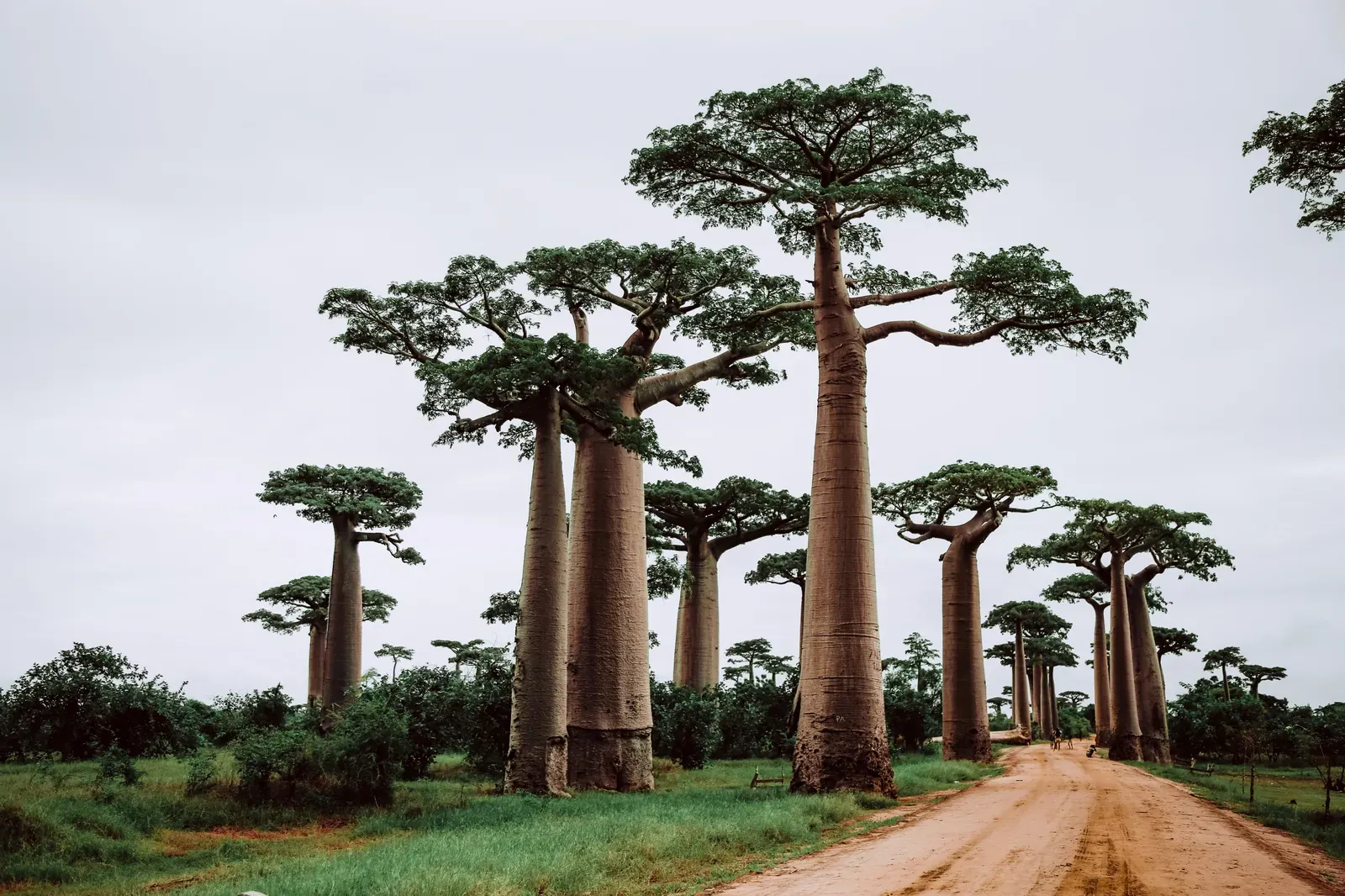
Madagascar split from mainland Africa long before most modern animal families existed, and the result is a place unlike anywhere else, lemurs (over 100 species, found nowhere else on Earth), the surreal Avenue of the Baobabs, and rainforest that feels genuinely otherworldly. This isn't a classic big-game safari destination, it's something different entirely, built around biodiversity most travelers have never seen.
Malagasy culture blends African, Southeast Asian, and Arab influences in a way that's genuinely distinct from mainland Africa, reflected in language, cuisine, and the famadihana ("turning of the bones") tradition still practiced by some highland communities. Madagascar's roads and infrastructure remain limited, which shapes, but doesn't prevent, a well-planned trip.
Madagascar's isolation is genuinely ancient. The island split from mainland Africa roughly 160 million years ago and later separated from India around 90 million years ago — long enough before most modern animal families evolved that wildlife here developed along an entirely separate evolutionary path, which is the real, direct reason so much of it exists nowhere else on Earth.
Over 100 lemur species are found here and nowhere else. This is a genuine level of endemism that few places on the planet can match — this isn't a "big game" destination in the traditional African safari sense, and travelers expecting that experience are often surprised by how different, and how genuinely rewarding, Madagascar's biodiversity-focused approach actually is.
Famadihana, the "turning of the bones," is a genuine, still-practiced highland tradition — a periodic ceremony in which some communities exhume and rewrap ancestral remains as an act of honoring family lineage. It's a real, meaningful cultural practice, not a tourist spectacle, and visitors should approach any awareness of it with the same respect they'd extend to any other community's religious or ancestral customs.
Cyclone season genuinely matters for planning here.
The most reliable window across most regions, easier road travel.
A genuine highlight for wildlife viewing in several reserves.
Heavy rain and real cyclone risk, especially on the east coast.
Apr-Nov, Dry Season. This genuinely is the most reliable window across most regions — road travel, already a real logistical factor covered in Practical Information, becomes meaningfully easier when routes aren't affected by rain damage.
Sep-Nov, Lemur Baby Season. This timing genuinely aligns with real reproductive cycles across several lemur species, making it an authentic wildlife-viewing highlight in reserves like Andasibe and Ranomafana, not just a marketing label.
Dec-Mar, Cyclone Season. Real cyclone risk during this window comes from Madagascar's position in the Indian Ocean's active cyclone belt — the east coast faces genuinely higher exposure than the west, worth factoring into which regions an itinerary during this window should actually include.
Cash-based economy outside major hotels, carry enough local currency.
Available at Antananarivo's airport for most passport holders.
Road travel between regions can take days, internal flights save real time.
Expect minimal connectivity in national parks and rural areas.
Also genuinely helpful, they're often the ones who spot the wildlife.
Factor real travel time into any multi-region itinerary.
Currency & Money. Madagascar genuinely runs on a cash-based economy outside major hotels — carrying enough local Ariary for parks, guides, and smaller vendors is a real practical necessity, not just a suggestion.
Visa. Visa on arrival is genuinely available for most nationalities directly at Antananarivo's airport, a straightforward process for most travelers.
Getting Around. Domestic flights are genuinely necessary here, not a luxury upgrade — road travel between regions can take multiple full days given the country's real infrastructure limitations, meaning internal flights are what makes a multi-region itinerary realistic within a normal trip length.
Guides. Local guides are required in most parks for good, real reasons beyond regulation — spotting camouflaged, often small and quick-moving lemurs and other wildlife genuinely requires local expertise most visitors simply don't have, making guides essential to actually seeing what you came for, not just a formality.
Road Conditions. Genuinely rough conditions outside main routes mean realistic travel-time planning matters more here than in destinations with more developed infrastructure — underestimating this is a common, avoidable itinerary mistake.
Madagascar is generally safe for travelers on the established tourist circuit, with normal city-travel precautions in Antananarivo. Road travel requires patience, infrastructure is limited outside main routes.
Madagascar is genuinely safe for travelers on the established tourist circuit. Normal city-travel precautions in Antananarivo cover the realistic risk there.
Road travel genuinely requires real patience, not caution in the safety sense. Limited infrastructure outside main routes, covered in Practical Information, means delays and rough conditions are a normal part of getting around, not a warning sign of danger.
Madagascar is genuinely more affordable than most African safari destinations.
| Item | Budget | Mid-range | Luxury |
|---|---|---|---|
| Hotel/lodge (per night) | $25 - $60 | $90 - $200 | $250 - $600+ |
| Domestic flights | $100 - $200 each way | $100 - $200 each way | $100 - $200 each way |
| Park entry + guide fees | $20 - $40/day | $20 - $40/day | $20 - $40/day |
Why Madagascar genuinely costs less than most African safari destinations. The tourism model here is structurally different — built around park entry fees, guides, and lodges rather than the fully-inclusive luxury camp model common in East and Southern African safaris, a real, structural reason costs run lower even before considering regional cost-of-living differences.
Domestic flight costs are genuinely a fixed, unavoidable line item for most multi-region itineraries, given the road travel time covered in Practical Information — worth budgeting as a real necessity rather than an optional add-on.
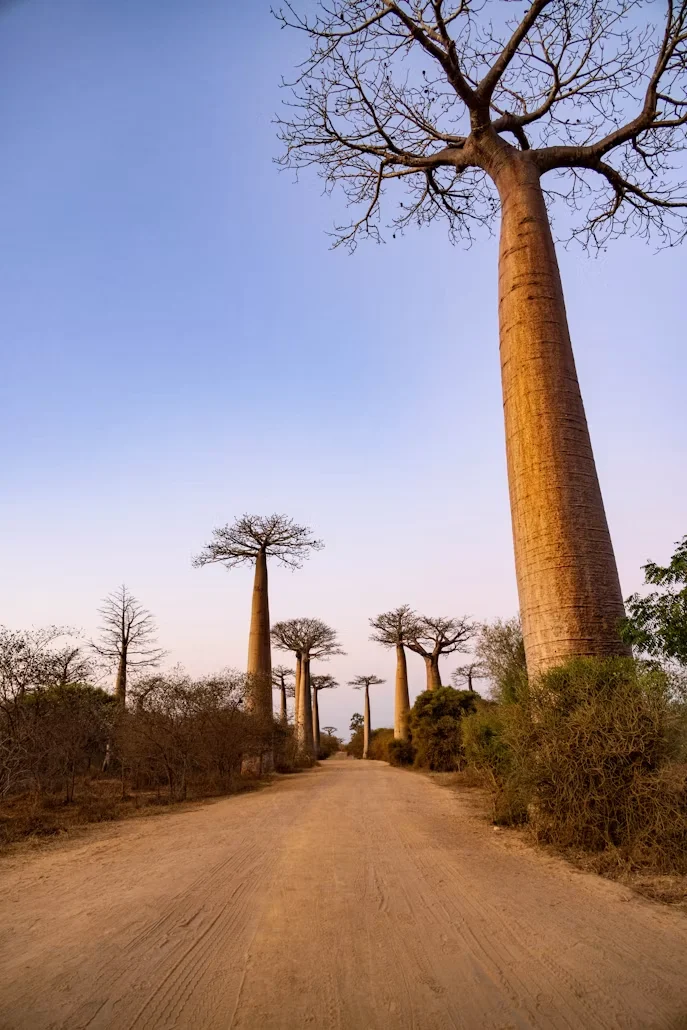
Ancient baobab trees lining a dirt road, especially dramatic at sunset
Best timed around sunset, when the ancient trees are at their most dramatic — most visits are arranged as part of a wider route.
Explore Experiences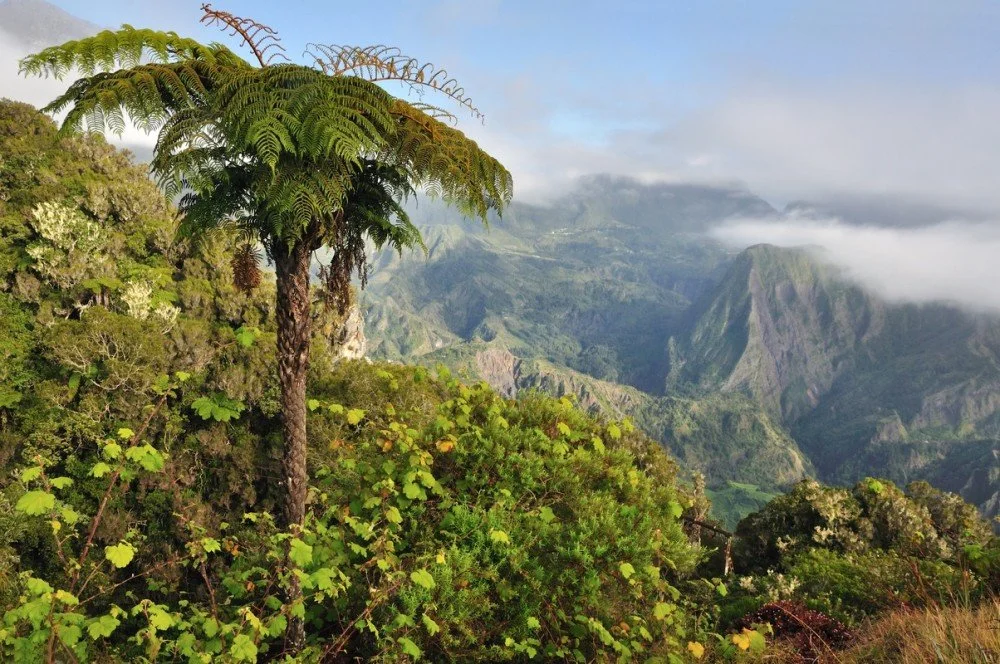
Home to the indri, the largest living lemur species
A guide is genuinely essential here — spotting the indri and other lemurs takes local expertise most visitors don't have.
Explore Experiences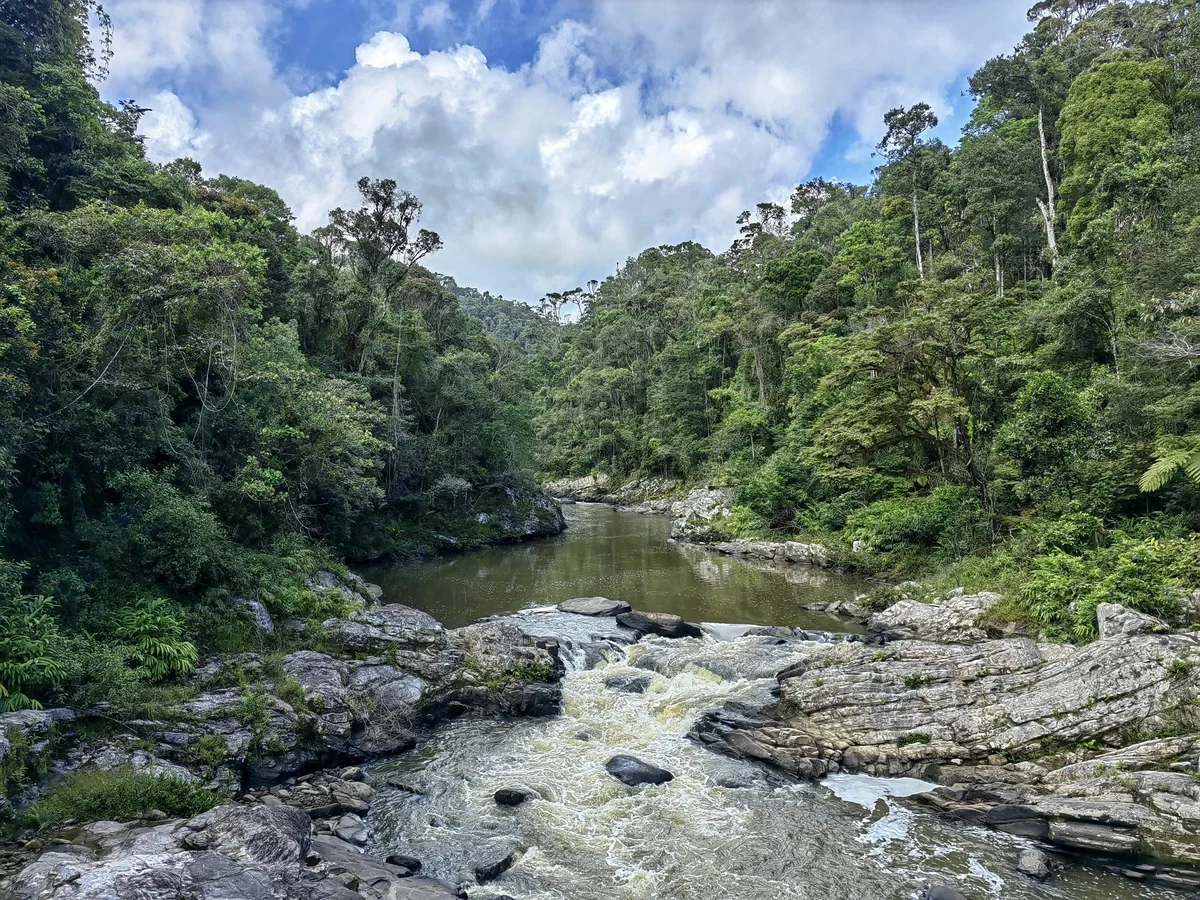
Rainforest biodiversity and multiple lemur species
Guided night walks reveal a different set of nocturnal species than daytime visits alone.
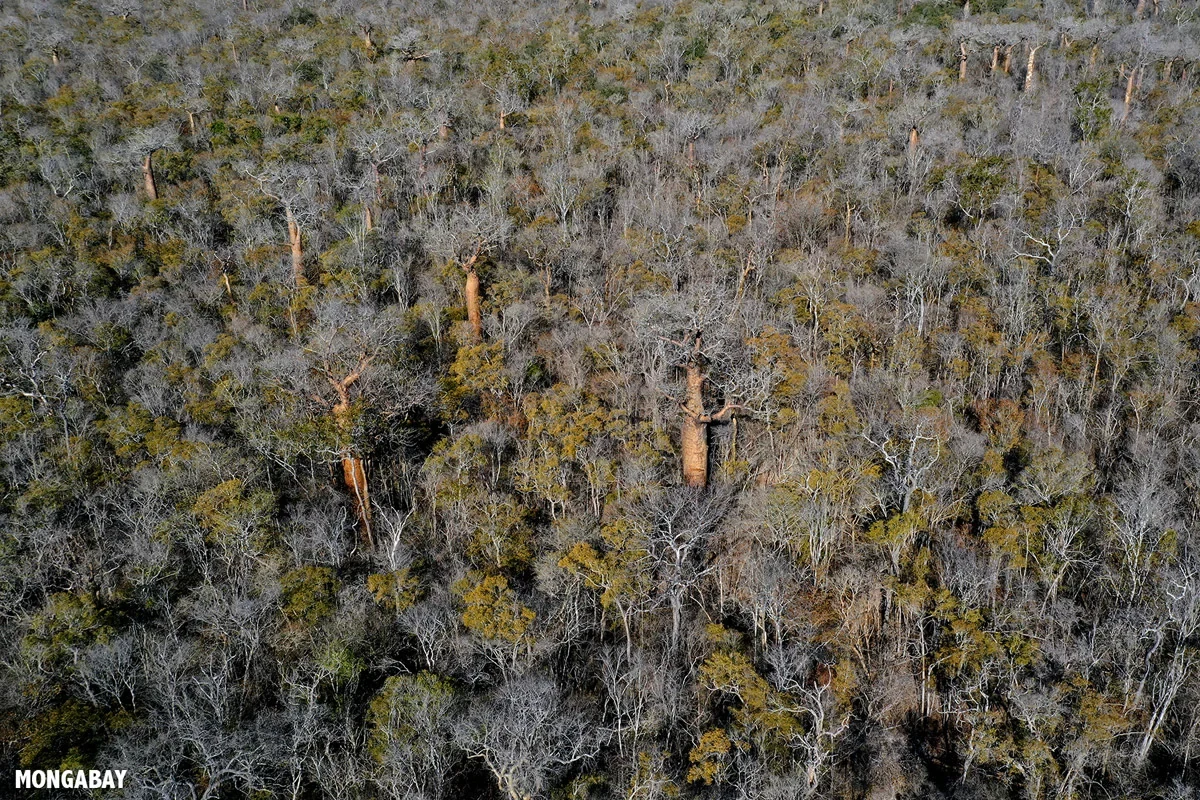
Explore ExperiencesAvenue of the Baobabs. These Adansonia grandidieri trees are genuinely centuries old, some estimated at 800 years or more — the dirt road lined with them wasn't built for tourism, it simply happens to pass through a naturally occurring, ancient stand of these iconic trees.
Andasibe-Mantadia National Park. The indri is genuinely the largest living lemur species, known for an extraordinarily loud call audible over long distances through the forest — a real, notable conservation fact worth knowing is that indri have never successfully been kept in captivity long-term, making seeing one here genuinely the only way to experience the species.
Ranomafana National Park. This park was genuinely established in 1991, directly following the discovery of the golden bamboo lemur — a relatively recent addition to Madagascar's protected areas, and its rainforest biodiversity reflects real, ongoing scientific interest, not just tourism infrastructure.
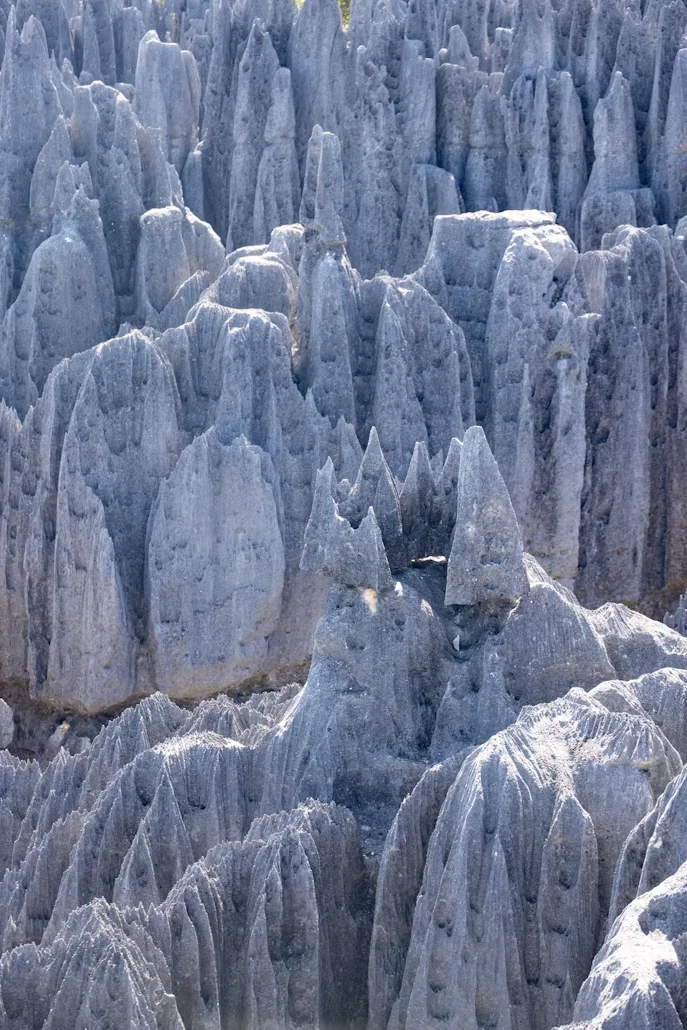
A UNESCO "stone forest" of razor-sharp limestone formations
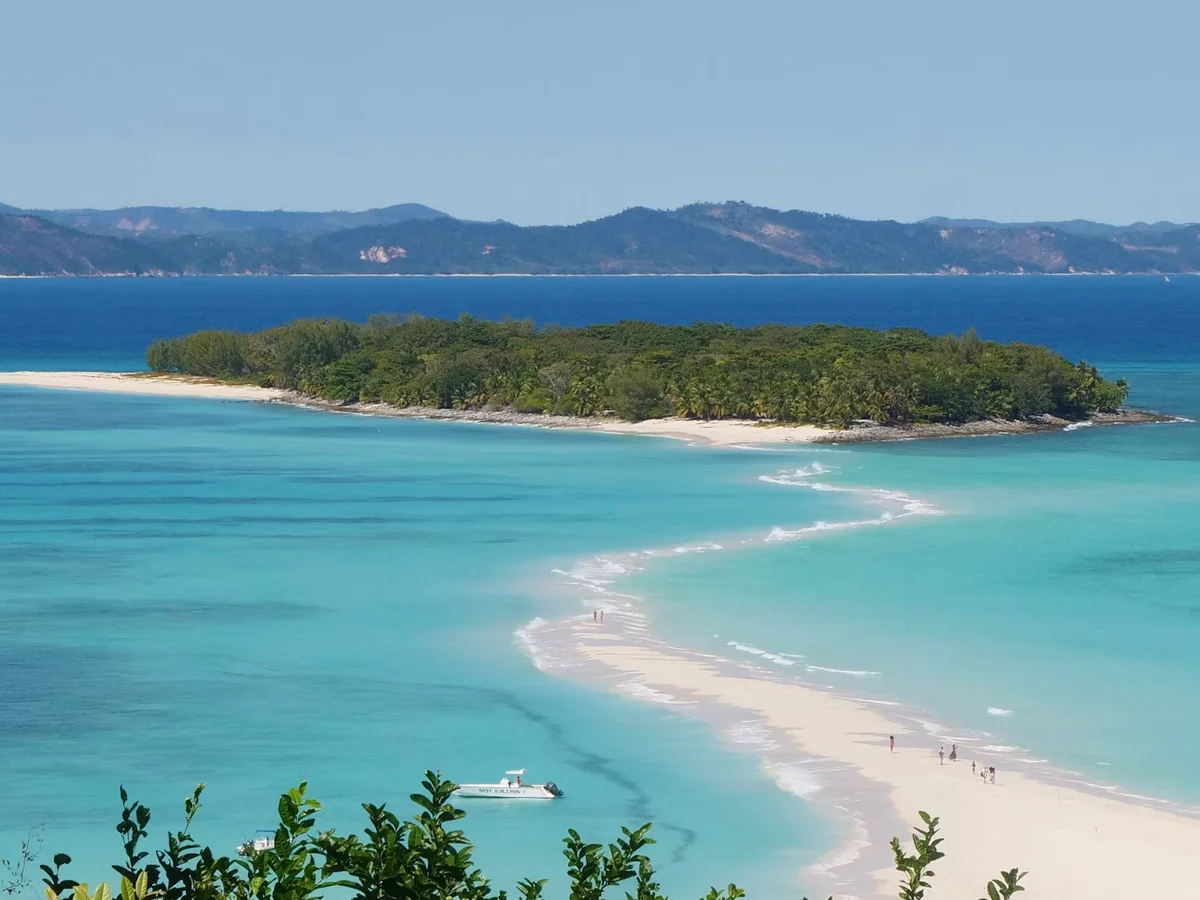
Madagascar's main beach island, genuinely relaxed pace
Nocturnal walks to spot the elusive fossa
Tsingy de Bemaraha. This UNESCO-listed "stone forest" of razor-sharp limestone formed through genuine karst erosion over millions of years — the formations are real hazards worth taking seriously, not just visually dramatic, and guided routes exist specifically because independent navigation here carries genuine physical risk.
Nosy Be. Madagascar's main beach island offers a genuinely different, more relaxed register from the mainland's park-focused itineraries — a real, deliberate change of pace built into many longer trips.
Kirindy Forest. The fossa, Madagascar's largest predator, is genuinely more closely related to mongooses than cats despite its cat-like appearance — nocturnal walks here offer a real chance at spotting this elusive, distinctly Madagascar-only species.

Steps from the indri's morning calls
Waking up to the indri's calls is one of Madagascar's most memorable, and this lodge puts you right in earshot.
Check Availability
A genuine relaxation stop after park-heavy days
A genuine beach stop after park-heavy days, and one of Madagascar's most established resort areas.
Check Availability
A comfortable base for your arrival or departure
A comfortable base for the night before or after your main trip into the parks.
Check AvailabilityAndasibe Rainforest Lodge. Waking to the indri's genuinely famous calls, covered in Attractions, is one of Madagascar's most memorable experiences — proximity here isn't just convenience, it's real, direct access to the reserve's signature wildlife moment.
Nosy Be Beach Resort. A genuine relaxation stop after park-heavy days makes real sense given how physically active most of a Madagascar itinerary is — one of the island's most established resort areas for exactly this reason.
Antananarivo City Hotel. A comfortable capital-city base before or after the parks genuinely matters given how much of the trip involves early park mornings and long travel days — real rest at the bookends makes a genuine difference.
Malagasy food reflects the island's genuinely mixed African, Asian, and French heritage.
Rice paired with a meat, fish, or vegetable side, eaten at nearly every meal.
A traditional beef and leafy greens stew, genuinely comforting.
A real colonial-era legacy, good bakeries and bistros in the capital.
Rice with Laoka. Madagascar genuinely has one of the highest per-capita rice consumption rates in the world, and this pairing — rice with a meat, fish, or vegetable side — is real, everyday Malagasy food, eaten at nearly every meal across the island.
Romazava. This traditional beef and leafy greens stew is genuinely considered close to a national dish — real home-style comfort food worth seeking out beyond hotel restaurant menus.
French-Influenced Dining, Antananarivo. The capital's bakeries and bistros reflect genuine French colonial-era history — Madagascar was a French colony until 1960, and that culinary legacy remains real and active in the city today, not a historical footnote.
Antananarivo has some nightlife, elsewhere evenings are quiet, park-lodge style.
The wildlife-watching pace suits families well, though road travel needs patience.
Limited outside the capital. Antananarivo genuinely has some real nightlife, but elsewhere, evenings settle into a quiet, park-lodge rhythm — an honest expectation to set before arriving, since most of a Madagascar trip happens outside the capital.
Lemurs are a genuine hit with kids. The wildlife-watching pace here genuinely suits families well, though the real road travel time covered in Practical Information requires patience regardless of traveler age.
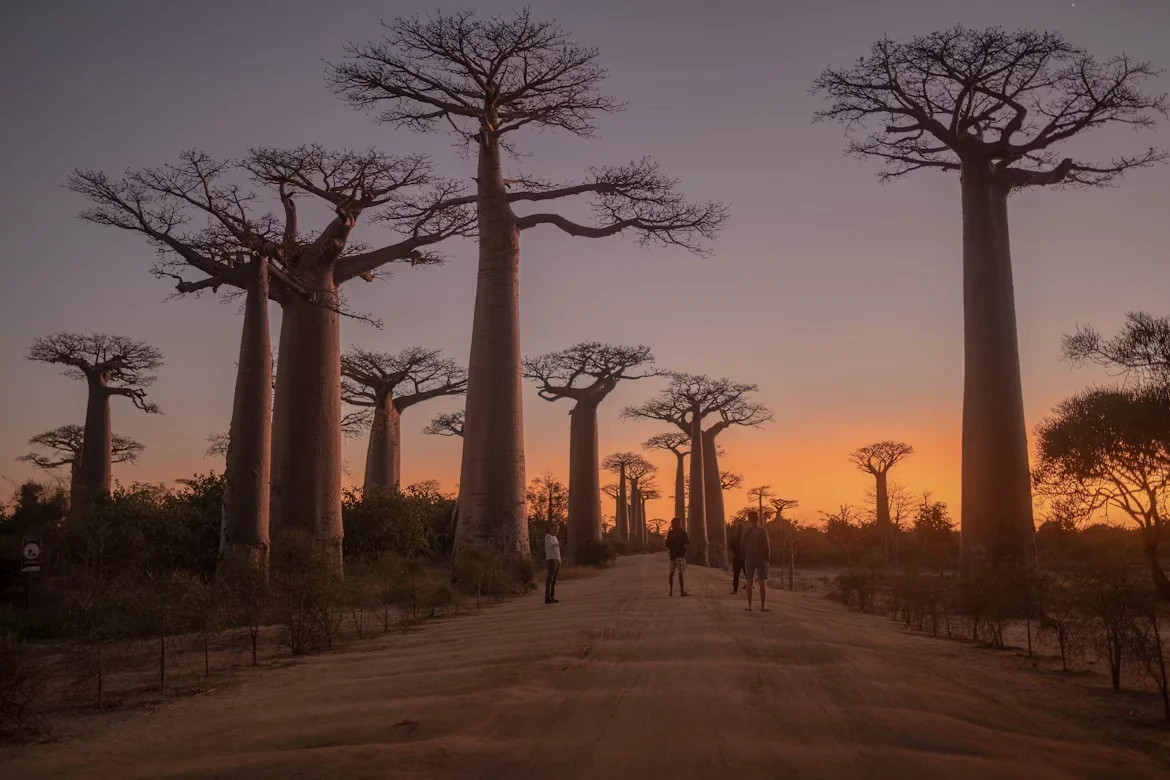
Madagascar's single most photographed scene
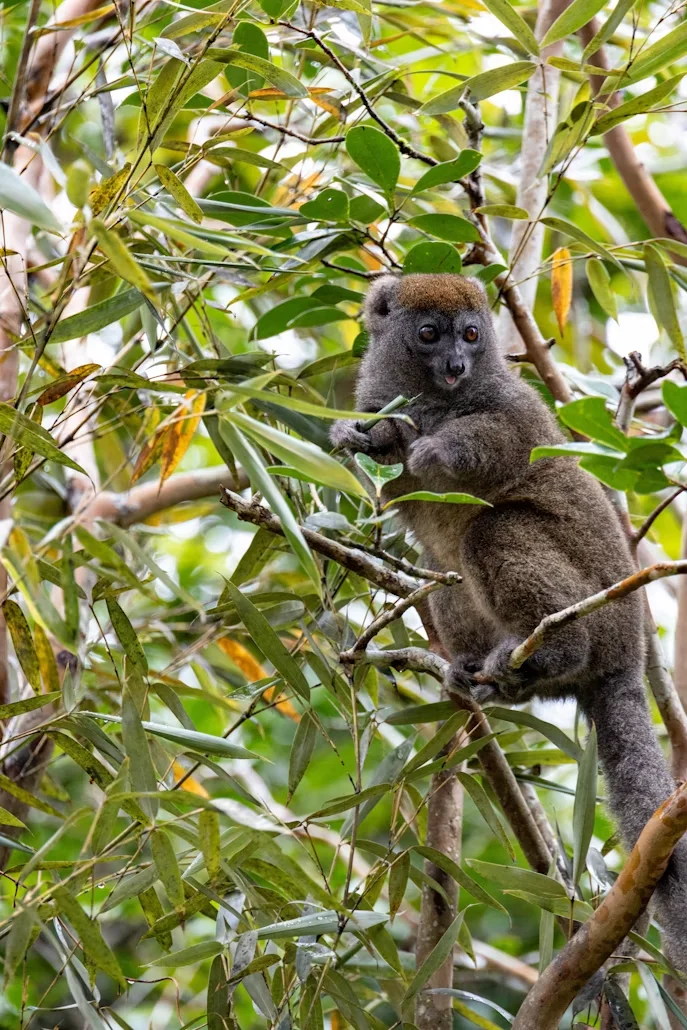
Andasibe and Ranomafana both offer close, ethical viewing
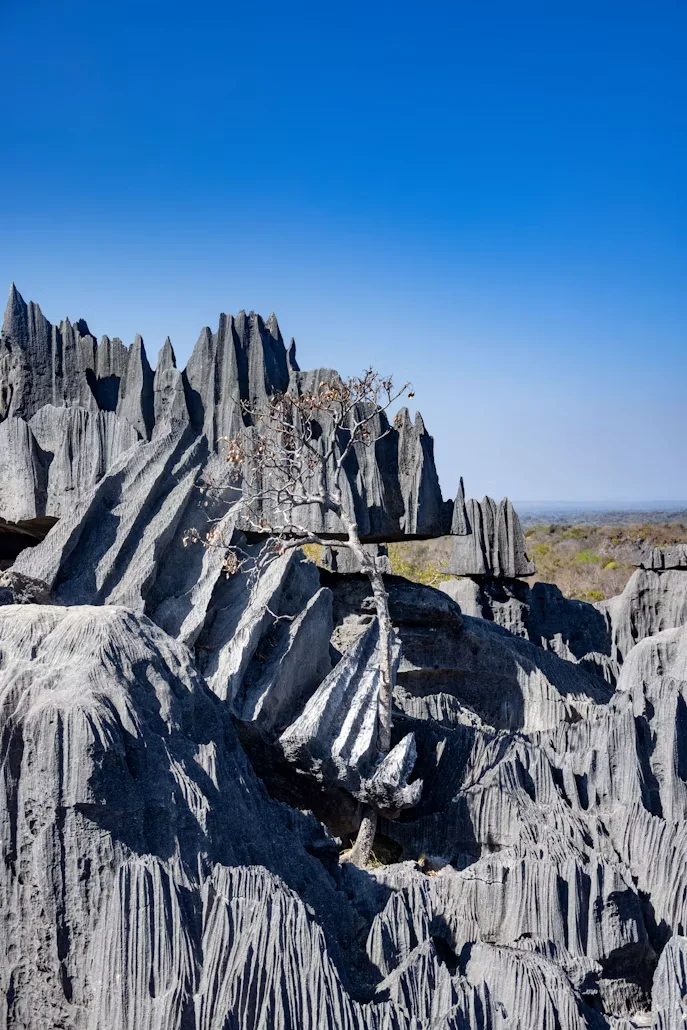
Genuinely otherworldly limestone spires
Baobabs at Sunset. Madagascar's genuinely most photographed scene works because the trees' distinctive silhouettes against a colored sky create real, dramatic contrast that daytime light doesn't offer — the reason nearly every visitor times this specific spot for late afternoon.
Lemurs in the Canopy. Both Andasibe and Ranomafana offer genuinely close, ethical viewing opportunities — a longer zoom lens helps given real distances and constant tree-canopy movement, covered further in Packing.
Tsingy Formations. These genuinely otherworldly limestone spires, covered in Hidden Gems, photograph best with wide shots that capture their real scale — a single formation rarely conveys the sheer extent of the stone forest the way a broader composition does.
Lightweight rain jacket. Madagascar's rainforest regions genuinely see real rain even outside cyclone season — a packable rain layer matters more here than in drier safari destinations.
Sturdy walking shoes. Rainforest trails and Tsingy terrain are genuinely uneven and sometimes slippery — real footwear support matters more here than casual sneakers provide.
Binoculars & a headlamp for night walks. Many of Madagascar's signature species, including several nocturnal lemurs and the fossa, are genuinely only active after dark — a proper headlamp is a real necessity for night walks, not an optional extra.
Cash. As covered in Practical Information, ATMs are genuinely limited outside the capital — carrying enough local currency for park fees and guides throughout a multi-region trip matters more here than in more banked destinations.
Antimalarials if advised. Worth a real conversation with a travel clinic given genuine malaria risk across much of the island.
A dry bag for humid rainforest days. Genuine, consistent humidity in reserves like Ranomafana makes protecting electronics a real practical concern, not overcaution.
Not in the classic Big Five sense, Madagascar's wildlife (lemurs, chameleons, unique birds) is best explored on foot in rainforest reserves, not from a safari vehicle.
10-14 days lets you genuinely combine a couple of national parks with the Avenue of the Baobabs, domestic flights between regions are usually necessary.
Yes, generally safe on the established tourist circuit with normal precautions. Road infrastructure is limited, which affects travel time more than safety.
Rain protection for rainforest regions, sturdy walking shoes, and enough cash, ATMs are limited outside Antananarivo.
Is this a safari destination? Not in the classic Big Five sense — Madagascar's wildlife, genuinely lemurs, chameleons, and unique birds, is best explored on foot in rainforest reserves rather than from a vehicle, a real, fundamentally different style of wildlife travel than an East African safari.
How many days do I actually need? The 10-14 day figure genuinely accounts for combining a couple of national parks with the Avenue of the Baobabs, given domestic flights between regions, covered in Practical Information, are usually a real necessity, not optional.
Is Madagascar safe for travelers? Yes, generally safe on the established tourist circuit with normal precautions. Limited road infrastructure genuinely affects travel time far more than it affects actual safety, as covered above.
What should I pack? The reasoning behind each item — including why cash matters more here than in more banked destinations — is covered in the Packing section above.
Get the complete Madagascar guide as a beautifully designed, offline-ready PDF — every section organized for actual use in the field, plus a full packing checklist.
Turn your research into a trip designed around your actual dates, budget, and travel style — planned by a person, not a form.
EXPLORE GOATLAS CONSULTATIONSGenuinely recommended places to stay and eat, not filler — booked through our trusted travel partners.
Book hotels, flights, tours, airport transfers, travel insurance, and car rentals through GoAtlas's trusted global travel partners — all in one place.
Explore Trusted Travel PartnersA GoAtlas travel expert can build your full Madagascar itinerary, including the domestic flights that connect it all.