Africa's tallest peak, the world's largest inactive volcanic caldera, and a spice-scented island archipelago — Tanzania holds three completely different trips inside one country.
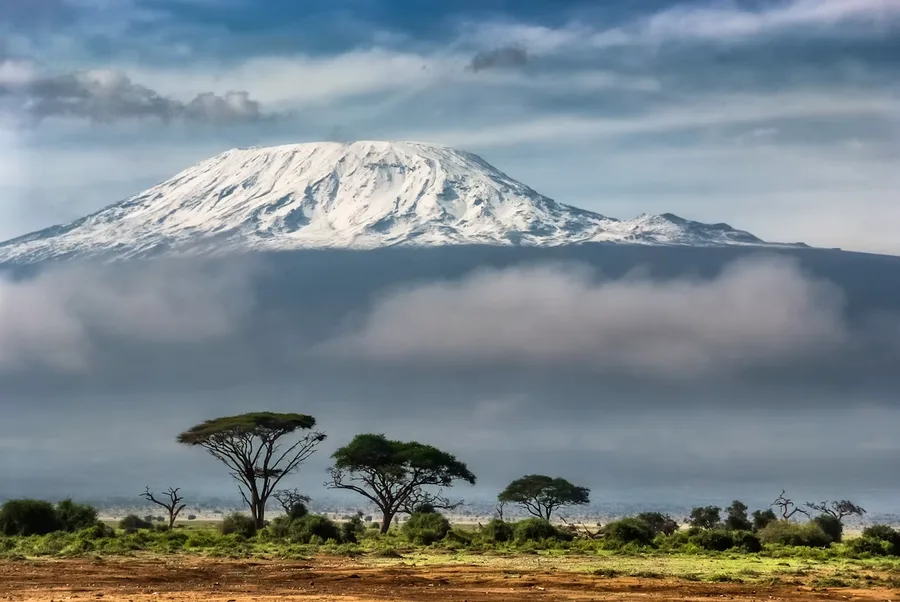
Beyond the Serengeti's plains, Tanzania holds two entirely different experiences: Kilimanjaro, Africa's highest peak, climbable without technical gear, and Zanzibar, a Swahili-Arab-Indian trading archipelago with some of the Indian Ocean's best beaches. Very few countries let you combine a genuine mountain summit, a world-famous safari, and island time in one trip.
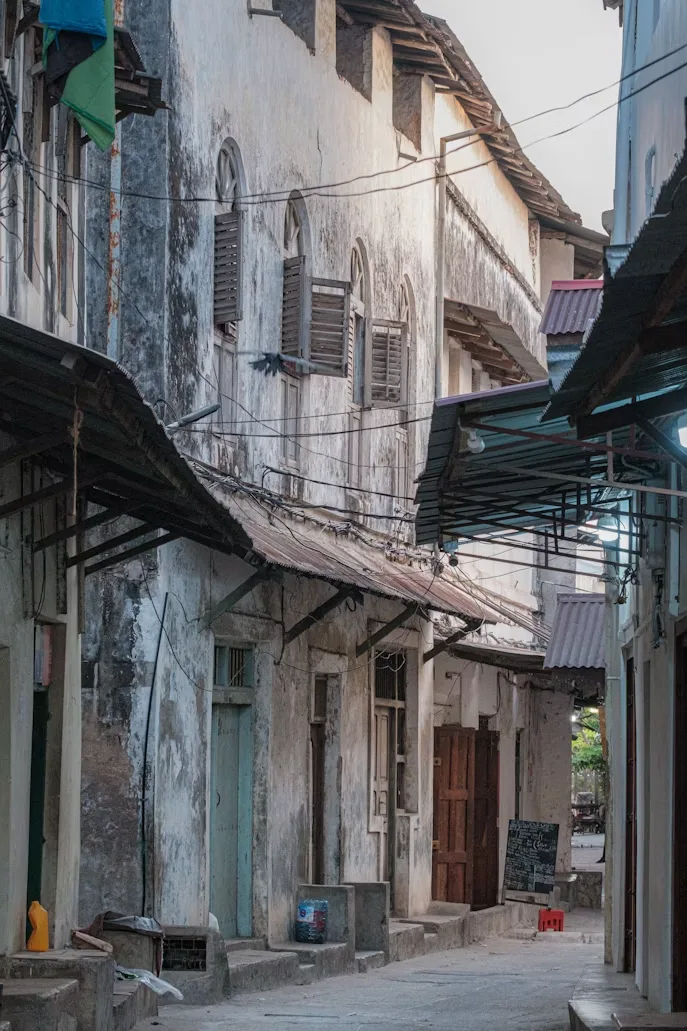
Zanzibar's Stone Town carries centuries of Swahili, Omani Arab, Persian, and Indian trading history in its architecture and its cuisine. The island was a major hub of the 19th-century spice and, more darkly, slave trade — its history museums address this directly and are worth genuine time, not a rushed walkthrough.
The three-in-one structure is genuinely rare geography, not just good marketing. Kilimanjaro, the northern safari circuit, and Zanzibar sit close enough together that short domestic flights connect all three, meaning a single trip can include a mountain summit, a classic savanna safari, and island time without the exhausting cross-continent logistics combining destinations like this usually requires elsewhere in the world.
Stone Town is a UNESCO World Heritage Site. This recognizes specifically its remarkably intact fusion of Swahili, Arab, Persian, Indian, and European architectural influences built up over centuries of Indian Ocean trade — the carved wooden doors found throughout the old town, often cited as a signature feature, were historically status symbols, with more elaborate carving indicating a wealthier household.
The island's slave trade history is addressed directly, not softened. Zanzibar was one of East Africa's major slave trading hubs through the 19th century, and Stone Town's history museums — including the site of the former slave market — present this history with real depth. It's genuinely worth unhurried time, not a checkbox stop between beach days.
Kilimanjaro, safari, and Zanzibar don't all peak in the same months.
Drier trails, clearer summit views — also the busiest season on the mountain.
A shorter dry spell, fewer climbers on the trail.
Avoid the long rains (Mar–May) if beach time is the priority.
Jun–Oct, Best Kilimanjaro Window. Drier trails genuinely mean safer footing and better summit-night conditions, which is exactly why this window draws the most climbers despite costing more in permit and operator demand — the trade-off between crowds and reliability is real, not manufactured scarcity.
Jan–Feb, Secondary Climbing Window. A shorter but genuine dry spell between the long and short rains, offering comparable trail conditions to peak season with meaningfully fewer climbers on the mountain — worth real consideration for anyone prioritizing a quieter summit push over guaranteed maximum crowds around it.
Jun–Oct & Dec–Feb, Best Zanzibar Weather. These windows sit outside the long rains (roughly March-May), which bring genuinely heavy, sustained downpours rather than Bali-style short afternoon showers — worth avoiding specifically if beach time, not just visiting, is the priority.
Why the three calendars rarely align perfectly: Kilimanjaro's weather is altitude-driven, the safari circuit follows wildlife and rainfall patterns further south, and Zanzibar follows Indian Ocean monsoon timing — three genuinely different climate systems within one country, which is why a trip combining all three often means accepting one leg isn't in its absolute peak window.
USD cash widely accepted at lodges and for park fees; carry small, newer bills.
Apply online in advance where possible; a yellow fever certificate may be required depending on your route.
Kilimanjaro, the northern safari circuit, and Zanzibar are each a short flight apart.
No connectivity is expected once you start a Kilimanjaro climb.
Modest dress is appreciated away from resort beaches, particularly in Stone Town.
Independent climbing isn't permitted — park regulations require a registered guide.
Currency & Money. Older or slightly damaged USD notes are genuinely refused at many lodges and park gates across Tanzania, the same counterfeit-driven policy common throughout East Africa — worth checking your bills against this before departure rather than discovering it at a park entrance.
Visa. Whether a yellow fever certificate is actually required depends specifically on your prior travel history, not just your nationality — Tanzania requires it for travelers arriving from, or having recently transited through, a country with risk of yellow fever transmission, which is worth checking against your specific itinerary well before departure.
Getting Around. The short domestic flights connecting Kilimanjaro, the safari circuit, and Zanzibar aren't just convenient — they're genuinely what makes combining all three in one trip realistic, given the road distances and terrain between them would otherwise consume days better spent at each destination.
Internet. Zanzibar's connectivity is genuinely solid, comparable to other established beach destinations, but the complete disconnection expected once a Kilimanjaro climb begins is worth planning around mentally — there's no partial signal to rely on partway up the mountain.
Local Customs. Zanzibar's Muslim-majority culture is distinct from mainland Tanzania in ways worth genuine awareness of, particularly around modest dress in Stone Town and during Ramadan specifically, when restaurant hours and public eating norms shift for the fasting period.
Climbing Permits. The licensed-operator requirement isn't bureaucratic friction — it's a real park regulation tied to both safety (altitude sickness response, route knowledge) and conservation management of climber traffic on the mountain, and it means the operator you choose genuinely matters for your actual summit experience, not just price.
The safari circuit, Zanzibar's resort areas, and Kilimanjaro's regulated trails are all well-established and safe with normal precautions. Altitude sickness, not crime, is the real risk to plan around on the mountain.
Altitude sickness is genuinely the real risk on Kilimanjaro — not an exaggerated caution. It can affect climbers regardless of fitness level, since it's driven by ascent rate rather than physical conditioning — this is exactly why longer routes with better acclimatization built in (typically 7-8 days versus the shorter 5-6 day options) carry meaningfully higher summit success rates, not just a more scenic trek.
The safari circuit and Zanzibar's resort areas are genuinely well-established. Tourism infrastructure here has operated safely for decades — normal precautions (registered transport, standard beach and resort awareness) cover the realistic risk without needing anything beyond what any established destination warrants.
A Kilimanjaro climb is priced as its own package, not a daily rate — plan for it separately from safari or beach days.
| Item | Budget | Mid-range | Luxury |
|---|---|---|---|
| Zanzibar lodging (per night) | $40 – $90 | $130 – $300 | $400 – $1,000+ |
| Safari lodging (per night) | $80 – $150 | $250 – $500 | $700 – $1,800+ |
| Kilimanjaro climb (per person, full package) | $1,800 – $2,500 | $2,500 – $4,000 | $4,000 – $7,000+ |
| Domestic flights | $100 – $200 | $100 – $200 | $150 – $300 |
Why the Kilimanjaro climb is priced as one fixed package, not a nightly rate. That $1,800-7,000+ figure genuinely bundles park fees, a required licensed guide, porters, camping equipment, and food for the full multi-day trek — it isn't padding, it's the real cost structure of a regulated, guide-required climb rather than a comparable choice to unstructured lodging.
The gap between shorter and longer routes explains most of the price range within the climb itself. A 5-day route costs less specifically because it requires fewer guide-days, less food, and less equipment time — not because it's a lesser experience — but it also comes with a real trade-off in summit success rate, since less time for acclimatization genuinely means more climbers turning back before the top.
Zanzibar lodging spans such a wide range because "beach resort" covers everything from simple guesthouses to genuinely exclusive private-villa properties on the north coast — the island's tourism infrastructure has matured enough to support both ends of that range comfortably.

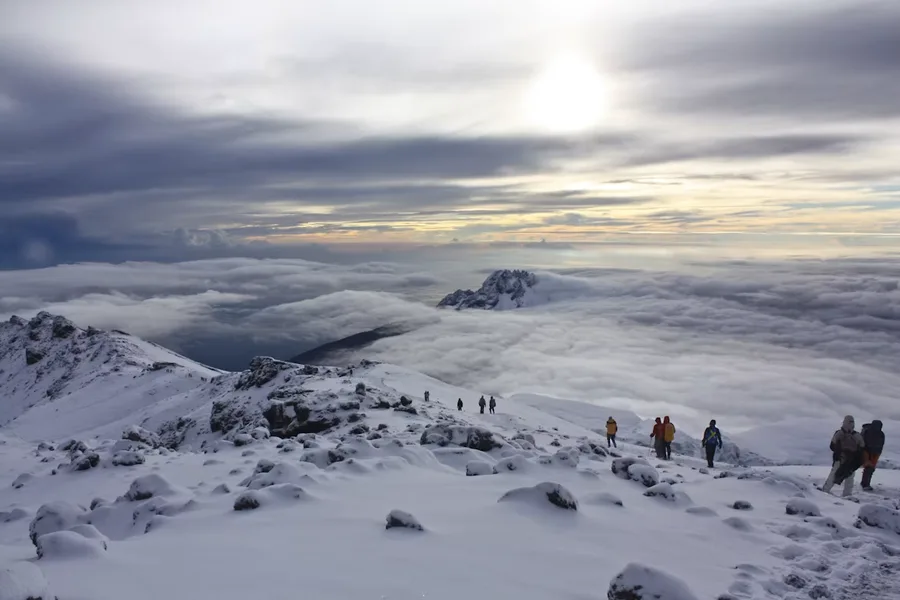
Africa's tallest peak, climbable without technical gear
Climbable without technical gear, but a licensed guide and porter team is genuinely required by park regulation.
Explore Experiences
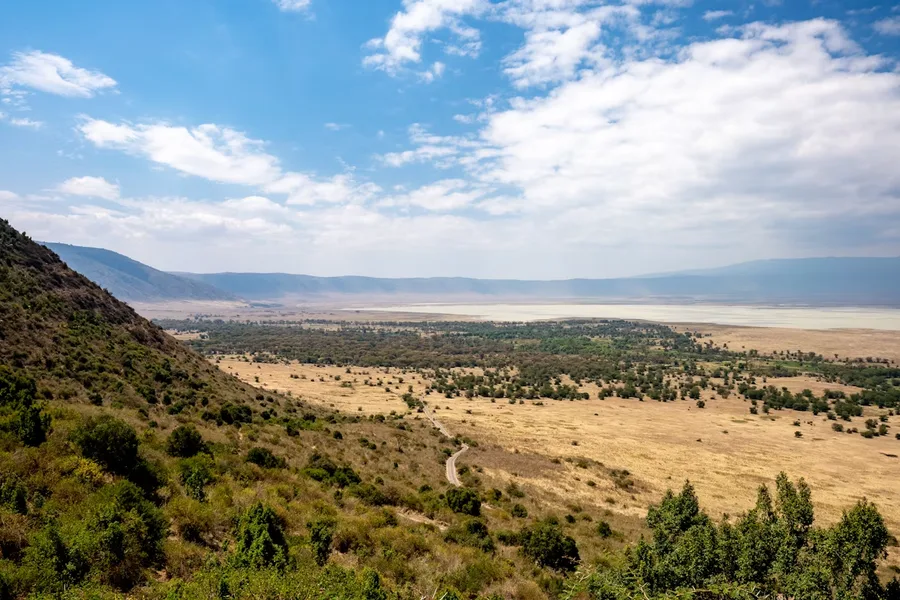
The world's largest inactive volcanic caldera, dense with wildlife
Access is only by guided vehicle, with wildlife density high enough that even a single day delivers genuine sightings.
Explore Experiences
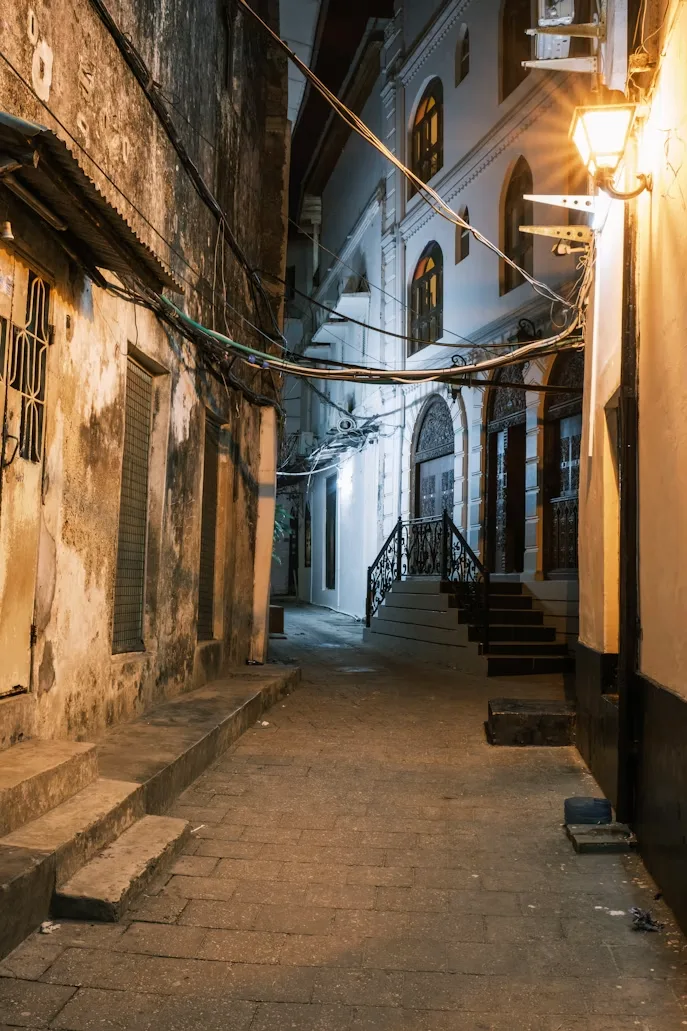
Centuries of Swahili, Arab, and Indian Ocean trade history
A guided walking tour genuinely helps unpack the layered Swahili, Arab, and Indian Ocean trade history here.
Explore ExperiencesMount Kilimanjaro. Several established routes reach the summit, and they genuinely differ in more than scenery — route choice affects acclimatization profile and, directly, summit success rate. Marangu is the shortest and only route with hut accommodation rather than tents, while longer routes like Lemosho or Machame trade extra days for meaningfully better altitude adjustment.
Ngorongoro Crater. This is the world's largest inactive, intact volcanic caldera, and its wildlife density is exceptionally high specifically because the crater's steep walls create a natural, largely closed ecosystem — many resident animals don't migrate in and out the way they do on the open Serengeti plains nearby, which is exactly why sightings here are so reliably dense even on a single-day visit.
Stone Town, Zanzibar. The carved wooden doors mentioned in the Overview are worth actively seeking out on a walking route — Indian-influenced doors often feature brass studs (historically meant to deter war elephants in India, retained here as ornamental heritage), while Arab-influenced doors lean toward geometric and calligraphic carving, a genuine visual record of the town's mixed trading history.

Iconic baobab trees and large elephant herds, far fewer crowds

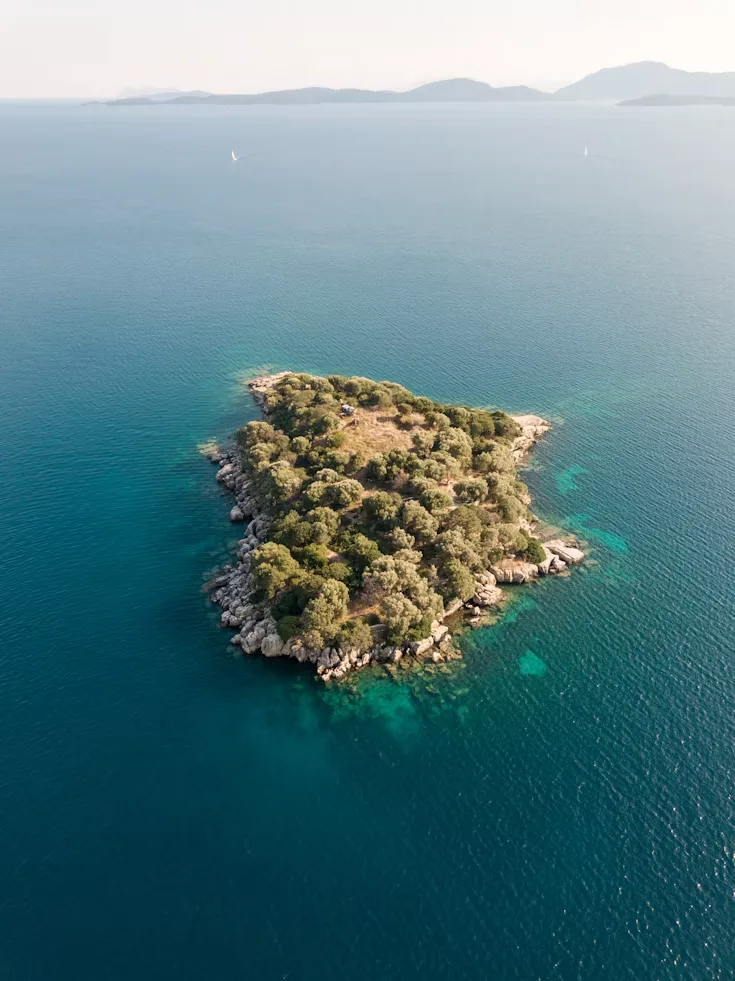
Zanzibar's quieter, less-visited sister island

Reliable whale shark snorkeling in season
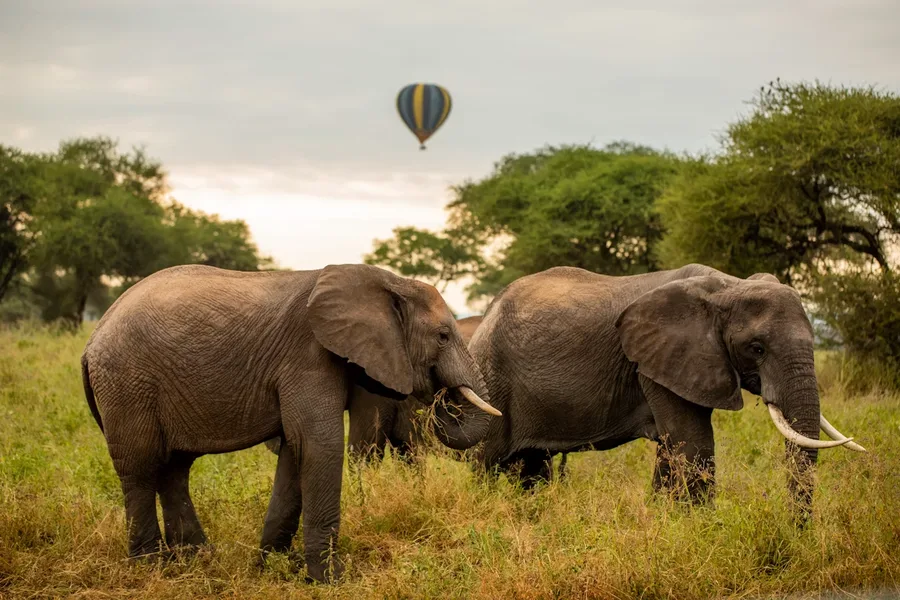
Tarangire National Park. Some of the baobabs here are genuinely centuries old, with trunk diameters wide enough to hollow out naturally over time — the park's elephant herds are drawn to this landscape specifically because baobabs retain water in their trunks through the dry season, making Tarangire one of the more reliable dry-season elephant viewing spots in the region, with far fewer vehicles than the main Serengeti circuit.
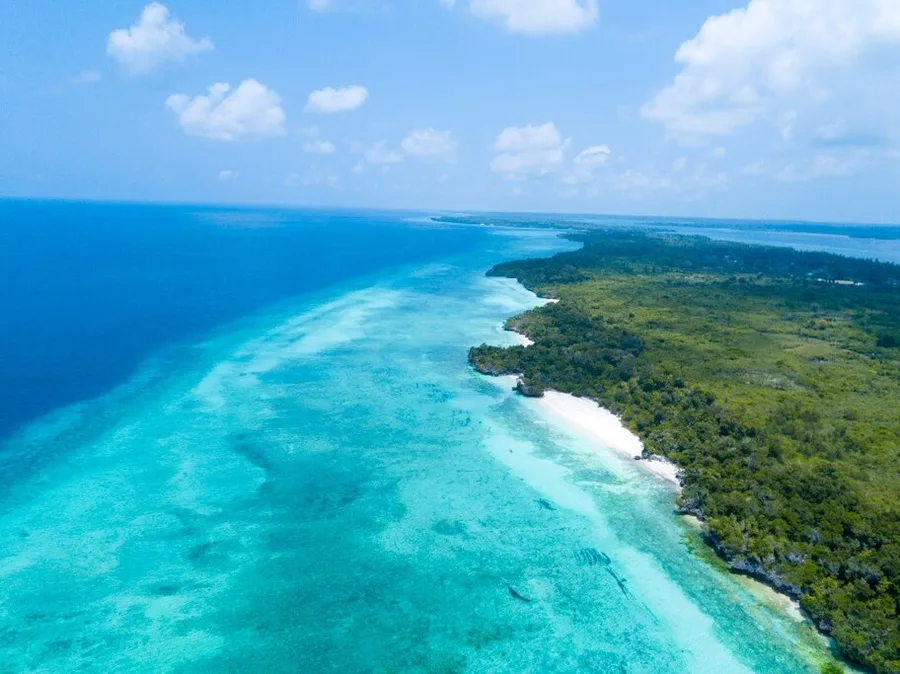
Pemba Island. Genuinely less developed than Zanzibar's main island, Pemba's coral reefs are considered by many dive operators to be among the healthiest in East Africa, largely because lower visitor numbers have meant less reef damage over the decades — a real trade-off between infrastructure and preservation.
Mafia Island. This is one of the more reliable places in the world to snorkel with whale sharks in season, roughly October through March, when the gentle giants gather to feed on plankton blooms near the island — Mafia's marine park status has helped keep this experience genuinely sustainable rather than overrun.

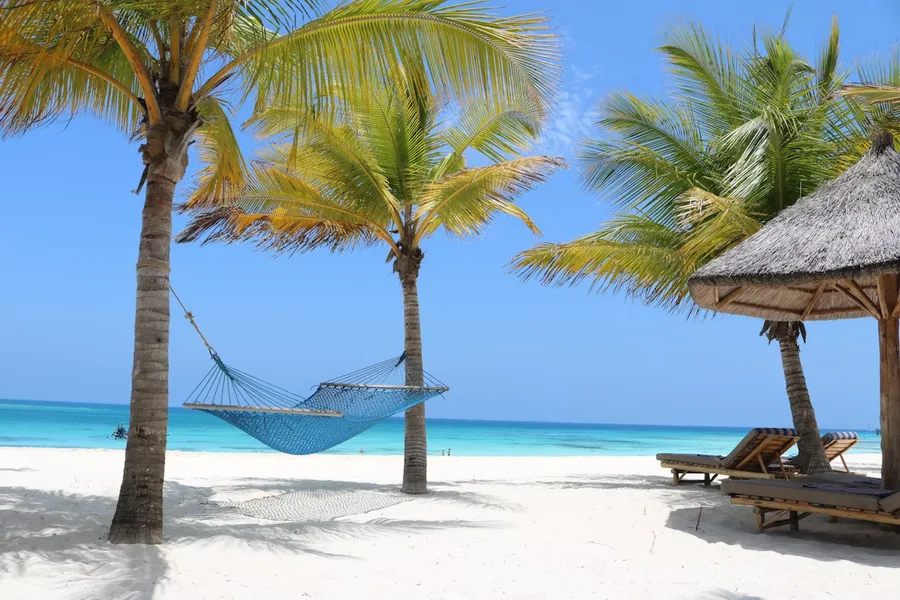
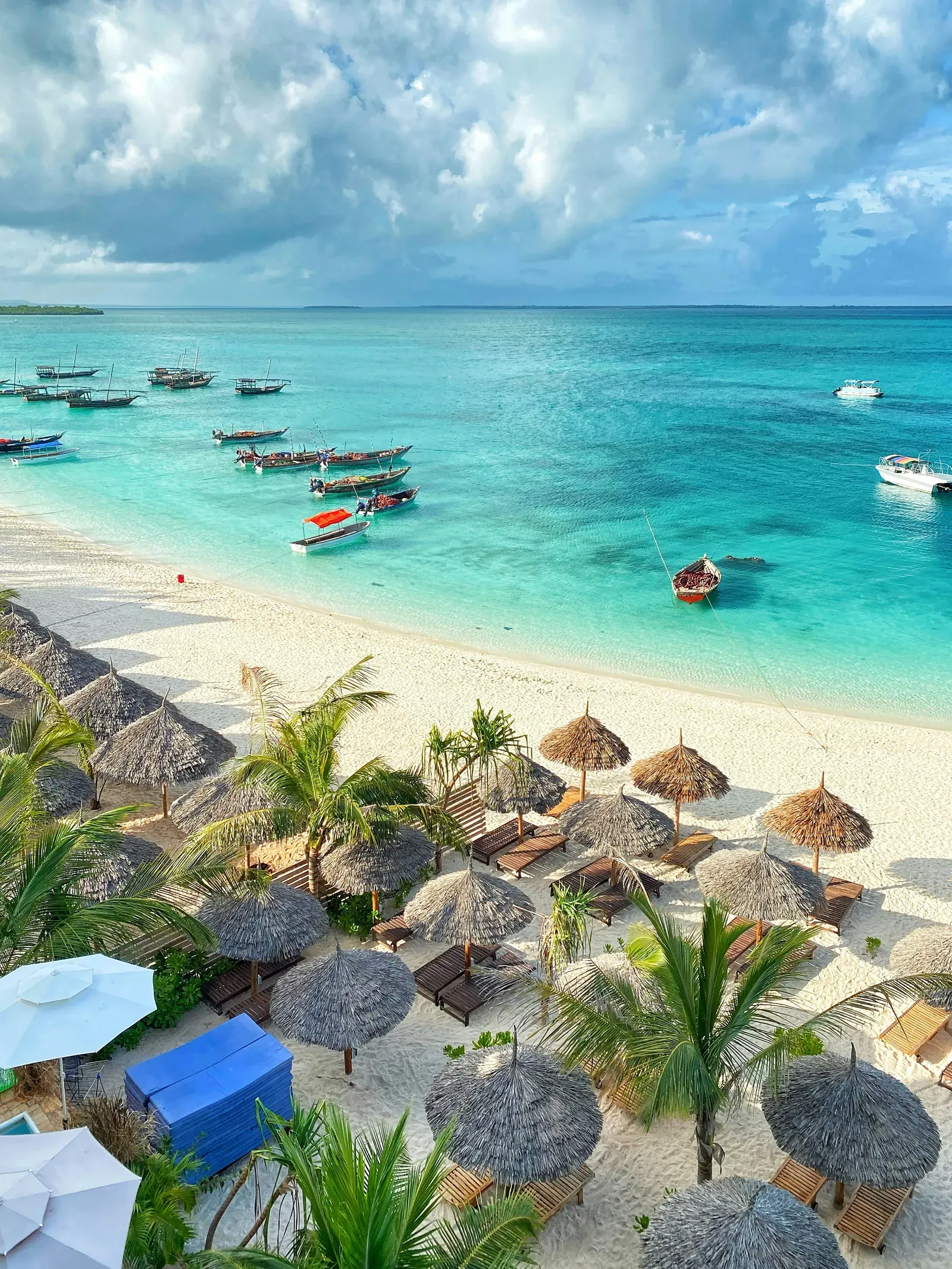
Direct beach access on the north or east coast
Direct beach access makes for a genuinely restful finish after days of early safari mornings.
Check Availability
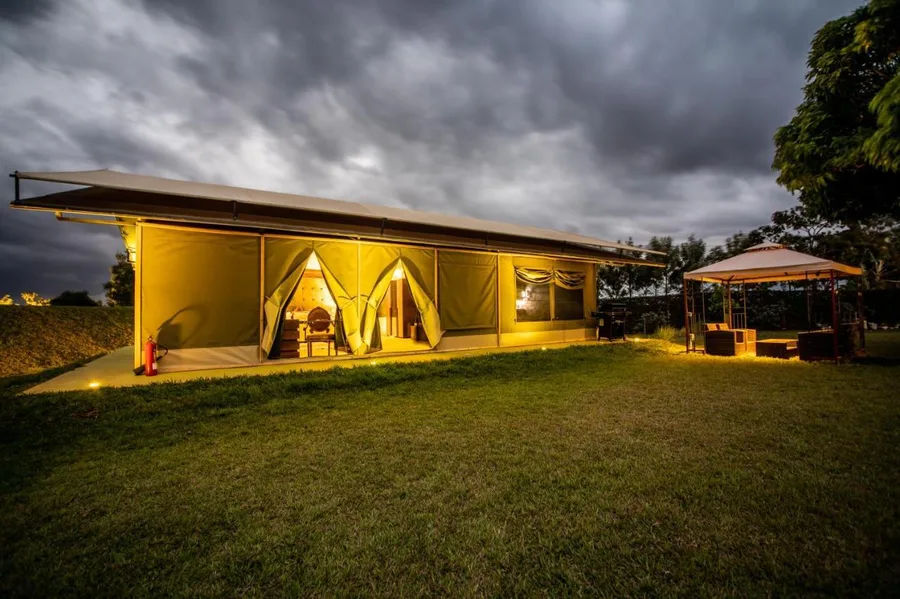
The standard pre-climb overnight near Moshi or Arusha
The standard, practical overnight base most climbers use the night before starting up Kilimanjaro.
Check Availability
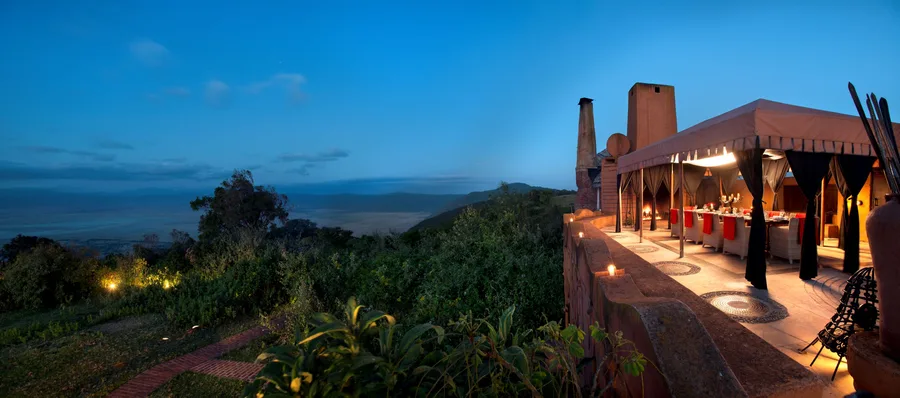
Crater-edge views, cold mornings, genuinely worth the extra layers
Crater-edge views that are genuinely worth the extra layers for the cold mornings.
Check AvailabilityZanzibar Beach Resort. The choice between the north and east coast genuinely matters — the north tends toward calmer water and a livelier resort scene, while the east coast sees more dramatic tidal swings that can leave the shoreline far from the water at low tide, worth checking against what kind of beach days you actually want.
Kilimanjaro Base Lodge. A comfortable night near Moshi or Arusha before a climb isn't just convenience — genuine rest and a real bed the night before a multi-day trek make a measurable difference to how climbers feel starting out, compared to arriving exhausted from a long-haul flight and heading straight to the trailhead.
Ngorongoro Rim Camp. The crater-edge setting means genuinely cold mornings, since altitude here is significant enough to bring temperatures well below what visitors typically expect from an African safari — the extra layers this location necessitates are a real, worthwhile trade for waking up directly above one of the most wildlife-dense landscapes on the continent.
Zanzibar's food scene is genuinely distinct from the mainland — spice-forward and seafood-heavy.
Stone Town's waterfront street food market — Zanzibar pizza, grilled seafood skewers.
Clove, cinnamon, and nutmeg farms often include a real home-cooked lunch.
Grilled meat and maize staple, standard mainland Tanzanian fare.
Forodhani Night Market. Zanzibar pizza, despite the name, isn't Italian pizza at all — it's a savory stuffed flatbread, folded around fillings like minced meat, egg, and vegetables and grilled on a flat surface, a genuinely local Stone Town street food invention that simply borrowed the name.
Spice Tour Cuisine. Zanzibar earned its "Spice Island" reputation for real historical reasons — clove production here once supplied a significant share of the world market — and a spice farm's home-cooked lunch typically uses many of the same spices grown on-site, a genuine farm-to-table experience rather than a staged tourist meal.
Nyama Choma & Ugali. This pairing — grilled meat alongside a firm maize-based staple — is genuine everyday mainland Tanzanian food, shared culturally with neighboring Kenya, and worth trying specifically because it's what's actually eaten daily, not a dish curated for visitors.
A genuine change of pace from the fireside evenings of the safari circuit.
Kilimanjaro isn't a family activity — Zanzibar's beaches and spice tours are.
Zanzibar has real beach bar culture. This is a genuine shift in register from the safari circuit's early-to-bed, fireside evenings — Zanzibar's beach bars, particularly along the north coast, run later and lean into a real social scene, worth building into a trip specifically as a change of pace, not just a place to sleep after the beach.
Zanzibar suits families better than a climb. Kilimanjaro genuinely isn't appropriate for young children — the altitude, physical demands, and multi-day exposure to cold make it unsuitable regardless of a child's fitness. Zanzibar's beaches and gentle spice tours, by contrast, are a real, well-established family destination within the same country.

Kilimanjaro's summit, the goal of every climb

The entire crater floor in a single frame

Some of the most photographed doorways in East Africa
Uhuru Peak at Sunrise. Climbers typically leave high camp around midnight to reach the summit by dawn, meaning the sunrise shot is genuinely earned after hours of exhausting, high-altitude night trekking — this context is part of why it's one of the most emotionally significant photos climbers take, not just a scenic shot.
Ngorongoro Crater Rim. Capturing the entire crater floor in one frame requires a wide-angle lens and, ideally, an early-morning visit before haze builds up over the course of the day — the rim viewpoints along the crater's edge road offer the clearest, most complete perspective.
Stone Town's Carved Doors. As covered in Attractions, the carving styles genuinely differ by cultural influence — photographing a range of doors across different neighborhoods, rather than just the most famous single example, captures more of what actually makes them notable as a collection.
Serious cold-weather layers for summit night. The temperature swing on Kilimanjaro is genuinely dramatic — climbers start in tropical heat at the base and can face temperatures well below freezing at the summit, often with real wind chill added on summit night specifically, making proper layering a genuine safety matter, not just comfort.
Broken-in hiking boots. New boots on a multi-day trek are a real, common cause of blisters serious enough to affect a climb — boots worn in well before departure, not fresh out of the box, matter more here than almost any other packing item.
Modest cover-up for Stone Town. Beyond general courtesy, this reflects Zanzibar's predominantly Muslim culture in a practical way — a cover-up kept in your bag for town visits, separate from beach wear, avoids needing to change outfits entirely between the beach and Stone Town's streets.
Reef-safe sunscreen. As with other Indian Ocean and coral reef destinations, standard sunscreen chemicals measurably harm coral — genuinely worth using around Zanzibar and Mafia Island's reef systems specifically.
Neutral-colored clothing & binoculars. The same safari logic that applies elsewhere in East Africa holds here — neutral tones for blending into the landscape, and binoculars because genuine wildlife distances in vehicle-based viewing are often greater than photos suggest.
A dry bag for island transitions. Moving between the mainland safari portion and Zanzibar often means boat transfers and humidity — a dry bag protects electronics and documents in a way a standard bag doesn't.
The Serengeti is part of Tanzania — this page covers the rest of the country: Kilimanjaro, Ngorongoro, and Zanzibar. Many trips combine the Serengeti with one or more of these.
No technical climbing skills are required on the standard routes — it's a long, high-altitude trek, not a climb requiring ropes or crampons. Good fitness and proper acclimatization matter far more than climbing experience.
4–5 days lets you split time between Stone Town and the beaches — 2–3 if it's purely an add-on after a mainland safari.
Serious cold-weather layers for summit night regardless of season — temperatures at the top can drop well below freezing even though you started in tropical heat at the base.
Is this different from visiting the Serengeti? The Serengeti is genuinely part of Tanzania, and many trips combine it with Kilimanjaro, Ngorongoro, and Zanzibar covered here — treating this page and a Serengeti-focused itinerary as complementary, not competing, options is usually the right framing.
Do I need climbing experience for Kilimanjaro? No technical skills are required on the standard routes — no ropes, no crampons — but this doesn't mean it's easy. Good cardiovascular fitness and, more importantly, proper acclimatization pacing matter far more to actually reaching the summit than any climbing background.
How many days do I need for Zanzibar? The 4-5 day figure accounts for genuinely splitting time between Stone Town's history and the beach resorts, which sit in different parts of the island — a shorter 2-3 day add-on after a mainland safari usually means picking one or the other rather than both.
What should I pack for Kilimanjaro specifically? The full reasoning — including why the temperature swing from base to summit is more dramatic than most climbers expect — is covered in the Packing section above.
Get the complete Tanzania guide as a beautifully designed, offline-ready PDF — every section organized for actual use in the field, plus a full packing checklist.
Turn your research into a trip designed around your actual dates, budget, and travel style — planned by a person, not a form.
EXPLORE GOATLAS CONSULTATIONSGenuinely recommended places to stay and eat, not filler — booked through our trusted travel partners.
Book hotels, flights, tours, airport transfers, travel insurance, and car rentals through GoAtlas's trusted global travel partners — all in one place.
Explore Trusted Travel PartnersA GoAtlas travel expert can build your full Tanzania itinerary — mountain, safari, or island — around your dates and budget.