Explore by Region
Antarctica
Genuinely the last continent most travelers ever set foot on — real expedition cruises to the bottom of the world.
Genuinely the last continent most travelers ever set foot on — real expedition cruises to the bottom of the world.
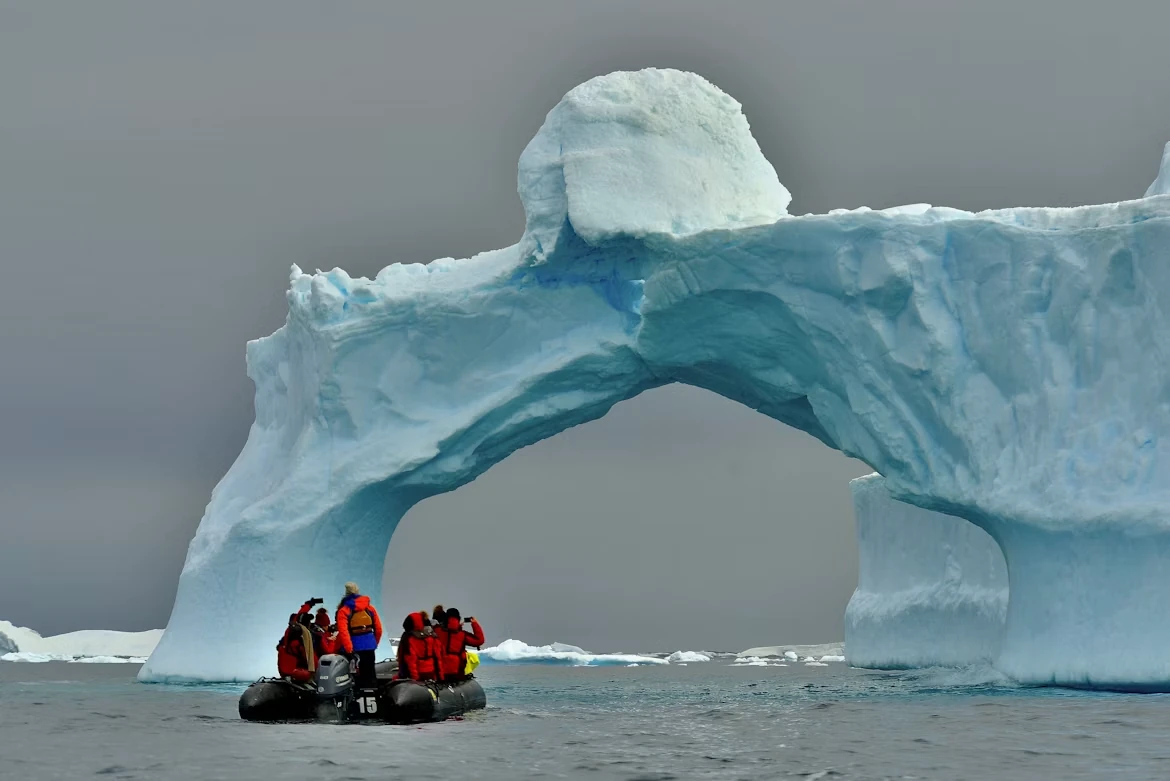
Antarctica is unlike every other region GoAtlas covers, starting with the fact that no one actually lives here. There are no cities, no roads, no hotels in the conventional sense — only research stations, expedition ships, and a landscape that has existed largely undisturbed by human presence.
That absence is precisely what draws travelers who make it this far south. The Antarctic Peninsula offers some of the most direct wildlife encounters left on Earth — penguin colonies numbering in the hundreds of thousands, whales feeding close enough to small expedition vessels to watch without binoculars. South Georgia Island, further out in the South Atlantic, adds real human history to the wildlife: it's where Ernest Shackleton is buried, at the site of the whaling station his final expedition returned to.
Access happens almost exclusively by expedition ship, typically departing from Ushuaia, Argentina — the world's southernmost city. This isn't a destination combined casually into a broader itinerary; it's usually the entire trip, planned around a narrow season and real advance commitment.
Antarctica isn't a country with cities the way other regions are — there's genuinely no permanent civilian population, and virtually all visits happen via expedition cruise, most departing from Ushuaia, Argentina. This hub is intentionally smaller than the others for that reason.

