Explore by Region
Middle East
Desert landscapes, ancient heritage, and genuinely futuristic skylines — real, fully-built destination guides, with more being added. Dubai, Petra, and Istanbul already have full guides on the Asia hub.
Desert landscapes, ancient heritage, and genuinely futuristic skylines — real, fully-built destination guides, with more being added. Dubai, Petra, and Istanbul already have full guides on the Asia hub.
The Middle East has functioned as a crossroads between Africa, Europe, and Asia for most of recorded history, and that position is still legible in its cities today. Petra was carved by the Nabataeans directly into sandstone cliffs along ancient trade routes; Istanbul — split between two continents — built its historic identity around controlling the strait between the Black Sea and the Mediterranean.
The region also holds genuine contrast between old and deliberately new. Dubai constructed a contemporary skyline essentially from scratch within a single generation, built around ambition rather than inherited history. Muscat and Beirut carry a longer, quieter continuity — old souks and waterfront neighborhoods that have functioned largely the same way for generations.
GoAtlas's Middle East guides follow both threads: the region's deep historical layering, and the specific, contemporary ambition reshaping cities like Dubai in real time.

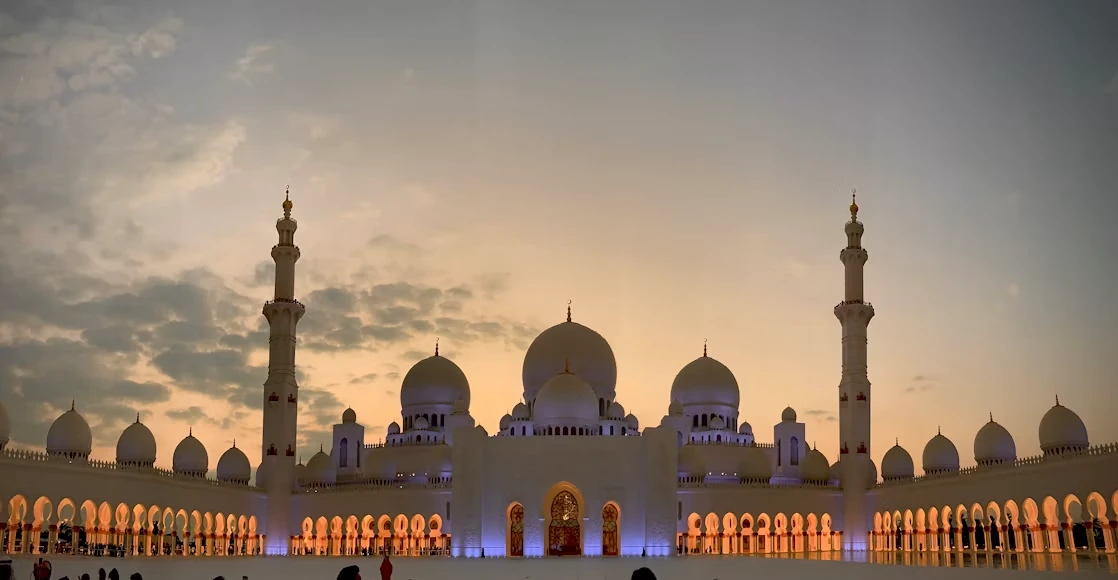
A genuinely more measured contrast to Dubai, culture-forward and grand

Genuinely one of the fastest-transformed skylines on Earth

A genuinely more traditional Gulf capital, real mountains meet the sea

Genuinely ancient Nabataean tombs, only recently opened to travelers

A genuinely resilient Mediterranean capital, real history and real nightlife

Genuinely a real gateway city, more than just a stop before Petra