Cusco sits at roughly 3,400 meters — higher than most people have ever stood, let alone slept. It's also where most Machu Picchu trips begin, which means a lot of travelers get their first real experience of altitude in a city, unpacking a suitcase, rather than partway up a mountain where it might feel more expected.
What it actually feels like
Not dramatic, at first. A headache that sits behind the eyes and doesn't respond much to water. Getting winded walking up a gentle hill that wouldn't register at sea level. A slightly foggy, unfocused feeling that's easy to mistake for jet lag. Sleep is often the first thing to go — waking up short of breath, or just sleeping badly for no obvious reason.
For most people it stays mild and resolves within a day or two of arrival. For a smaller number, it gets worse — real nausea, a headache that doesn't ease with rest, genuine dizziness. That's the point to stop pushing the itinerary and prioritize descending or resting, not toughing it out.
"It doesn't feel like a mountain problem. It feels like a bad night's sleep that won't go away — right up until it feels like more than that."
Why the Sacred Valley helps
The Sacred Valley towns — Ollantaytambo, Urubamba, Pisac — sit noticeably lower than Cusco, often by 600 meters or more. Spending a couple of nights there before heading up to Cusco proper, rather than flying straight in and immediately starting a trek, gives the body a gentler ramp instead of a wall. It's a small routing change with an outsized effect on how the first few days actually feel.
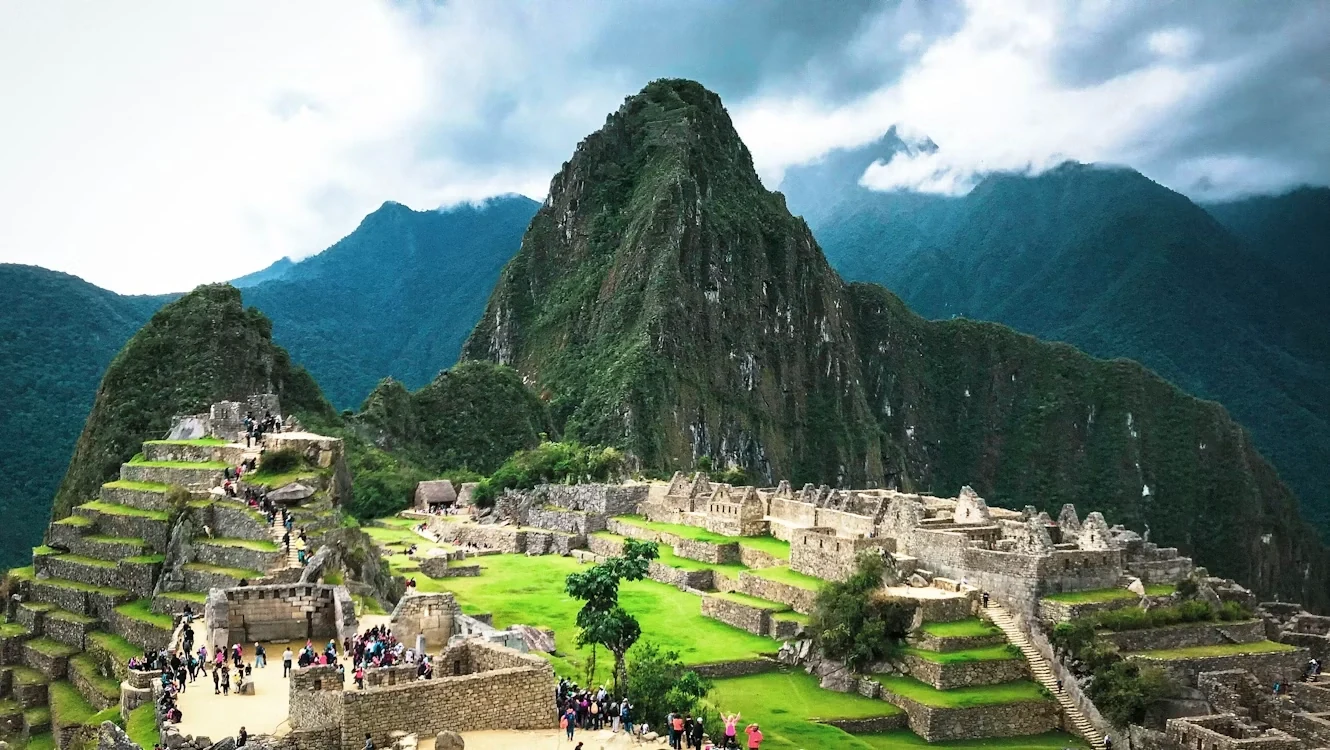
Machu Picchu itself, worth knowing, is actually lower than Cusco — around 2,430 meters. The hard part of the altitude curve is usually the days in Cusco before the ruins, not the ruins themselves.
What actually helped, in practice
- Arriving in the Sacred Valley first, Cusco second, rather than the reverse.
- Drinking more water than felt necessary, and going easy on alcohol for the first two days.
- Coca tea, offered almost everywhere in Cusco — a genuine local remedy, mild and worth trying.
- Building one deliberately unambitious day into the schedule before any serious hiking.
- Not underestimating a "we're basically just walking around town" first day — even that took more out of us than expected.
For the full logistics of getting here and planning around it, see our Machu Picchu destination guide.



Want an itinerary that actually accounts for acclimatization, not just flights and hotels? The GoAtlas team builds in the days that matter.
Speak with the GoAtlas Team