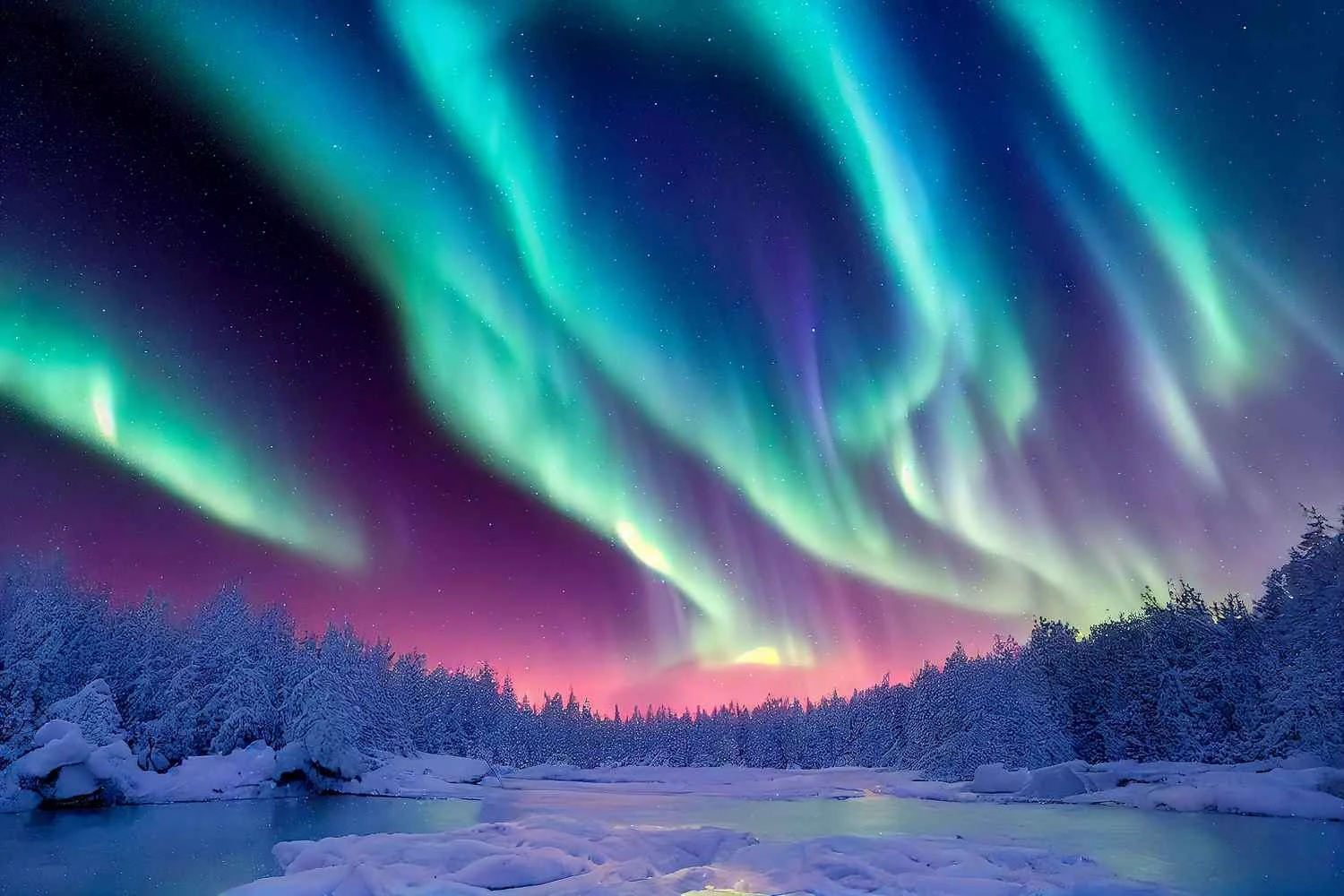
The aurora forecast apps make it look like a schedule — a KP index number, a percentage, a colored map. In practice, chasing the northern lights has far more in common with fishing than with checking a bus timetable. The forecast tells you the odds are decent. It does not tell you when, for how long, or whether the one cloud bank sitting over your exact location is going to ruin the whole night.
The KP index is a starting point, not a promise
A high KP forecast means geomagnetic activity is elevated somewhere on Earth — it doesn't guarantee visibility from your specific spot, and a modest KP reading has produced some of the most vivid displays on record when the timing and cloud cover lined up right. Treat the forecast as "worth going out tonight," not "guaranteed show at 10pm."
"We saw nothing for two nights on a 'good' forecast, then watched the sky turn green on a night the app rated mediocre."
Cold drains batteries faster than you'll expect
A fully charged battery can drop to near-empty in well under an hour in genuinely cold conditions. Bring at least two spares, keep them in an inside jacket pocket close to your body rather than in a camera bag, and swap them before they die rather than after — a battery that's gotten too cold sometimes won't recover even after warming back up mid-shoot.
A tripod isn't optional gear here
Aurora photography lives on long exposures, typically somewhere in the several-second range depending on how bright and fast-moving the display is. Handholding simply doesn't work at those shutter speeds. A sturdy tripod, plus a remote shutter or your camera's timer function to avoid touch-induced shake, are the two pieces of gear that matter more than anything else on the list — more than the lens, more than the camera body.
Get away from every light you can find
Even modest light pollution from a nearby town or a parking lot's floodlight noticeably washes out fainter displays. The difference between a mediocre and a spectacular set of photos is very often just distance from the nearest artificial light source, not anything about the aurora itself that night.
The best shots come from waiting, not from moving around
It's tempting to chase the sky, driving to a new spot every twenty minutes hoping for a better view. Most experienced aurora photographers do the opposite — pick one reasonably dark, reasonably open spot, and commit to staying put for a few hours. Displays often start faint, fade, and then return stronger later in the night. Leaving early because nothing's happening yet is the most common way to miss the actual show.
For the best regions and timing windows on the Ring Road itself, see our Iceland destination guide.



Planning a trip built around aurora season specifically? The GoAtlas team can time your route around the darkest, clearest windows.
Speak with the GoAtlas Team