Most people plan Rome the way they'd plan a museum visit — a checklist of sights, worked through in geographic order. It's the single fastest way to spend four days exhausted, sunburned, and irritated at how much of your trip happened in a queue. Rome rewards a different approach: think in neighborhoods and time-of-day, not a list of monuments to tick off.
Day 1 — Ancient Rome, early
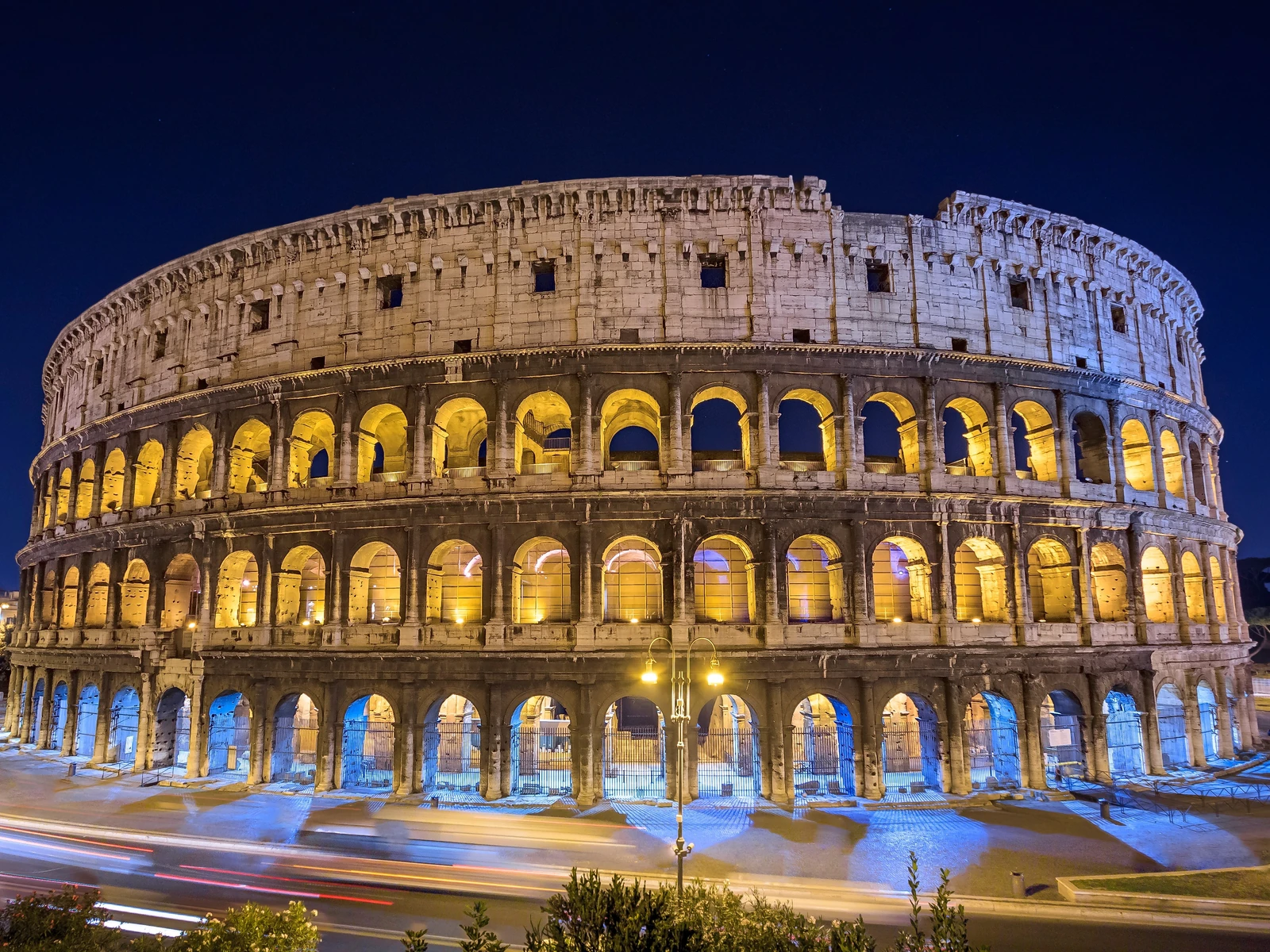
The Colosseum, Roman Forum, and Palatine Hill share one combined ticket, and the single biggest lever you have over your own experience is arrival time. Being at the gates before opening isn't a nice-to-have here — it's the difference between walking through the Forum's ruins in near-silence and shuffling through them in a wall of tour groups by 10am. Book timed entry in advance regardless of season; walk-up lines for the Colosseum routinely run over an hour even outside peak summer months.
"The Forum at 8:30am and the Forum at noon are barely the same place — one is contemplative, the other is a bottleneck."
Day 2 — Vatican City, and nothing else
Give the Vatican Museums and Sistine Chapel their own full morning rather than bolting them onto a bigger day. The walk from the museum entrance to the Sistine Chapel alone can take 45 minutes on a crowded day, and rushing it defeats the point. Afternoon is for St. Peter's Basilica itself — free to enter, genuinely enormous, and worth the climb up the dome if your legs are willing.
Day 3 — Trastevere and the centro storico, on foot
This is the day with no fixed itinerary, and it's usually the one people remember best. Trastevere's cobblestone streets reward aimless wandering more than any planned route could. Work your way toward the Pantheon by mid-afternoon — free entry, no advance booking required, and genuinely awe-inducing regardless of how many photos you've seen of that oculus beforehand. End near the Trevi Fountain after dark, when the crowds thin and the lighting does most of the work.
Day 4 — Whatever you missed, plus gelato math
Keep the last day deliberately loose. Rome has a way of producing a favorite unplanned stop — a quiet church with an unexpected Caravaggio, a market you wandered into by accident — and a fully scheduled last day leaves no room for it. One genuinely useful piece of local logic: gelato quality tends to correlate inversely with how brightly colored and how high the piles are stacked in the display case. The good stuff usually looks a little duller and sits lower.
For hotel areas, day-trip options, and a full practical breakdown, see our Rome destination guide.



Want this timed around your actual dates? The GoAtlas team can build a Rome itinerary around real opening hours, not just a generic list.
Speak with the GoAtlas Team