
Southern Europe · Ancient & Eternal
Rome
41.9028° N, 12.4964° E
A city where a 2,000-year-old amphitheater shares a neighborhood with your morning espresso, and a separate sovereign nation sits inside the city limits.
A city where a 2,000-year-old amphitheater shares a neighborhood with your morning espresso, and a separate sovereign nation sits inside the city limits.
Rome doesn't cordon off its ancient history into a museum district, the Pantheon still stands on a working piazza, the Roman Forum sits a short walk from a produce market, and ordinary apartment buildings incorporate 2,000-year-old walls into their foundations. Vatican City, a fully sovereign nation with its own postal system and army, sits entirely within the city, adding a genuinely unique second layer to any visit.
Nicknamed "the Eternal City," Rome has been continuously inhabited for roughly 2,800 years, longer than nearly any other major city on Earth. The Colosseum, completed in 80 CE, could hold an estimated 50,000 to 80,000 spectators, comparable to a modern major sports stadium.
Vatican City is genuinely the smallest sovereign state in the world, by both area and population. It maintains a real, functioning postal system and its own army, the Swiss Guard — a genuinely complete independent nation existing entirely within Rome's city limits.
The nickname "the Eternal City" genuinely dates back to ancient Rome itself. Roman poets used the phrase "urbs aeterna" — real, ancient confidence in the city's permanence that turned out to be accurate across roughly 2,800 years of continuous habitation.
The Colosseum's engineering was genuinely sophisticated for its era. A real retractable awning system, the velarium, could be deployed by sailors to shade the massive crowd — a technical achievement matching its real capacity of an estimated 50,000 to 80,000 spectators.
Rome's summer heat and crowds both peak together, worth planning around.
Comfortable temperatures and blooming gardens, before peak summer crowds.
Similarly mild, with the added bonus of thinner crowds than spring.
Hot, crowded, and the most expensive season, book major sites well ahead if traveling now.
Apr-Jun, Spring. Comfortable temperatures and blooming gardens make this genuinely one of the best windows, before real peak summer heat and crowds arrive together.
Sep-Oct, Autumn. Similarly mild, with the genuine added bonus of thinner crowds than spring.
Jul-Aug, Summer. Rome's heat and tourist volume genuinely peak at the same time — a real, compounding factor that makes this the most expensive, most crowded season to visit major sites.
Cards widely accepted; small cash amounts help for cafes and markets.
Many nationalities get 90 days visa-free within the Schengen zone, check your specific passport.
The center is compact; the metro and buses cover areas further out well.
Local eSIMs are affordable and simple to activate on arrival.
The Colosseum and Vatican Museums both have serious lines without pre-booked tickets.
St. Peter's Basilica and other major churches enforce this strictly.
Currency & Money. Cards are widely accepted, though genuine small cash amounts help for cafes and markets.
Visa. Schengen Area rules genuinely apply — many nationalities get 90 days visa-free, worth verifying against your specific passport.
Transportation. The historic center is genuinely compact and walkable — the metro and buses cover areas further out well for anything beyond central sightseeing.
Skip-the-Line Tickets. These are genuinely necessary, not just convenient — the Colosseum and Vatican Museums both have real walk-up lines that can run well over an hour without pre-booked, timed entry.
Dress Code. Covered shoulders and knees are genuinely strictly enforced at St. Peter's Basilica and other major churches — real, actual turn-aways happen at the door for violations, not just disapproving looks.
Rome is genuinely safe for tourists with normal city precautions, pickpocketing near major tourist sites and on crowded public transport is the main thing to stay aware of, not violent crime.
Rome is genuinely safe for tourists with normal city precautions. Pickpocketing near major tourist sites and on crowded public transport is the real, main thing to stay aware of — not violent crime, which remains genuinely rare.
Rome spans everything from budget hostels to five-star properties near the Spanish Steps.
| Item | Budget | Mid-range | Luxury |
|---|---|---|---|
| Hotel (per night) | $50 - $110 | $150 - $320 | $450 - $1,200+ |
| Colosseum + Forum ticket | $20 - $30 | $20 - $30 | Skip-the-line/guided |
| Vatican Museums ticket | $25 - $35 | $25 - $35 | Skip-the-line/guided |
| Meals | $15 - $30/day | $40 - $70/day | $100+/day |
Why Rome genuinely spans everything from budget hostels to five-star properties near the Spanish Steps. A real, mature, decades-established tourism market supports every price tier simultaneously — the ancient sites themselves cost the same real entry fee regardless of which end of that range you're staying at.
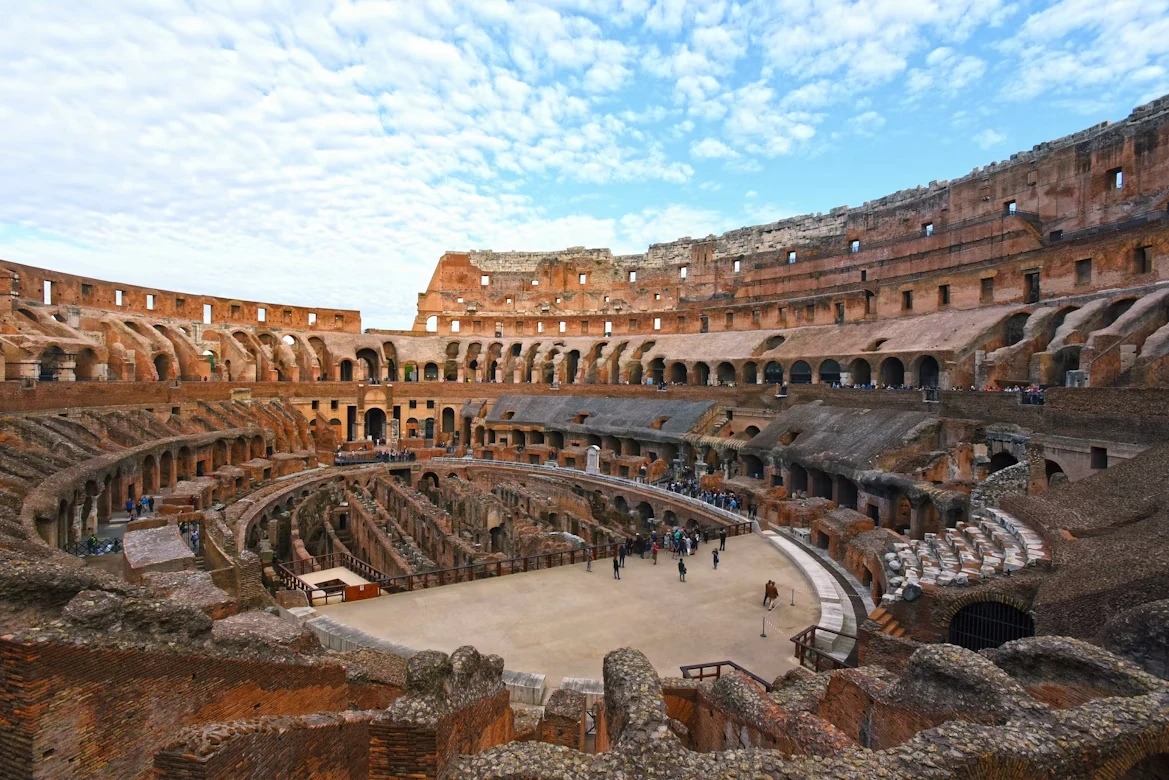
The largest amphitheater ever built, completed in 80 CE
Advance timed tickets are genuinely essential — walk-up lines can run over an hour.
Explore Experiences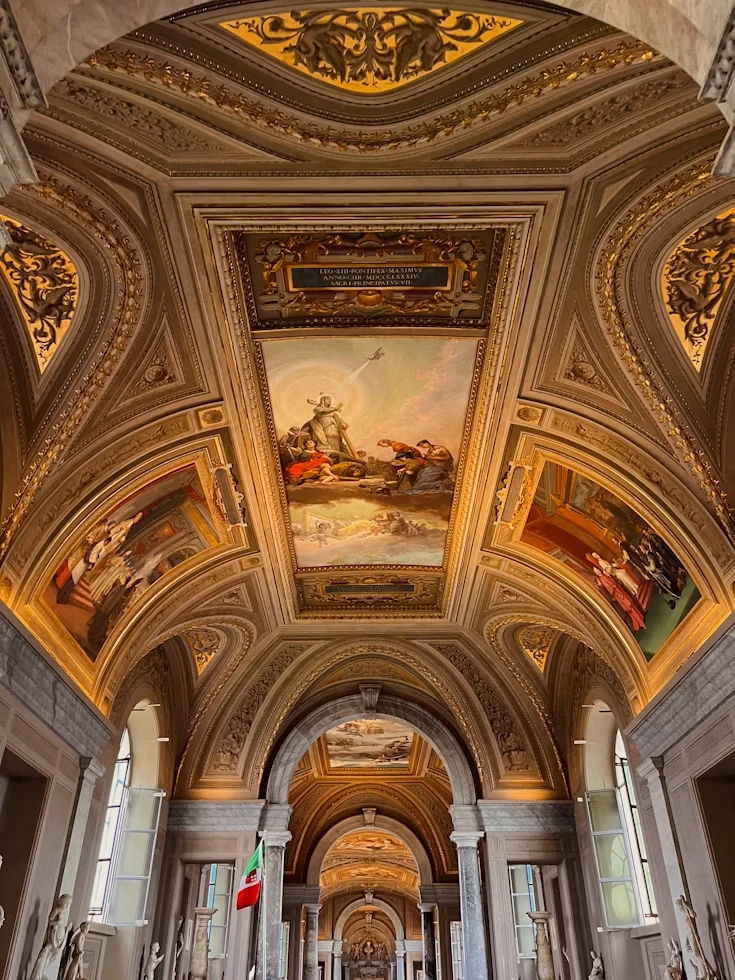
Michelangelo's ceiling, a genuinely unforgettable finale
A guided visit genuinely helps navigate the scale, ending with Michelangelo's ceiling.
Explore Experiences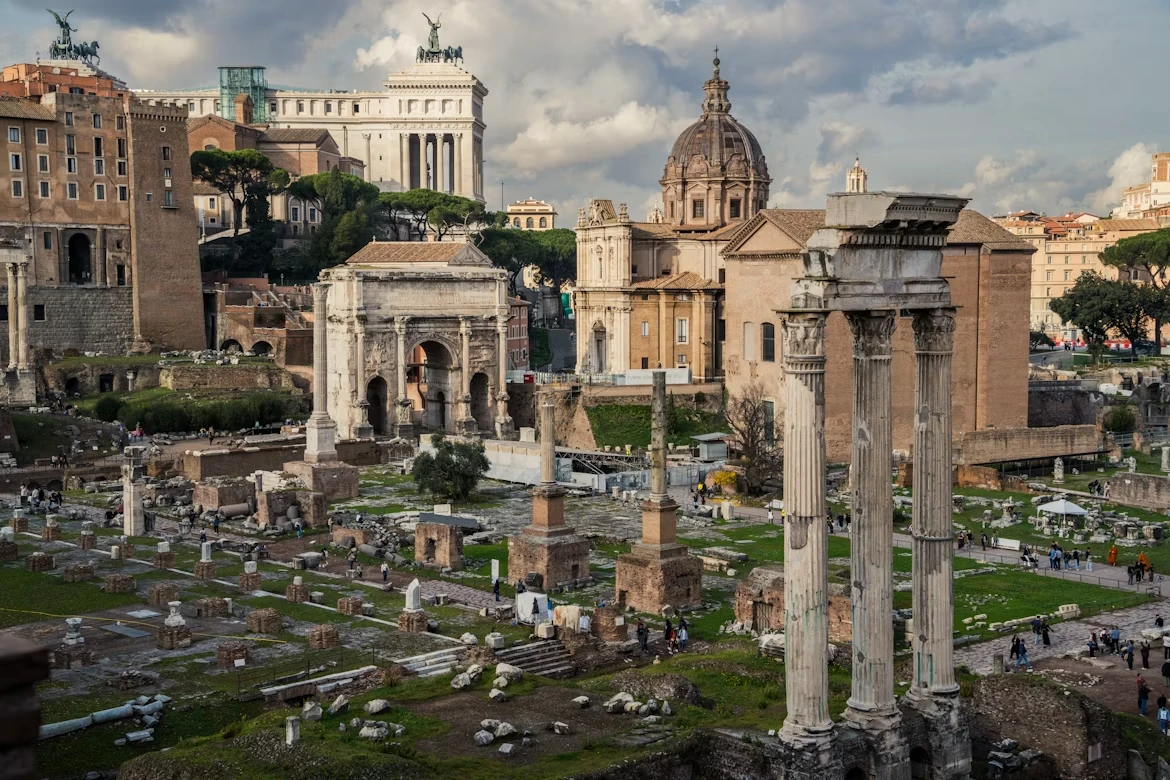
The political and social heart of ancient Rome
Best visited early, genuinely quieter and cooler before midday heat and crowds set in.
Explore ExperiencesThe Colosseum. Given the genuine velarium engineering covered in Overview, advance timed tickets are a real necessity — walk-up lines can run over an hour even outside peak season.
Vatican Museums & Sistine Chapel. Michelangelo genuinely completed the ceiling in about four years, 1508-1512, painting fresco directly onto wet plaster — a real technique requiring speed and precision, since mistakes couldn't simply be painted over once the plaster dried.
Roman Forum & Palatine Hill. This genuinely was the real political, commercial, and judicial center of ancient Rome — best visited early, when it's genuinely quieter and cooler before midday heat and crowds set in.
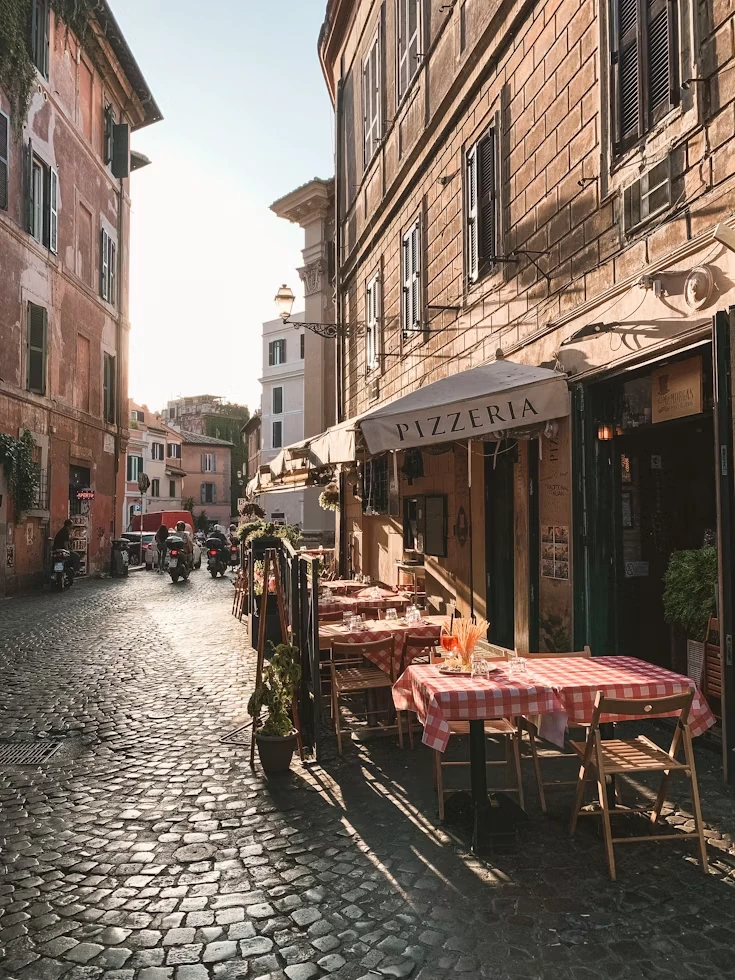
Cobblestone streets, genuinely local restaurants, less touristy
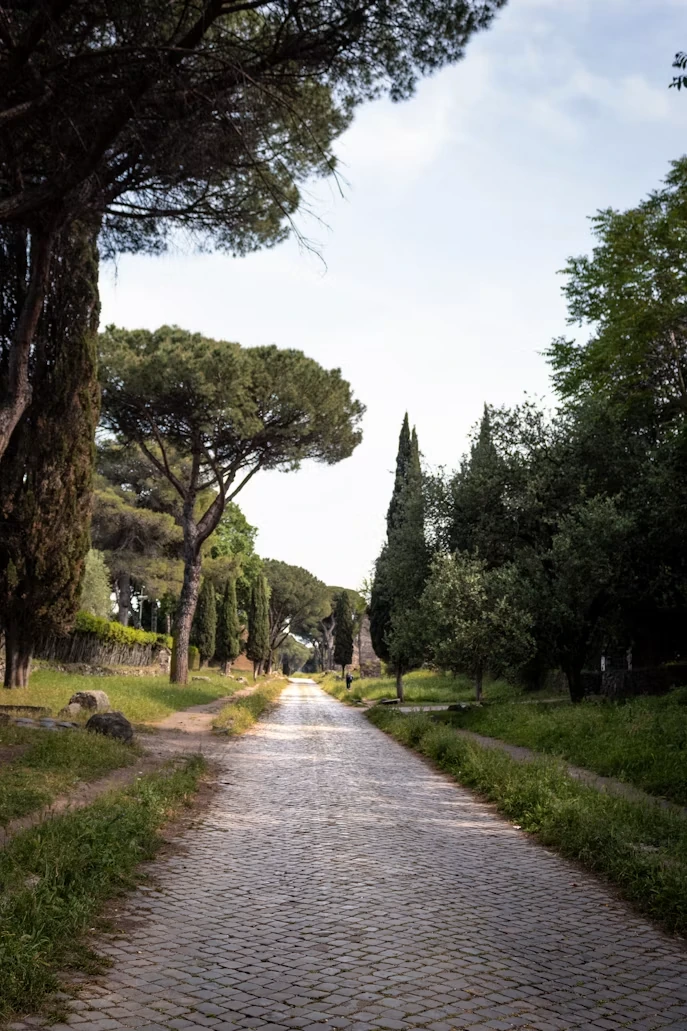
The original Appian Way, with real catacombs beneath it
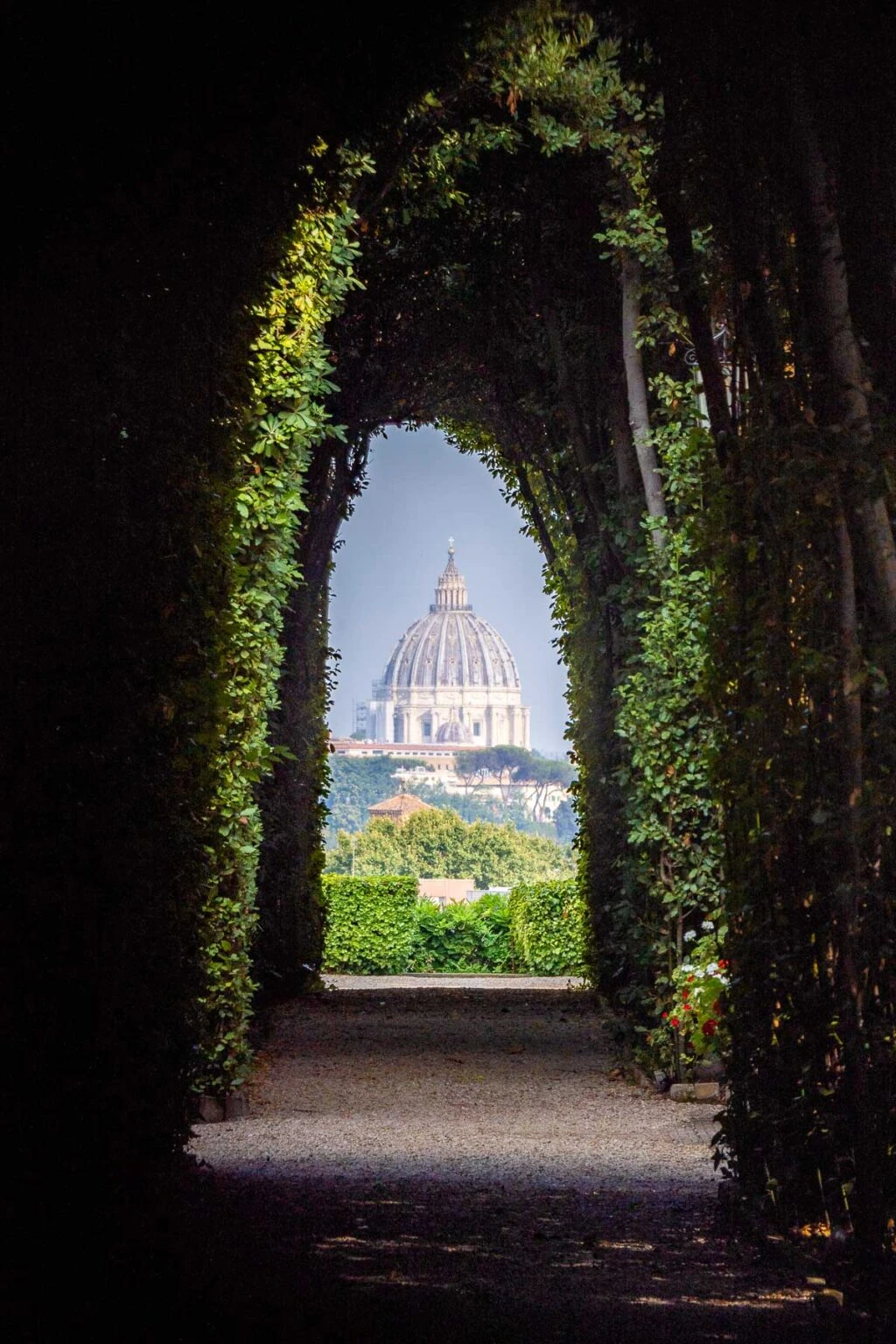
A famous keyhole view of St. Peter's dome, framed perfectly
Trastevere. This neighborhood genuinely began as a working-class district, and real cobblestone streets and local restaurants still reflect that character despite growing popularity.
Via Appia Antica. This genuinely is the original Appian Way, one of ancient Rome's earliest and most strategically important roads — real catacombs beneath it served as actual underground burial sites, still accessible to visit today.
The Aventine Keyhole. This genuinely famous keyhole view frames St. Peter's dome perfectly through a real, specific optical alignment — a small architectural detail that's become one of Rome's most photographed unexpected views.

Walking distance to the Pantheon and Trevi Fountain
Walking distance to the Pantheon and Trevi Fountain, genuinely the most central classic base.
Check Availability
A genuine local neighborhood feel, still central
A genuine local neighborhood feel, while staying centrally located.
Check Availability
Easy early access to the Vatican Museums before crowds arrive
Genuinely useful for reaching the Vatican Museums before the crowds arrive.
Check AvailabilityHistoric Center Boutique Hotel. Genuinely walking distance to the Pantheon and Trevi Fountain, this is the real, most central classic base.
Trastevere Guesthouse. Given the genuine neighborhood character covered in Hidden Gems, this offers a real local feel while staying centrally located.
Vatican-Area Hotel. Given genuine early-access value covered in Attractions, this is genuinely useful for reaching the Vatican Museums before the crowds arrive.
Roman cuisine is genuinely distinct from the rest of Italy, worth seeking out the local specialties.
Simple pasta with pecorino and black pepper, a genuine Roman specialty.
Fried rice balls with a molten mozzarella center, a Roman street food staple.
A genuine local food market, less touristy than the city center.
Cacio e Pepe. This genuinely simple pasta — just pecorino and black pepper — is deceptively difficult to execute well, since emulsifying the cheese without clumping is a real, genuine technique challenge that separates a good version from a mediocre one.
Supplì. These fried rice balls with a molten mozzarella center are genuinely a distinct Roman street food staple, different from Sicily's similar arancini in both size and filling tradition.
Testaccio Market. A genuinely local food market reflecting the neighborhood's real historic working-class roots, less touristy than the city center.
Bars and late dinners spilling onto cobblestone streets most evenings.
Its scale tends to land well with school-age children, gladiator history included.
Trastevere has genuine nightlife. Bars and late dinners genuinely spill onto real cobblestone streets most evenings, covered further in Hidden Gems.
The Colosseum genuinely captivates kids. Its real scale and gladiator history, covered in Attractions, tends to land well with school-age children specifically.
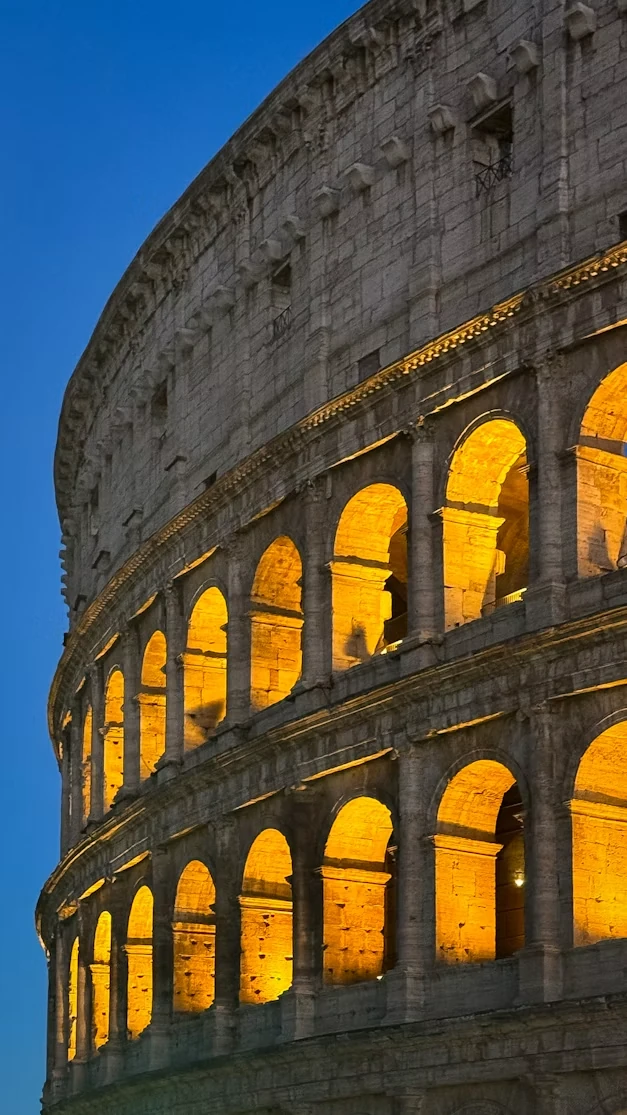
Softer light, fewer crowds in the frame
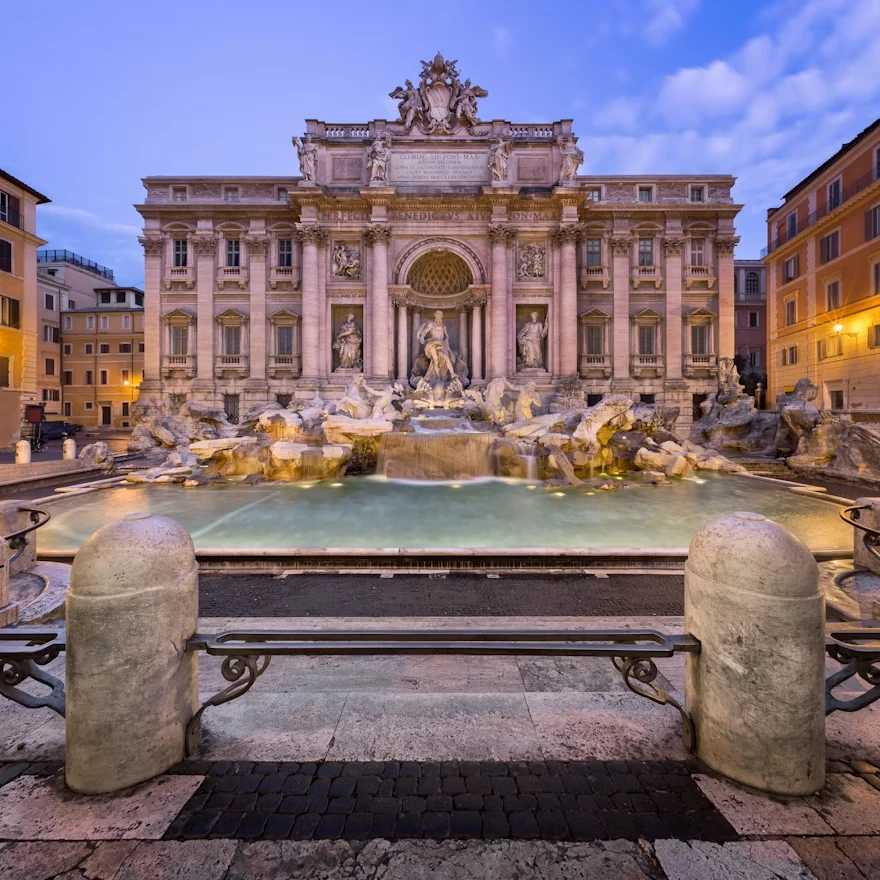
Best photographed early morning before the crowds gather
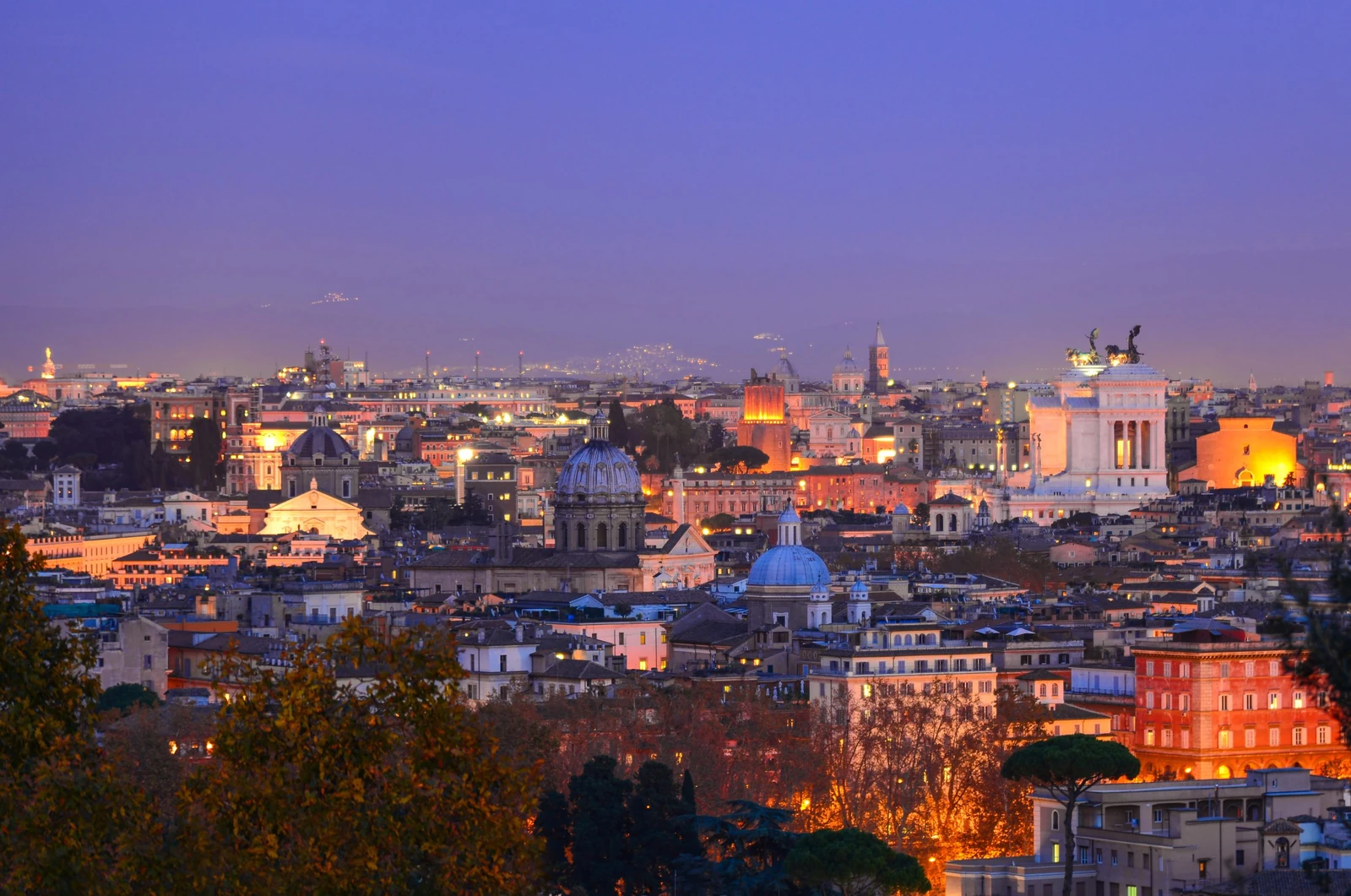
A genuinely sweeping view over the entire city
The Colosseum at Golden Hour. Given the genuine architecture covered in Overview, softer light here means real, fewer crowds visible in the frame than midday shots.
Trevi Fountain. Best photographed genuinely early morning, before the real crowds that gather here throughout the rest of the day.
Gianicolo Hill at Sunset. This offers a genuinely sweeping view over the entire city, a real, different perspective from ground-level landmark shots.
Comfortable shoes for cobblestones. Given genuine historic center terrain covered throughout this guide, real footwear support matters more here than flat city sidewalks.
A refillable water bottle. Rome's genuine public drinking fountains (nasoni) are everywhere — a real, practical way to stay hydrated without buying bottled water constantly.
Clothing covering shoulders and knees. Given genuine strict church enforcement covered in Practical Information, this avoids real turn-aways at major sites.
A light scarf. Genuinely useful as a quick cover-up if your outfit doesn't otherwise meet church dress requirements.
Pre-booked skip-the-line tickets. As covered in Practical Information, this genuinely saves real, significant time at the Colosseum and Vatican Museums.
A crossbody bag. Given genuine pickpocket patterns covered in Safety, this real, practical choice reduces easy targets in crowded areas.
4-5 days lets you genuinely cover the Colosseum, Vatican, and Roman Forum without feeling rushed, plus real time to wander Trastevere.
Yes, genuinely essential for the Colosseum and Vatican Museums, both have serious lines without pre-booked, timed-entry tickets, especially in peak season.
Yes, with normal city precautions. Pickpocketing near tourist sites and on crowded transport is the main thing to stay aware of, not violent crime.
Comfortable shoes for cobblestones, clothing covering shoulders and knees for churches, and pre-booked tickets for major sites.
How many days do I actually need? 4-5 days genuinely lets you cover the Colosseum, Vatican, and Roman Forum without feeling rushed, plus real time to wander Trastevere.
Do I need to book tickets in advance? Yes, genuinely essential for the Colosseum and Vatican Museums, covered in Practical Information — both have real, serious lines without pre-booked, timed-entry tickets, especially in peak season.
Is Rome safe for travelers? Yes, with normal city precautions, covered in Safety above — pickpocketing, not violent crime, is the real thing to stay aware of.
What should I pack? The reasoning behind each item — including why Rome's public fountains genuinely make a refillable bottle worth packing — is covered in the Packing section above.
Get the complete Rome guide as a beautifully designed, offline-ready PDF — every section organized for actual use in the field, plus a full packing checklist.
Turn your research into a trip designed around your actual dates, budget, and travel style — planned by a person, not a form.
EXPLORE GOATLAS CONSULTATIONSGenuinely recommended places to stay and eat, not filler — booked through our trusted travel partners.
Book hotels, flights, tours, airport transfers, travel insurance, and car rentals through GoAtlas's trusted global travel partners — all in one place.
Explore Trusted Travel PartnersA GoAtlas travel expert can build your full Rome itinerary, ancient sites, the Vatican, or both, around your dates and budget.