Explore by Region
Europe
From Santorini's cliffs to Iceland's ring road — real, fully-built destination guides, with more being added.
From Santorini's cliffs to Iceland's ring road — real, fully-built destination guides, with more being added.
No other region compresses so much distinct history into so little geography. A few hours by train can move you from Renaissance Florence to Alpine Switzerland to Vienna's imperial grandeur — each with its own language, architecture, and rhythm of daily life, each having developed in close proximity to the others for a thousand years or more.
That density is what makes Europe rewarding to plan properly rather than rush through. Rome's layers — ancient, Renaissance, contemporary — sit stacked on top of each other in the same city blocks. Santorini's whitewashed villages trace the rim of a caldera formed by one of history's largest volcanic eruptions. Reykjavik sits close enough to the Arctic Circle that a single Iceland trip can include both geothermal lagoons and genuine glacier country, depending only on which direction you drive.
GoAtlas's European guides cover the continent's defining cities alongside its more particular landscapes — the Norwegian fjords, the Swiss Alps — because a region this historically dense rewards travelers who know not just what to see, but which season, which neighborhood, and which hours of light make a place worth the detour.

The Eiffel Tower, the Louvre, timeless boulevards

Blue domes, caldera views, Aegean sunsets

The Ring Road, glaciers, the Northern Lights

Ancient ruins, the Vatican, timeless piazzas

Canals, gondolas, a city built on water

Gaudí's architecture and Mediterranean beaches

History, royalty, and a genuinely global city

Canals, cycling culture, world-class museums
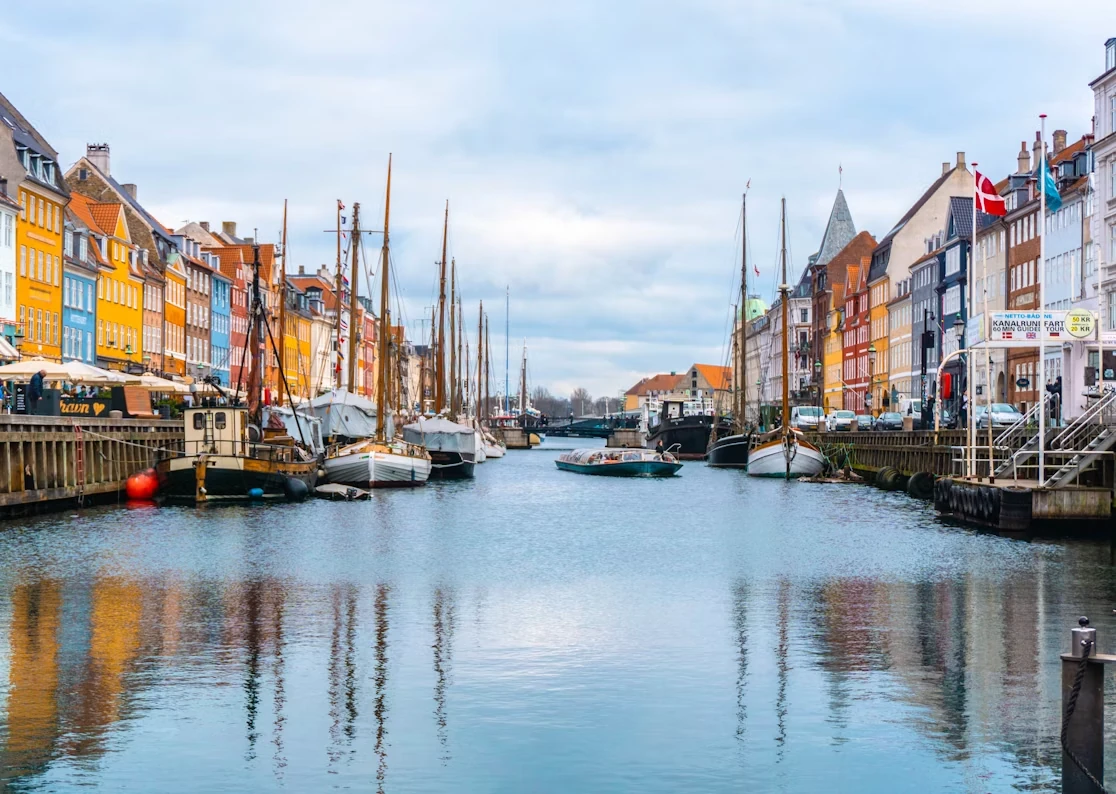
Colorful harbors, Tivoli Gardens, genuine hygge culture

Alpine peaks, glacier trains, mountain villages

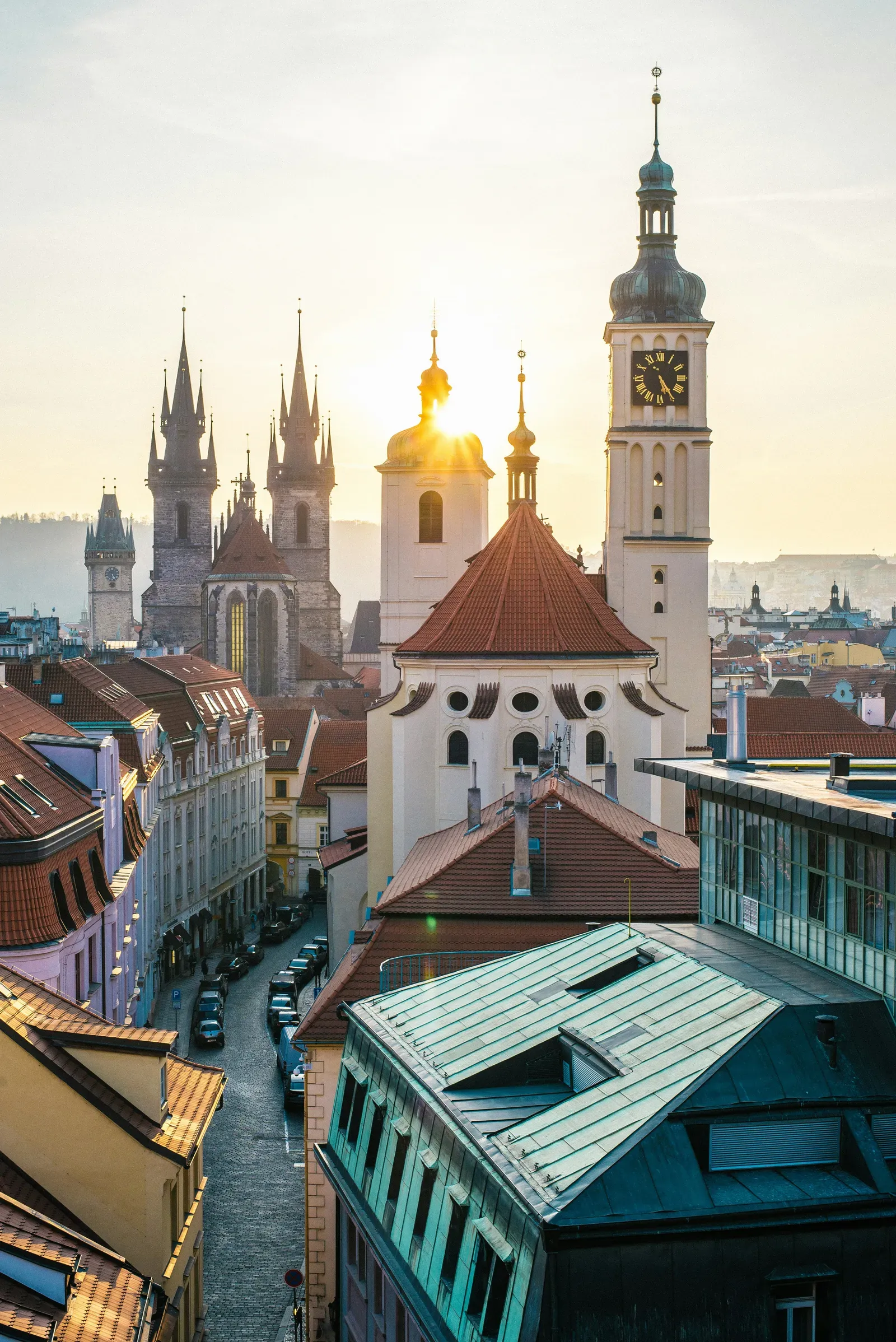
A fairy-tale old town, largely untouched by war

Imperial palaces and a genuine music history

Pastel hills, trams, and real Portuguese soul

A medieval old town beneath a real castle

Dramatic cliffs plunging straight into the sea