A basilica that's been under construction for over 140 years, a medieval quarter you can genuinely get lost in, and real sandy beaches a short walk from the city center.
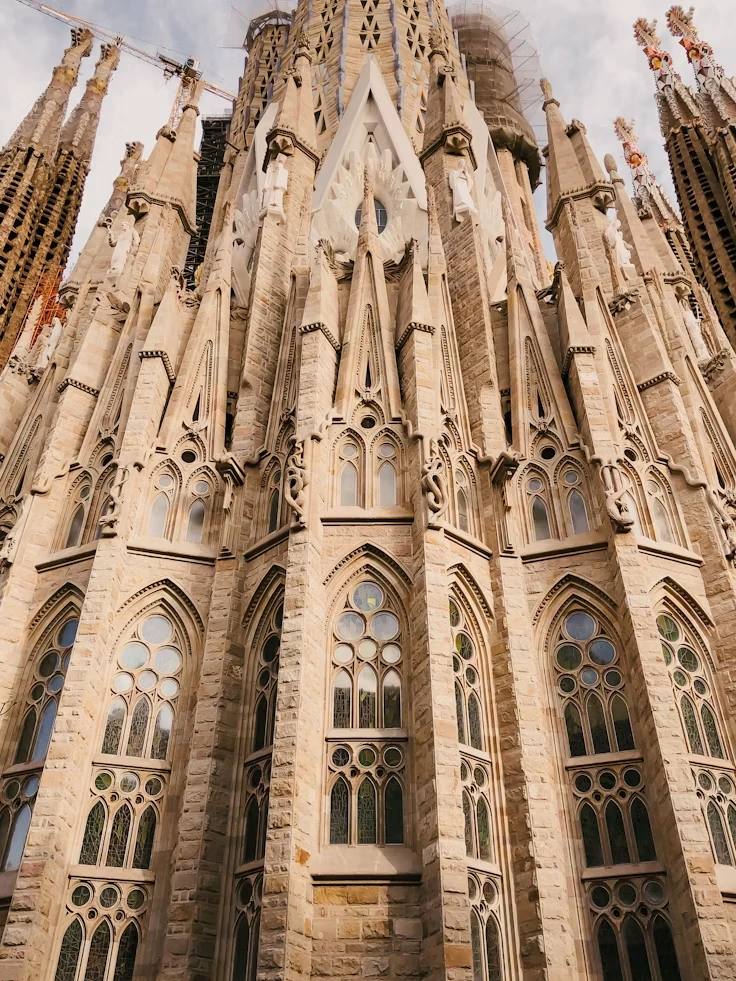
Barcelona pairs two things few European capitals combine, genuinely striking architecture (Antoni Gaudí's work is everywhere, not confined to one museum) and real sandy city beaches a short walk from the historic center. The Gothic Quarter's narrow medieval streets sit a short stroll from Barceloneta's beachfront, a genuinely different pace of city than Rome or Paris.
Catalan, not Spanish, is the everyday language most locals speak and the region's primary cultural identity, distinct from the rest of Spain. The Sagrada Familia, Gaudí's masterwork basilica, began construction in 1882 and remains unfinished, a genuinely unusual, still-active construction project you can visit mid-build.
Catalan identity here is genuinely distinct, not a regional accent of Spanish culture. The language, traditions, and cultural identity carry real, deep historical roots specific to Catalonia — worth understanding as its own thing when visiting, not simply "Spain with a different word for hello."
The Sagrada Familia has genuinely never received government construction funding. It's been built entirely through private donations and ticket sales since 1882 — a real, unusual funding model that's part of why completion timelines have shifted repeatedly across more than a century of construction.
UNESCO genuinely recognizes seven separate Gaudí works across Barcelona collectively, not just the Sagrada Familia alone. This is a real, citywide architectural legacy rather than a single standout building.
Barcelona's Mediterranean climate is milder than much of inland Spain.
Warm enough for the beach, before peak summer heat and crowds.
Similarly pleasant, with the sea still warm from summer.
Hot and crowded, the most expensive and busiest season to visit.
May-Jun, Late Spring. Warm enough for the beach, genuinely before peak summer heat and crowds arrive.
Sep-Oct, Early Autumn. Similarly pleasant, with the sea genuinely still warm from summer — a real, comparable alternative window to late spring.
Jul-Aug, Summer. Hot and crowded, genuinely the most expensive and busiest season — Barcelona's real Mediterranean climate makes this window busier than much of inland Spain during the same months.
Cards widely accepted; small cash amounts help for markets and small cafes.
Many nationalities get 90 days visa-free within the Schengen zone, check your specific passport.
The city is genuinely well-connected by metro, most sights are a short ride apart.
Local eSIMs are affordable and simple to activate on arrival.
Timed-entry tickets genuinely sell out, especially for tower access.
The main tourist strip is a known pickpocket hotspot, standard city awareness applies.
Currency & Money. Cards are widely accepted, though genuine small cash amounts help for markets and small cafes.
Visa. Schengen Area rules genuinely apply — many nationalities get 90 days visa-free, worth verifying against your specific passport.
Transportation. The metro genuinely connects most major sights within a short ride — real, efficient coverage across the city.
Sagrada Familia Tickets. Given the genuine funding model and demand covered in Overview, timed-entry tickets genuinely sell out, especially for the separate, limited tower access tier.
Pickpocket Awareness. Las Ramblas is a genuine, well-documented pickpocket hotspot due to real dense tourist foot traffic — standard city awareness specifically here matters more than in less crowded parts of the city.
Barcelona is genuinely safe for tourists with normal city precautions. Pickpocketing on Las Ramblas and crowded metro lines is the main issue, not violent crime.
Barcelona is genuinely safe for tourists with normal city precautions. Pickpocketing on Las Ramblas and crowded metro lines, covered in Practical Information, is the real main issue — not violent crime, which remains genuinely rare.
Barcelona is genuinely more affordable than Paris or London for a comparable experience.
| Item | Budget | Mid-range | Luxury |
|---|---|---|---|
| Hotel (per night) | $50 - $100 | $140 - $300 | $400 - $1,000+ |
| Sagrada Familia ticket | $28 - $45 | $28 - $45 | Guided tour |
| Park Güell ticket | $12 - $18 | $12 - $18 | $12 - $18 |
| Meals | $15 - $25/day | $40 - $70/day | $100+/day |
Why Barcelona is genuinely more affordable than Paris or London for a comparable experience. Real cost-of-living differences across Spain mean hotels, dining, and major attractions all cost meaningfully less here, without a lesser real quality of experience.

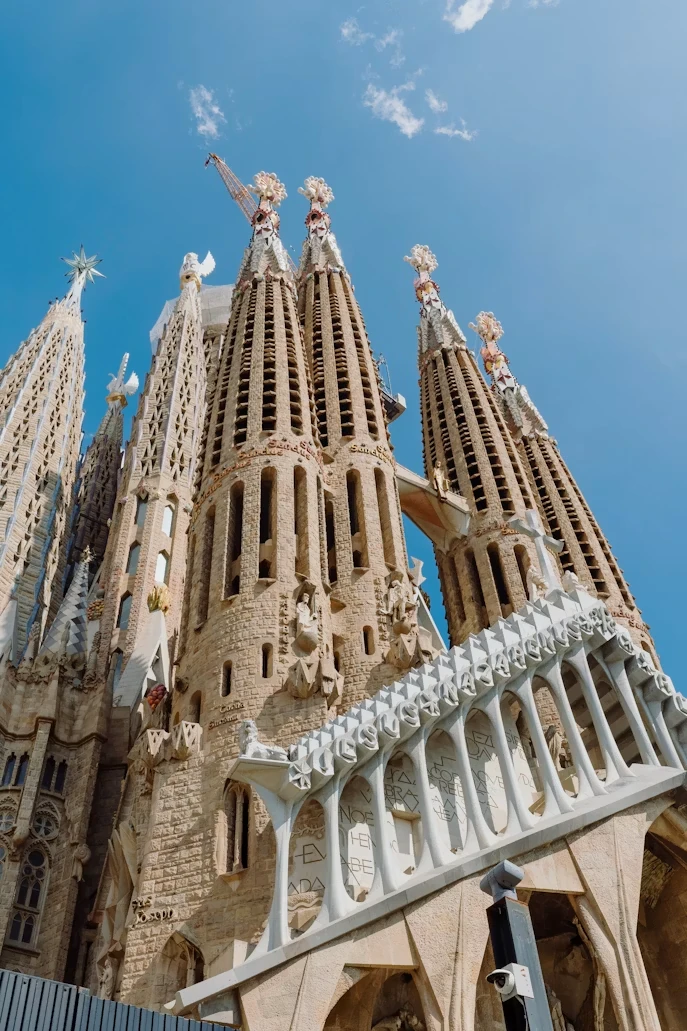
Gaudí's unfinished basilica, over 140 years in the making
Timed entry is genuinely essential — this is Barcelona's most-visited site and tickets sell out.
Explore Experiences
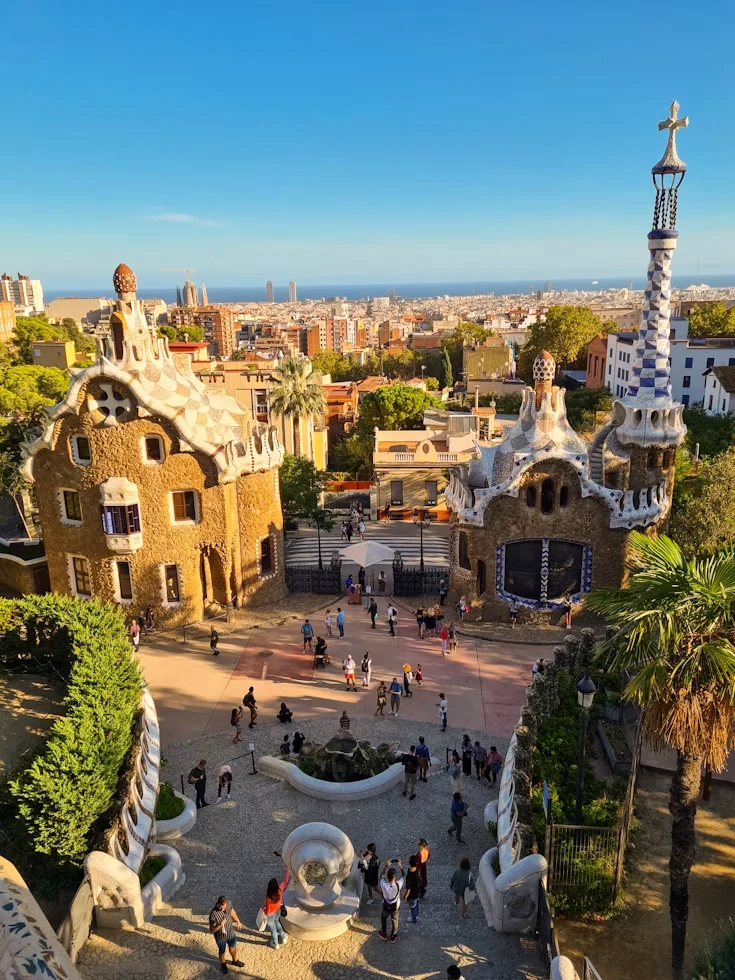
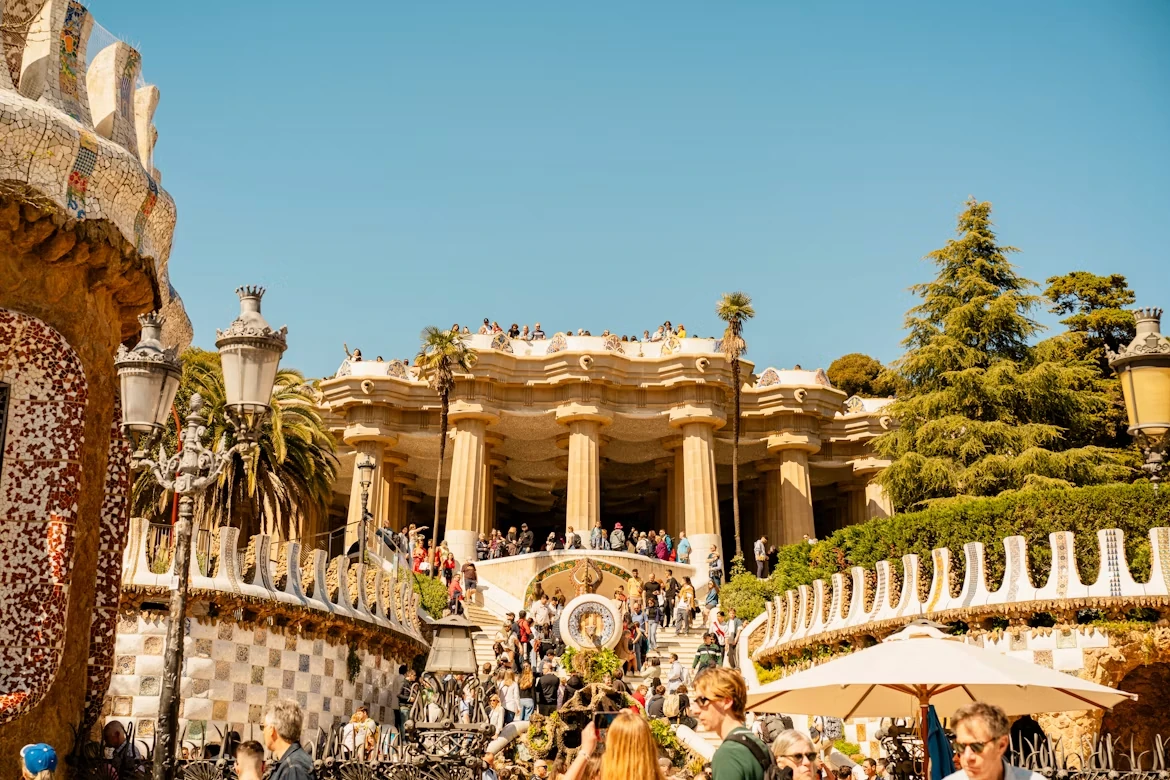
A public park covered in Gaudí's distinctive mosaic work
The main monumental zone requires a timed ticket, genuinely worth booking ahead in high season.
Explore Experiences
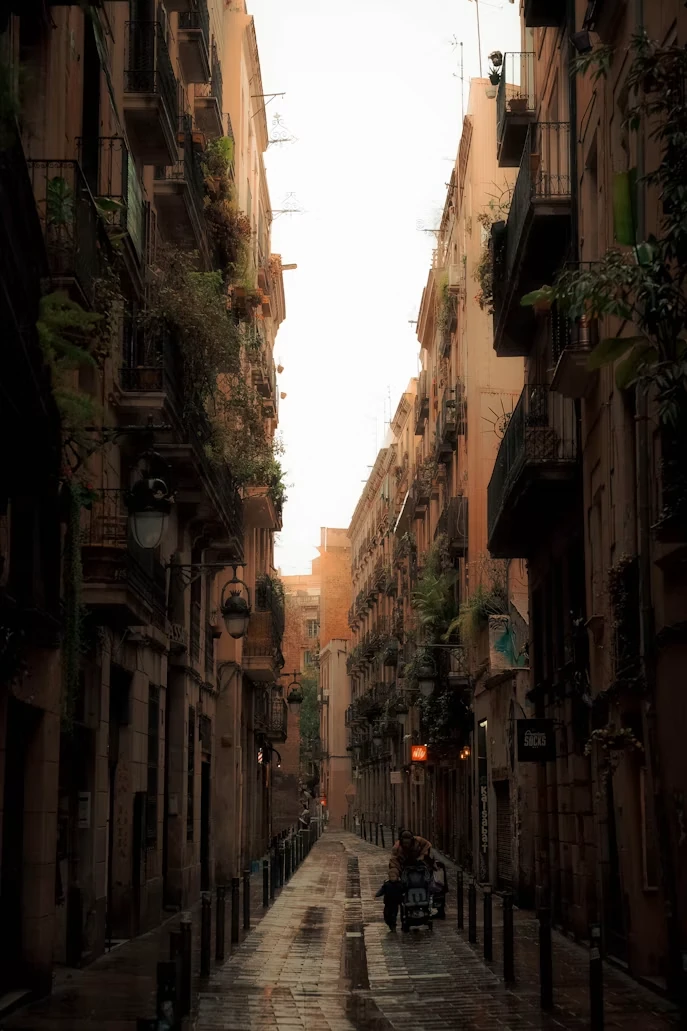
Genuinely medieval, narrow streets easy to get lost in on purpose
Best explored without a fixed route — genuinely easy, and enjoyable, to get lost on purpose.
Explore ExperiencesSagrada Familia. Given the genuine funding history covered in Overview, timed entry is a real necessity — this remains Barcelona's most-visited site, over 140 years into an active, still-unfinished construction project.
Park Güell. This genuinely began as a failed real estate development — Gaudí originally designed it as a private, upscale housing project that never attracted enough buyers, later converted into the real public park now covered in Gaudí's distinctive mosaic work.
Gothic Quarter (Barri Gòtic). These genuinely medieval, narrow streets are best explored without a fixed route — real, easy and enjoyable to get lost in on purpose.

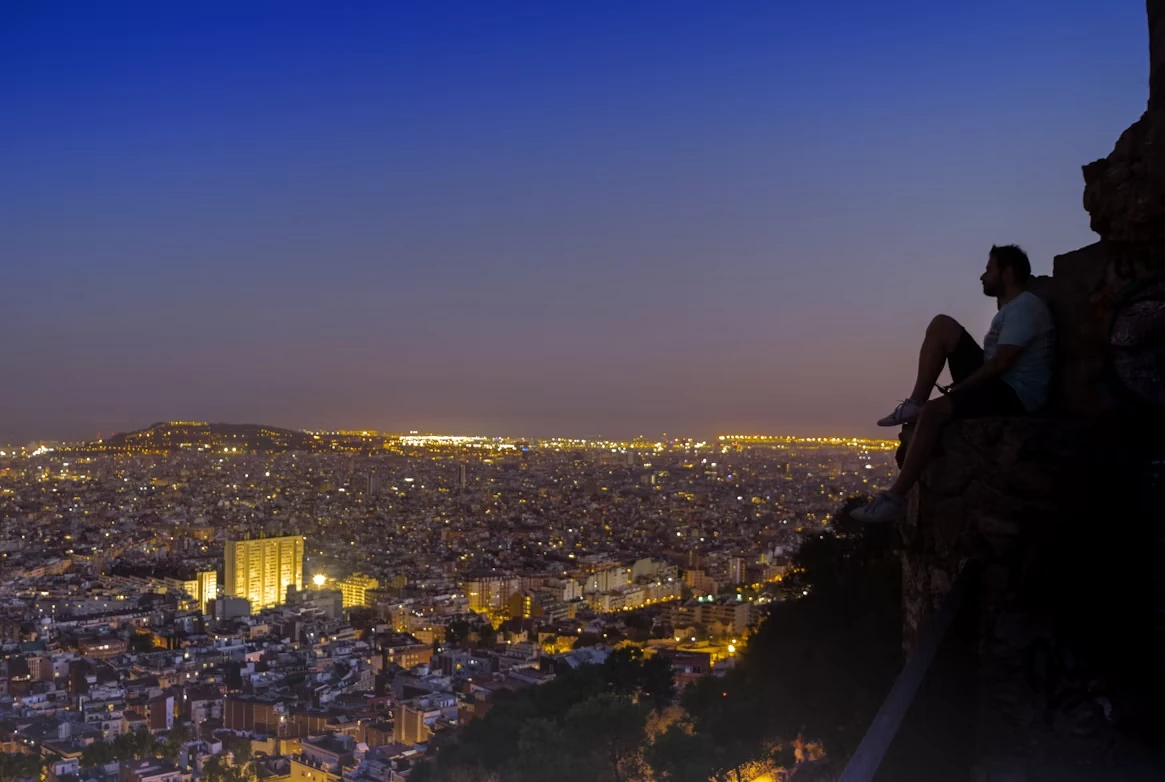
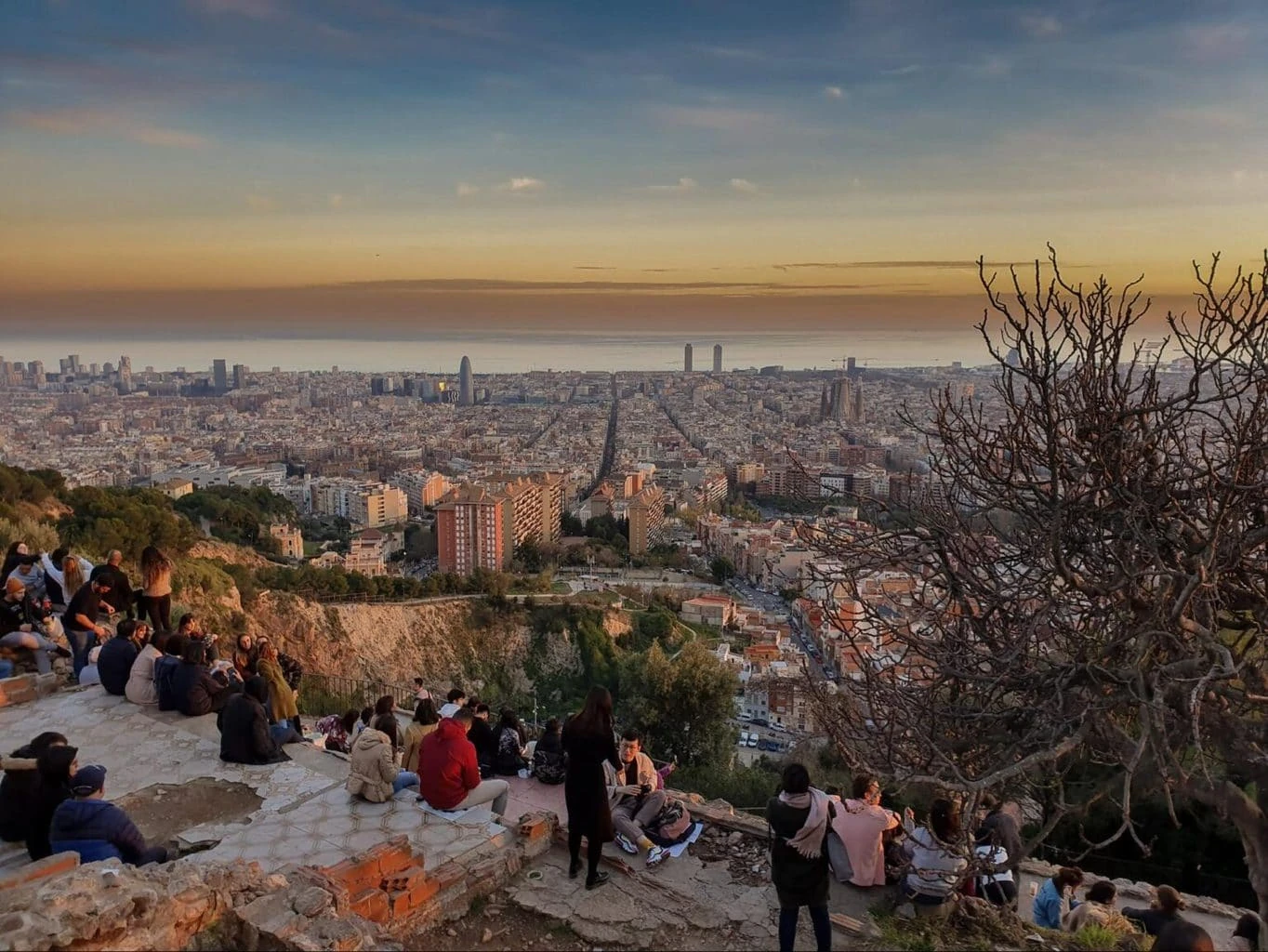
A genuinely sweeping city panorama, far fewer tourists than Park Güell

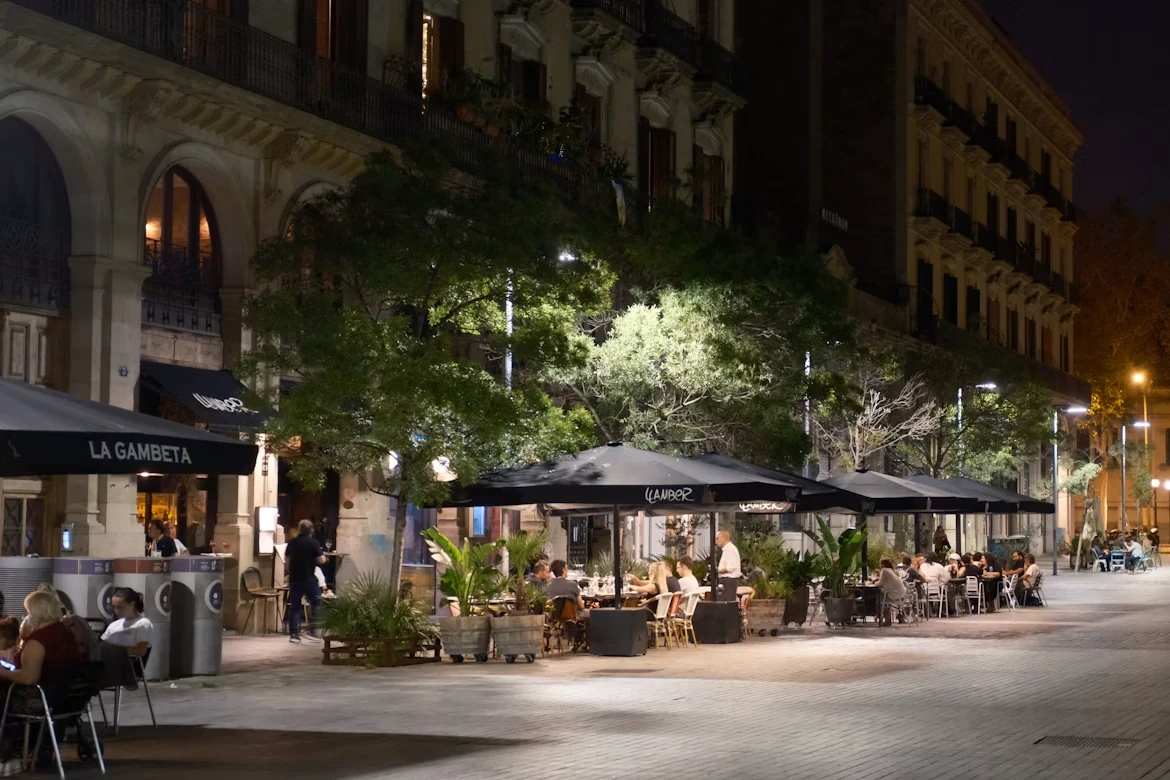
Boutiques and tapas bars, a genuinely local vibe near the Gothic Quarter

Castle, gardens, and views, a genuine escape from the crowds below
Bunkers del Carmel. These genuinely began as real anti-aircraft bunkers during the Spanish Civil War — now a real, sweeping city panorama with far fewer tourists than Park Güell, carrying a distinct layer of history beneath the view.
El Born. This genuinely was a historic maritime and trading district — real boutiques and tapas bars today sit atop centuries of that commercial history.
Montjuïc. This hilltop genuinely hosted the 1929 World's Fair, and its real historic fortress predates that by centuries — castle, gardens, and views combining multiple layers of the city's history in one place.

Central, walking distance to Sagrada Familia
Central and walking distance to Sagrada Familia, a genuinely convenient base.
Check Availability
Sand and sea steps from your room
Sand and sea steps from your room, genuinely hard to beat for a beach-city combination.
Check Availability
A genuinely medieval-street stay, right in the old city
A genuinely medieval-street stay, right inside the old city's narrow lanes.
Check AvailabilityEixample District Hotel. Central and genuinely walking distance to Sagrada Familia, covered in Attractions, this is a real convenient base.
Barceloneta Beach Hotel. Sand and sea genuinely steps from your room — a real, hard-to-beat beach-city combination unique to Barcelona among major European capitals.
Gothic Quarter Guesthouse. Given the genuine medieval streets covered in Attractions, this offers a real atmospheric stay right inside the old city's narrow lanes.
Catalan cuisine is genuinely distinct from the rest of Spain, worth seeking out specifically.
Bread rubbed with tomato and olive oil, a genuine Catalan staple.
A famous, genuinely bustling food market just off Las Ramblas.
Small plates and vermouth, a genuine local evening ritual.
Pa amb Tomàquet. This genuinely simple bread rubbed with tomato and olive oil is a real Catalan staple, distinct from broader Spanish cuisine covered in Overview.
La Boqueria. This famous market genuinely dates back centuries, a real, bustling institution just off Las Ramblas, not a modern tourist creation.
El Born Tapas Bars. Small plates paired with vermut, a real Spanish aperitif tradition, reflect a genuine local evening ritual here, not a performance for visitors.
Dinners start late and nights run later, a real Spanish rhythm, not just for tourists.
Beaches, parks, and Gaudí's playful architecture all land well with kids.
Barcelona has genuine late-night culture. Dinners genuinely start late and nights run later — a real Spanish rhythm reflected citywide, not something scheduled around tourists.
Genuinely family-friendly. Beaches, parks, and Gaudí's genuinely playful architecture, covered throughout this guide, all land well with kids.

Genuinely striking from nearly any angle, inside or out

The whole city laid out below, genuinely worth the climb

Gaudí's tilework against the city skyline
Sagrada Familia's Towers. Given the genuine ongoing construction covered in Attractions, this is genuinely striking from nearly any angle, inside or out.
Bunkers del Carmel at Sunset. Given the genuine history covered in Hidden Gems, the whole city laid out below is genuinely worth the climb for this specific view.
Park Güell's Mosaic Terrace. Given the genuine Gaudí tilework covered in Attractions, this offers a real, distinctive composition against the city skyline.
Swimwear. Given genuinely usable city beaches covered in Overview, this is a real, practical inclusion most visitors to a European capital don't expect to need.
Reef-safe sunscreen. Genuinely worth using given the city's real coastal setting.
Comfortable shoes for the Gothic Quarter's cobblestones. Given genuine medieval terrain covered in Attractions, real footwear support matters here.
A crossbody bag. Given genuine pickpocket patterns covered in Safety, this real, practical choice reduces easy targets in crowded areas.
Pre-booked Sagrada Familia tickets. As covered in Practical Information, this genuinely avoids the real risk of a sold-out visit.
A phrasebook with Catalan phrases. Given the genuine distinct local identity covered in Overview, a few real Catalan phrases go further locally than Spanish alone.
4-5 days genuinely covers the Sagrada Familia, Park Güell, the Gothic Quarter, and real beach time without feeling rushed.
Yes, genuinely essential for the Sagrada Familia, especially tower access, tickets sell out well ahead in peak season.
Yes, with normal city precautions. Pickpocketing on Las Ramblas and crowded metro lines is the main thing to stay aware of, not violent crime.
Swimwear if you plan to use the city beaches, comfortable shoes for the Gothic Quarter's cobblestones, and pre-booked tickets for the Sagrada Familia.
How many days do I actually need? 4-5 days genuinely covers the Sagrada Familia, Park Güell, the Gothic Quarter, and real beach time without feeling rushed.
Do I need to book tickets in advance? Yes, genuinely essential for the Sagrada Familia, especially tower access, covered in Practical Information — tickets sell out well ahead in peak season.
Is Barcelona safe for travelers? Yes, with normal city precautions, covered in Safety above — pickpocketing, not violent crime, is the main real thing to stay aware of.
What should I pack? The reasoning behind each item — including why swimwear genuinely earns a spot on a European capital's packing list — is covered in the Packing section above.
Get the complete Barcelona guide as a beautifully designed, offline-ready PDF — every section organized for actual use in the field, plus a full packing checklist.
Turn your research into a trip designed around your actual dates, budget, and travel style — planned by a person, not a form.
EXPLORE GOATLAS CONSULTATIONSGenuinely recommended places to stay and eat, not filler — booked through our trusted travel partners.
Book hotels, flights, tours, airport transfers, travel insurance, and car rentals through GoAtlas's trusted global travel partners — all in one place.
Explore Trusted Travel PartnersA GoAtlas travel expert can build your full Barcelona itinerary, architecture, the beach, or both, around your dates and budget.