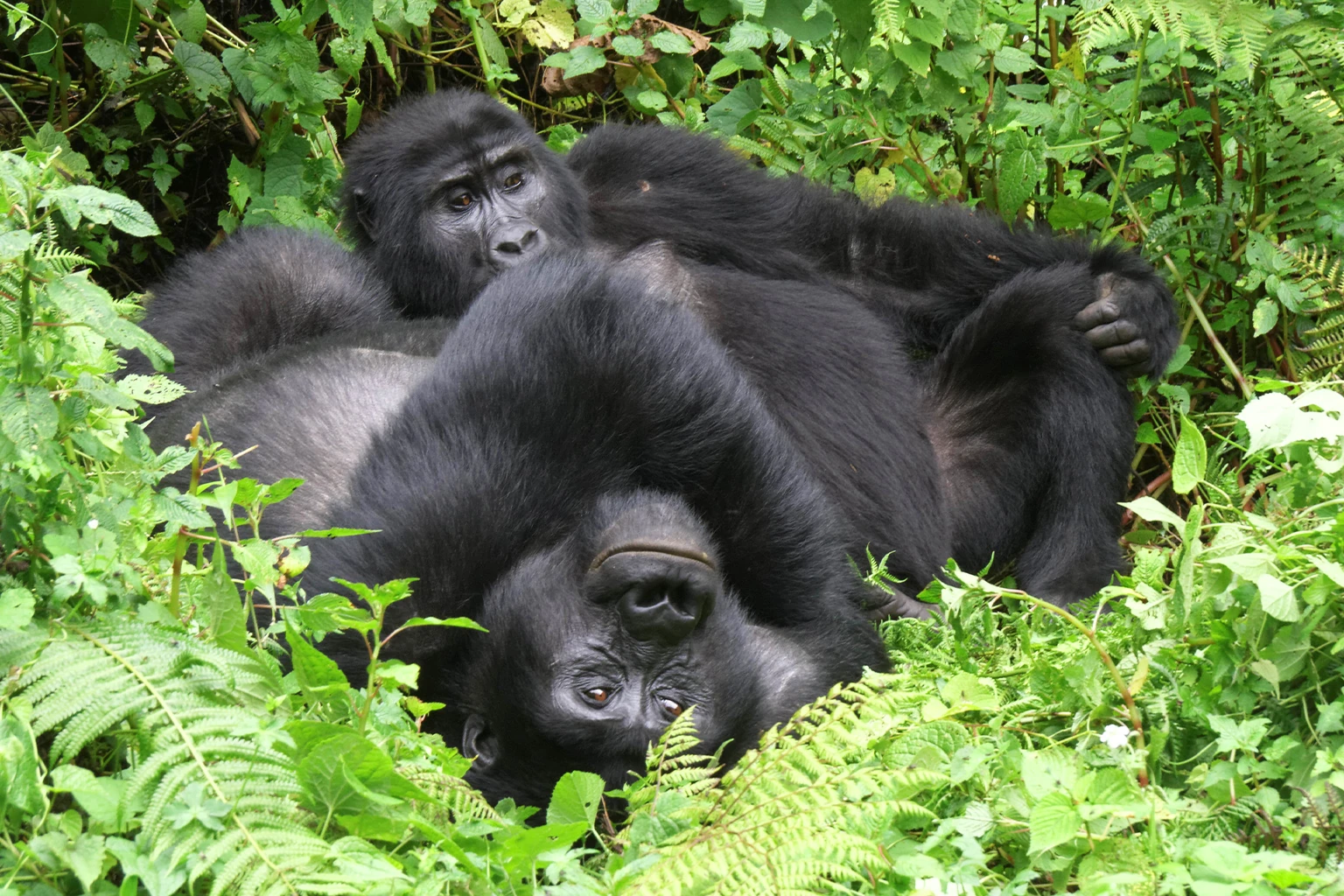
Gorilla trekking permits are expensive, limited, and booked well in advance, which sets an expectation of a polished, easy experience. The actual trek is neither easy nor polished — it's genuinely physically demanding, entirely weather-dependent, and completely worth it anyway.
The hike itself is the hardest part, and it's real
Bwindi's terrain lives up to its "Impenetrable" name — steep, often muddy, and thickly forested, with no guarantee of how long the actual trek to reach a gorilla family will take on any given day. It can be anywhere from under an hour to most of a day, depending entirely on where the group has moved to since it was last tracked. Genuine fitness matters here, more than most trip descriptions make clear.
"Nobody mentioned it could take five hours of steep, muddy climbing before we saw anything — and then the hour we got was worth every minute of it."
You get exactly one hour, and it goes by fast
Once your group locates the gorilla family, strict conservation rules limit the visit to a single hour, at a required distance, in small group sizes. It sounds brief on paper. In practice, watching a silverback gorilla at close range, entirely unbothered by your presence, going about ordinary life, makes that hour feel both impossibly short and completely sufficient.
Physical preparation matters more than gear
Sturdy, broken-in hiking boots and general cardiovascular fitness matter more here than any specific piece of equipment. Porters are available to hire locally and are genuinely worth the cost, both for carrying gear on the steep terrain and as a direct way to support the local community that benefits from gorilla tourism.
Rain is not a reason to expect cancellation
Bwindi's rainforest climate means rain is a regular, expected part of any given day, not a disruption. Treks proceed in the rain as a matter of course. A proper rain layer and waterproof boots aren't optional extras — they're standard kit for this specific trip.
Permit revenue directly funds conservation, and it shows
A meaningful portion of permit costs goes directly toward gorilla conservation and community programs, which is part of why the mountain gorilla population has genuinely grown in recent decades after once facing serious threat. Understanding this context adds real weight to what might otherwise just feel like an expensive line item on the trip budget.
For permit logistics and how to build this into a broader Uganda trip, see our Uganda destination guide.



Want your gorilla trekking permits and logistics handled properly? The GoAtlas team can help with the advance booking.
Speak with the GoAtlas Team