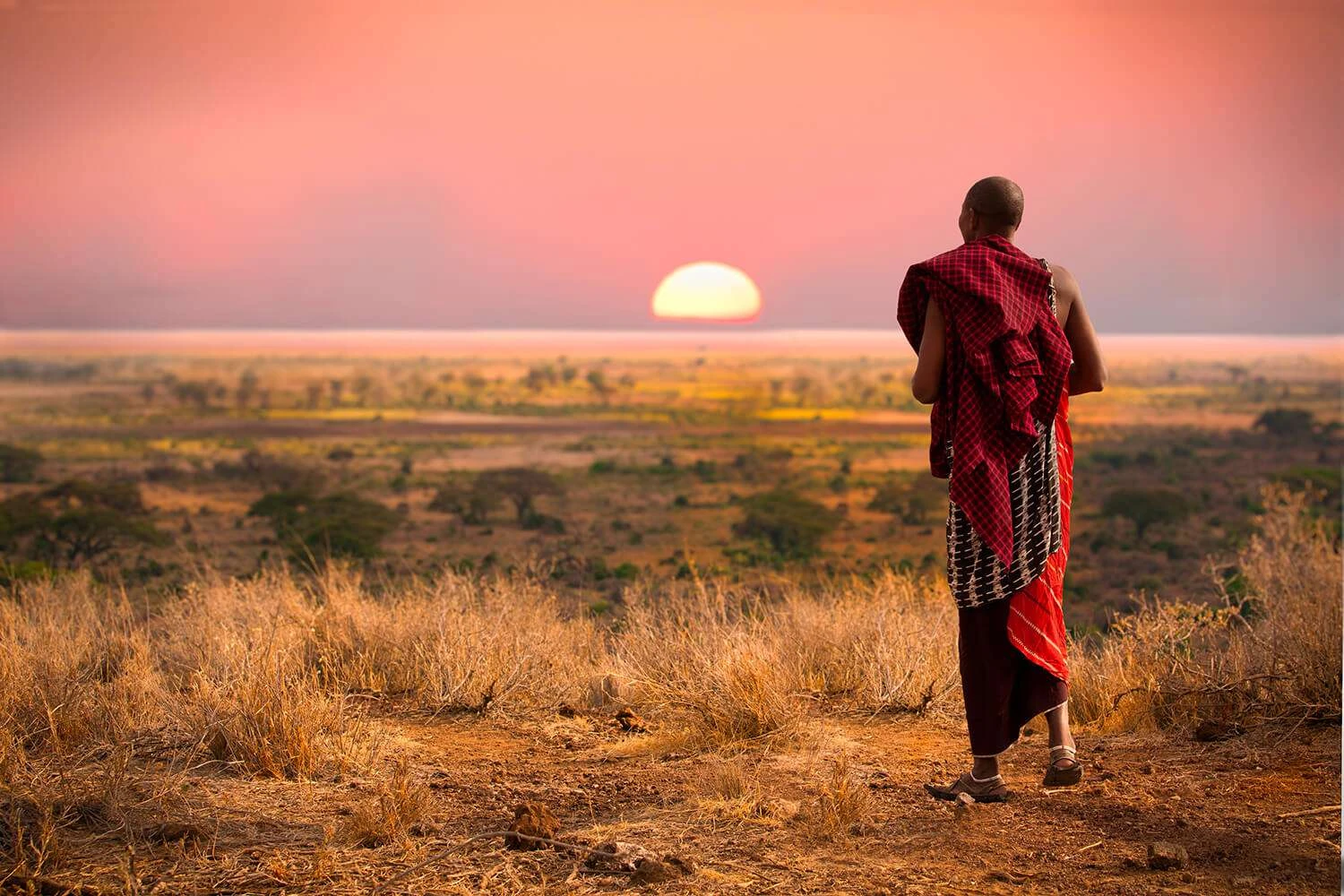
A Maasai village visit is one of the most commonly offered add-ons to an East Africa safari, and also one of the most misunderstood. Approached the right way, it's a genuine cultural exchange. Approached carelessly, it can feel more like a staged photo opportunity than an actual visit — and the difference comes down almost entirely to which village and which guide you choose.
Not all village visits are the same
Some villages near major tourist routes have effectively become performance venues, running the same choreographed routine for busloads of visitors daily. Others, further off the main circuit or arranged directly through a genuinely community-connected guide, offer a far more authentic exchange — real conversation, real daily life, not a rehearsed show. Ask your safari operator directly which kind of visit they're arranging, and choose the more genuine option even if it takes more effort to arrange.
"The difference between the two kinds of visit was obvious within the first ten minutes — one felt like a performance, the other felt like being invited somewhere real."
The jumping dance is real, and it means something
The adumu, the traditional jumping dance often demonstrated for visitors, is a genuine part of Maasai culture — historically tied to warrior rites of passage — not an invention for tourism. It's worth understanding that context rather than treating it purely as a photo opportunity, and it's completely appropriate to ask questions about its meaning.
Payment and gifts are a real, sometimes awkward part of it
Most village visits involve some form of payment, either built into the tour cost or paid directly, along with often being invited to purchase beadwork or crafts made by the community. This is a legitimate, important source of income for many Maasai communities, not something to feel uncomfortable about — treat it as a genuine transaction and buy something if it's offered, rather than politely declining out of awkwardness.
Photography etiquette matters more here than almost anywhere
Always ask before photographing individuals, and expect that some villages, particularly the more tourism-adjacent ones, may charge a small fee for photography specifically. Respecting a "no" without pushing is basic decency that a surprising number of visitors still get wrong.
Go in with genuine curiosity, not just a checklist
The visits that end up genuinely meaningful tend to be the ones where visitors ask real questions — about daily life, about the significance of specific traditions, about how things have changed — rather than treating the entire stop as a twenty-minute photo op between game drives.
For how to arrange this as part of a broader safari, see our Tanzania destination guide.



Want a genuinely respectful cultural visit built into your safari? The GoAtlas team can connect you with the right community and guide.
Speak with the GoAtlas Team