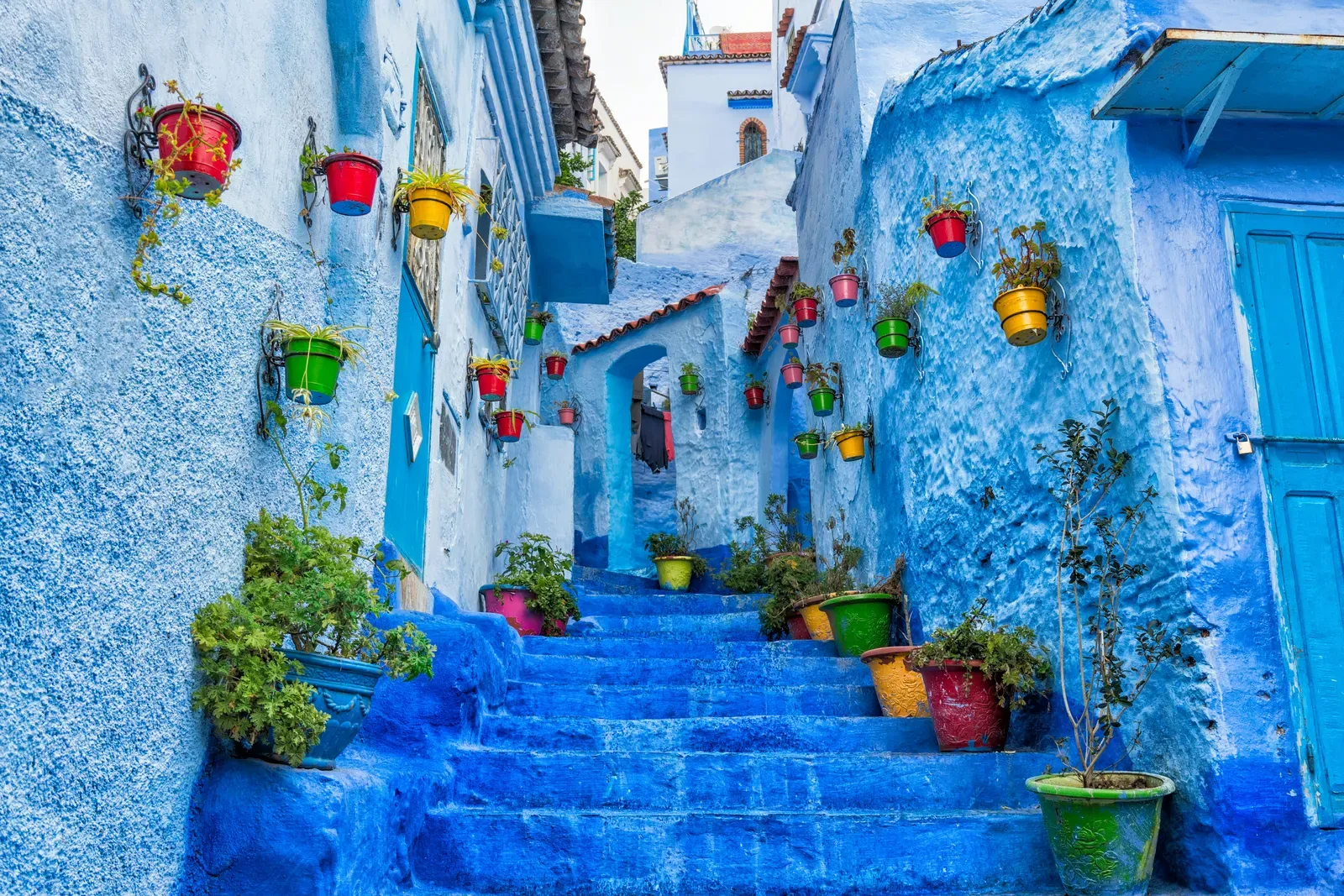
North Africa · Desert & Ancient Cities
Morocco
31.7917° N, 7.0926° W
Sahara dunes at sunset, Fes's thousand-year-old medina, and the blue streets of Chefchaouen — Morocco beyond Marrakech, still just as vivid.
Sahara dunes at sunset, Fes's thousand-year-old medina, and the blue streets of Chefchaouen — Morocco beyond Marrakech, still just as vivid.
Marrakech is many people's introduction to Morocco, but the country stretches far past its medina walls, Sahara dunes rolling toward Algeria, the older and arguably more atmospheric medina of Fes, and Chefchaouen's blue-washed streets climbing into the Rif Mountains. Distances here are genuinely bigger than they look on a map; this isn't a country to rush.
Fes is home to the University of Al Quaraouiyine, founded in 859 CE and widely recognized as the oldest continuously operating degree-granting institution in the world. Morocco's identity is genuinely layered, Berber (Amazigh), Arab, and French colonial influences are all visibly present, not just historical footnotes.
Fes's University of Al Quaraouiyine holds a genuinely remarkable distinction. Founded in 859 CE by Fatima al-Fihri, it's widely recognized as the oldest continuously operating degree-granting institution in the world — a real historical fact, not a marketing claim, and one that predates Europe's oldest universities by centuries.
Morocco's layered identity is genuinely visible, not just historical footnotes. Berber (Amazigh) heritage predates Arab influence, which itself layered over centuries of trade and conquest, with French colonial-era architecture and administrative structures still shaping cities like Casablanca and Rabat today — all three genuinely coexist in daily life, not confined to museums.
Distances here are genuinely bigger than they look on a map. This matters practically — Morocco spans coastal Atlantic terrain, the Atlas Mountains, and the edge of the Sahara within one country, meaning a rushed itinerary trying to cover Marrakech, Fes, and the desert in a few days typically means long travel days eating into actual time at each place.
Morocco's climate varies enormously by region, desert, mountains, and coast rarely agree.
Comfortable temperatures nearly everywhere, arguably the best all-round window.
Similarly mild, with the added bonus of thinner crowds than spring.
Sahara heat is extreme by day, desert camps are still doable, just plan around it.
Why Morocco's climate varies so dramatically within one country. The Atlantic coast, the Atlas Mountains, and the Sahara desert represent three genuinely distinct climate systems sitting within a single, relatively compact country — a temperature or weather forecast for Marrakech tells you very little about conditions in Chefchaouen or Merzouga on the same day.
Mar-May & Sep-Nov, Spring & Autumn. Both windows offer genuinely comfortable temperatures across nearly every region at once, which is exactly why they're considered the best all-round times for an itinerary combining multiple regions rather than a single-city trip.
Jun-Aug, Summer. Sahara heat during this window is genuinely extreme by day, but desert camps remain doable specifically because the real experience — stargazing, sunrise over the dunes — happens in early morning and evening when temperatures drop substantially, not during the punishing midday hours.
A closed currency, you can't obtain dirhams outside Morocco, exchange on arrival.
Many Western passports get 90 days visa-free on arrival, check your specific nationality.
Casablanca, Rabat, Fes, and Marrakech are well connected by rail; the Sahara needs a road transfer.
Local eSIMs are cheap and simple to activate on arrival.
Starting around a third of the initial asking price is a common approach.
Particularly in medinas, mosques (most non-Muslims can't enter), and rural areas.
Currency & Money. The dirham genuinely cannot be obtained outside Morocco — this closed-currency status means exchanging on arrival is a practical necessity, not a suggestion, and leftover dirhams are worth spending or exchanging back before departure.
Visa. The 90-day visa-free entry many Western passport holders receive is genuinely generous, though worth confirming against your specific nationality since requirements vary meaningfully by country.
Getting Around. Morocco's rail network, run by ONCF, genuinely connects Casablanca, Rabat, Fes, and Marrakech well and comfortably — a real, efficient option for the city-to-city portion of a trip, though reaching the Sahara specifically requires a road transfer, since no rail line extends that far.
Local Customs. Bargaining in souks follows a real, understood pattern — starting around a third of the initial asking price is a common, expected opening move, not an insult, and the back-and-forth itself is part of the normal transaction culture, not something to feel uncomfortable about.
Dress. Most active mosques in Morocco genuinely don't admit non-Muslim visitors, a stricter rule than in some other Muslim-majority countries — the Hassan II Mosque in Casablanca is a notable, deliberate exception that does welcome non-Muslim visitors on guided tours, worth knowing if visiting a mosque interior specifically matters to your trip.
Morocco is one of Africa's most-visited countries for good reason, broadly safe with normal precautions. Medinas can be genuinely disorienting; agreeing on prices before services (taxis, guides) avoids most friction.
Morocco is genuinely one of Africa's most-visited countries, for real reasons. A mature, well-established tourism economy means broadly safe travel with normal precautions — medinas can be genuinely disorienting by design, covered in the Overview, but disorientation isn't the same as danger.
Agreeing on prices before services — taxis, guides, informal transactions — genuinely avoids most friction. This single habit, more than any other precaution, is what experienced Morocco travelers describe as making the biggest practical difference to a smooth trip.
Morocco is genuinely affordable relative to Europe, just across the strait.
| Item | Budget | Mid-range | Luxury |
|---|---|---|---|
| Riad/hotel (per night) | $25 - $50 | $80 - $180 | $250 - $700+ |
| Sahara desert camp (per night) | $40 - $80 | $100 - $200 | $300 - $600+ |
| Meals | $5 - $12/day | $20 - $40/day | $60+/day |
| Intercity transport | Train/shared taxi | Private transfer | Private driver |
Why Morocco is genuinely affordable relative to Europe, despite sitting just across the strait. Real wage and cost-of-living differences between Morocco and nearby European destinations mean comparable quality — a riad versus a boutique hotel, a home-cooked tagine versus a European restaurant meal — costs meaningfully less here, not a lower standard, simply a different economic baseline.
Desert camp pricing spans a genuine range in what it actually includes, not just comfort level. Budget camps typically mean shared facilities and simpler meals, while luxury camps include private en-suite tents and a more elaborate evening experience — a real difference beyond just the price tag.
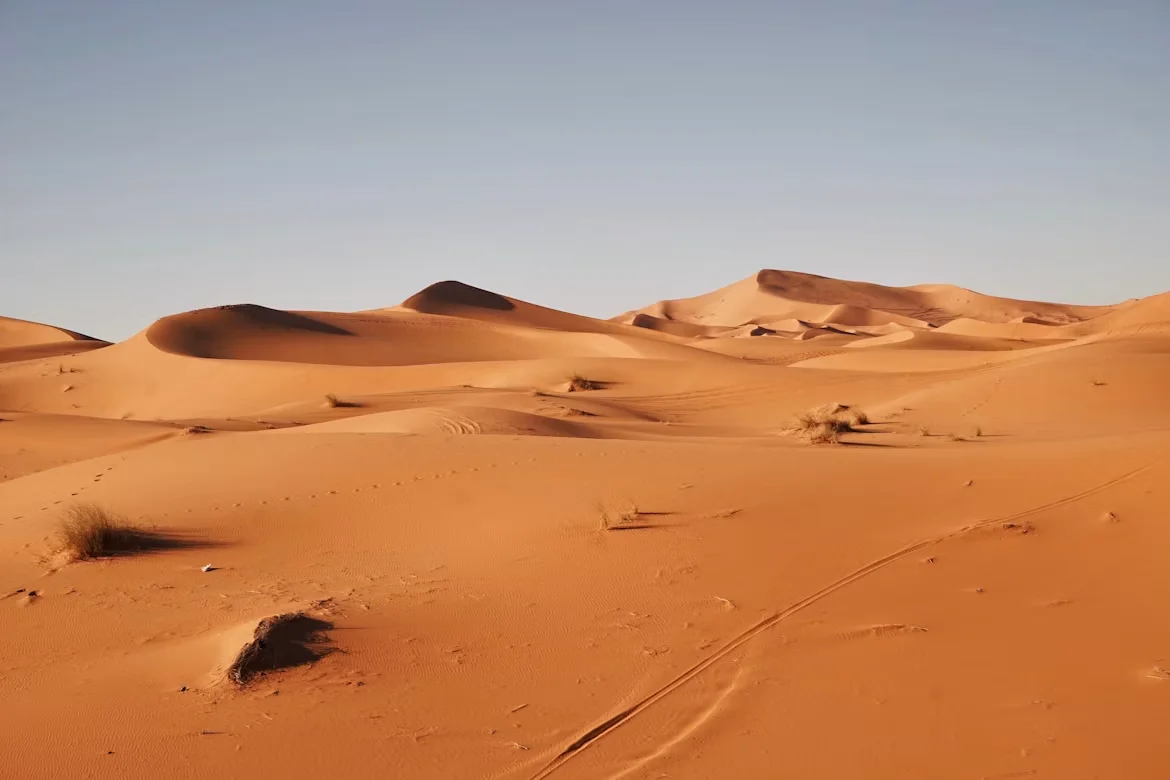
Camel trekking and overnight camps among the dunes
Best arranged with a guide who knows the dunes — camel trekking and overnight camps are typically booked, not done independently.
Explore Experiences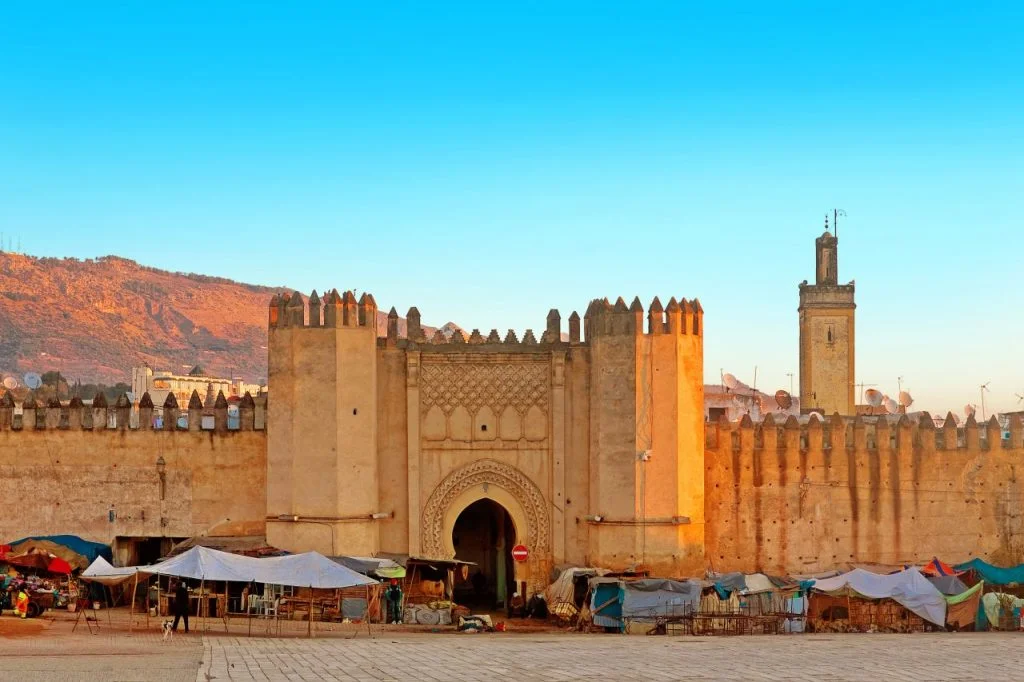
The world's largest car-free urban area, essentially unchanged for centuries
A guided walk genuinely helps here — the medina has no street signs and thousands of narrow alleyways.
Explore Experiences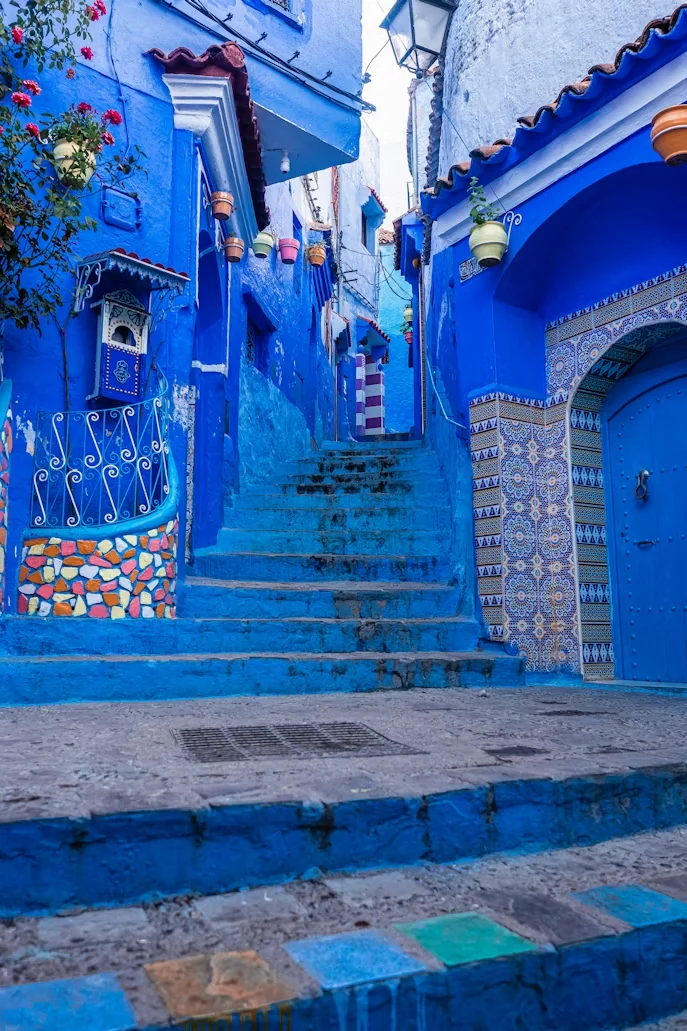
The Blue City, tucked into the Rif Mountains
Genuinely walkable on your own, though a local photography walking tour can help you find the best-known viewpoints.
Explore ExperiencesSahara Desert, Merzouga. Camel trekking and overnight dune camps are genuinely almost always booked through an operator rather than arranged independently — navigating the dunes safely requires real, current knowledge of the terrain that an experienced guide provides.
Fes El Bali Medina. This is genuinely the world's largest car-free urban area, a status that comes from its ancient origins, not modern pedestrianization policy — the alleyways were built centuries before vehicles existed and remain too narrow for them today, essentially unchanged in layout.
Chefchaouen. The origin of the town's blue-washed walls is genuinely debated rather than settled — theories range from a Jewish refugee tradition tied to a color considered symbolically significant, to a practical belief that the color helps repel mosquitoes, to simple aesthetic preference that became tradition. No single explanation is definitively confirmed, and that's honestly part of the town's charm rather than a gap in the story.
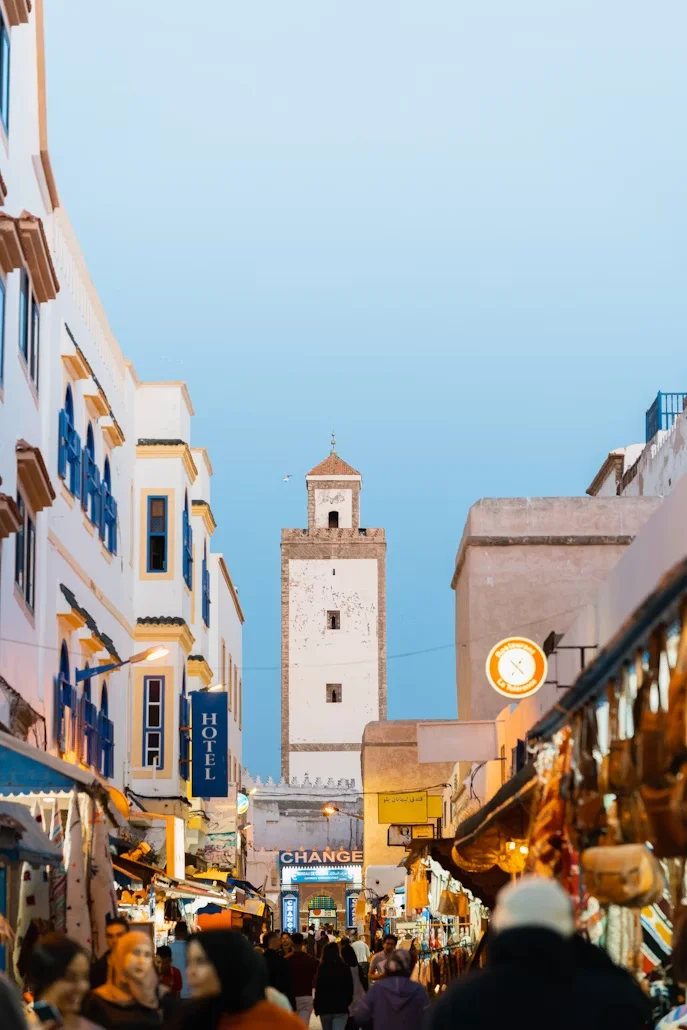
A fortified coastal town, windsurfing capital, far quieter than Marrakech
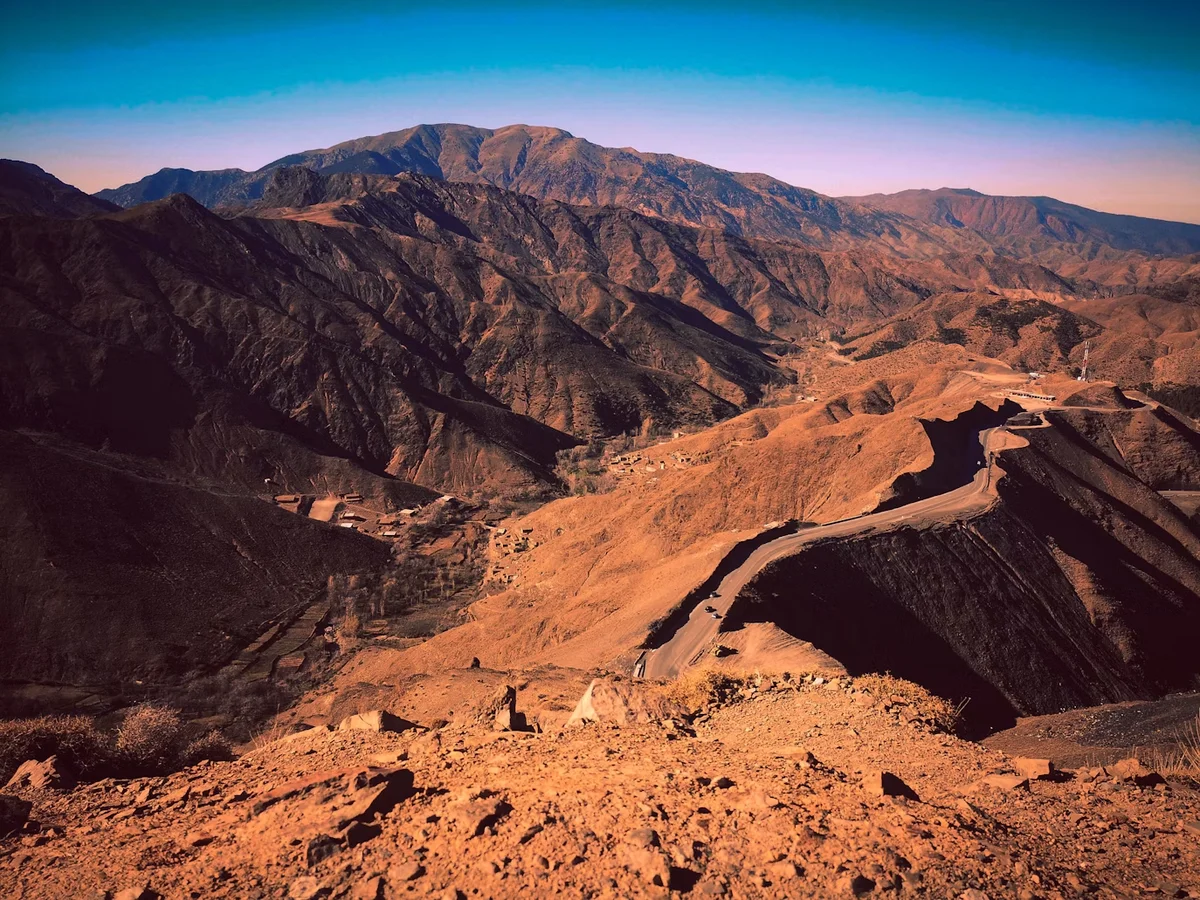
Mount Toubkal treks and genuine Berber village life
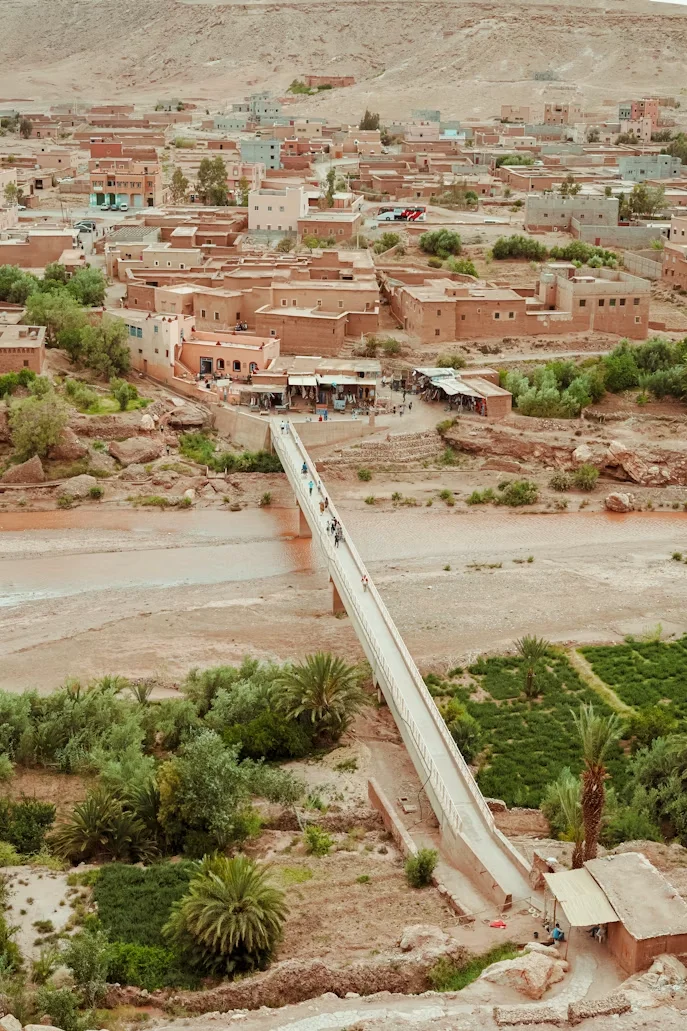
A UNESCO kasbah that's appeared in dozens of major films
Essaouira. This fortified coastal town carries genuine Portuguese colonial history in its walls, and consistent Atlantic winds have made it a real windsurfing destination — a completely different register from Marrakech's inland heat, reachable as a day trip or worth an overnight of its own.
Atlas Mountains. Mount Toubkal is genuinely North Africa's highest peak, and treks here pass through real, still-inhabited Berber villages — a meaningfully different cultural and physical experience from the desert or coastal portions of a Morocco trip.
Ait Benhaddou. This UNESCO-listed kasbah's earthen architecture has made it a genuine, frequent film location — it's appeared in productions including Gladiator and Game of Thrones, and seeing it in person after recognizing it on screen is a real, common experience for visitors.

Traditional courtyard house, steps from the souks
A traditional riad puts you inside the medina itself, walking distance from everything most first visits are built around.
Check Availability
En-suite tents at the edge of the dunes
A night under real desert stars is the kind of shared experience most Morocco itineraries are actually planned around.
Check Availability
A small family-run guesthouse in the old town
A small family-run guesthouse costs a fraction of a hotel, and often comes with better local insight.
Check AvailabilityFes Medina Riad. Staying inside Fes El Bali itself, rather than in the newer part of the city, genuinely matters for a first visit — walking distance to the medina's souks and landmarks removes the friction of navigating in and out each day.
Merzouga Luxury Camp. En-suite tents at the edge of the dunes represent a genuine, relatively recent shift in desert camping — combining real comfort with the actual experience of Saharan night skies, without sacrificing one for the other.
Chefchaouen Blue House. A small, family-run guesthouse in the old town often comes with genuine local insight — recommendations on which blue alleys are least crowded at which hours — that a larger hotel typically can't offer in the same way.
Moroccan food is genuinely one of the trip's highlights, not an afterthought.
Slow-cooked stew, endless variations, try it in at least three different cities.
Marrakech's main square transforms into an open-air food market every evening.
Offered constantly, genuinely worth accepting, it's a real social ritual, not just a drink.
Tagine. Both the dish and the cone-shaped clay vessel it's cooked in vary genuinely by region — a Fes tagine and a coastal tagine can differ meaningfully in spice profile and ingredients, which is exactly why trying it in multiple cities reveals real regional variation, not repetition.
Jemaa el-Fna Food Stalls. Marrakech's main square transforming into an open-air food market each evening is a genuine daily event, not a special occasion — the same transformation described on the Marrakech-specific page, worth experiencing regardless of which city guide brought you here.
Mint Tea. Being poured from a genuine height into the glass isn't just presentation — it aerates the tea and creates a thin foam considered part of properly serving it, a real technique tied to the ritual, not an arbitrary flourish. Accepting an offered glass is a genuine social custom worth participating in, not just a drink.
Rooftop bars and lounges cluster in Marrakech, Fes and Chefchaouen are early-to-bed towns.
Camel rides and stargazing tend to be trip highlights for younger travelers.
Marrakech has real nightlife, elsewhere is quieter. This is a genuine, real contrast worth planning around — Fes and Chefchaouen are authentically early-to-bed towns, meaning an evening-out itinerary should concentrate specifically around Marrakech's rooftop bar and lounge scene rather than assuming it elsewhere.
Desert camps are genuinely memorable for kids. Camel rides and stargazing under genuinely dark desert skies tend to become real trip highlights for younger travelers, offering an experience that's hard to replicate in Morocco's cities.
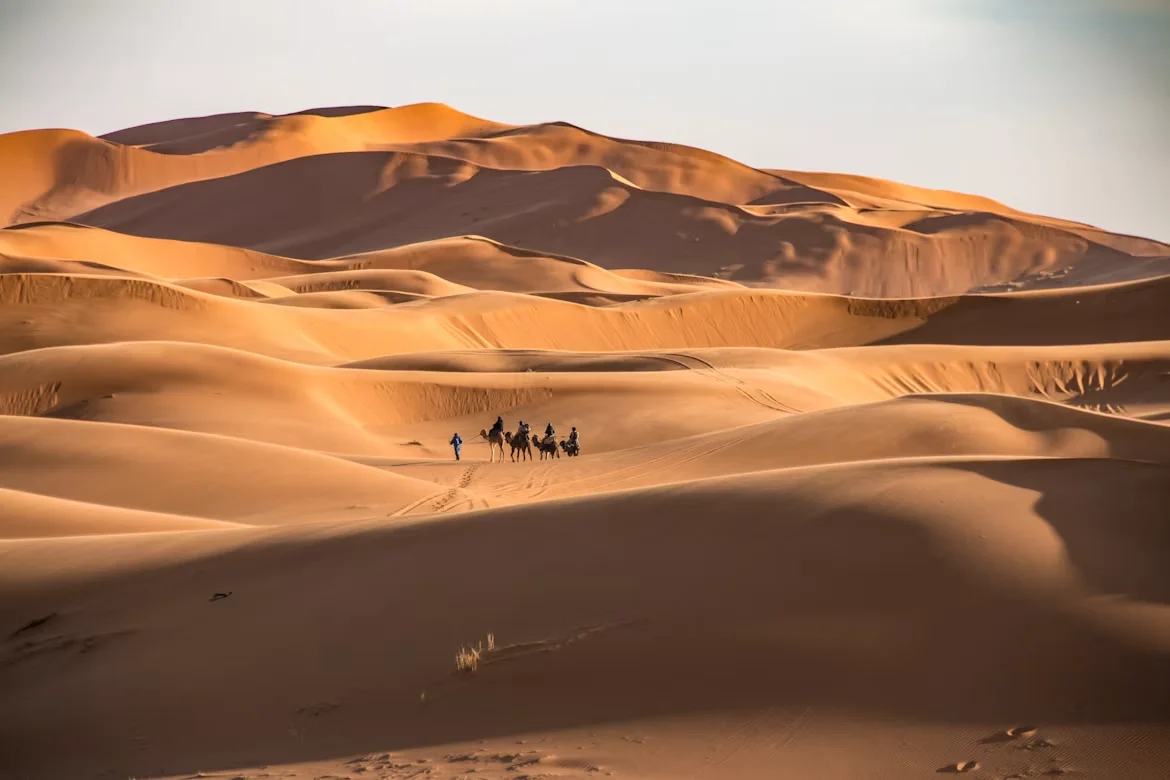
Sahara sand at first light, Merzouga's signature shot
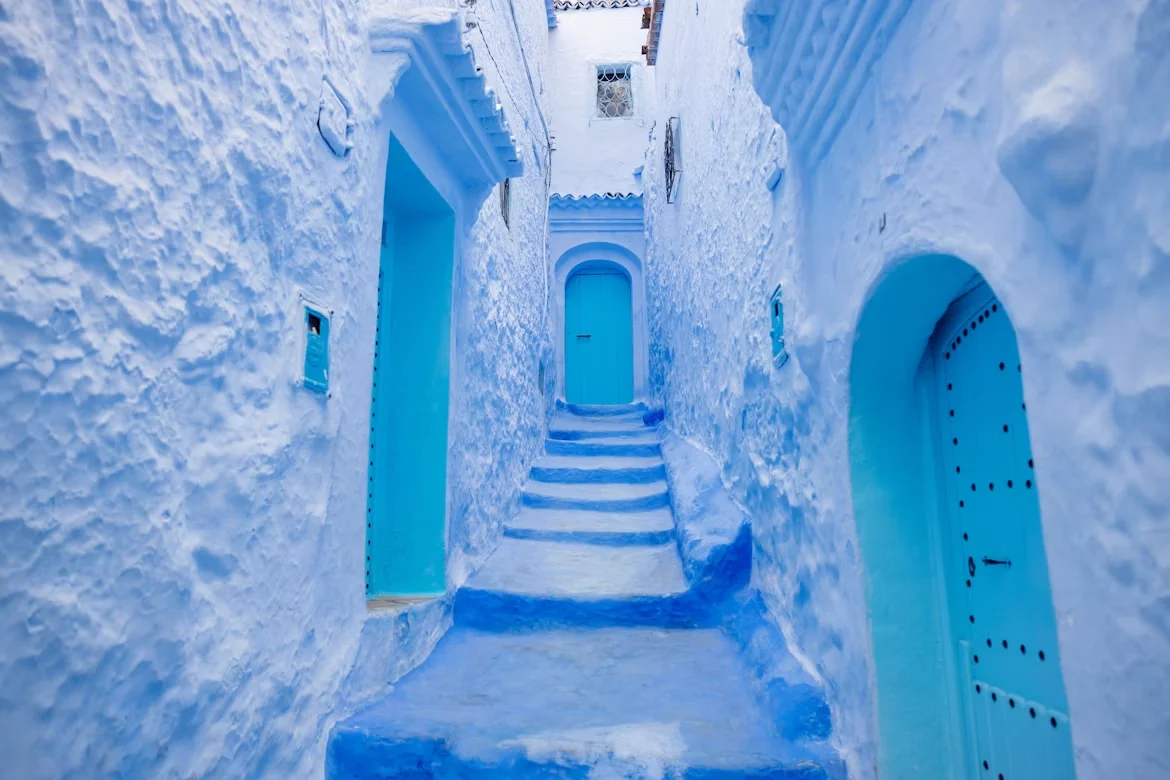
Every corner is a genuinely different composition
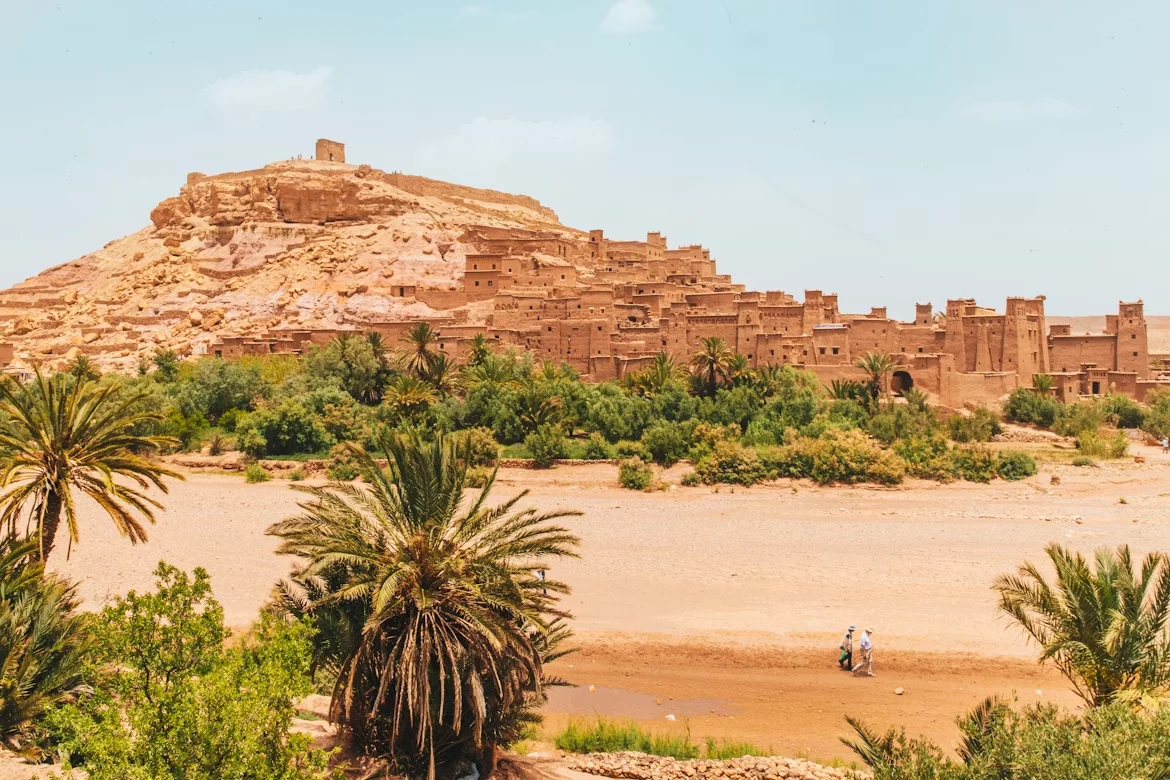
The kasbah's earthen towers catch the light beautifully
Erg Chebbi Dunes. First light creates genuinely dramatic shadow definition along the dune ridges that flattens out entirely by midday — this specific timing, not just early wake-up tradition, is why sunrise is considered Merzouga's signature shot.
Chefchaouen's Blue Alleys. The town's genuinely varied shades of blue, applied inconsistently across different buildings and years, mean literally every corner offers a different composition — worth wandering without a fixed route rather than seeking one single "best" spot.
Ait Benhaddou at Golden Hour. The kasbah's earthen towers genuinely catch warm light in a way that flattens under harsh midday sun — the same golden hour quality that made it a favored film location, covered in Hidden Gems.
Warm layers for cold desert nights. The temperature swing in the Sahara is genuinely dramatic — daytime heat gives way to real cold after dark, since desert sand doesn't retain heat the way humid climates do, catching first-time visitors off guard if they've only packed for daytime conditions.
A scarf or shemagh. Genuinely practical beyond style — sand protection during desert wind, sun protection at midday, and a quick modesty layer for city and mosque visits, all from one packed item.
Modest, breathable clothing & comfortable walking shoes. Medina streets are genuinely uneven and often cobbled, rewarding real walking shoes over fashion footwear, while breathable fabric matters given how hot Moroccan cities get outside the spring and autumn windows.
Cash for souks and small vendors. As covered in Practical Information, smaller transactions genuinely run on cash far more reliably than cards.
A basic French phrasebook. French remains genuinely widely spoken as a legacy of the colonial period, particularly useful in cities and with older generations, even though Arabic and Amazigh languages are the country's actual native languages.
Marrakech is one city, this page covers the rest of Morocco: the Sahara, Fes, Chefchaouen, and the coast. Many trips combine Marrakech with one or more of these.
10-12 days lets you genuinely combine Marrakech, a Sahara desert camp, and Fes without feeling rushed, Morocco's distances are bigger than they look on a map.
Yes, broadly, Morocco is one of the more visited countries in Africa for a reason. Solo women travelers should expect more direct attention in medinas than in Marrakech's more tourist-adapted areas.
Layers, desert nights get genuinely cold even when days are hot. Modest clothing for medinas and mosques, and a scarf or shemagh is useful for Sahara sand and sun.
How is this different from your Marrakech guide? Marrakech is genuinely one city within Morocco — this page covers the rest of the country: the Sahara, Fes, Chefchaouen, and the coast. Many real itineraries combine Marrakech with one or more of these rather than treating them as separate trips.
How many days do I actually need? The 10-12 day figure genuinely accounts for Morocco's real distances — enough time to combine Marrakech, a Sahara desert camp, and Fes without the rushed, transit-heavy feeling a shorter trip covering the same ground would create.
Is Morocco safe for solo travelers? Yes, broadly — Morocco's mature tourism economy supports this well. Solo women travelers should genuinely expect more direct attention in medinas outside Marrakech's more tourist-adapted areas specifically, worth knowing rather than being caught off guard by.
What should I pack? The reasoning behind each item — including why desert nights get genuinely cold despite scorching days — is covered in the Packing section above.
Get the complete Morocco guide as a beautifully designed, offline-ready PDF — every section organized for actual use in the field, plus a full packing checklist.
Turn your research into a trip designed around your actual dates, budget, and travel style — planned by a person, not a form.
EXPLORE GOATLAS CONSULTATIONSGenuinely recommended places to stay and eat, not filler — booked through our trusted travel partners.
Book hotels, flights, tours, airport transfers, travel insurance, and car rentals through GoAtlas's trusted global travel partners — all in one place.
Explore Trusted Travel PartnersA GoAtlas travel expert can build your full Morocco itinerary, Marrakech, the Sahara, Fes, or all three, around your dates and budget.