Southern Africa · Desert Landscapes
Namibia
22.9576° S, 18.4904° E
Red dunes taller than skyscrapers, a fog-shrouded coastline littered with shipwrecks, and some of the emptiest, most dramatic landscapes on the continent.
Red dunes taller than skyscrapers, a fog-shrouded coastline littered with shipwrecks, and some of the emptiest, most dramatic landscapes on the continent.
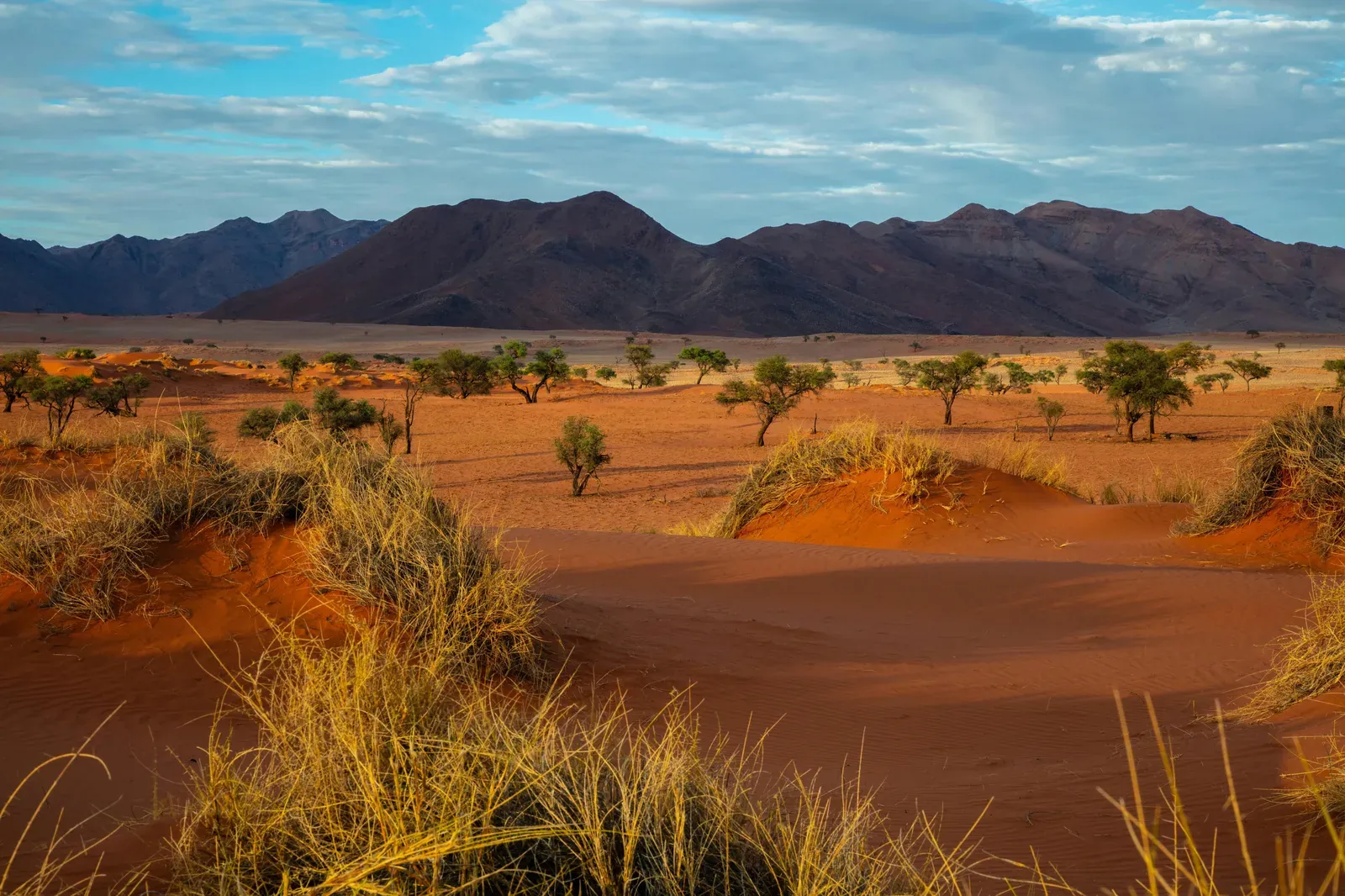
Namibia is one of the least densely populated countries on the planet, and it shows in the scale of everything, the dunes at Sossusvlei are among the tallest in the world, Etosha's salt pan stretches to the horizon, and the Skeleton Coast earned its name honestly, shipwrecks litter a shoreline where the desert meets a genuinely cold, fog-bound Atlantic.
The Namib is considered the oldest desert in the world, and parts of it support genuinely ancient welwitschia plants, some individual specimens over 1,000 years old. Namibia is also home to the Himba people in the north, whose distinct way of life remains visible today, best experienced through a respectful, guided visit rather than an unstructured stop.
Namibia is genuinely one of the least densely populated countries on the planet. That emptiness directly shapes what a trip here actually feels like — vast, uninterrupted landscapes without the visual clutter of dense settlement, a real and unusual quality even among sparsely populated destinations.
The Skeleton Coast earned its name from real, documented history. Shipwrecks litter this shoreline where a cold, fog-bound Atlantic meets the desert, and the name historically also referenced whale bones once found along the coast from earlier whaling activity — a genuinely evocative name grounded in real maritime history, not invented for tourism.
The Namib is considered the world's oldest desert, and its welwitschia plants are genuinely remarkable. Some individual specimens are over 1,000 years old, and the plant grows only two leaves in its entire lifetime — leaves that split and fray over centuries but never stop growing, a real botanical oddity unique to this specific desert.
Namibia's desert climate rewards planning around water and heat.
Cooler, clearer days, and easier wildlife viewing at Etosha's waterholes.
Desert nights can drop near freezing, layers are genuinely necessary.
Green season inland, though the coast stays cool and foggy year-round.
May-Oct, Dry Season. Cooler, clearer days genuinely make this the easiest window for both driving and wildlife viewing — Etosha's waterholes become predictable wildlife gathering points as smaller water sources dry up elsewhere.
Jun-Aug, Coldest Nights. Desert nights genuinely drop near freezing during this window, a real consequence of how deserts lose heat rapidly after dark without humidity or cloud cover to retain warmth — layers aren't optional despite the hot, sun-intense days.
Nov-Mar, Hot, Occasional Rain. The coast genuinely stays cool and foggy year-round regardless of inland season, a direct result of the cold Benguela current meeting warm desert air — worth knowing that packing for "Namibia weather" as one single climate is a real mistake given how differently the coast and interior behave.
Pegged to and interchangeable with the South African Rand.
Many passports get 90 days visa-free on arrival, check your specific nationality.
Namibia has excellent gravel roads and is one of Africa's most popular self-drive safari countries.
Expect little to no signal across most of the desert interior.
Namibia is genuinely vast, plan realistic driving days between stops.
Fuel stations can be far apart in remote areas.
Currency & Money. The Namibian Dollar is genuinely pegged to and interchangeable with the South African Rand — both currencies are accepted in practice, a real, practical convenience worth knowing before assuming you need to exchange specifically for Namibian Dollars.
Visa. The 90-day visa-free entry many nationalities receive is genuinely generous, though worth confirming against your specific passport.
Getting Around. Self-drive is genuinely one of Namibia's defining travel styles, not a budget compromise — well-maintained gravel roads, low traffic density, and clear signage make it one of Africa's most realistic self-drive safari countries, a real contrast to countries where guided transport is the only practical option.
Distances. Namibia is genuinely vast, and this matters concretely — driving days between Sossusvlei, Etosha, and the coast are real, substantial time commitments that a map's visual scale can understate.
Fuel. Filling up whenever possible is genuine practical advice, not overcaution — fuel stations in remote areas can be spaced far enough apart that running low isn't a minor inconvenience but a real logistical problem.
Namibia is consistently rated among Africa's safer, more stable countries. The real risks here are environmental, heat, remoteness, and driving on unfamiliar gravel roads, not crime.
Namibia's real risks are genuinely environmental, not criminal. Heat, remoteness, and unfamiliar gravel-road driving conditions are the actual practical concerns here — consistently rated among Africa's safer, more politically stable countries, the honest safety conversation is really about self-drive preparedness, not personal security.
Gravel road driving genuinely requires real adjustment for visitors used to paved roads — slower speeds, more following distance, and caution on corners are practical skills worth building in gradually rather than assuming familiarity from home-country driving experience.
Self-drive travel makes Namibia genuinely more affordable than East or Southern African fly-in safaris.
| Item | Budget | Mid-range | Luxury |
|---|---|---|---|
| Lodge/guesthouse (per night) | $40 - $80 | $120 - $250 | $350 - $900+ |
| 4x4 rental (per day) | $60 - $100 | $100 - $180 | Private guide/driver |
| Park entry fees | $10 - $20/day | $10 - $20/day | $10 - $20/day |
Why self-drive travel genuinely makes Namibia more affordable than fly-in East or Southern African safaris. Removing light-aircraft transfers and full-time private guides — both genuine, substantial costs elsewhere — while still accessing world-class landscapes independently is a real, structural reason Namibia's budget-to-luxury range runs lower than comparable safari destinations.
4x4 rental costs genuinely vary by more than vehicle size. Insurance coverage for gravel-road driving and cross-border allowances (if combining with neighboring countries) are real factors that affect total cost beyond the daily rental rate alone.
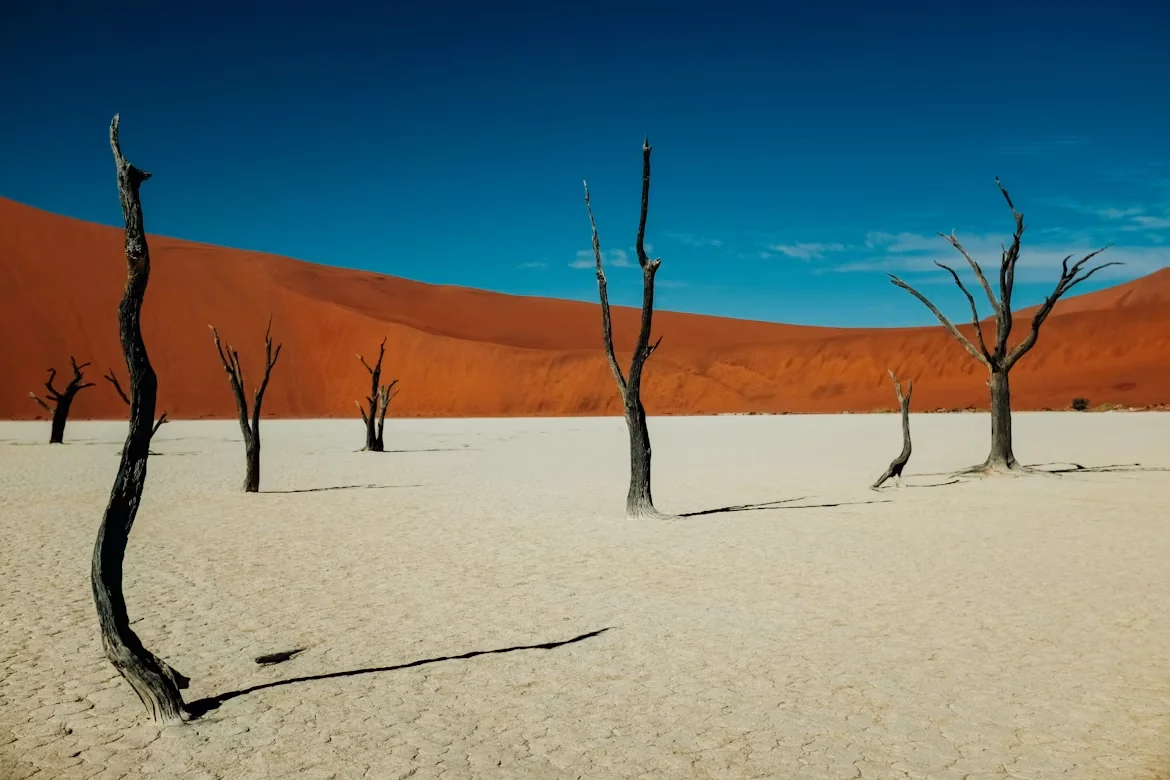
Towering red dunes and a white clay pan of ancient dead trees
Best reached at sunrise, before the heat sets in — most lodges arrange early transport into the dunes.
Explore Experiences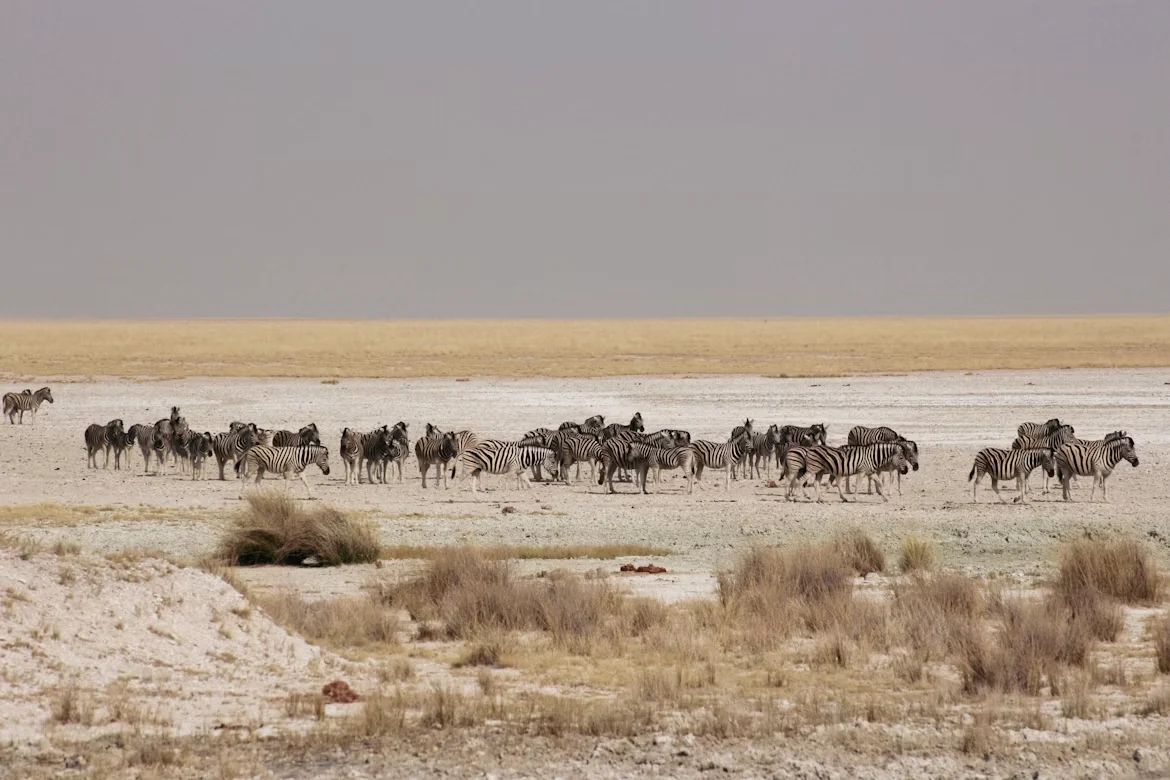
A vast salt pan where wildlife gathers at waterholes
Self-drive is genuinely possible here, though a guided game drive covers more ground with expert spotting.
Explore Experiences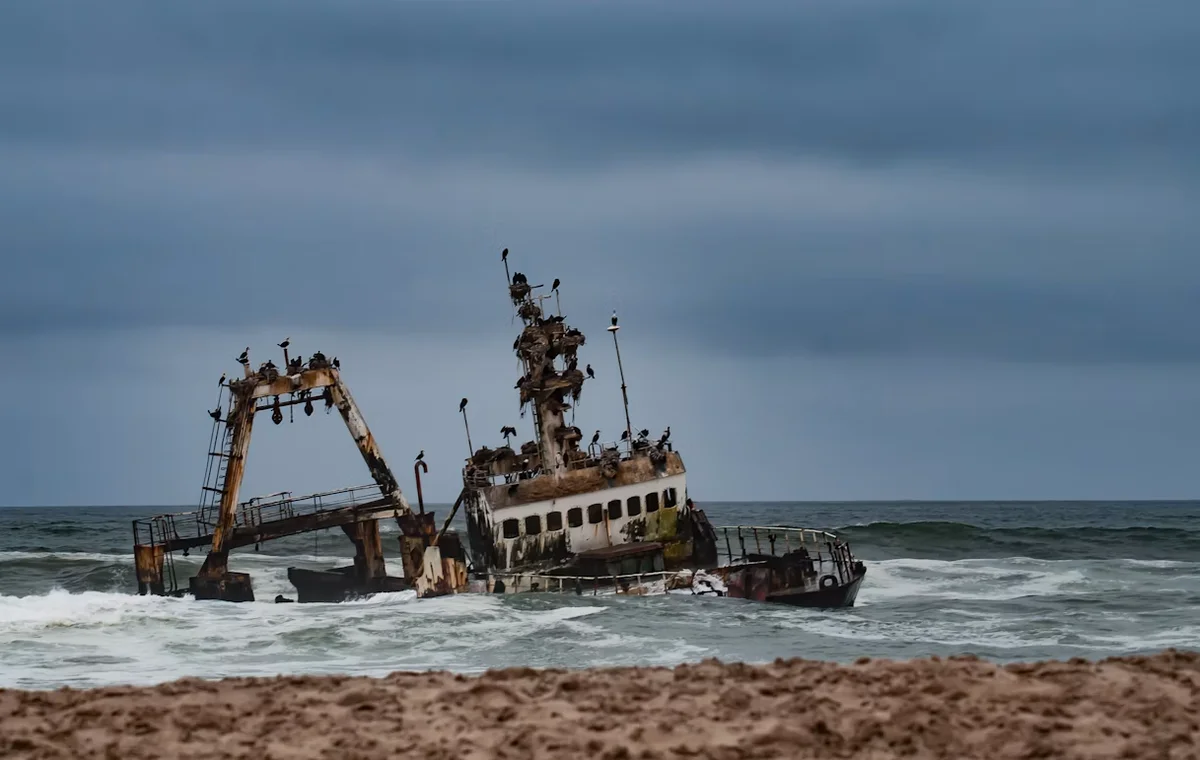
Shipwrecks, seal colonies, and genuinely eerie fog
Remote enough that most visitors see it as part of a guided fly-in or multi-day self-drive route.
Explore ExperiencesSossusvlei & Deadvlei. Deadvlei's dead camel-thorn trees have genuinely stood in place for roughly 600-900 years, preserved rather than decomposed because the surrounding climate is too dry to support the bacteria and fungi that would normally break them down — a real, specific reason behind one of Namibia's most photographed scenes.
Etosha National Park. The park's vast salt pan genuinely concentrates wildlife around remaining waterholes during dry season, covered in Weather — self-drive game viewing is genuinely possible and popular here, though an experienced guide's spotting ability covers real additional ground independent driving often misses.
The Skeleton Coast. Genuine, persistent fog here comes from the same Benguela current effect covered in Weather — the atmospheric, eerie quality visitors describe isn't exaggeration, it's a real, consistent coastal weather pattern.
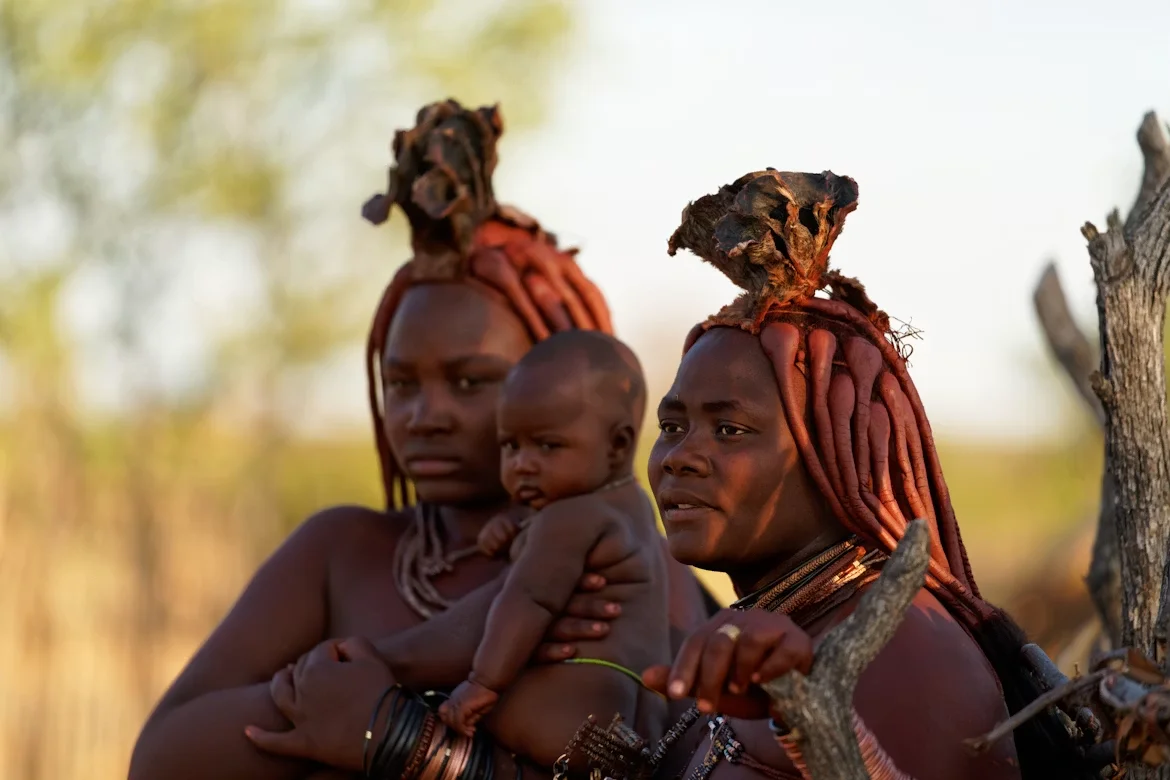
A respectful, guided visit to one of Namibia's most distinct cultures
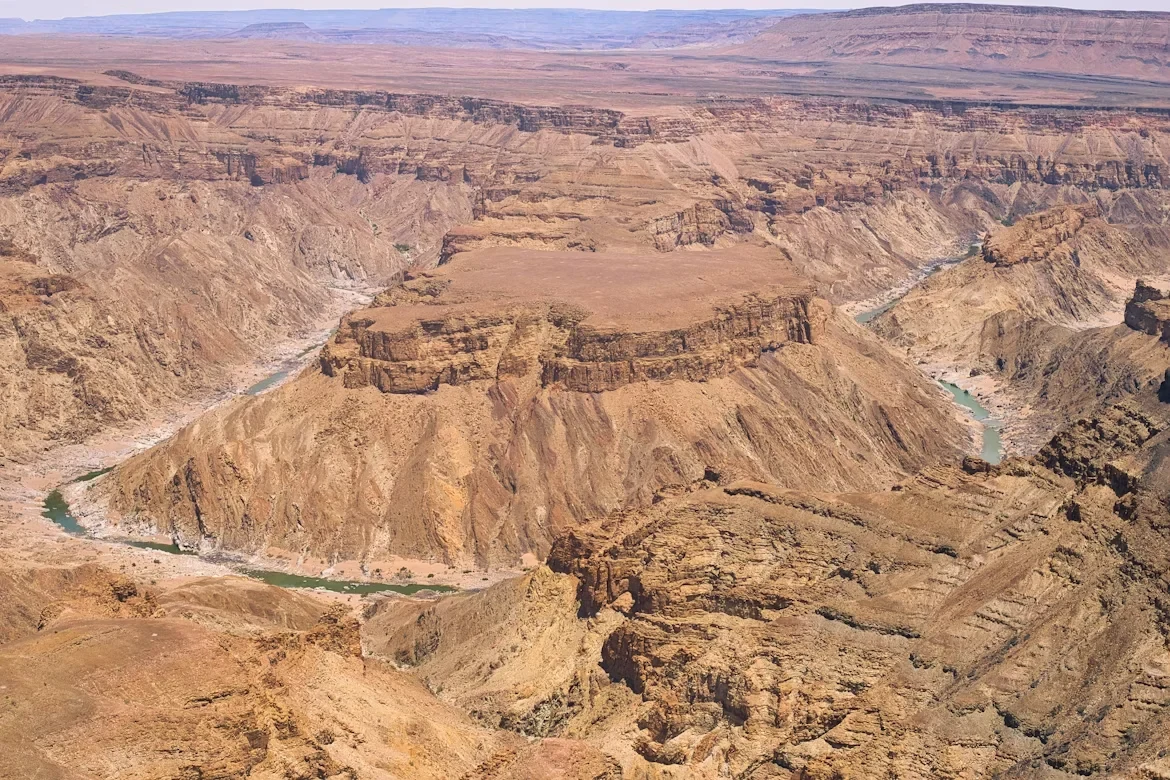
The second-largest canyon in the world, genuinely underrated
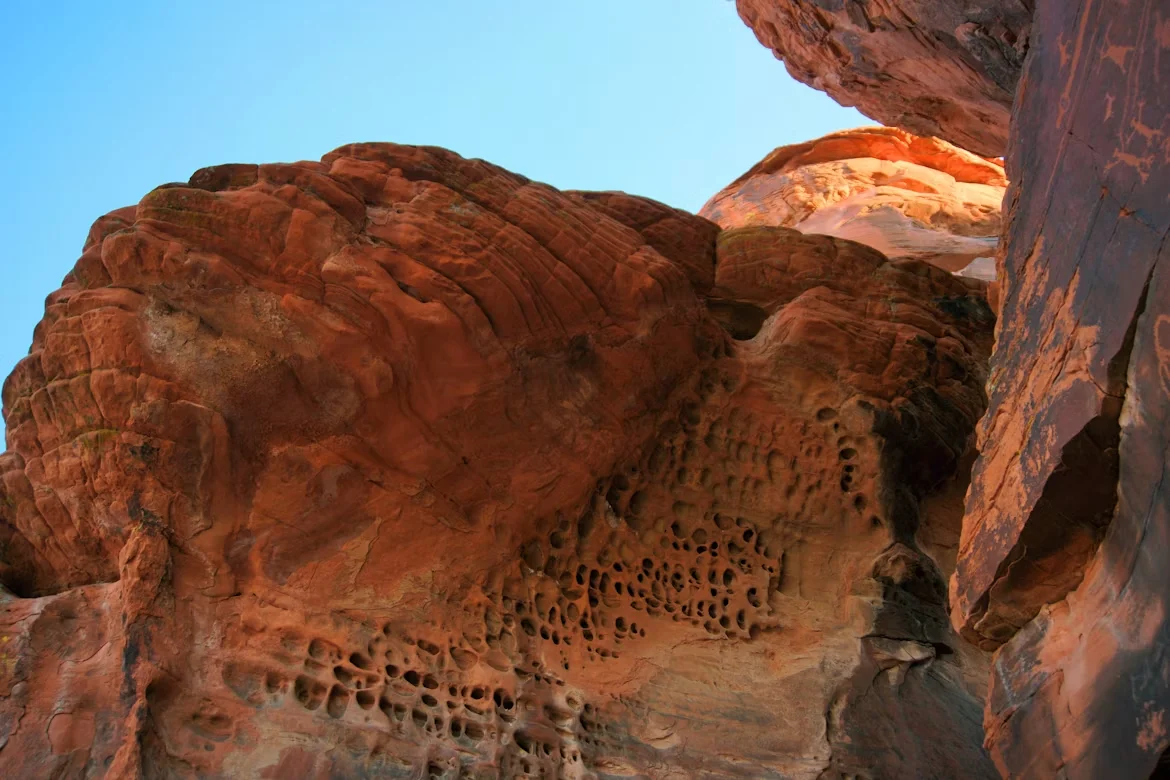
UNESCO-listed ancient San rock art
Himba Communities, Kaokoland. The Himba maintain a genuinely distinct semi-nomadic pastoralist way of life, including a traditional ochre-and-butterfat skin treatment that gives their appearance its recognizable reddish tone — a respectful, guided visit through proper community arrangement offers real cultural insight that an unstructured stop simply can't provide appropriately.
Fish River Canyon. Often cited as among the largest canyons in the world by various measures, though exact rankings vary depending on whether length, depth, or volume is used — what's not disputed is that it's genuinely dramatic and remains meaningfully less visited than comparable natural wonders elsewhere.
Twyfelfontein Rock Engravings. This UNESCO-listed site holds genuine ancient San rock art, some estimated at thousands of years old — real, direct evidence of human presence in this landscape long before any formal historical record began.

Inside the park gates, first access at sunrise
Being inside the gates means first access to the dunes at sunrise, before the light — and the crowds — change.
Check Availability
Rooms overlooking a floodlit waterhole for night viewing
A floodlit waterhole right outside your room means genuine night game viewing without leaving camp.
Check Availability
A genuinely charming coastal base with old German architecture
A genuinely different stop on a Namibia trip, with coastal air and distinctive colonial-era architecture.
Check AvailabilitySossusvlei Dune Lodge. Being genuinely inside the park gates means real first access to the dunes at sunrise, before both the changing light and outside visitor traffic arrive — a meaningful practical advantage for photography specifically.
Etosha Waterhole Camp. A floodlit waterhole directly outside your room offers genuine night wildlife viewing without leaving camp at all — animals behave differently after dark, making this a real, distinct experience from daytime game drives.
Swakopmund Guesthouse. This coastal town's genuinely distinctive German colonial-era architecture offers a real change of pace and climate from the desert interior — worth building into a Namibia itinerary specifically for that contrast.
Namibia's food scene reflects a genuine German colonial legacy alongside local game meat traditions.
Bakeries and beer halls, a genuine legacy of colonial history.
Kudu, oryx, and springbok appear on menus across the country.
Most desert and safari lodges include full-board dining.
German-Influenced Cuisine, Swakopmund. This is genuine colonial history, not a novelty — Namibia was formerly German South West Africa, and Swakopmund's bakeries and beer halls reflect a real, lasting culinary legacy from that period, still operating today.
Game Meat. Kudu, oryx, and springbok appearing on menus across the country reflects genuine local availability and hunting tradition, not a tourist novelty — this is real, established Namibian everyday and special-occasion food.
Set Multi-Course Dinners. Most desert and safari lodges bundle full-board dining, a genuine practical necessity given how remote most properties are from independent restaurant options.
Namibia has some of the darkest skies in the world, genuinely worth building time around.
Flexible pacing and Etosha's waterhole viewing both work well with kids.
Stargazing, not nightlife. Namibia's genuinely low population density and resulting minimal light pollution create some of the darkest, clearest night skies in the world — a real, worthwhile reason to build actual time around after-dark stargazing rather than treating evenings as downtime.
Self-drive suits families well. The genuine flexibility of setting your own pace, combined with Etosha's waterhole viewing requiring no strenuous activity, makes Namibia a real, practical family safari option compared to walking-safari-heavy destinations.
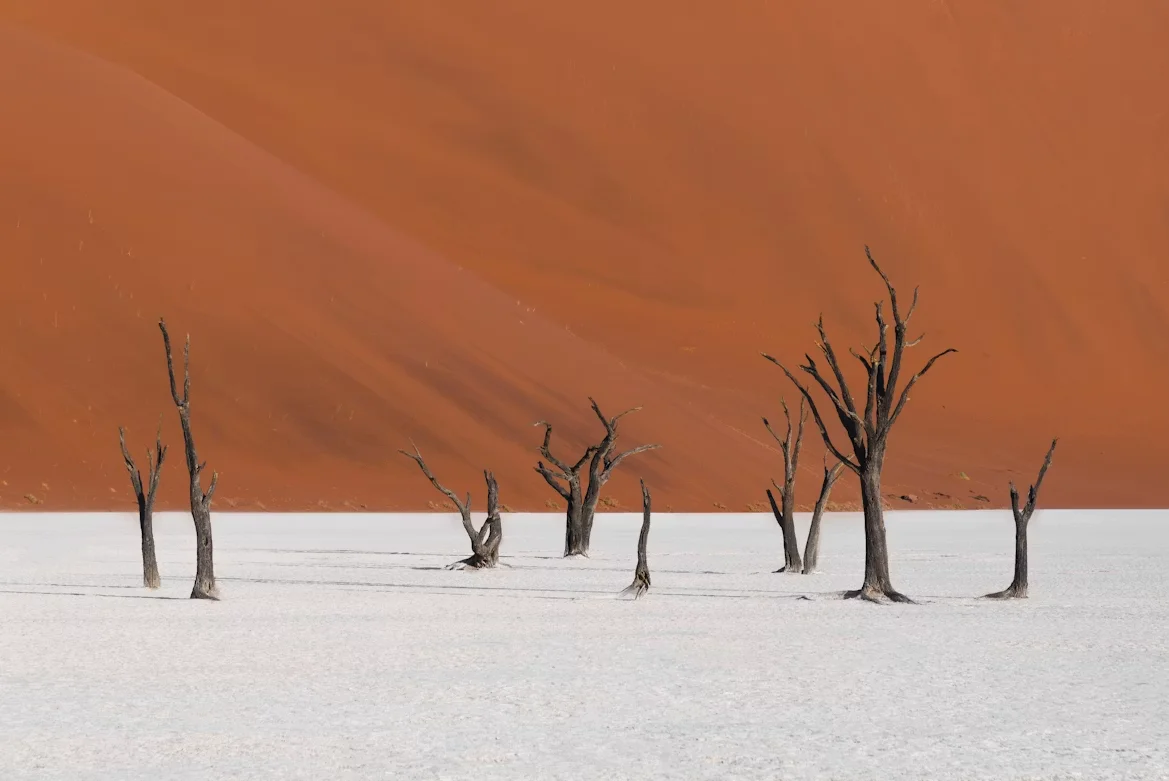
Black silhouettes against orange dunes and a white clay pan
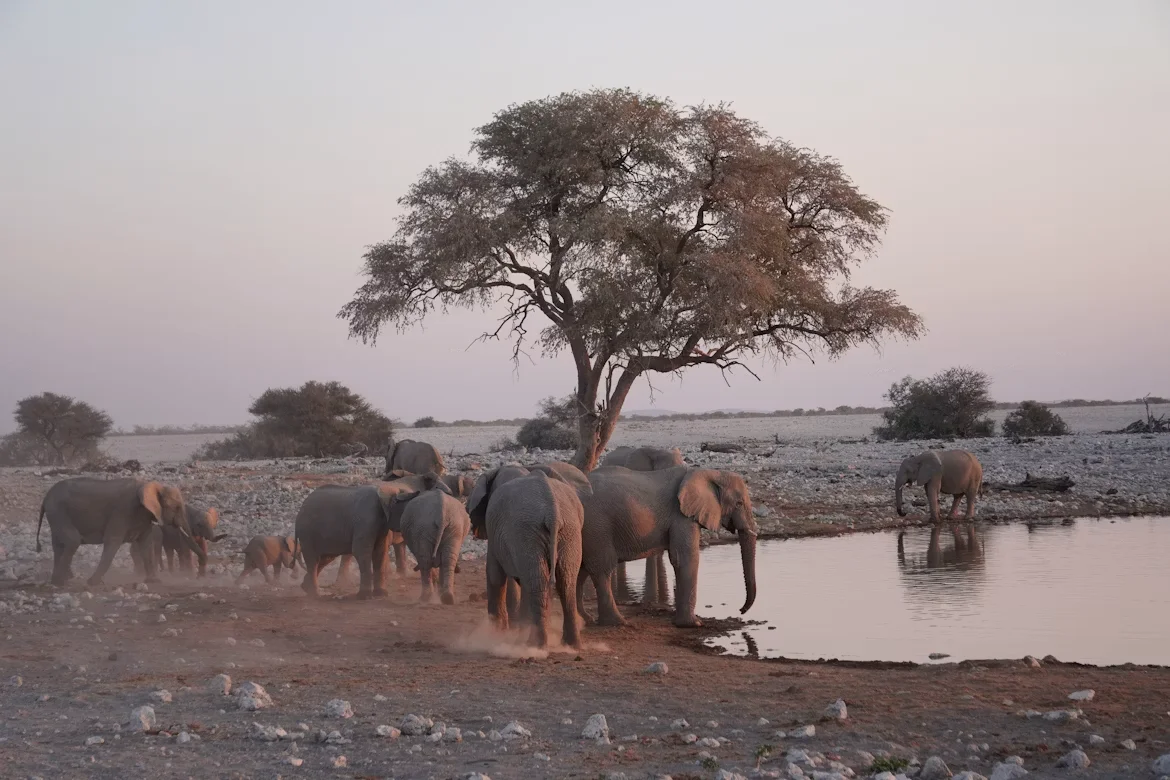
Multiple species often gather at once
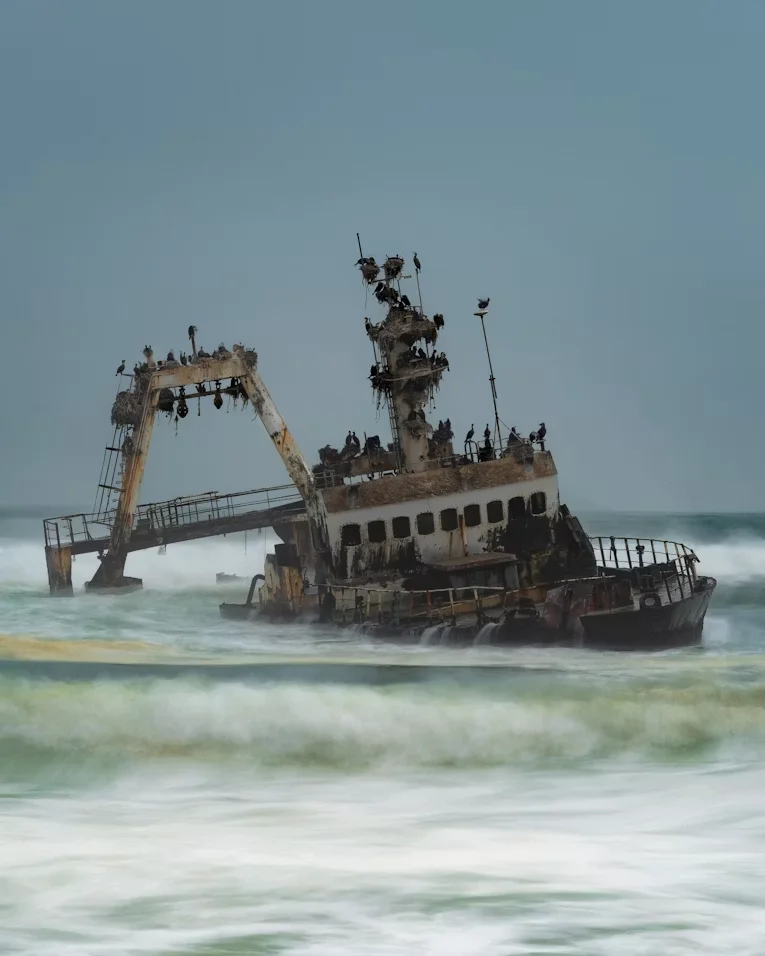
Rusted hulls against fog and empty beach
Deadvlei's Dead Trees. The genuine contrast of black tree silhouettes against orange dunes and a stark white clay pan, covered in Attractions, is most dramatic in the low, direct light of early morning before the sun climbs and flattens the color contrast.
Etosha Waterholes at Dusk. Multiple species genuinely gather simultaneously as the day cools, creating real opportunities for varied wildlife compositions in a single frame that daytime single-species sightings don't offer.
Skeleton Coast Shipwrecks. Rusted hulls against genuine, persistent fog create an atmospheric quality that's difficult to manufacture artificially — the real weather conditions covered in Weather are what make this shot work.
Sun protection, hat, sunglasses. Desert sun intensity here is genuinely constant and strong, making this a non-negotiable daily packing priority, not just a summer consideration.
Warm layers for desert nights. As covered in Weather, temperatures genuinely drop fast after dark regardless of how hot the day was — a warm layer isn't optional even in a desert destination.
A physical paper map as backup. Given the limited connectivity covered in Practical Information, a real paper map matters as a genuine backup for self-drive routes where phone signal simply isn't available to rely on.
Extra water in the vehicle. Given genuine distances between fuel stations and towns, carrying extra water is a real, practical safety margin for self-drive travel, not excessive caution.
Binoculars for Etosha & a wide-angle lens for the dunes. Genuine waterhole viewing distances reward binoculars, while Sossusvlei's dune scale is better captured with a wide-angle lens than a standard zoom.
Yes, genuinely one of Africa's best self-drive countries, well-maintained gravel roads and clear signage. A 4x4 is recommended for most routes.
10-12 days lets you genuinely combine Sossusvlei, Etosha, and the coast without excessive driving, Namibia's distances are bigger than they look.
Yes, consistently rated among Africa's safer countries. The real risks are environmental, heat and remoteness, not crime.
Sun protection for hot desert days, warm layers for genuinely cold desert nights, and a backup paper map if self-driving.
Is self-driving in Namibia realistic? Yes, genuinely — Namibia is considered one of Africa's best self-drive countries, with well-maintained gravel roads and clear signage covered in Practical Information. A 4x4 is recommended for most routes given road conditions outside major highways.
How many days do I actually need? The 10-12 day figure genuinely accounts for Namibia's real distances, covered in Practical Information — enough time to combine Sossusvlei, Etosha, and the coast without excessive, exhausting driving days.
Is Namibia safe for travelers? Yes — consistently rated among Africa's safer countries. The real risks are genuinely environmental (heat and remoteness), not crime, as covered in Safety above.
What should I pack? The reasoning behind each item — including why desert nights genuinely demand warm layers despite scorching days — is covered in the Packing section above.
Get the complete Namibia guide as a beautifully designed, offline-ready PDF — every section organized for actual use in the field, plus a full packing checklist.
Turn your research into a trip designed around your actual dates, budget, and travel style — planned by a person, not a form.
EXPLORE GOATLAS CONSULTATIONSGenuinely recommended places to stay and eat, not filler — booked through our trusted travel partners.
Book hotels, flights, tours, airport transfers, travel insurance, and car rentals through GoAtlas's trusted global travel partners — all in one place.
Explore Trusted Travel PartnersA GoAtlas travel expert can build your full Namibia self-drive route, or arrange a guided option, around your dates and budget.