
North America · USA
New York City, USA
40.7128° N, 74.0060° W
Five boroughs of density, ambition, and reinvention — the city that moves fast enough to reshape itself between visits.
Five boroughs of density, ambition, and reinvention — the city that moves fast enough to reshape itself between visits.
New York rewards visitors who treat it as a collection of distinct neighborhoods rather than a checklist of landmarks — the difference between a trip that feels like a highlight reel and one that feels like you actually understood the city. Manhattan gets most of the attention, but Brooklyn and Queens hold some of the best food and least touristy experiences.
The subway, despite its reputation, is the fastest way to cover real ground — most first-time visitors underestimate how spread out the city actually is on foot.
Built by waves of immigration since the 17th century, New York's identity is fundamentally about density and difference — few cities anywhere pack this many distinct cultures, cuisines, and neighborhoods into such a small footprint. That layered history is visible everywhere, from the tenement museums of the Lower East Side to the ever-changing skyline.
The subway genuinely runs 24 hours a day, every day. This is a real, notable rarity among major world transit systems — most equivalent networks close overnight for maintenance, but New York's genuinely never fully stops.
Ellis Island genuinely processed over 12 million immigrants between 1892 and 1954. A real, staggering historical scale behind the city's identity — millions of Americans today can trace a direct family history through that specific building.
Central Park is genuinely entirely artificial, not a preserved natural landscape. Designed by Frederick Law Olmsted and Calvert Vaux and completed between 1858 and 1876, every hill, lake, and rock formation was real, deliberately engineered — a detail that surprises many visitors who assume it's untouched nature in the middle of Manhattan.
New York has genuine seasons — each one changes what the city feels like to visit.
Mild temperatures, blooming parks, comfortable walking weather.
Hot and humid, but full of outdoor events and rooftop scenes.
Crisp air, fall foliage in the parks — many locals' favorite season.
Apr-Jun, Spring. Mild temperatures and genuinely blooming parks make this comfortable walking weather, before real summer heat and humidity arrive.
Jul-Aug, Summer. Hot and humid, though genuinely full of outdoor events and rooftop scenes that define a real, different version of the city than winter offers.
Sep-Nov, Autumn. Crisp air and real fall foliage in the parks make this genuinely many locals' favorite season, not just a tourism talking point.
Cards and contactless payment are standard nearly everywhere.
Many nationalities can apply for ESTA online; others require a standard visa — check well ahead.
A MetroCard or OMNY tap-to-pay covers the subway and buses citywide.
A US eSIM covers the five boroughs with strong, reliable coverage.
15–20% at restaurants is standard, not optional.
Tap water is safe; healthcare is high quality but expensive without insurance.
Currency & Money. Cards and contactless payment are genuinely standard nearly everywhere, real convenience across the city.
Visa. Many nationalities genuinely qualify for ESTA, an online visa waiver rather than a full visa application — worth applying well ahead regardless, since approval isn't guaranteed to every applicant.
Transportation. The system is genuinely transitioning from MetroCard to OMNY tap-to-pay — both work currently, though OMNY is real, gradually becoming the standard.
Tipping. The genuine 15-20% expectation at restaurants reflects a real, structural fact about US wage law — many service workers are legally paid below standard minimum wage, with tips making up the real difference, not just a cultural preference.
Health. Tap water is genuinely safe; healthcare is real, high quality but expensive without travel insurance, worth confirming coverage before you go.
New York is far safer today than its reputation from decades past — most neighborhoods are safe to walk, including at night. Standard city awareness applies: watch belongings on the subway and in crowded tourist areas.
New York is genuinely far safer today than its reputation from decades past. Crime rates have real, well-documented declines since their early-1990s peak — most neighborhoods are safe to walk, including at night, with standard city awareness covering the realistic risk.
New York is genuinely expensive, though free museum hours and city parks help offset it.
| Item | Budget | Mid-range | Luxury |
|---|---|---|---|
| Lodging (per night) | $70 – $150 | $200 – $400 | $500 – $1,500+ |
| Food (per day) | $30 – $50 | $60 – $110 | $150 – $350 |
| Local transport (per day) | $10 (MetroCard) | $10 (MetroCard) | $60+ (rideshare) |
| Broadway & attractions | $20 – $40 | $60 – $150 | $150 – $400 |
| Flight (in/out) | Varies widely | Varies widely | Varies widely |
New York is genuinely expensive, though real free museum hours and city parks help offset it. Several major museums offer genuine "pay what you wish" admission during specific windows — worth checking current schedules directly, since this real cost-saving option isn't always obvious from ticket pages alone.
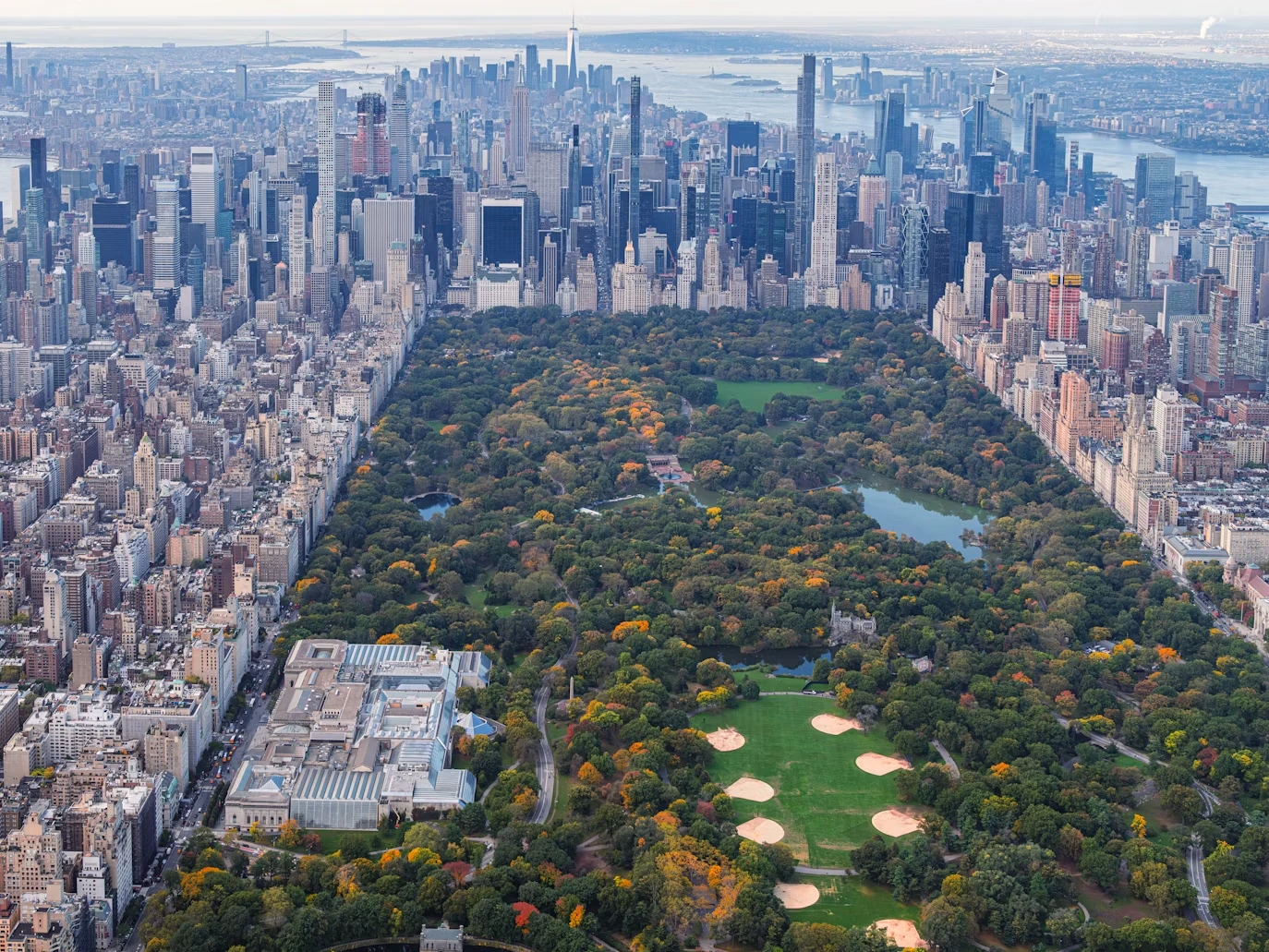
An 843-acre escape in the middle of Manhattan
Genuinely vast — pick one section rather than trying to cover all 843 acres in one visit.
Explore Experiences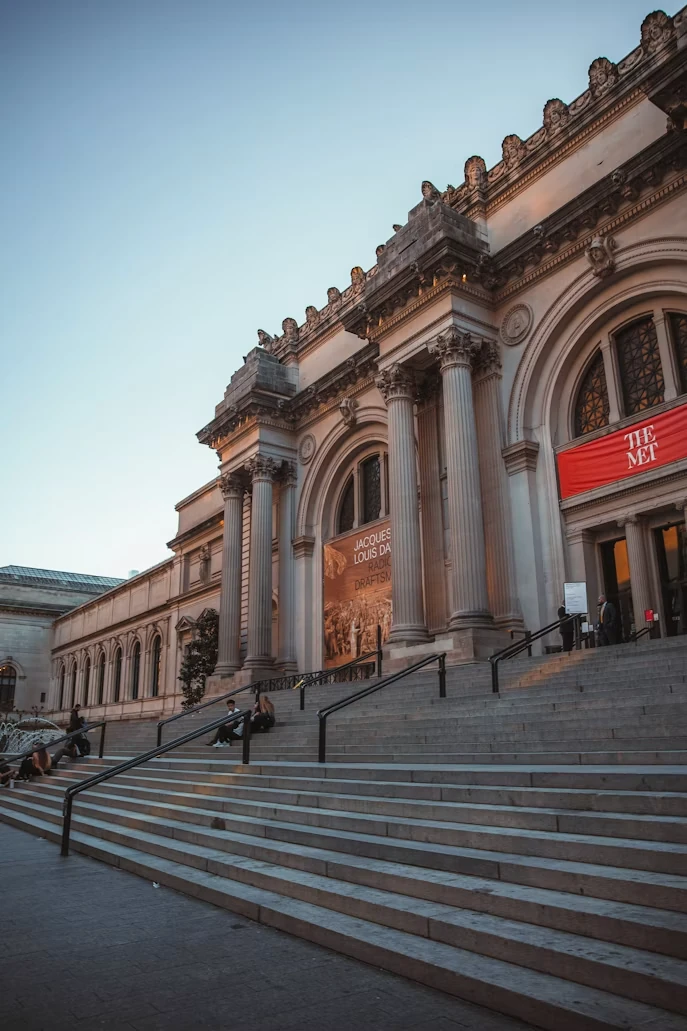
One of the world's largest and finest art collections
Genuinely worth a half day minimum, one of the world's largest and finest collections.
Explore Experiences
Book the ferry ahead, especially in summer
Book the ferry ahead, genuinely essential in summer when tickets sell out.
Explore ExperiencesCentral Park. Given the genuine entirely-designed landscape covered in Overview, picking one section rather than trying to cover all 843 acres in one visit is a real, practical approach.
The Metropolitan Museum of Art. This is genuinely one of the world's largest and finest art collections — real, worth a half day minimum given the actual scale.
The Statue of Liberty & Ellis Island. Given the genuine immigration history covered in Overview, booking the ferry ahead is a real necessity, especially in summer when tickets sell out.
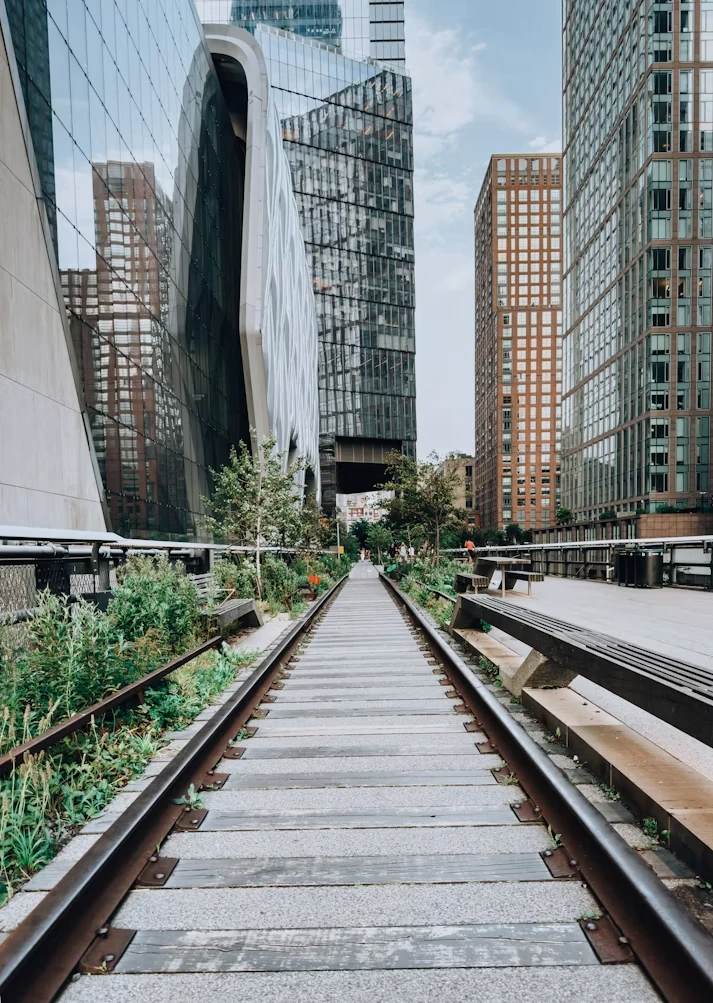
An elevated park, empty before the crowds
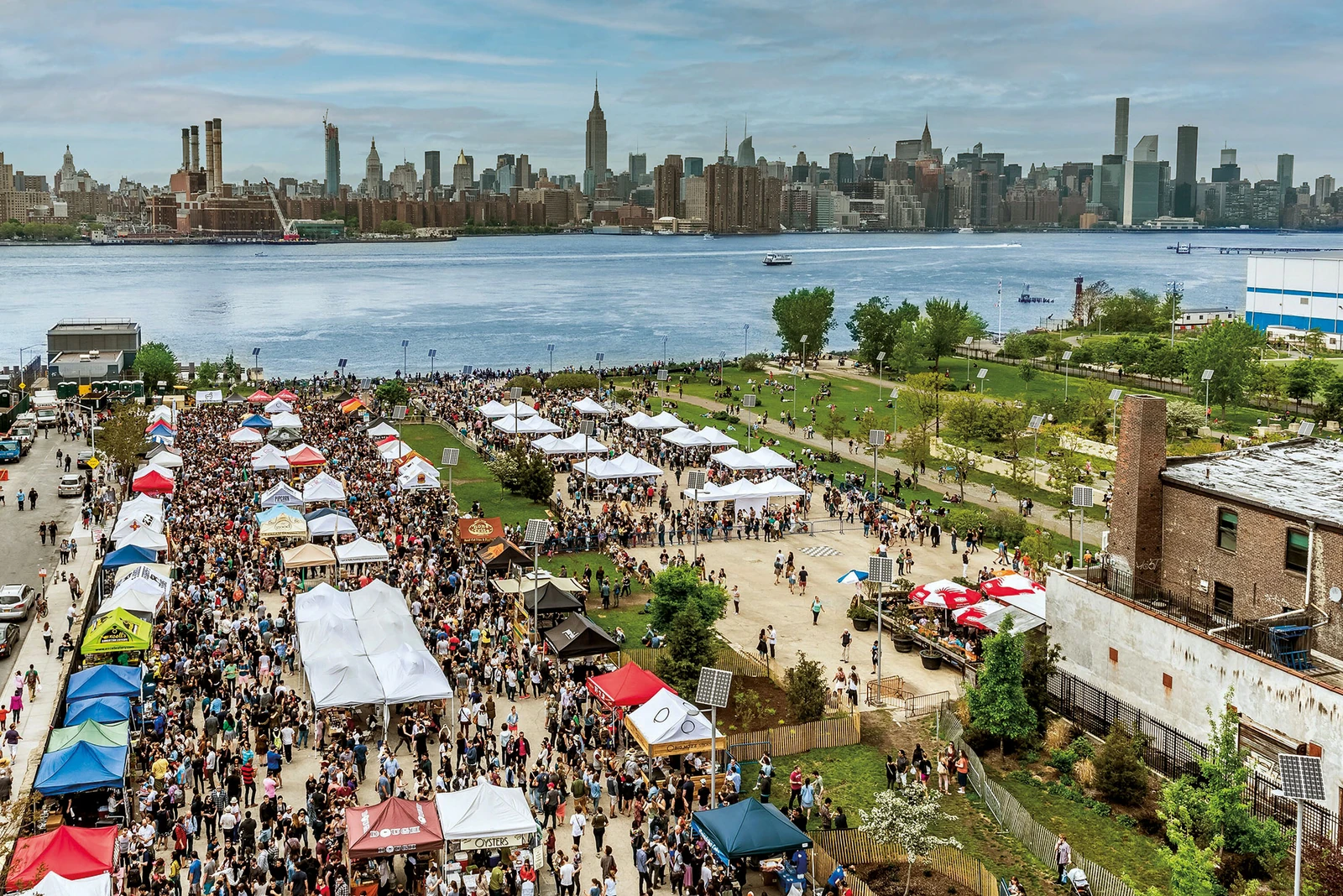
A weekend food market locals actually go to
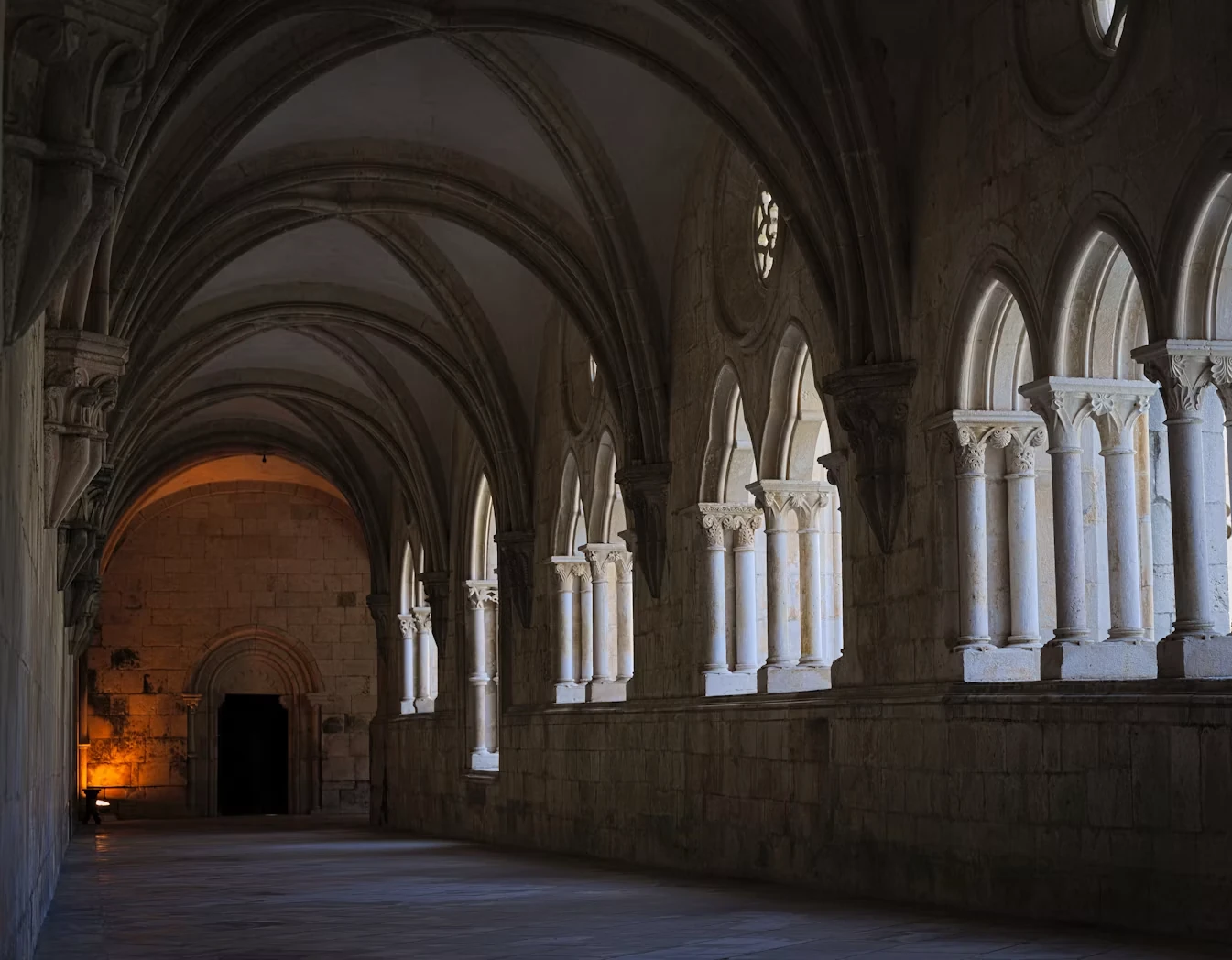
A medieval art museum overlooking the Hudson
The High Line at Dawn. This elevated park genuinely occupies a real former freight rail line, an actual adaptive reuse project turning abandoned industrial infrastructure into public space — empty and quiet before the crowds arrive later in the day.
Smorgasburg, Brooklyn. A genuine weekend food market locals actually go to, real local energy rather than a tourist-built attraction.
The Cloisters. This genuine medieval art museum overlooking the Hudson actually incorporates real architectural elements shipped and reassembled from European monasteries — literal medieval stonework, not a modern recreation.

Floor-to-ceiling views over the skyline
Floor-to-ceiling views over the skyline, genuinely central to everything Midtown offers.
Check Availability
A quieter base with easy subway access into Manhattan
A quieter base with genuinely easy subway access into Manhattan.
Check Availability
Central, social, budget-friendly
Central, social, and genuinely budget-friendly.
Check AvailabilityMidtown Skyline Suite. Genuine floor-to-ceiling views over the skyline, real central access to everything Midtown offers.
Brooklyn Boutique Hotel. A genuinely quieter base with real easy subway access into Manhattan, covered in Practical Information.
Lower East Side Hostel. Central, social, and genuinely budget-friendly, a real practical option for cost-conscious travelers.
New York's food scene is defined by its sheer range — you can eat a different cuisine every meal for weeks.
Everyone has an opinion on the best one — try a few.
Fast, cheap, and a genuine city institution.
Book well ahead for the city's best-known kitchens.
The Classic NY Slice. Genuine coal-oven pizza tradition dates back over a century here — everyone genuinely has an opinion on the best one, worth trying a few to form your own.
Halal Carts & Food Trucks. Fast, cheap, and a genuine real city institution, not a modern trend — these carts reflect real decades of New York street food culture.
Michelin-Starred Tasting Menus. New York genuinely holds one of the highest concentrations of Michelin-starred restaurants in the world — book well ahead for the city's best-known kitchens.
From dive bars to rooftop lounges to Broadway — the city genuinely doesn't sleep.
The American Museum of Natural History and Central Park's playgrounds are easy wins.
Something for every taste. Given the genuine 24-hour subway covered in Overview, the real "city that doesn't sleep" reputation is directly tied to that transit access — dive bars, rooftop lounges, and Broadway all stay reachable late.
More family-friendly than you'd expect. The American Museum of Natural History and Central Park's playgrounds, both covered elsewhere in this guide, are real, easy wins with kids.
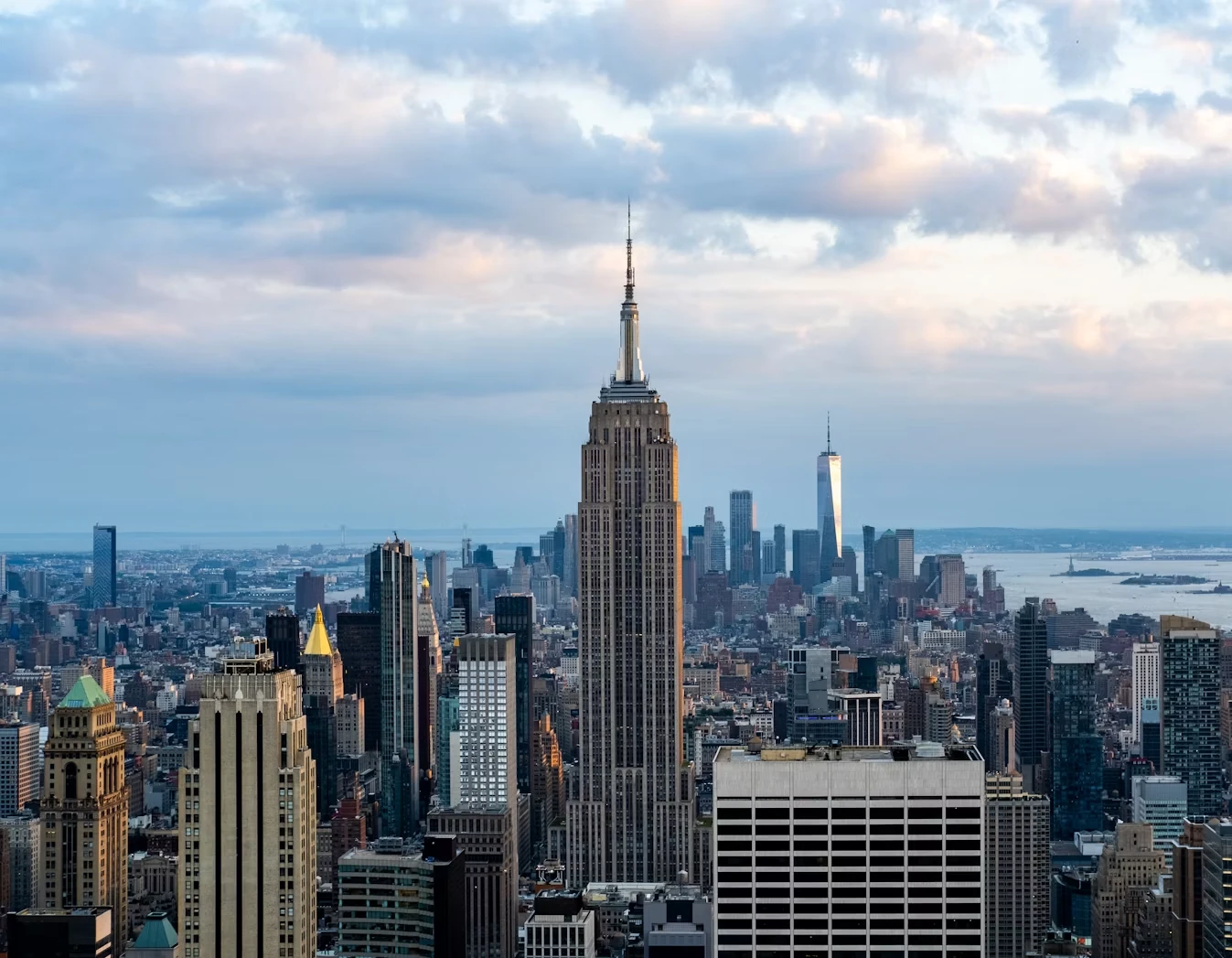
A skyline view that includes the Empire State Building
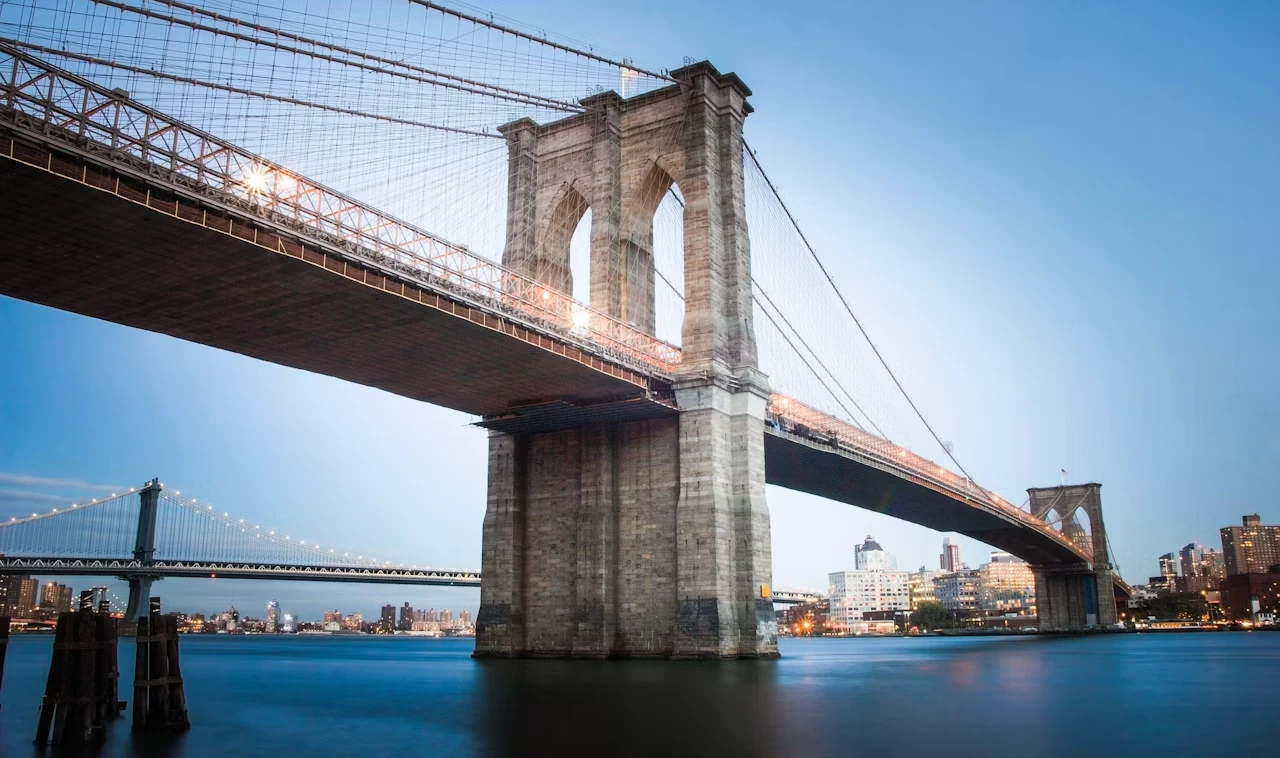
Empty of crowds before 7am
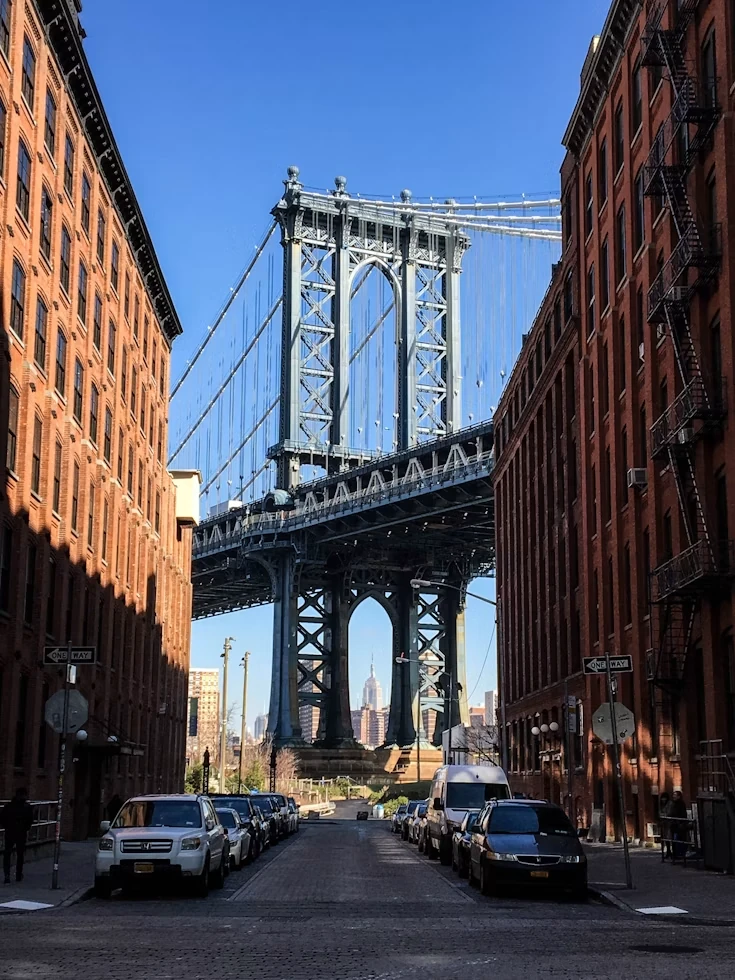
The classic framed skyline shot
Top of the Rock. This genuinely offers a real, distinct advantage over the Empire State Building's own observation deck — from here, the Empire State itself is actually part of your skyline shot.
Brooklyn Bridge at Sunrise. Given genuine crowd patterns, this is real, genuinely empty before 7am, unlike the rest of the day.
DUMBO's Manhattan Bridge View. This offers the real, classic framed skyline shot most visitors recognize from photos before ever arriving.
Broken-in walking shoes. Given the genuine real distances covered in Overview, real footwear comfort matters more here than relying entirely on the subway.
Layers year-round. Given genuine seasonal variety covered in Weather, real layering handles the city's actual temperature swings better than one jacket.
A weatherproof outer layer. Given genuinely unpredictable weather across seasons, this is a real, practical addition regardless of when you visit.
A portable phone charger. Given genuine full days of walking and navigating, real battery life matters more here than a shorter city visit.
Cash for tipping. As covered in Practical Information, genuine tipping culture makes small bills a real practical necessity.
A daypack for the subway. Genuinely useful for real, long days moving between boroughs and attractions.
4–6 days lets you cover Manhattan properly plus one or two other boroughs without rushing.
Yes — New York is well-suited to solo travel, with excellent transit and a culture that doesn't blink at dining or exploring alone.
For Broadway shows and the Statue of Liberty ferry, yes — especially in summer and around holidays.
Comfortable walking shoes above all else, plus layers — weather can shift quickly across seasons.
How many days do I actually need? 4-6 days genuinely lets you cover Manhattan properly plus one or two other boroughs without rushing.
Is it safe for solo travelers? Yes — New York is genuinely well-suited to solo travel, covered in Safety above, with real excellent transit and a culture that doesn't blink at dining or exploring alone.
Do I need to book attractions far in advance? For Broadway shows and the Statue of Liberty ferry, yes, genuinely — especially in summer and around holidays, covered in Attractions.
What should I pack? The reasoning behind each item — including why real tipping culture makes cash genuinely worth carrying — is covered in the Packing section above.
Get the complete New York City guide as a beautifully designed, offline-ready PDF — every section organized for actual use in the field, plus a full packing checklist.
Turn your research into a trip designed around your actual dates, budget, and travel style — planned by a person, not a form.
EXPLORE GOATLAS CONSULTATIONSGenuinely recommended places to stay and eat, not filler — booked through our trusted travel partners.
Book hotels, flights, tours, airport transfers, travel insurance, and car rentals through GoAtlas's trusted global travel partners — all in one place.
Explore Trusted Travel PartnersA GoAtlas travel expert can build your full New York City itinerary around your dates and budget.