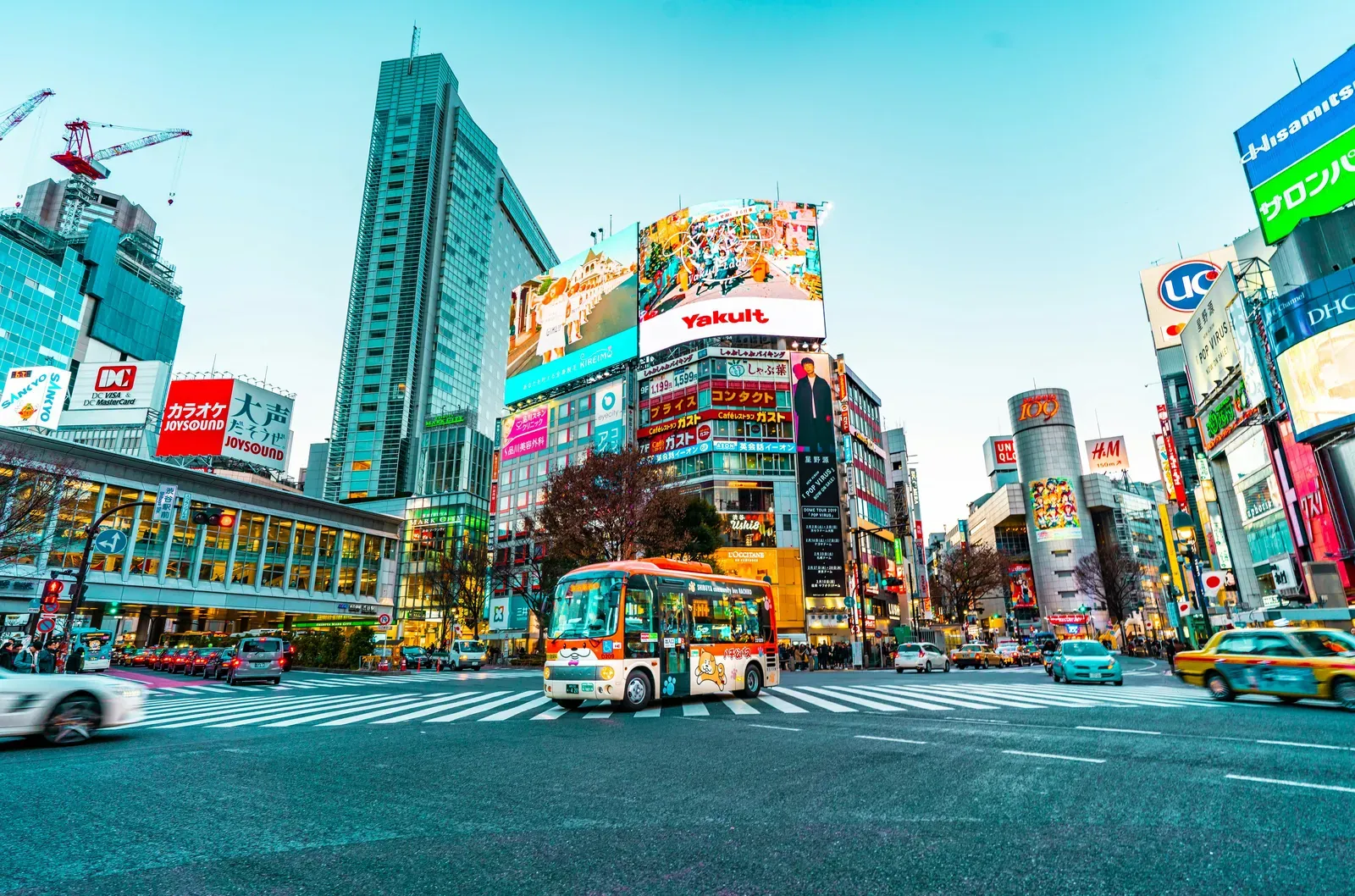
East Asia · Futuristic Mega-City
Tokyo
35.6762° N, 139.6503° E
The world's most populous metropolitan area, a pedestrian crossing that genuinely moves thousands at once, and more Michelin stars than any other city on Earth.
The world's most populous metropolitan area, a pedestrian crossing that genuinely moves thousands at once, and more Michelin stars than any other city on Earth.
Tokyo is genuinely the world's most populous metropolitan area, yet it runs with a precision that consistently surprises first-time visitors, trains arrive on schedule to the minute, streets are genuinely clean, and the city's scale never quite feels chaotic. Shibuya Crossing, often called the busiest pedestrian crossing in the world, sends an estimated 1,000-3,000 people across in a single light cycle at peak times.
Senso-ji, Tokyo's oldest temple in Asakusa, was founded in 645 CE and survived WWII bombing largely intact, a genuine link to the city's pre-modern history amid the surrounding skyline. Tokyo also holds more Michelin stars than any other city in the world, a genuine reflection of the depth of its food culture at every price point.
Japanese rail punctuality is genuinely extraordinary by global standards. Train operators have issued real, formal public apologies for delays measured in mere seconds — a level of precision most visitors have never experienced with public transit anywhere else.
Senso-ji genuinely survived WWII largely intact, despite the widespread firebombing that destroyed much of surrounding Tokyo. Founded in 645 CE, it stands today as a real, direct link to the city's pre-modern history amid the surrounding modern skyline.
Tokyo genuinely holds more Michelin stars than any other city in the world. This is a real, verifiable culinary distinction reflecting the depth of the city's food culture at every single price point, not just its highest-end restaurants.
Tokyo's two shoulder seasons are genuinely spectacular, and genuinely busy.
Cherry blossom season, genuinely stunning, also the most crowded window of the year.
Comfortable temperatures and genuine fall foliage, similarly popular.
Hot and humid, with a real rainy season in June, worth planning around.
Mar-May, Spring. Cherry blossom season is genuinely stunning, but exact bloom timing shifts year to year based on winter conditions — this real unpredictability is why it's also the most crowded window of the year, as travelers book around forecasts that only firm up weeks ahead.
Sep-Nov, Autumn. Comfortable temperatures and genuine fall foliage make this similarly popular to spring, with real, comparable crowd levels rather than a quieter alternative.
Jun-Aug, Summer. Genuinely hot and humid, with a real rainy season (tsuyu) concentrated in June — worth planning indoor backup activities around this specific stretch rather than assuming consistent summer weather.
Cash is genuinely still used more than in most developed cities, carry some.
Many passports get 90 days visa-free on arrival, check your specific nationality.
A Suica or Pasmo IC card covers nearly all trains, subways, and buses.
Local eSIMs are affordable and simple to activate on arrival.
Genuine local norms, phone calls on trains and street eating are both generally avoided.
Service is included, tipping isn't expected and can sometimes be politely declined.
Currency & Money. Cash is genuinely still used more here than in most developed cities, despite Japan's high-tech reputation — carrying yen remains a real practical necessity, not a backup plan.
Visa. The 90-day visa-free entry many nationalities receive is genuinely generous, though worth confirming against your specific passport.
Transportation. A Suica or Pasmo IC card genuinely covers nearly all trains, subways, and buses — one card, tapped in and out, removes the need to calculate individual fares across a complex system.
Etiquette. Quiet trains and no eating while walking reflect real, genuine local norms around not disturbing shared public space — phone calls on trains are avoided for the same real reason.
Tipping. Not customary here, and genuinely can cause confusion if attempted — service quality is built directly into the price and into real staff professionalism, and a tip can sometimes be politely declined rather than accepted.
Tokyo is genuinely one of the safest major cities in the world, extremely low crime even late at night. Standard city awareness still applies, but violent crime is genuinely rare.
Tokyo is genuinely one of the safest major cities in the world. Real, extremely low crime rates hold even late at night.
Lost items are genuinely returned here at remarkably high rates. This is a real, well-documented cultural pattern — wallets and bags left behind are commonly turned in intact, a level of honesty that surprises many first-time visitors.
Tokyo spans genuinely everything from $10 ramen to some of the world's most exclusive dining.
| Item | Budget | Mid-range | Luxury |
|---|---|---|---|
| Hotel (per night) | $50 - $110 | $150 - $320 | $400 - $1,200+ |
| JR Pass or IC card transit | $8 - $15/day | $8 - $15/day | Private car |
| teamLab or similar ticket | $25 - $35 | $25 - $35 | $25 - $35 |
| Meals | $15 - $28/day | $40 - $75/day | $150+/day |
Why Tokyo genuinely spans from $10 ramen to some of the world's most exclusive dining. Both ends coexist as real, equally legitimate parts of the same food culture, covered in Overview — high-end and casual dining aren't separate tiers here so much as different, equally serious expressions of the same culinary standards.
Attractions like teamLab price consistently across every budget tier. This is a real, fixed-entry model rather than luxury upselling — the experience itself doesn't change based on how much you're spending elsewhere in your trip.
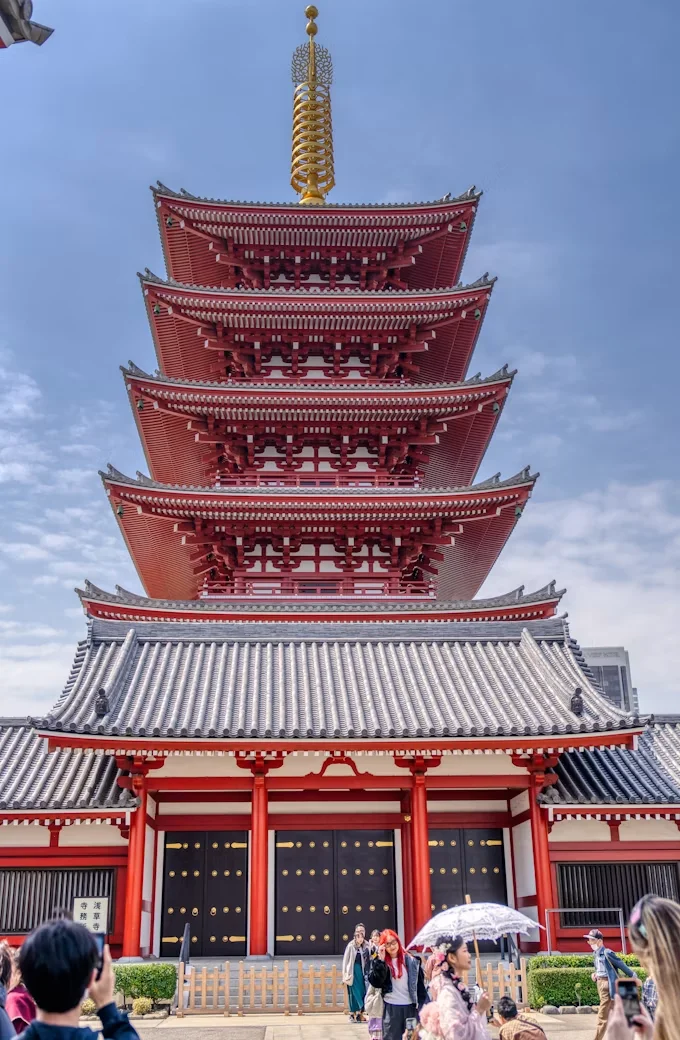
Tokyo's oldest temple, founded 645 CE
Best visited early morning, genuinely quieter before the approach street's shops and crowds pick up.
Explore Experiences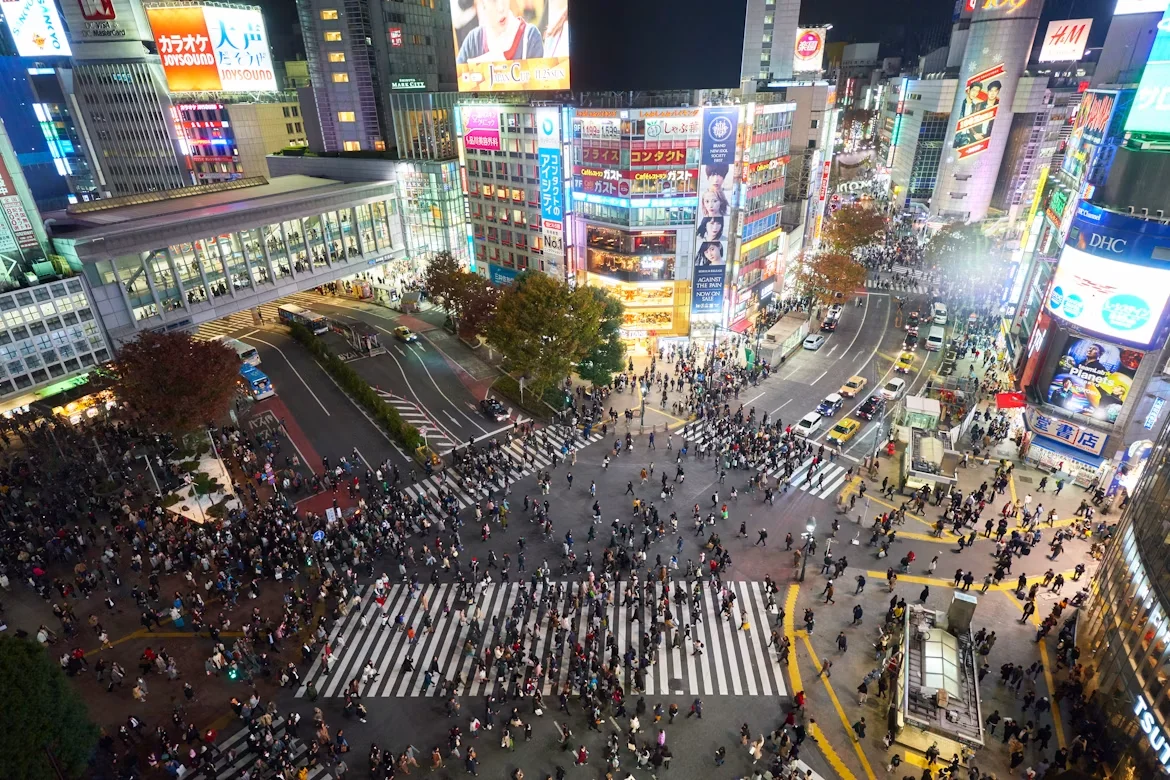
Genuinely the busiest pedestrian crossing in the world
Genuinely free to experience — cross it yourself, or view it from a café window above for the full scale.
Explore Experiences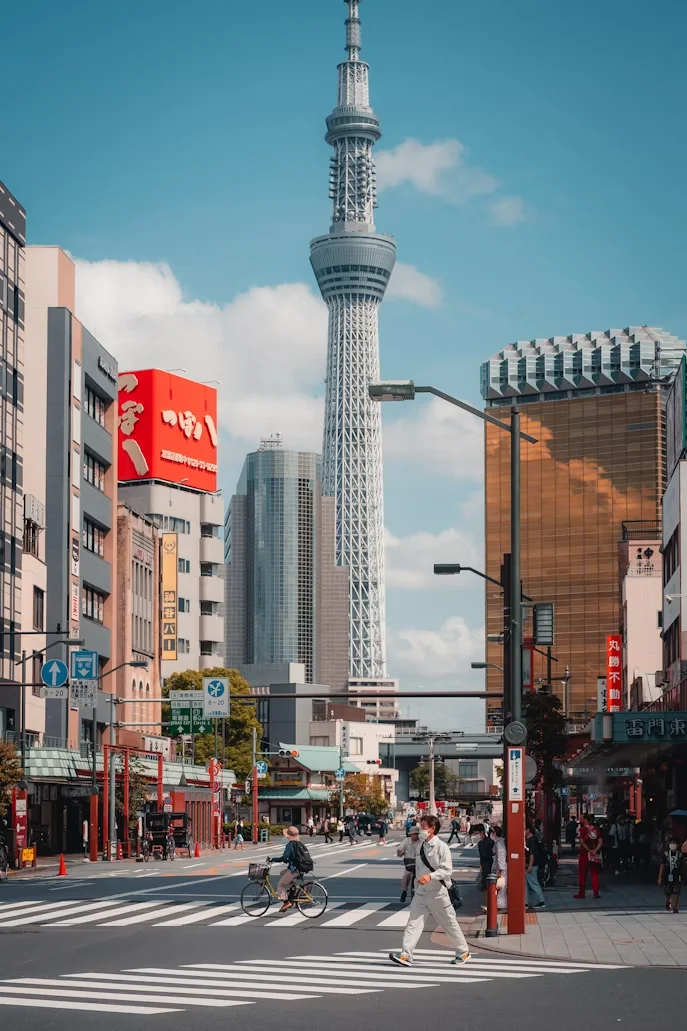
Sweeping city views from one of the world's tallest towers
Advance tickets genuinely help avoid the line, especially for sunset time slots.
Explore ExperiencesSenso-ji Temple, Asakusa. Given its genuine survival story covered in Overview, visiting early morning offers real, quieter access before the approach street's shops and crowds build up later in the day.
Shibuya Crossing. This is genuinely the busiest pedestrian crossing in the world, moving an estimated 1,000-3,000 people per light cycle at peak times — free to experience by simply crossing it, or viewed from above for the full real scale.
Tokyo Skytree. One of the world's tallest towers, opened in 2012, offers genuinely sweeping city views — advance tickets meaningfully help avoid lines, especially for sunset time slots.
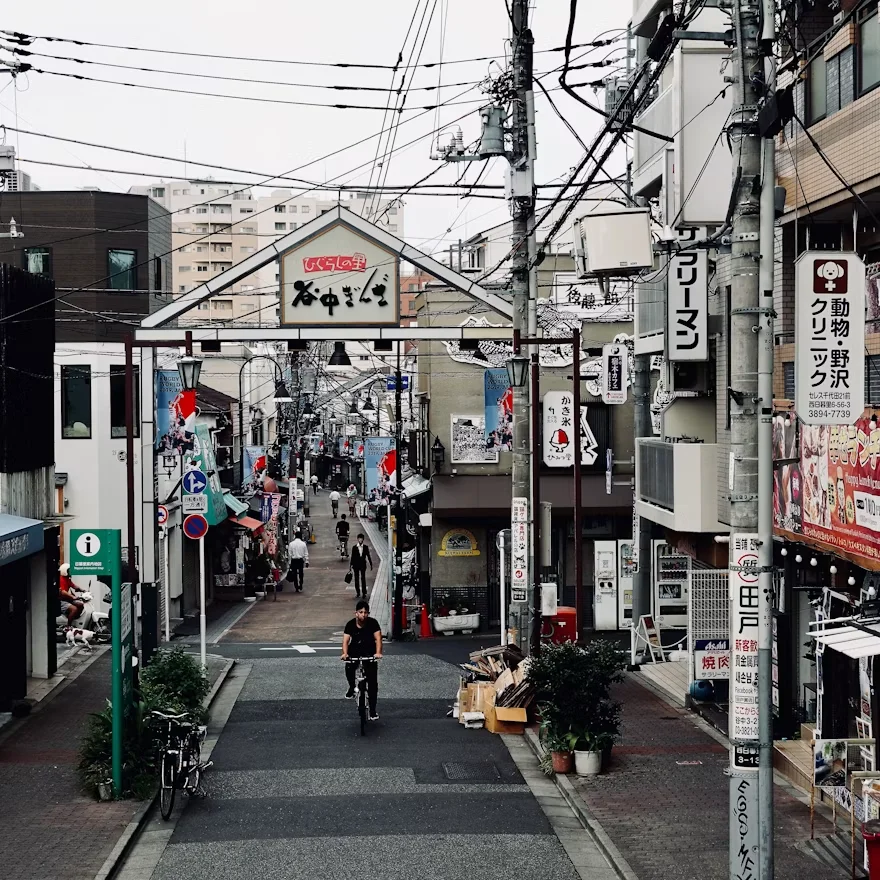
An old-town district genuinely spared WWII bombing
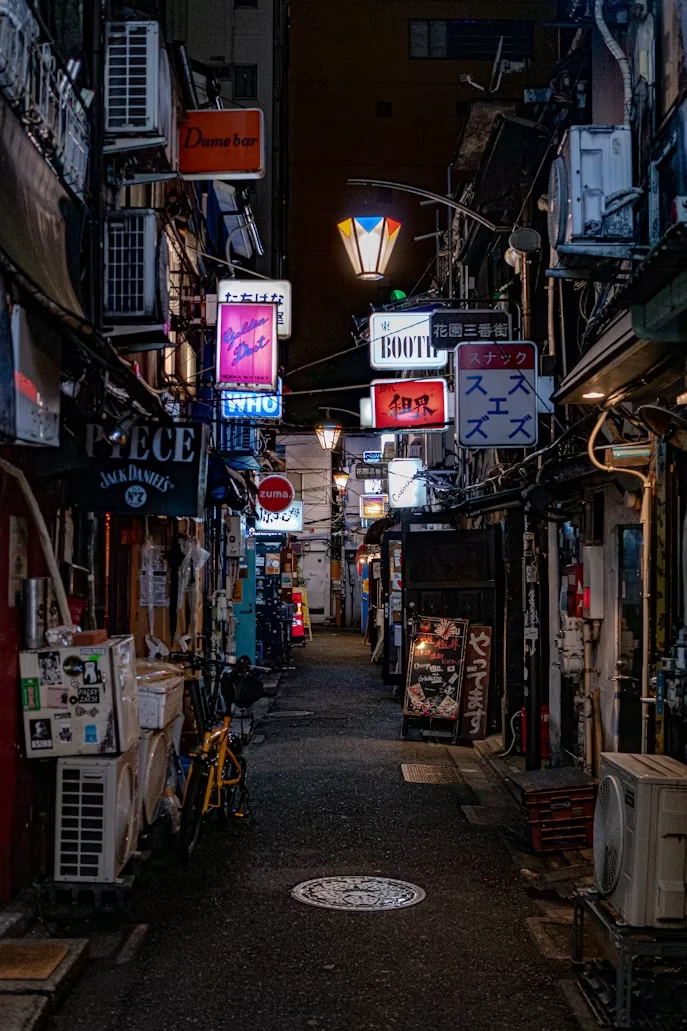
Tiny, genuinely atmospheric bar alleys in Shinjuku
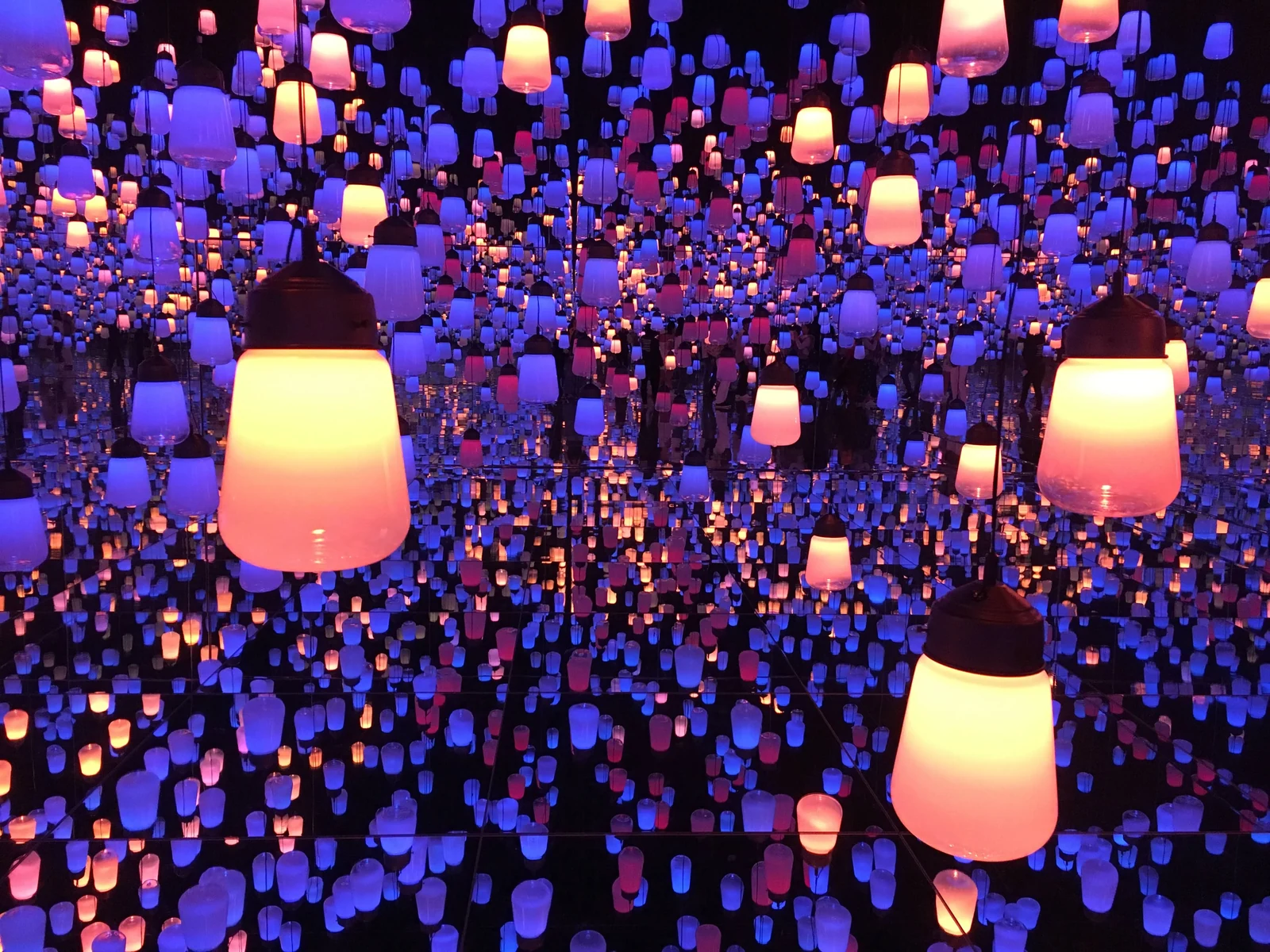
Genuinely immersive digital art, unlike anything elsewhere
Yanaka. This old-town district genuinely was spared WWII bombing that destroyed much of the surrounding city — real, preserved shitamachi (old downtown) character survives here in a way it doesn't in most of modern Tokyo.
Golden Gai. These tiny bar alleys in Shinjuku genuinely trace back to a real post-WWII black market district that evolved over decades into today's atmospheric, tightly packed bars — real history behind the charm, not a manufactured aesthetic.
teamLab Planets/Borderless. This genuinely immersive digital art is unlike anything found elsewhere — a real, original artistic format Tokyo pioneered rather than adapted from somewhere else.

Central, genuinely well-connected to trains everywhere
Central and genuinely well-connected to trains everywhere, a strong base for exploring the whole city.
Check Availability
A genuine traditional inn experience, near Senso-ji
A genuine traditional inn experience, near Senso-ji, Tokyo's oldest temple.
Check Availability
Steps from the crossing, genuinely central nightlife
Steps from the crossing, genuinely central to Tokyo's nightlife and shopping scene.
Check AvailabilityShinjuku Skyline Hotel. Genuinely well-connected to trains everywhere, this is a real, strong base for exploring the whole city without repeated long commutes.
Asakusa Ryokan. Near Senso-ji, covered in Attractions, this offers a genuine traditional inn experience — real cultural immersion alongside one of the city's most historic districts.
Shibuya Boutique Hotel. Steps from the crossing, covered in Attractions, this puts you genuinely central to Tokyo's real nightlife and shopping scene.
Tokyo's food scene genuinely rewards both careful research and total spontaneity.
Genuinely serious ramen shops, often standing-room, worth the short lines.
A genuine working seafood market, still serving fresh sushi breakfasts.
Genuinely high quality, surprisingly affordable, a fun and fast local meal.
Ramen Counters. Genuinely serious ramen shops, often standing-room only, are worth the short real wait — this format reflects real dedication to a single dish done exceptionally well, not a lack of seating investment.
Tsukiji Outer Market. Worth knowing accurately — the genuine wholesale inner market relocated to Toyosu in 2018, but the outer retail market remains at Tsukiji, still a real, working market serving fresh sushi breakfasts today.
Conveyor Belt Sushi. This genuinely Japanese-invented dining format (kaiten-zushi) delivers real high quality at surprisingly affordable prices — a fun, fast local meal format that's since spread worldwide from its Japanese origin.
Shinjuku and Shibuya both stay lively well past midnight, with low crime throughout.
teamLab, Tokyo Skytree, and Asakusa's temple grounds all land well with kids.
Genuinely runs late, and safely. Shinjuku and Shibuya genuinely stay lively well past midnight, with real, consistently low crime throughout — a rare combination of late-night energy and genuine safety.
Genuinely family-friendly. teamLab, Tokyo Skytree, and Asakusa's temple grounds, all covered elsewhere in this guide, land well with kids as real, substantive attractions rather than childproofed afterthoughts.
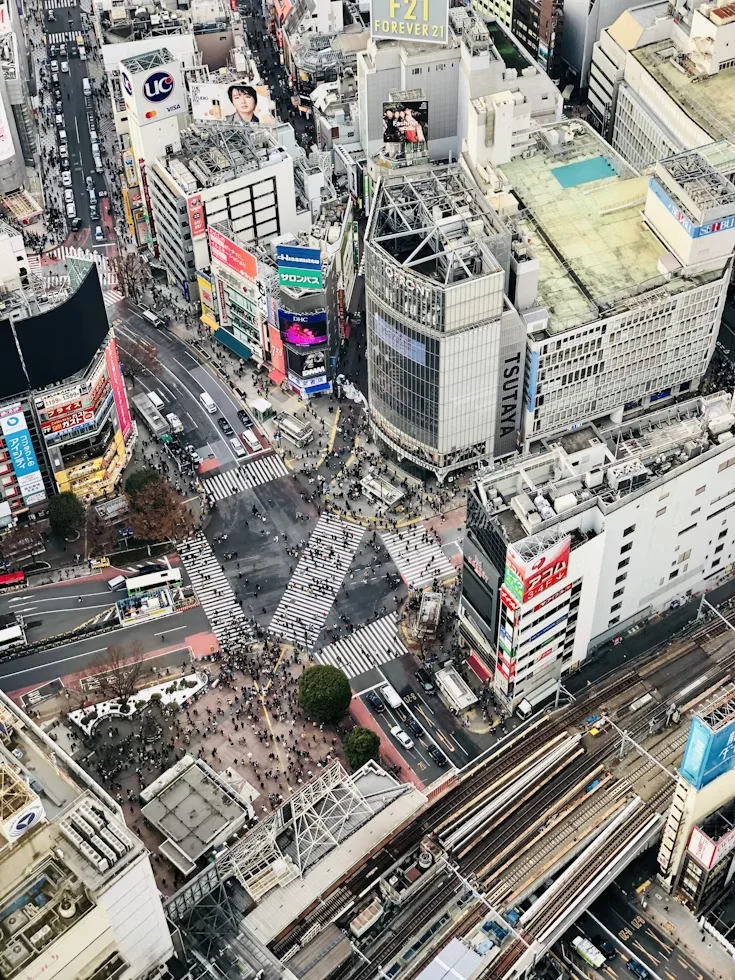
The Shibuya Sky observation deck captures the full scale
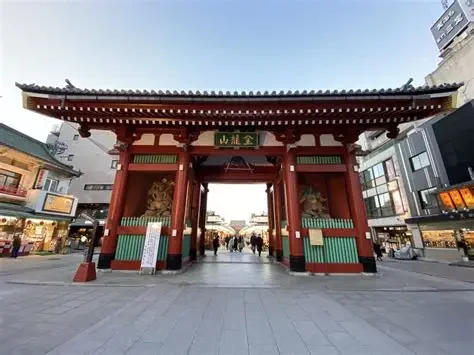
Genuinely photogenic day or night
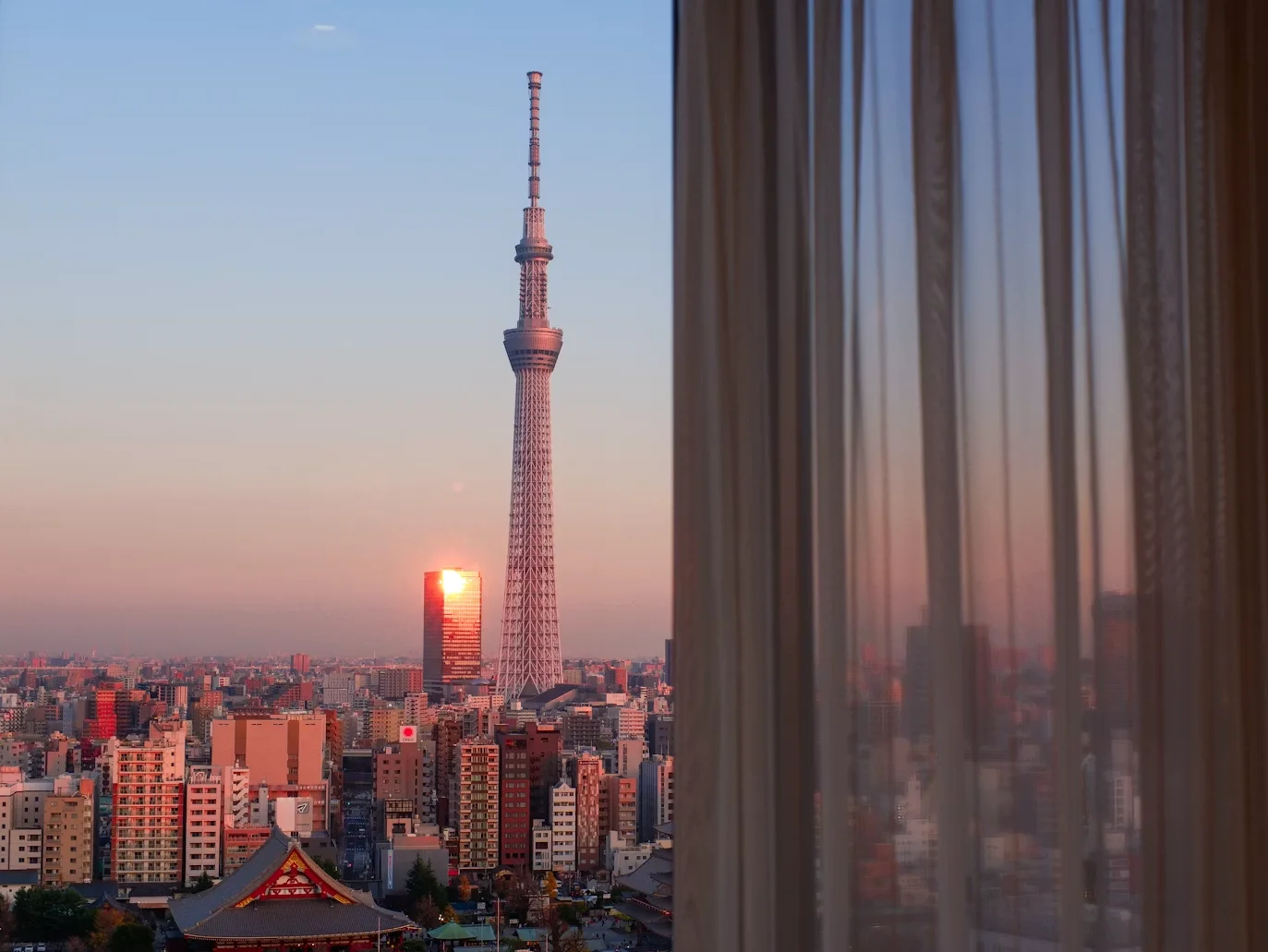
The city lighting up below, genuinely dramatic
Shibuya Crossing from Above. The Shibuya Sky observation deck genuinely captures the crossing's full real scale, covered in Attractions, in a way street-level photos can't convey.
Senso-ji's Thunder Gate. Genuinely photogenic day or night, this gate offers a real, different character depending on when you visit — worth returning for both.
Tokyo Skytree at Dusk. The city genuinely lighting up below as evening falls creates a real, dramatic transition shot unique to this specific time of day.
Comfortable shoes. Tokyo genuinely involves a lot of real walking between train stations and attractions — more than the map distances alone might suggest.
A compact umbrella. Given real rain common throughout the year, covered in Weather, this is a genuine practical staple rather than an occasional need.
Cash. As covered in Practical Information, genuine cash reliance here makes this a real necessity, not a backup.
A Suica or Pasmo card. Covered in Practical Information, this genuinely simplifies transit more than any other single item you'll carry.
Light, breathable clothing for humidity. Given genuine summer humidity covered in Weather, breathable fabric matters more here than temperature alone suggests.
A portable fan. Genuinely common locally during summer — a small, culturally normal way to manage real heat and humidity.
5-7 days genuinely lets you cover the major districts, a day trip, and real time for food without feeling rushed, Tokyo's scale takes longer to explore than the map suggests.
Not genuinely required, English signage is common in stations and major areas, though learning a few basic phrases goes a long way and is appreciated.
Yes, genuinely one of the safest major cities in the world, extremely low crime even late at night. Standard city awareness still applies.
Comfortable walking shoes, some cash since it's still widely used, and a compact umbrella, rain is genuinely common.
How many days do I actually need? 5-7 days genuinely lets you cover the major districts, a day trip, and real time for food without feeling rushed — Tokyo's actual scale takes longer to explore than the map suggests.
Do I need to speak Japanese? Not genuinely required — English signage is common in stations and major areas, though learning a few basic phrases is a real, appreciated gesture.
Is Tokyo safe for travelers? Yes, genuinely one of the safest major cities in the world, covered in Safety above, with extremely low crime even late at night.
What should I pack? The reasoning behind each item — including why cash genuinely still matters despite Tokyo's high-tech reputation — is covered in the Packing section above.
Get the complete Tokyo guide as a beautifully designed, offline-ready PDF — every section organized for actual use in the field, plus a full packing checklist.
Turn your research into a trip designed around your actual dates, budget, and travel style — planned by a person, not a form.
EXPLORE GOATLAS CONSULTATIONSGenuinely recommended places to stay and eat, not filler — booked through our trusted travel partners.
Book hotels, flights, tours, airport transfers, travel insurance, and car rentals through GoAtlas's trusted global travel partners — all in one place.
Explore Trusted Travel PartnersA GoAtlas travel expert can build your full Tokyo itinerary, the districts, the food scene, or a day trip, around your dates and budget.