Travel Guide
Solo Travel
Traveling alone doesn't mean traveling without a plan. Here's how GoAtlas approaches solo trips — where to go, how to pace it, and what actually makes solo travel work well.
Traveling alone doesn't mean traveling without a plan. Here's how GoAtlas approaches solo trips — where to go, how to pace it, and what actually makes solo travel work well.
Solo travel isn't about being alone the whole trip — it's about not having to negotiate the itinerary. You can change plans on a whim, linger somewhere longer than expected, or leave a place a day early without anyone else's schedule to consider. The trade-off is that you're planning without a second set of eyes, which is exactly where a little extra research (or an expert consultation) pays off most.
The best solo destinations tend to share a few traits: reliable public transport, a strong existing tourist infrastructure, and enough social touchpoints — hostels, group tours, communal dining — that "alone" never has to mean "isolated" unless you want it to.
Picked for safety, ease of navigation, and how naturally they lend themselves to traveling alone.

Exceptionally safe, easy public transport, and a slow pace that rewards going alone.

A well-worn solo-traveler circuit with easy ways to meet people if you want to.
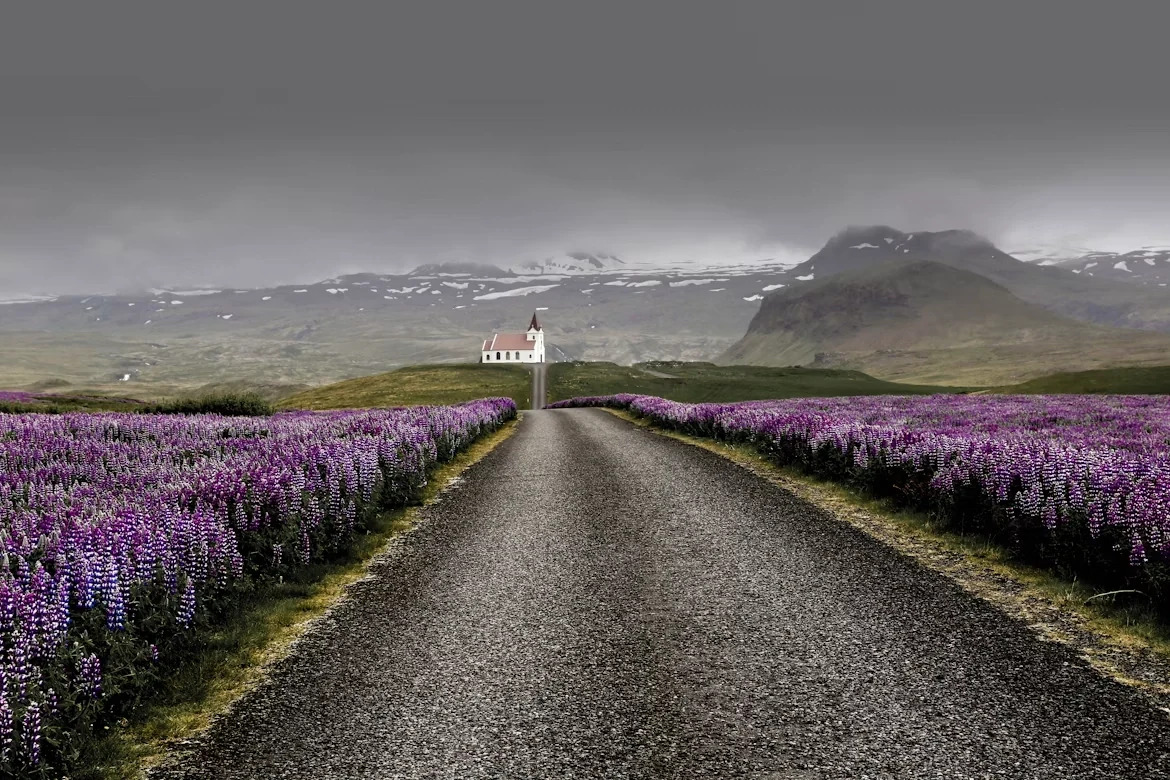
One of the safest countries in the world, with a Ring Road built for a solo road trip.

A culture that doesn't blink at solo dining, and transit that runs 24 hours.
These are just a few examples — this style of trip works well in dozens of places. Ask a GoAtlas expert about planning it for your destination of choice, anywhere in the world.
One way to structure a first solo trip — easy to adapt to your own pace.
Temples, gardens, and a slow introduction to solo pacing — Kyoto's public transport makes independent exploring easy from day one.
A livelier base with a strong street food scene — good for solo dining, since counter-seating izakayas are everywhere.
End on the city with the most going on — easiest place to meet other travelers if you're ready for company again.
Share your itinerary with someone at home, even loosely — dates, cities, and accommodation names are enough.
Book the first night before you arrive. Everything after that can be flexible, but arriving with nowhere confirmed adds unnecessary stress.
Hostels aren't just budget stays — many now offer private rooms and are the easiest way to meet other travelers when you want to.
Eat at the counter, not just the table. Solo dining is far more normal — and often better — in counter-seating restaurants and food markets.
Build in slack days. Solo trips are where over-scheduling backfires fastest — leave room to change your mind.
A local eSIM is worth it — reliable maps and translation matter more when there's no one else to lean on.
A GoAtlas travel expert can shape a full solo trip — destination, pacing, and safety-minded logistics — around your dates.
Real offers and genuinely recommended hotels from our trusted travel partners.