Southern Africa · Remote Safari
Botswana
22.3285° S, 24.6849° E
A permanent inland river delta reached by mokoro canoe, Africa's largest elephant population, and a safari model built deliberately around fewer people, not more.
A permanent inland river delta reached by mokoro canoe, Africa's largest elephant population, and a safari model built deliberately around fewer people, not more.
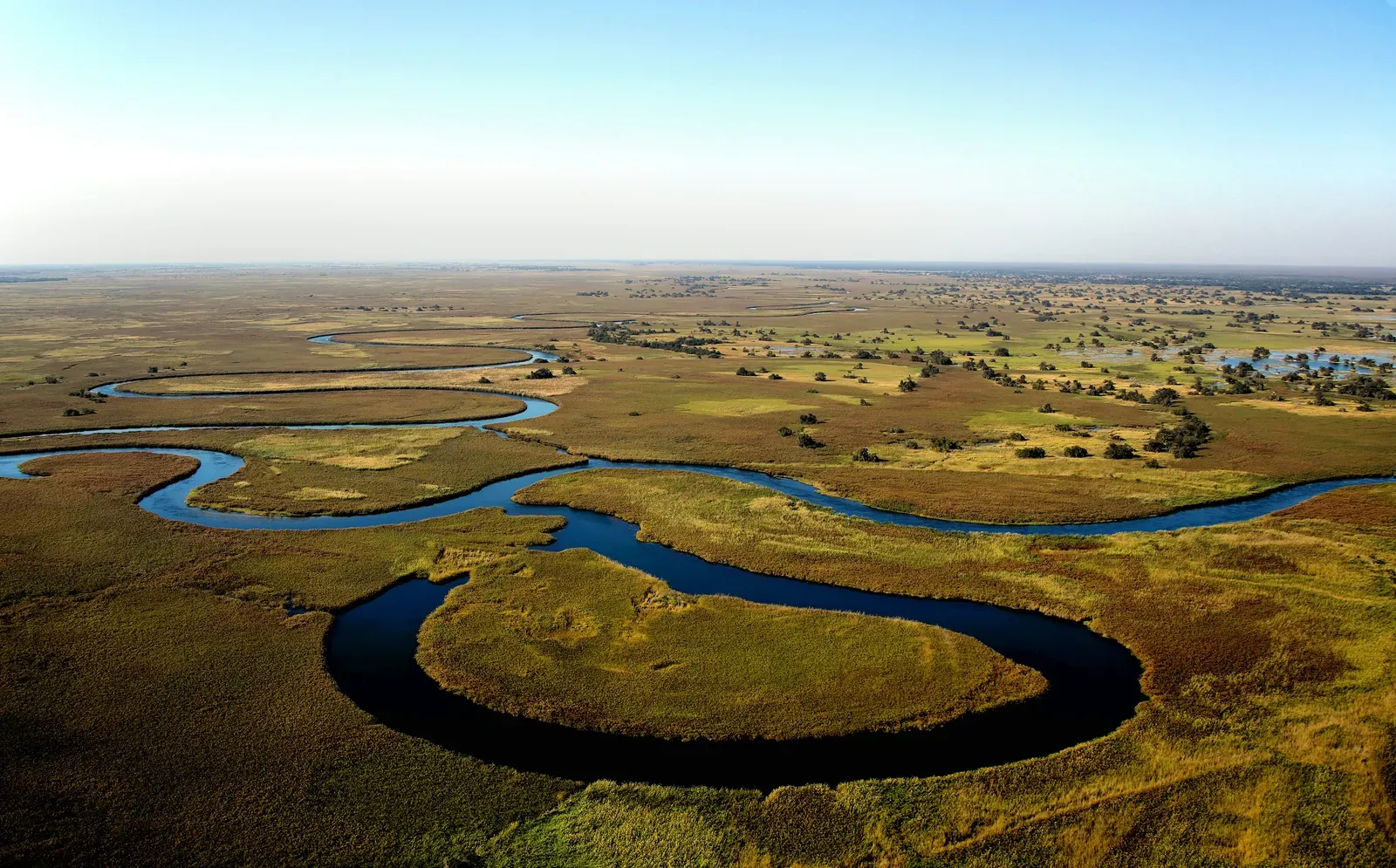
Botswana made an early, deliberate choice: low-volume, high-value tourism, rather than mass safari. The result is genuinely fewer vehicles per sighting than almost anywhere else in Africa, and landscapes, especially the Okavango Delta, a permanent inland river system reached partly by traditional mokoro canoe, that feel largely untouched.
Botswana has one of Africa's strongest records of political stability and diamond-funded conservation investment since independence in 1966. The Kalahari is also home to the San (Bushmen) people, among the oldest continuous cultures on Earth, with genuine cultural experiences available in and around the desert.
Botswana's low-volume tourism model is a genuine, deliberate government policy. Rather than maximizing visitor numbers the way many safari destinations do, licensed concessions cap the number of beds and vehicles allowed per area — this is the real, structural reason sightings here consistently involve fewer vehicles than almost anywhere else in Africa, not luck or lower popularity.
The Okavango Delta is genuinely geographically rare. It's one of the few inland deltas on Earth that never reaches the ocean — water flowing from Angola's highlands spreads across the Kalahari basin and is gradually absorbed and evaporated rather than draining to the sea, creating a permanent, unusual wetland ecosystem in the middle of an otherwise dry region.
The San (Bushmen) are genuinely considered among the oldest continuous human lineages on Earth. This is based on genetic studies of populations with deep, unbroken ancestral roots in the Kalahari — cultural experiences arranged through genuine community partnership offer real insight into traditions that predate most of recorded history.
Water availability, not temperature, drives the best safari windows here.
Wildlife concentrates around remaining water sources, easier, more predictable viewing.
Water from Angola's highlands reaches the Delta, ideal for mokoro and boat safaris.
Lush scenery and newborn animals, but wildlife is more dispersed.
May-Oct, Dry Season. Water availability, not temperature, genuinely drives Botswana's safari calendar — as smaller water sources dry up, wildlife concentrates predictably around what remains, making this the most reliable viewing window regardless of exact weather.
Jul-Sep, Peak Delta Flood. This is a genuinely fascinating hydrological quirk — floodwater from Angola's highlands takes months to travel overland and reach the Delta, meaning peak water levels here actually arrive well after Angola's own rainy season has ended, not during it.
Nov-Apr, Green Season. Genuinely lush scenery and newborn animals define this window, but wildlife disperses more widely across the landscape as water becomes available everywhere rather than concentrated at a few points — a real trade-off between scenery and viewing predictability.
USD accepted at most lodges; smaller local purchases need Pula.
Many passports get 90 days visa-free on arrival, check your specific nationality.
Most Delta camps are only reachable by small bush plane, part of the genuine remoteness.
Most camps are intentionally low-connectivity, part of the appeal for many guests.
Limited camp capacity means peak season fills up months in advance.
Meals, drinks, and game drives are typically bundled into one nightly rate.
Currency & Money. USD is genuinely accepted at most lodges, though smaller local purchases outside camps require Pula — worth having some on hand for anything beyond your all-inclusive stay.
Visa. The 90-day visa-free entry many nationalities receive is genuinely generous, though worth confirming against your specific passport since requirements vary.
Getting Around. Light aircraft transfers between camps aren't a premium option here — for most Delta camps, they're genuinely the only way in, since no road network reaches many of these remote, water-surrounded locations.
Internet. Minimal connectivity in the Delta is a genuine, deliberate camp design choice, not an infrastructure gap — many guests specifically choose Botswana for this real disconnection from constant connectivity.
Booking Lead Time. Camps filling up months ahead reflects the genuine capacity limits behind the low-volume policy covered in Overview — there are structurally fewer beds available industry-wide, not just at popular individual camps.
Cost Structure. Nearly all-inclusive nightly rates genuinely reflect how remote most camps are — with no nearby alternative dining or activity options, bundling meals, drinks, and game drives into one rate is the practical norm rather than an upsell.
Botswana is consistently rated among Africa's safest and most politically stable countries. Wildlife safety briefings at camp are taken seriously and genuinely matter, follow your guide's instructions at all times.
Botswana is genuinely, consistently rated among Africa's safest and most politically stable countries. This is a real track record dating back to independence in 1966 and reinforced by diamond-revenue-funded governance that's avoided the instability affecting some neighboring nations.
Wildlife safety briefings at camp genuinely matter here more than at many other safari destinations. Walking safaris and open vehicles, both common in Botswana's camps, put guests in closer real proximity to wildlife than closed-vehicle game drives elsewhere — following guide instructions precisely is a real safety practice, not a formality.
Botswana is a genuinely premium safari destination, priced accordingly.
| Item | Standard | Premium | Ultra-Luxury |
|---|---|---|---|
| Delta camp (per night, per person) | $400 - $700 | $800 - $1,400 | $1,500 - $3,000+ |
| Light aircraft transfers | $150 - $300 each way | $150 - $300 each way | Often included |
| Meals & game drives | Fully included | Fully included | Fully included |
Why Botswana is genuinely priced higher than other safari destinations, by design. The low-volume conservation policy covered in Overview directly limits the number of available beds nationwide — with structurally less supply than demand, prices reflect genuine scarcity created by policy, not simply a luxury markup.
Light aircraft transfers add a real, unavoidable cost most first-time visitors underestimate. Given the remoteness covered in Practical Information, these flights aren't optional extras but a genuine, structural part of getting between most camps at all.
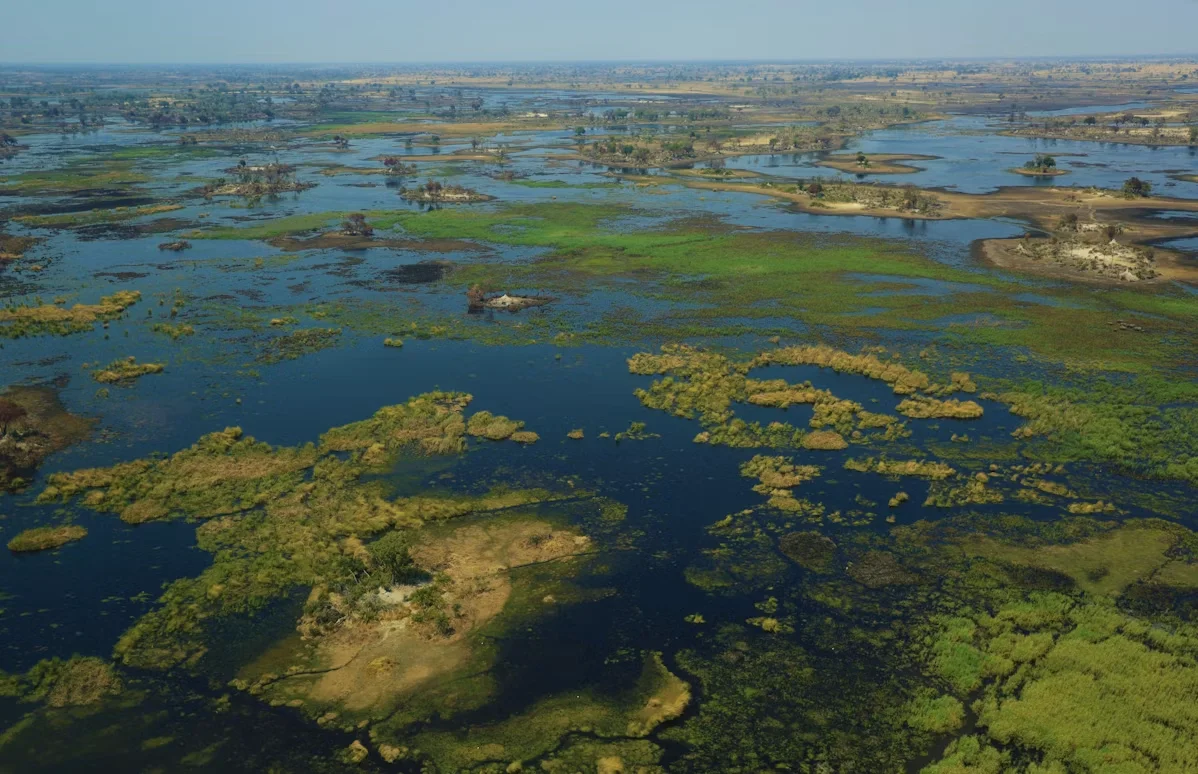
A permanent inland river delta, explored partly by mokoro canoe
A mokoro canoe trip is the classic way to explore the Delta's channels, best arranged with a local guide.
Explore Experiences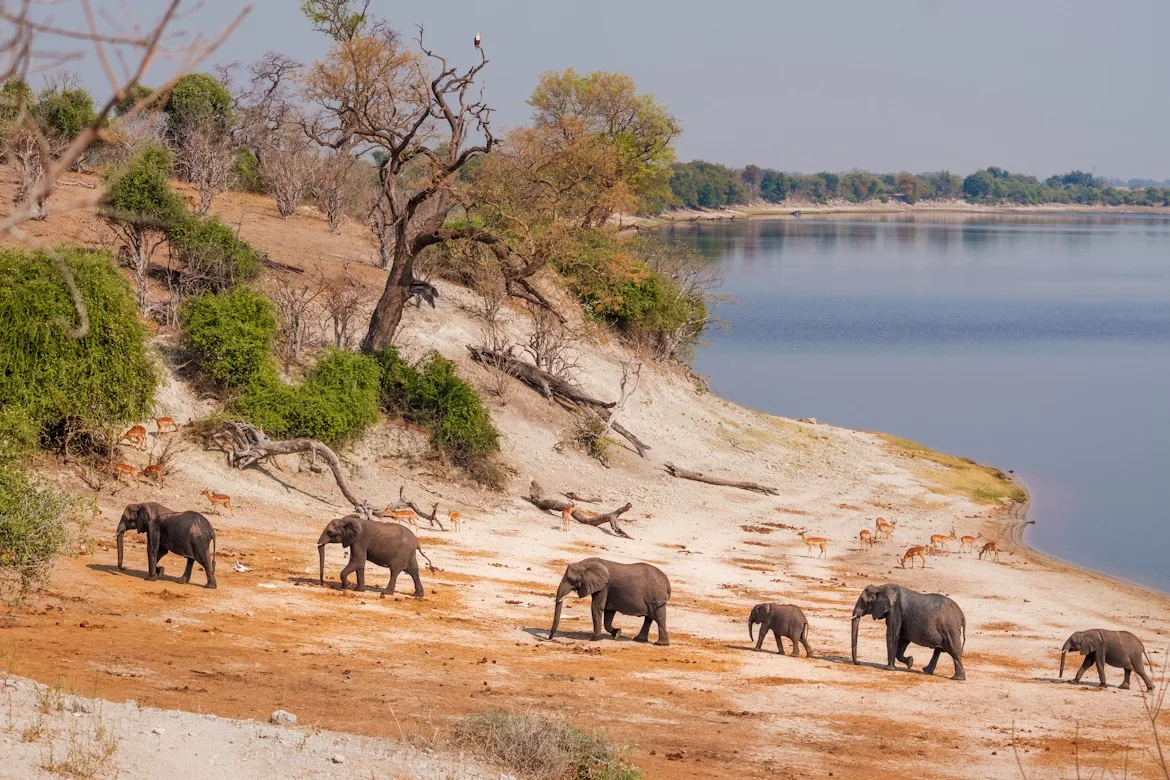
Home to Africa's largest elephant population
River cruises and game drives are typically booked together here, since Chobe's wildlife concentrates along the water.
Explore Experiences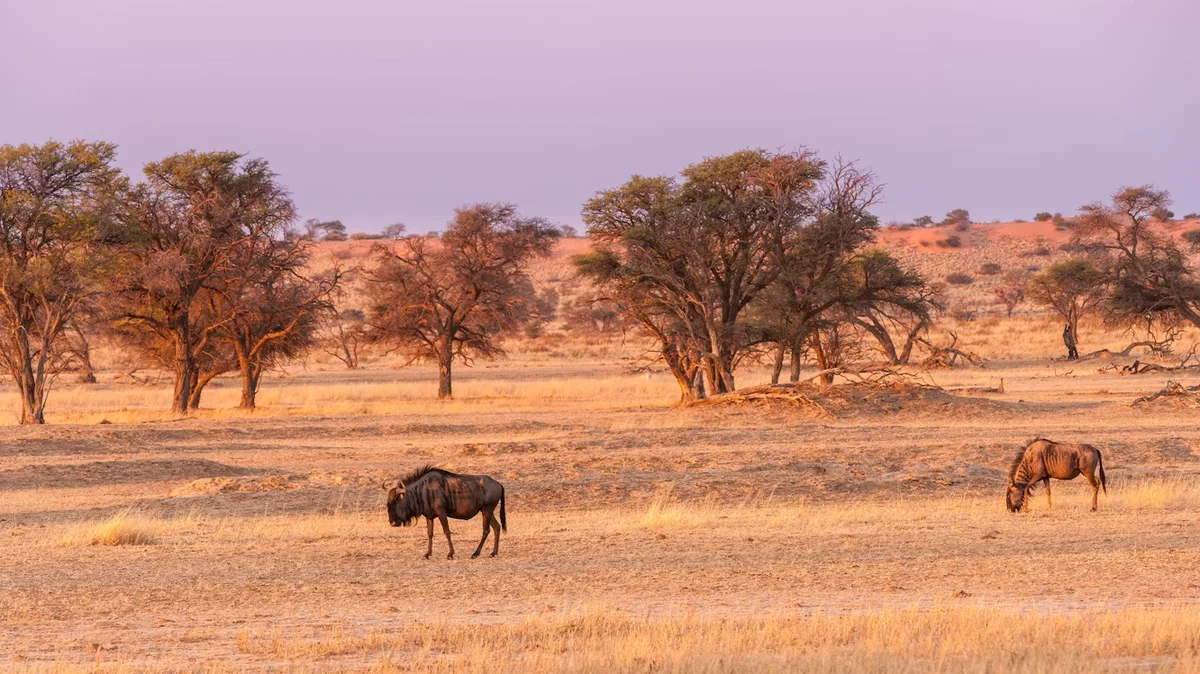
Vast salt pans and genuine San Bushmen cultural encounters
San Bushmen cultural walks are genuinely best experienced through a guided visit, not independently.
Explore ExperiencesOkavango Delta. A mokoro — a traditional dugout canoe, genuinely poled rather than paddled by a skilled local guide standing at the stern — offers a real, quiet way to move through the Delta's narrow channels that a motorized boat simply can't replicate.
Chobe National Park. This is genuinely home to one of Africa's largest elephant populations, with herds numbering in the tens of thousands — river cruises and game drives are typically booked together here specifically because Chobe's wildlife concentrates predictably along the water, especially during dry season.
Kalahari Desert. The vast salt pans here are genuinely otherworldly in scale, and San Bushmen cultural walks arranged through proper community partnership offer real, substantive insight into traditions covered in the Overview — not a staged tourist performance.
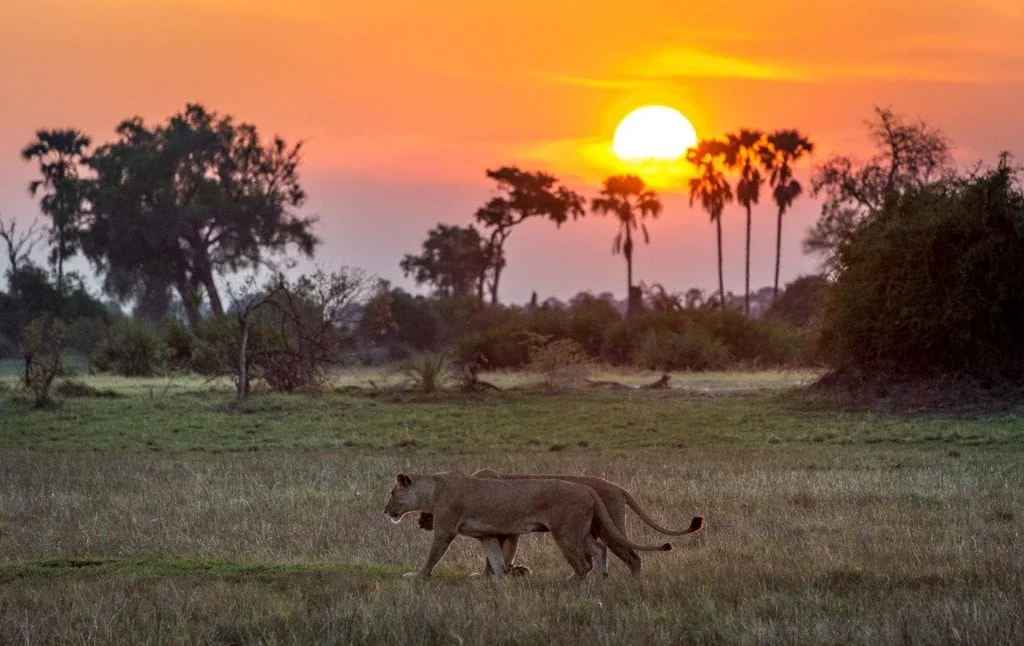
Inside the Delta itself, exceptional predator sightings
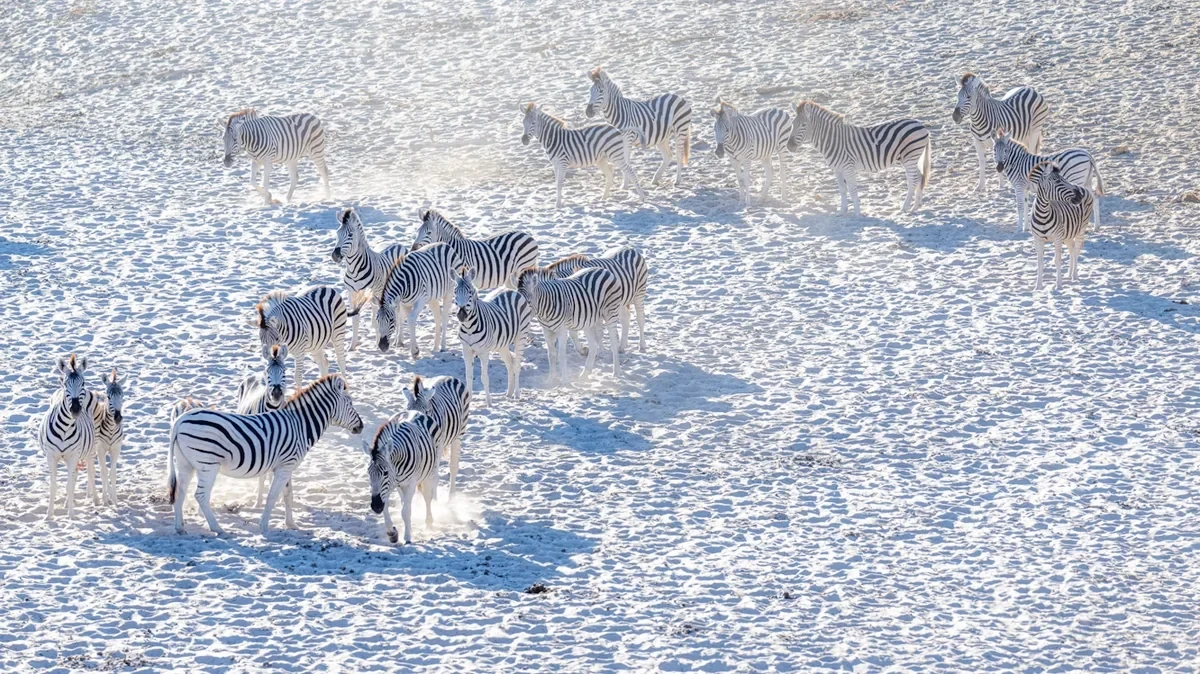
One of the largest salt flats on Earth, genuinely otherworldly
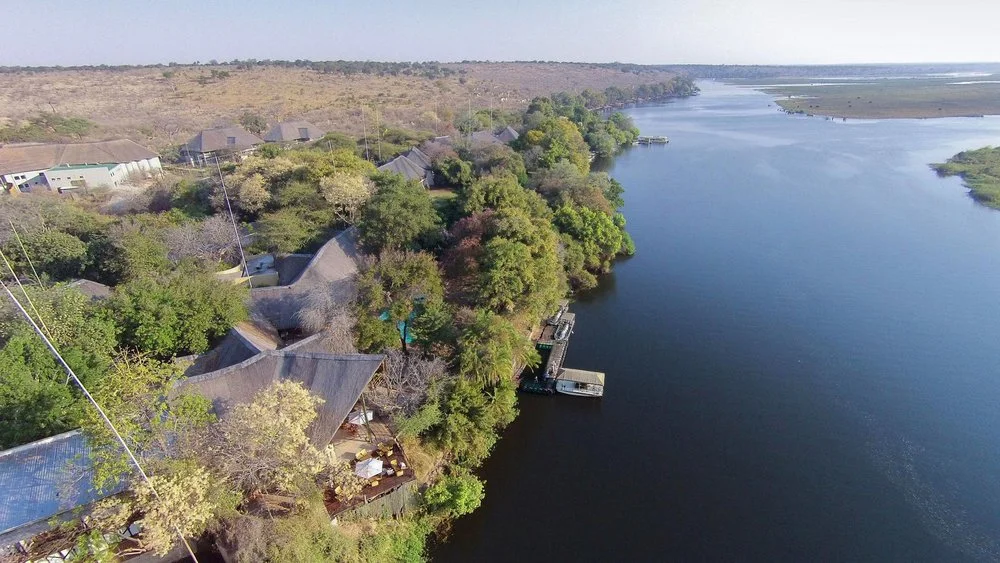
A private, low-traffic concession bordering Chobe
Moremi Game Reserve. Sitting inside the Delta itself, Moremi's exceptional predator sightings come from a genuine combination of permanent water and the same low-vehicle-density policy covered in Overview, applied to one of the Delta's richest wildlife areas.
Makgadikgadi Salt Pans. These are genuinely among the largest salt flats on Earth — a real, stark landscape that looks and feels categorically different from the Delta's lush wetlands just a relatively short distance away.
Linyanti Wildlife Reserve. This private, low-traffic concession bordering Chobe genuinely offers similarly dense wildlife to its more famous neighbor, with meaningfully fewer vehicles, precisely because private concessions can set even stricter visitor limits than the national park itself.

Stilted rooms over the floodplain itself
Sleeping directly over the floodplain is the kind of stay that's genuinely hard to find outside the Delta itself.
Check Availability
Elephant sightings genuinely possible from your room
Chobe has one of Africa's highest elephant concentrations, and this lodge puts them right at your doorstep.
Check Availability
Star-filled skies, guided San walks
Guided walks with San guides offer a genuine cultural dimension most safari stops don't.
Check AvailabilityOkavango Delta Water Camp. Stilted rooms genuinely sitting directly over the floodplain offer an experience specific to the Delta's unique geography — this kind of literal water-level immersion is genuinely hard to find in any other safari region.
Chobe Riverfront Lodge. Given Chobe's exceptional elephant concentration covered in Attractions, a riverfront lodge genuinely puts sightings within view of your own room, not just during scheduled drives.
Kalahari Desert Camp. Guided walks with genuine San guides add a real cultural dimension that most conventional safari stops simply don't offer, alongside star-filled desert skies largely free of light pollution.
Most dining happens at camp, with genuinely thoughtful bush-cuisine menus.
Often served outdoors, around a fire, under genuinely dark skies.
Slow-cooked, pounded beef, a genuine Botswana national dish.
A handful of solid restaurants for your arrival or departure night.
Set Bush Dinners. Outdoor fireside dinners under genuinely dark skies reflect both the remoteness of most camps and a deliberate part of the Botswana safari experience — the setting is as much the point as the food itself.
Seswaa. This slow-cooked, pounded beef dish is genuinely considered Botswana's national dish — the pounding technique, breaking the meat down after long cooking, is a real, distinctive preparation method worth trying specifically here.
Pre-Safari Meals, Maun. As the genuine gateway town most Delta trips fly through, Maun offers a handful of solid restaurant options worth using for an arrival or departure night, before or after the fully-inclusive camp dining takes over.
Evenings here mean stargazing and fireside conversation, not going out.
Often 8-12 years old due to walking safaris and open vehicles, check per camp.
Firelight, not nightclubs. This genuinely is the point of a Botswana evening, not a limitation — stargazing and fireside conversation under some of the darkest skies most visitors will experience, a real, different register of evening than any city offers.
Many camps have a minimum age. The 8-12 age range common across camps reflects genuine, practical safety factors — walking safaris and open vehicles, covered in Safety, put younger children closer to real wildlife risk than closed-vehicle drives elsewhere, making this a real precaution worth checking per camp.
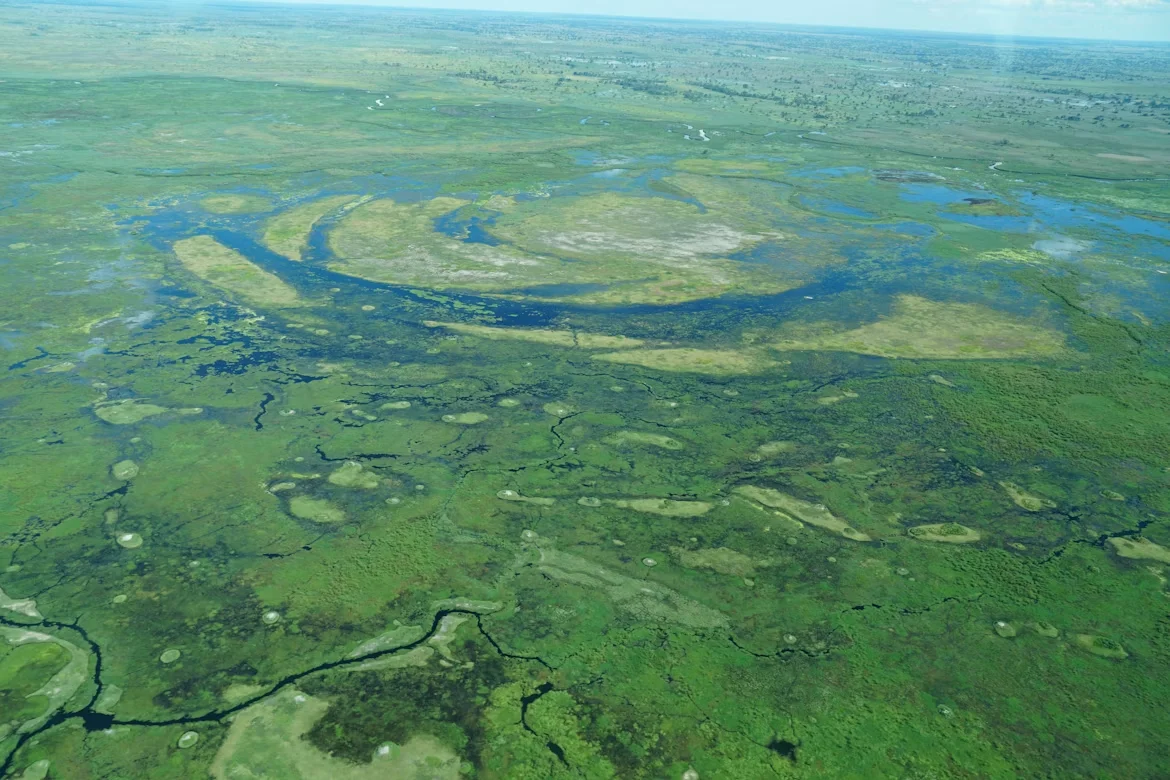
The light-aircraft transfer itself is a genuine highlight
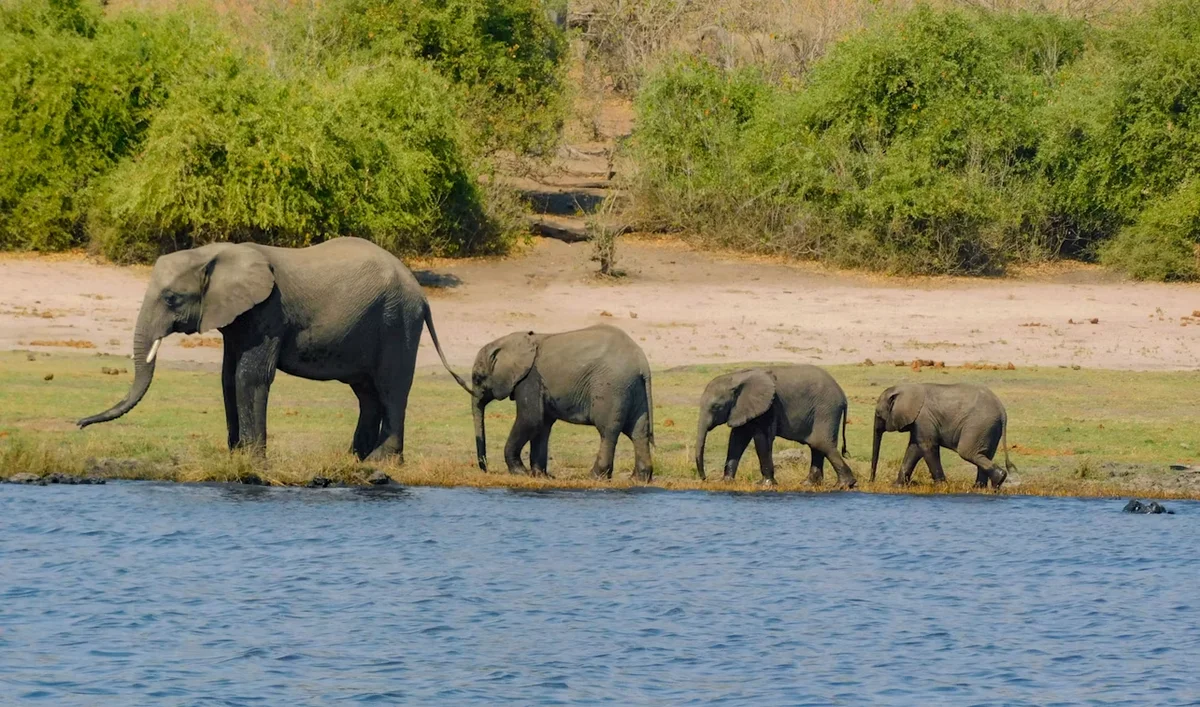
Massive herds coming to drink, especially late afternoon
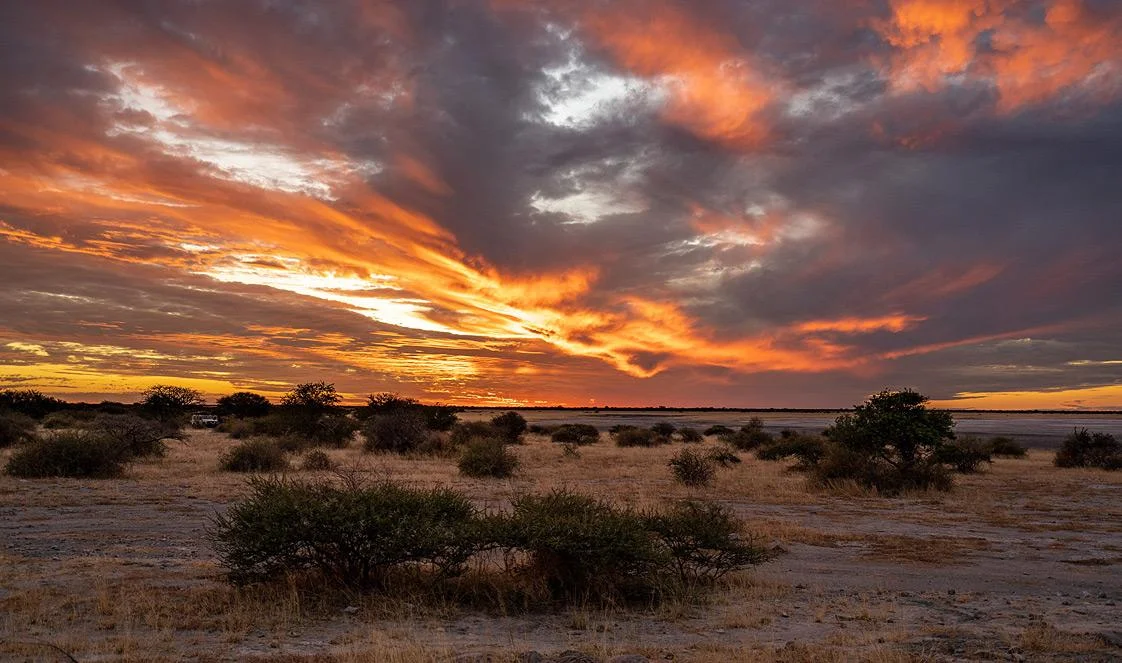
Endless flat horizon, genuinely dramatic skies
The Delta From the Air. The light-aircraft transfer itself, covered in Practical Information, genuinely doubles as one of the trip's best photo opportunities — the Delta's channels and islands are often more visually striking from above than from the ground.
Elephants at Chobe Riverfront. Massive herds coming to drink, especially in late afternoon, offer genuinely reliable wildlife photography given Chobe's exceptional elephant density covered in Attractions.
Makgadikgadi at Sunset. The pans' endless flat horizon creates genuinely dramatic, uninterrupted sky compositions that open landscape photography rarely offers elsewhere on a safari circuit.
Soft-sided bags only for light aircraft. This is a genuine, strict requirement, not a suggestion — bush plane cargo holds are shaped in a way that hard-sided luggage often physically doesn't fit, and checking this before departure avoids a real problem at the airstrip.
Neutral-colored safari wear. The same reasoning as elsewhere in East and Southern Africa applies — muted tones help avoid standing out against the landscape during game drives and walks.
Warm layers for cold mornings. Game drives typically start before sunrise, when temperatures can genuinely drop lower than visitors expect from an African safari, even in a hot climate overall.
Binoculars & insect repellent. Genuine wildlife viewing distances on open vehicles and walks make binoculars meaningfully change what you actually see, while the Delta's wetland environment means real, consistent insect presence worth preparing for.
A dry bag for mokoro trips. Moving through the Delta's channels by canoe means genuine exposure to water — a dry bag protects electronics and documents in a way a standard bag doesn't.
It's a deliberate national policy, limiting visitor numbers to protect the ecosystem and keep sightings uncrowded, rather than maximizing tourist volume.
6-8 days lets you combine the Delta with Chobe or the Kalahari without feeling rushed between camps.
Yes, consistently rated among Africa's most stable and safe countries. Wildlife safety briefings should always be taken seriously.
Neutral safari clothing, warm layers for cold mornings, and soft-sided luggage only, light aircraft transfers have strict weight and bag-shape limits.
Why is Botswana more expensive than other safari countries? This is genuinely a deliberate national policy, covered in Budget above — limiting visitor numbers to protect the ecosystem and keep sightings uncrowded, rather than maximizing tourist volume the way some neighboring countries do.
How many days do I actually need? The 6-8 day figure genuinely allows combining the Delta with Chobe or the Kalahari without feeling rushed between camps, given how much of each transition involves real flight time.
Is Botswana safe for travelers? Yes — consistently rated among Africa's most stable and safe countries, covered in Safety above. Wildlife safety briefings should always genuinely be taken seriously given the closer proximity to animals that walking safaris and open vehicles involve.
What should I pack? The reasoning behind each item — including why soft-sided luggage is a genuine requirement, not a suggestion — is covered in the Packing section above.
Get the complete Botswana guide as a beautifully designed, offline-ready PDF — every section organized for actual use in the field, plus a full packing checklist.
Turn your research into a trip designed around your actual dates, budget, and travel style — planned by a person, not a form.
EXPLORE GOATLAS CONSULTATIONSGenuinely recommended places to stay and eat, not filler — booked through our trusted travel partners.
Book hotels, flights, tours, airport transfers, travel insurance, and car rentals through GoAtlas's trusted global travel partners — all in one place.
Explore Trusted Travel PartnersA GoAtlas travel expert can build your full Botswana itinerary, and handle the camp bookings that fill up months ahead.