North Africa · Ancient Wonders
Egypt
30.0444° N, 31.2357° E
The last standing Wonder of the Ancient World, a Nile cruise past temples thousands of years old, and a Red Sea coast that rivals anywhere for diving.
The last standing Wonder of the Ancient World, a Nile cruise past temples thousands of years old, and a Red Sea coast that rivals anywhere for diving.
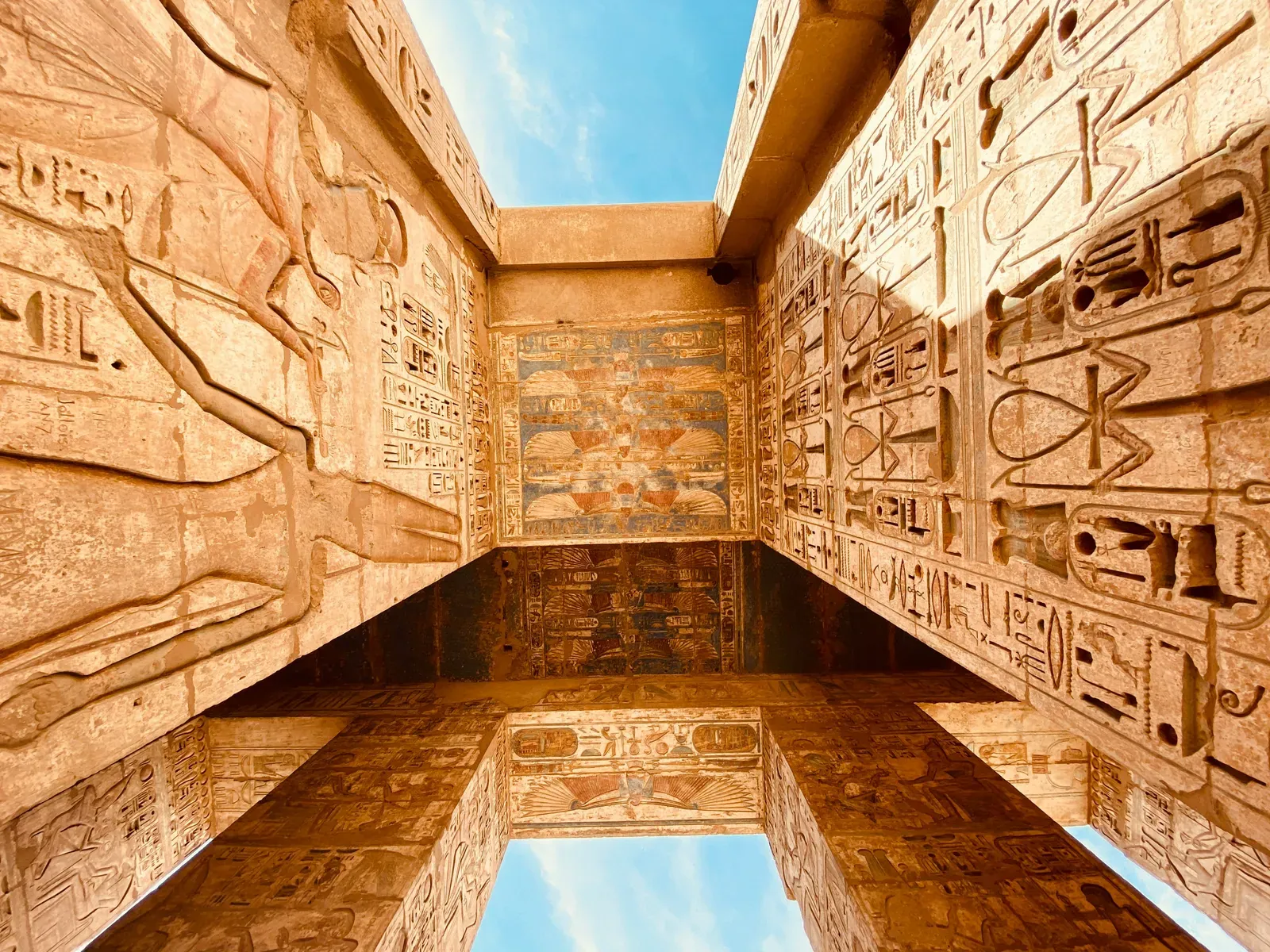
Egypt is the rare destination where the headline attraction genuinely lives up to a lifetime of expectation, the Pyramids of Giza are the only surviving member of the Seven Wonders of the Ancient World, and they still sit exactly where they were built over 4,500 years ago. Beyond Cairo, a Nile cruise between Luxor and Aswan strings together temple complexes that rival Giza for scale, and the Red Sea coast offers a completely different kind of trip entirely.
Modern Egyptian culture sits directly on top of one of history's longest continuous civilizations, spanning pharaonic, Greco-Roman, Coptic Christian, and Islamic periods, all still visible in the same cities. Cairo's Islamic quarter and the Coptic churches of Old Cairo are as much a part of the story as the pyramids themselves.
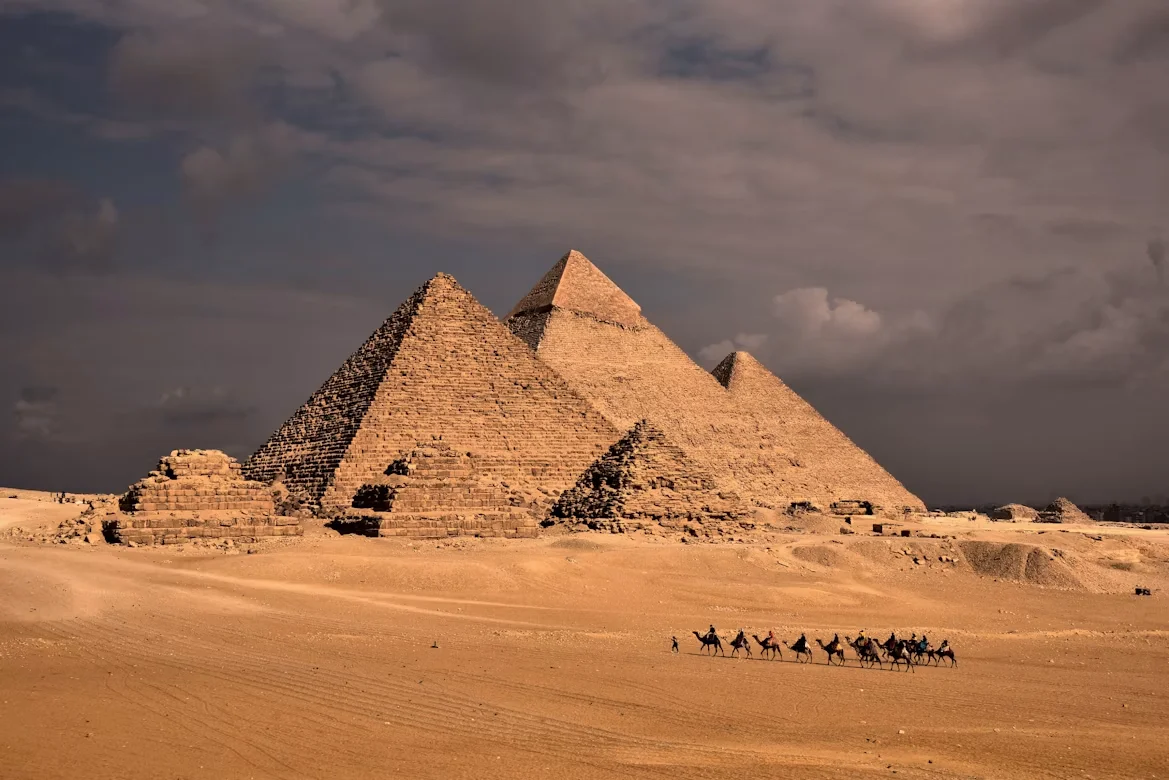
The Pyramids of Giza represent a genuinely staggering engineering achievement. The Great Pyramid alone used an estimated 2.3 million stone blocks, built with a level of precision — its base is nearly perfectly level and its sides align closely with true north — that continues to genuinely puzzle researchers about the exact construction methods used over 4,500 years ago.
Coptic Christianity is genuinely one of the oldest Christian traditions in the world. It was established in Egypt centuries before Islam arrived — Old Cairo's Coptic churches represent a real, continuous religious thread running alongside the country's pharaonic and Islamic history, not a minority footnote to the more famous ancient sites.
Modern Egypt sits directly atop layers of genuinely distinct civilizations. Pharaonic, Greco-Roman, Coptic Christian, and Islamic periods each left visible architecture still standing in the same cities today — this layering is part of what makes Cairo specifically feel less like a single historical site and more like several eras occupying the same physical space.
Egypt's desert heat is no joke outside the cooler months.
Comfortable sightseeing temperatures, especially in Upper Egypt and the desert sites.
The most pleasant weather also means the biggest crowds at major sites.
Genuinely extreme heat, especially away from the Red Sea's coastal breeze.
Oct-Apr, The Real Window. This genuinely comfortable stretch is when most sightseeing itineraries are built around, particularly in Upper Egypt (the south), where desert heat intensifies the further you travel from the Mediterranean coast's moderating influence.
Dec-Feb, Coolest, Busiest. The most pleasant temperatures genuinely coincide with the biggest crowds at major sites — a real trade-off worth weighing if avoiding lines at Giza or Luxor's temples matters as much as ideal weather.
Jun-Aug, Avoid If Possible. Heat during this window is genuinely extreme, especially away from the Red Sea coast, where sea breeze provides real, meaningful relief that inland desert sites simply don't have.
USD is widely accepted at hotels and for tour payments; carry small local notes for markets.
Most nationalities can apply online in advance or purchase on arrival at major airports.
Cairo to Luxor/Aswan is a short flight, or the classic multi-day cruise between them.
Local eSIMs are inexpensive and simple to activate on arrival.
A polite, firm "no thank you" is normal and expected, not rude.
The Valley of the Kings and Great Pyramid interiors often need separate, limited tickets.
Currency & Money. USD is genuinely widely accepted at hotels and for tour payments, though local Egyptian pounds remain the practical choice for markets and smaller vendors, where change is more easily made in local currency.
Visa. The e-visa or visa-on-arrival system is genuinely straightforward for most nationalities, available both online in advance and directly at major airports on arrival.
Getting Around. The choice between a domestic flight and the classic multi-day Nile cruise between Cairo, Luxor, and Aswan is a genuine trade-off, not a formality — a flight saves real time, while the cruise turns transit itself into part of the actual experience, stopping at temple sites along the river.
Site Entry. The limited, separate tickets required for some tomb interiors — including the Valley of the Kings — exist for a genuine conservation reason, not artificial scarcity: visitor breath and humidity measurably damage ancient interior paintings over time, and ticket limits are a real, active preservation measure.
Local Customs. Persistent vendors at major sites are genuinely common, and a polite, firm decline is the normal, expected response most experienced visitors settle into — not rudeness, simply the accepted social pattern here.
The tourist circuit, Cairo's major sites, Nile cruises, and Red Sea resorts, is well-established and heavily used by both police and tourism authorities. Standard city-travel awareness applies, particularly around crowded markets.
Egypt genuinely maintains a dedicated Tourist Police force. This is a real, distinct institution separate from general police, specifically tasked with supporting visitors at major sites — this level of dedicated tourism infrastructure reflects how central tourism is to the country's economy and safety planning.
The established tourist circuit — Cairo's major sites, Nile cruises, Red Sea resorts — is genuinely well-used and monitored. Standard city-travel awareness, particularly in crowded markets, covers the realistic risk here.
Egypt is genuinely affordable outside of Nile cruises and Red Sea resort stays.
| Item | Budget | Mid-range | Luxury |
|---|---|---|---|
| Hotel (per night) | $20 - $45 | $70 - $150 | $220 - $600+ |
| Nile cruise (per night) | $60 - $100 | $120 - $250 | $300 - $700+ |
| Site entry fees | $10 - $30/day | $10 - $30/day | $10 - $30/day |
| Meals | $5 - $10/day | Often included | Included, à la carte |
Why Nile cruises are priced as a multi-night package, not a nightly rate. The cost genuinely bundles accommodation, full-board dining, and guided tours at each temple stop along the route — closer to an all-inclusive tour than standard hotel pricing, which is why comparing it directly to a hotel night can be misleading.
Red Sea resort stays sit in a genuinely different pricing category from Nile Valley sightseeing days, largely because reef-access resorts bundle real diving and snorkeling infrastructure into the room cost — worth budgeting as its own distinct leg of a trip rather than averaging it into a single daily figure.
The last surviving Wonder of the Ancient World
A guide genuinely adds context here — the plateau's history spans far more than what's visible at a glance.
Explore Experiences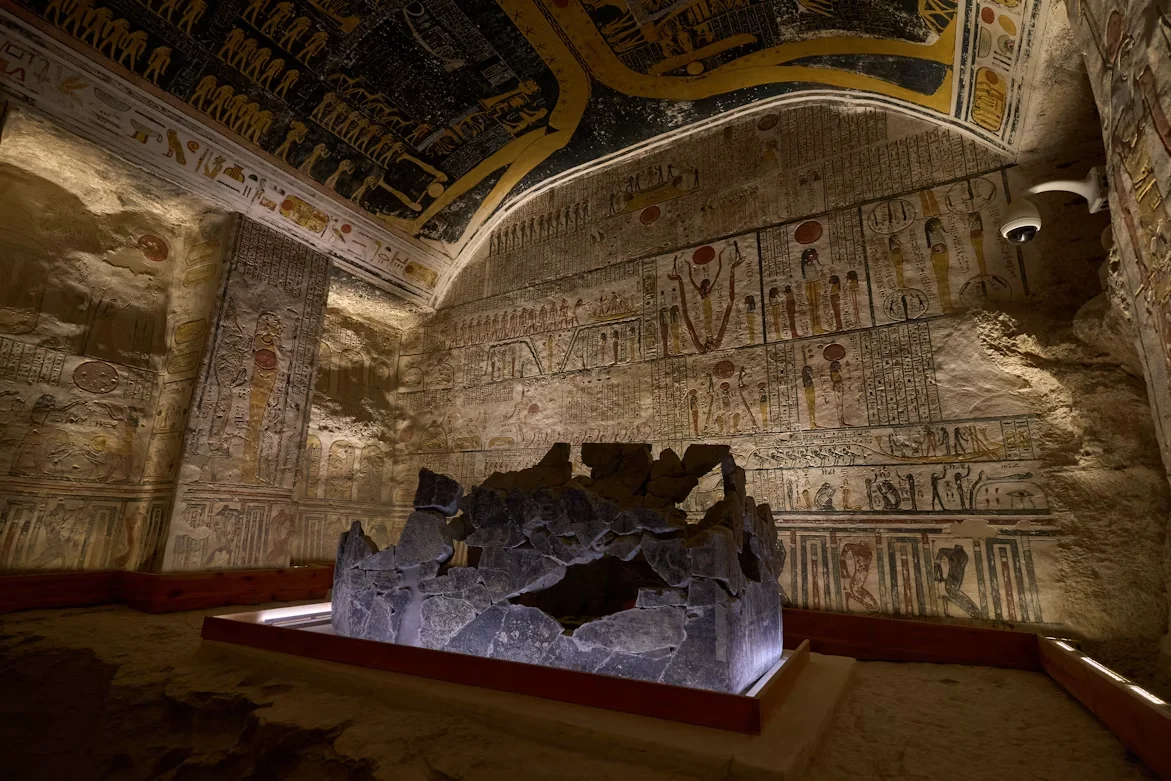
Where pharaohs, including Tutankhamun, were buried
Entry tickets cover a limited number of tombs, so a guide helps you choose which ones are worth your ticket.
Explore Experiences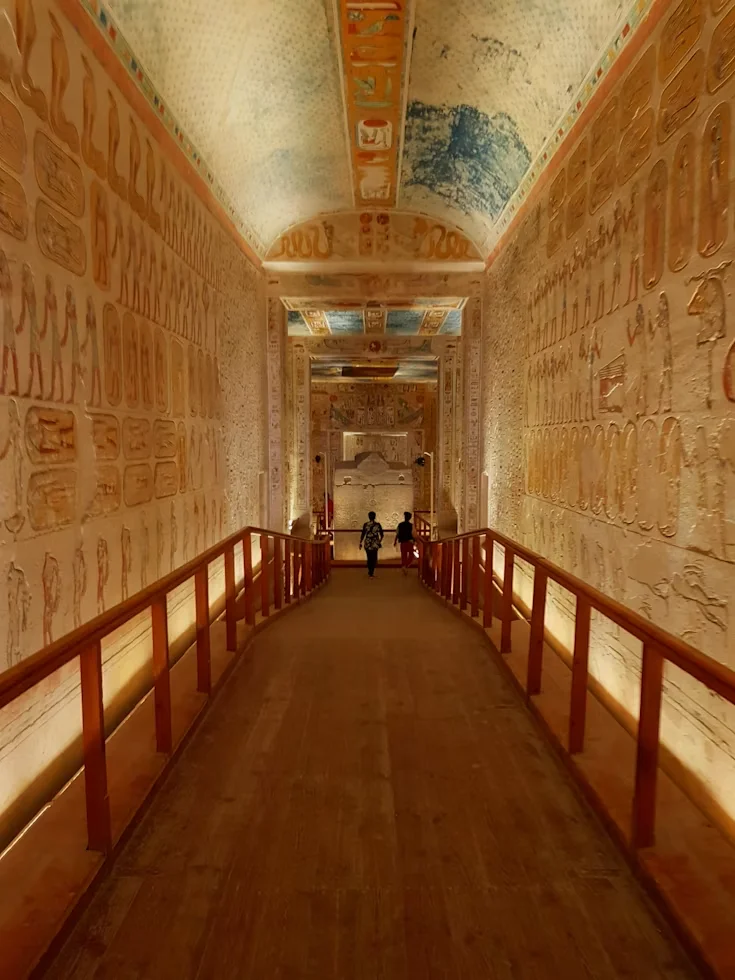
The full Tutankhamun collection, newly reopened near Giza
The newly reopened museum is vast — a guided visit helps you actually find the highlights, not just wander.
Explore ExperiencesPyramids of Giza & the Sphinx. A guide genuinely adds real context here beyond what's visible at a glance — the plateau's full history, including lesser-visited smaller pyramids and tombs surrounding the main structures, is easy to miss without someone pointing it out.
Valley of the Kings, Luxor. This is genuinely where Howard Carter discovered Tutankhamun's largely intact tomb in 1922, one of archaeology's most famous finds — entry tickets cover a limited number of tombs on any given visit, making a guide's knowledge of which ones are currently open and worth prioritizing genuinely valuable.
Grand Egyptian Museum. The newly reopened museum near Giza displays the complete Tutankhamun collection together for the first time in one place — a genuinely significant, recent development in how Egypt's ancient artifacts are presented, and the museum's real scale means a guided visit helps actually find the highlights rather than wandering.
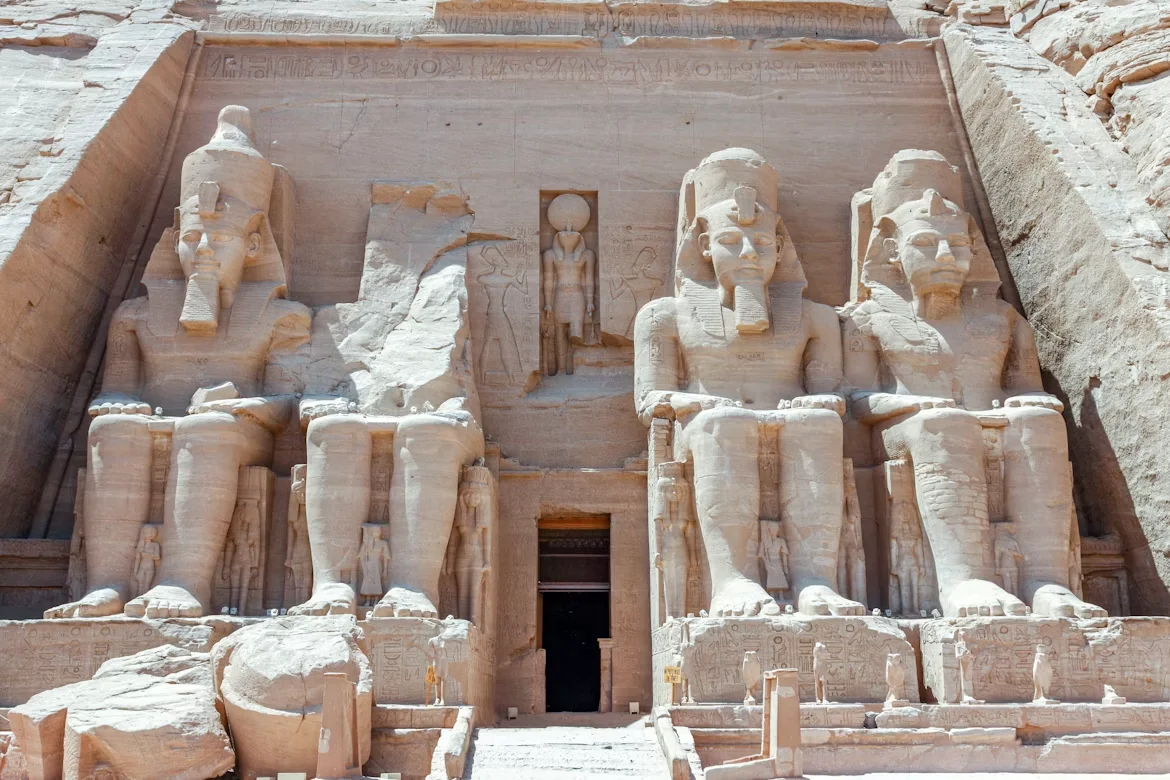
Ramses II's colossal temples, genuinely worth the extra journey
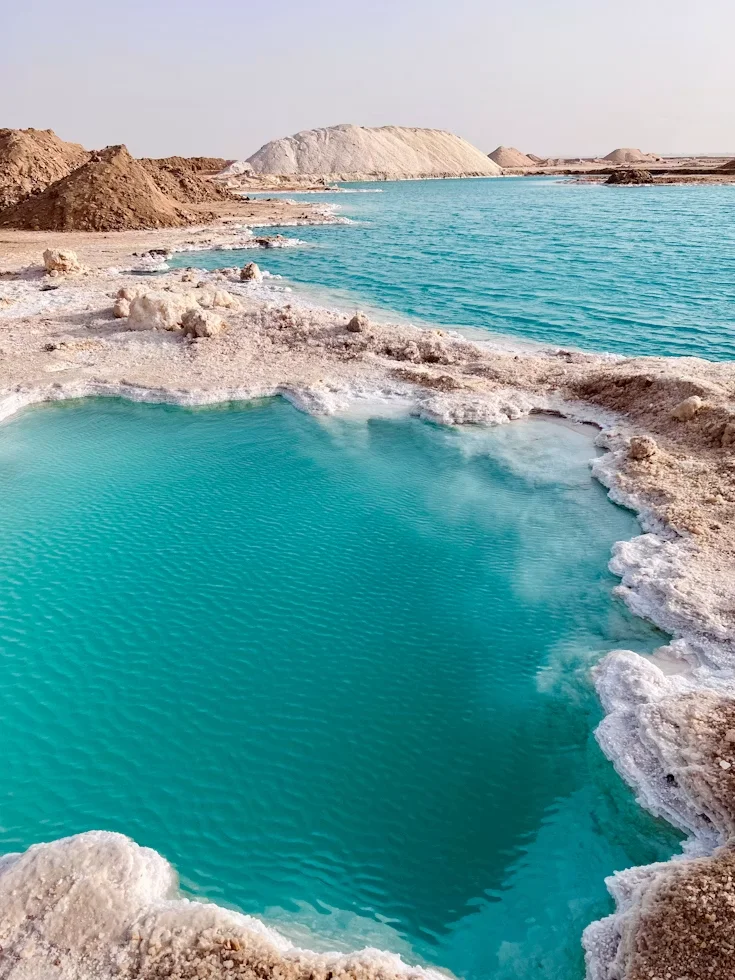
An isolated desert oasis with its own distinct Berber culture
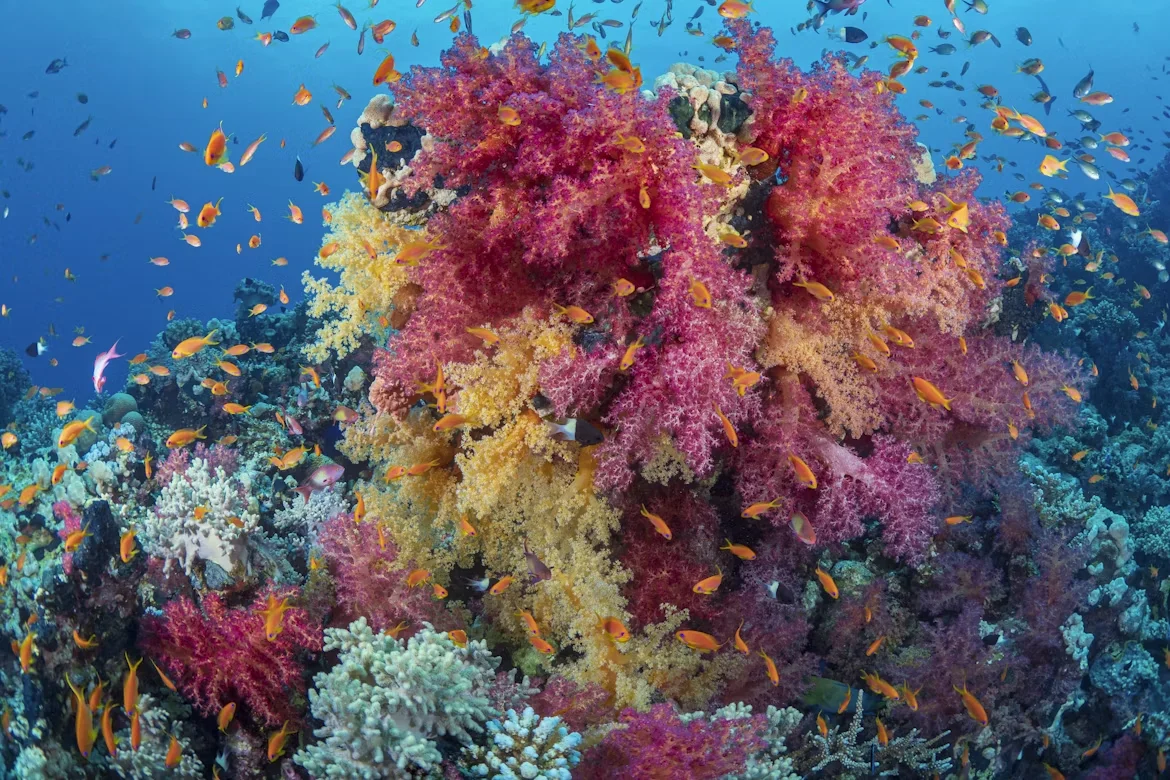
World-class diving off Sharm El Sheikh and Hurghada
Abu Simbel. Ramses II's colossal temples were genuinely relocated in the 1960s, block by block, to save them from flooding when the Aswan Dam was built — a remarkable UNESCO-led engineering effort that moved the entire site to higher ground, making the temples themselves as much a story of modern preservation as ancient construction.
Siwa Oasis. This genuinely isolated desert oasis maintains its own distinct Berber culture and language, separate from mainland Egyptian Arabic culture — reaching it requires real commitment given the distance, which is exactly why it remains so much quieter than the main tourist circuit.
Red Sea Reefs. Diving off Sharm El Sheikh and Hurghada is genuinely considered world-class by international diving standards, with reef systems and visibility that draw dedicated diving travelers specifically, separate from the ancient history circuit entirely.

Rooms facing the Giza plateau directly
Waking up to a direct pyramid view is worth prioritizing on a first trip to Cairo.
Check Availability
The classic multi-day route between temple complexes
A multi-day cruise between temple complexes is genuinely the classic way to see ancient Egypt's core sites.
Check Availability
Reef access steps from your room in Sharm or Hurghada
Reef access steps from your room means more time underwater and less time in transit.
Check AvailabilityCairo Pyramids View Hotel. A direct Giza plateau view is genuinely worth prioritizing on a first Cairo visit — waking up to the pyramids from your room is a real, singular experience that a city-center hotel simply can't replicate, regardless of comparable comfort level.
Luxor-Aswan Nile Cruise. As covered in Practical Information, this multi-day route genuinely is the classic way to see ancient Egypt's core temple sites — the cruise itself becomes part of the sightseeing, not just transport between it.
Red Sea Dive Resort. Reef access directly from your room genuinely means more real time underwater and less time in transit between dive sites — a meaningful practical difference for anyone prioritizing diving over general resort amenities.
Egyptian food is hearty, affordable, and genuinely distinct from other Middle Eastern cuisines.
Egypt's unofficial national dish, rice, lentils, pasta, and crispy onions.
A slow-cooked fava bean breakfast staple, found everywhere.
Nile cruises typically include full-board dining as part of the package.
Koshari. Egypt's genuinely unofficial national dish — rice, lentils, pasta, and crispy fried onions, topped with a tomato-vinegar sauce — reflects the country's real historical trade connections, with food historians tracing possible Indian and Italian influences in its components, layered into something now considered purely, distinctly Egyptian comfort food.
Ful Medames. This slow-cooked fava bean dish is genuinely one of Egypt's oldest continuously eaten foods, with roots tracing back to ancient Egyptian cuisine — still a real, everyday breakfast staple today, not a historical curiosity.
Set Onboard Menus. Nile cruises typically bundle full-board dining directly into the package, covered in Budget above — a genuine practical convenience given how much of each day is spent at temple stops rather than in port cities with independent restaurant options.
Save going-out plans for Cairo or the Red Sea resorts, cruise evenings are quieter.
The scale of the pyramids and tomb complexes tends to land well with school-age children.
Cairo has real nightlife, cruises don't. This is a genuine, practical contrast worth planning around — Nile cruise evenings are quiet by design, built around early mornings at temple sites, while Cairo and the Red Sea resorts are where an actual evening-out itinerary belongs.
Genuinely engaging for older kids. The sheer physical scale of the pyramids and tomb complexes tends to land well with school-age children in a way that's harder to convey through books or documentaries alone — a real, direct advantage of seeing ancient Egypt in person.
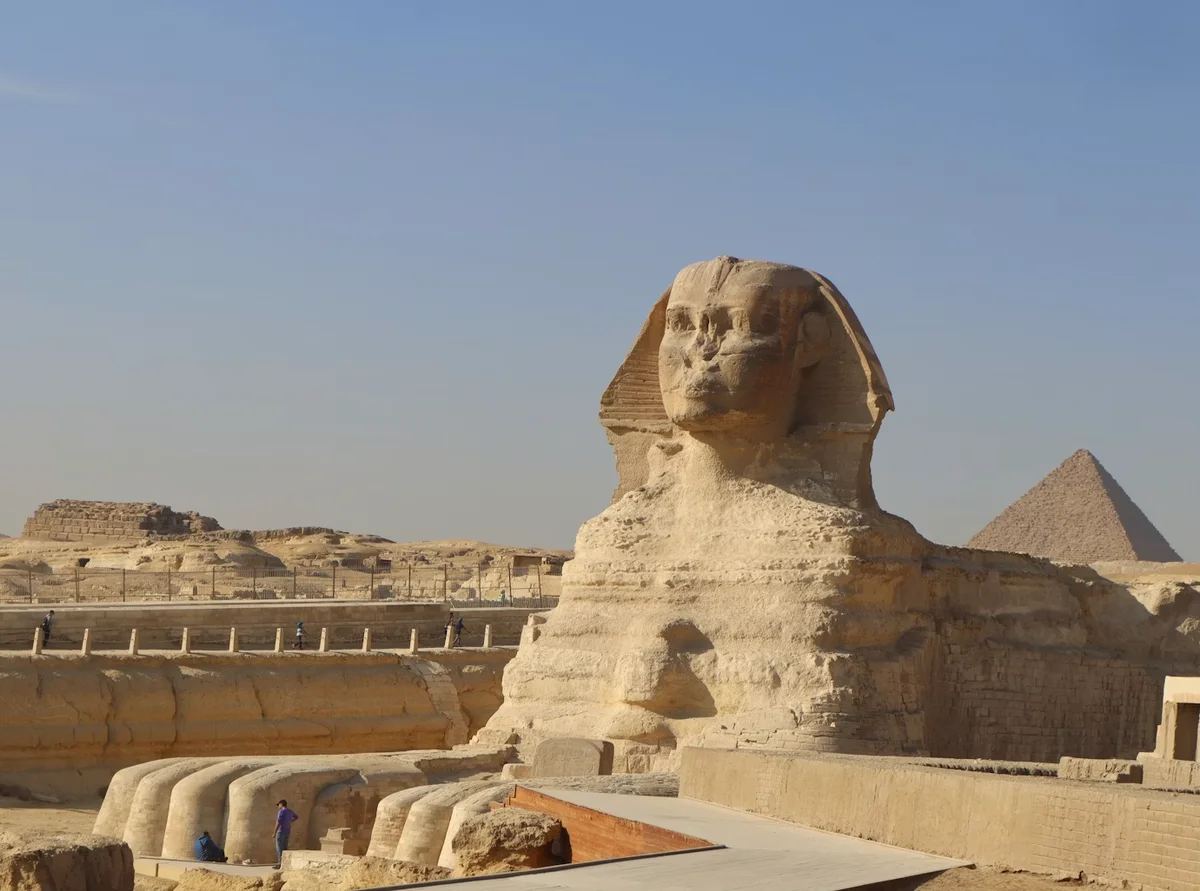
Fewer crowds, softer light on the pyramids
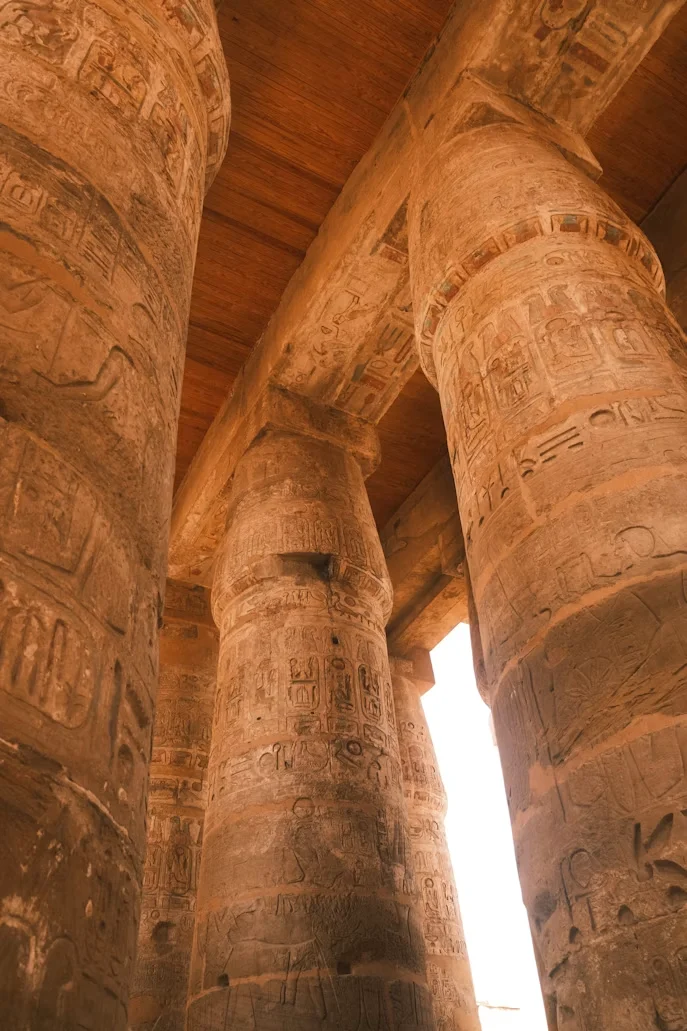
Karnak's colonnades catch late light beautifully
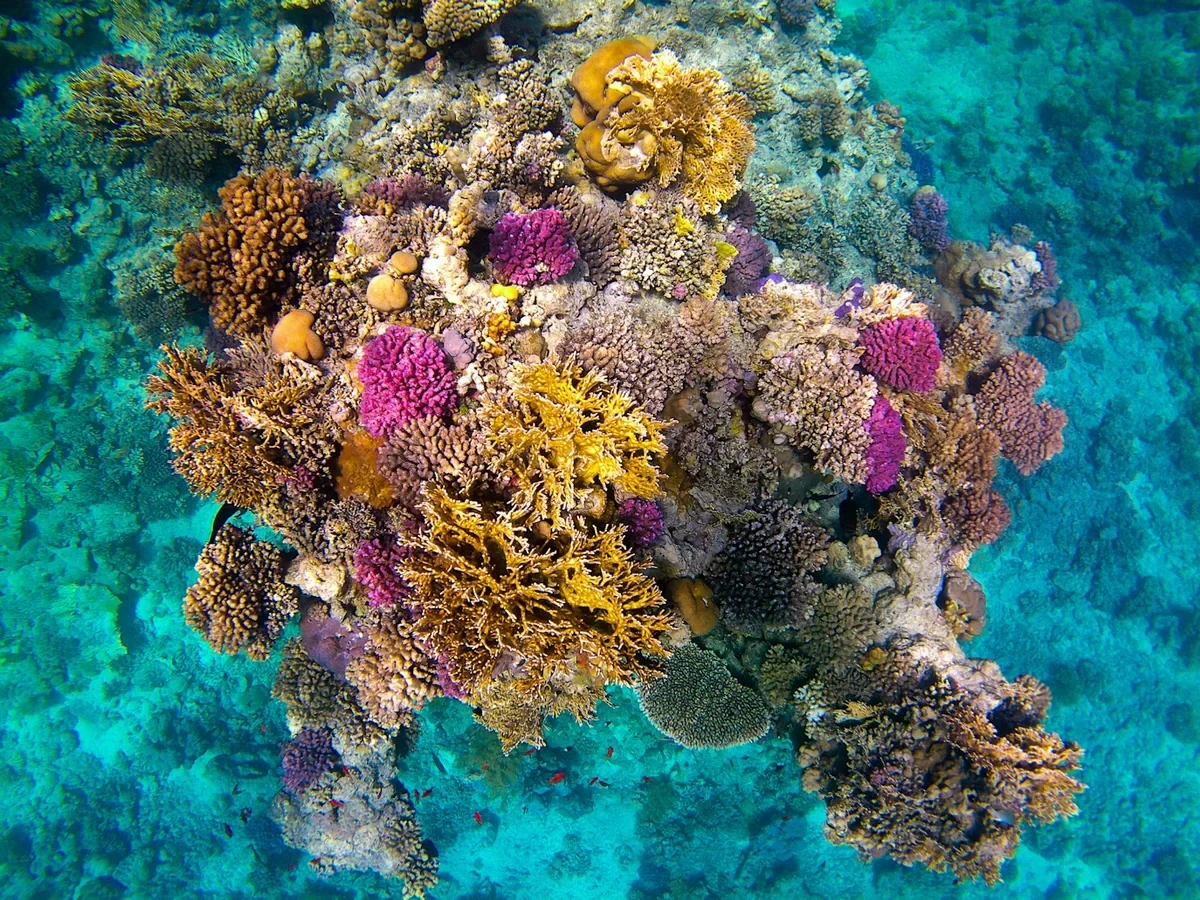
Some of the most photographed reefs in the world
The Giza Plateau at Sunrise. Arriving early genuinely means both fewer crowds and softer, more flattering light on the pyramids' limestone surfaces than the harsh midday sun most tourist-hour visitors experience.
Temple Columns, Luxor. Karnak's massive colonnades genuinely catch late-day light in a way that reveals texture and depth in the carved stone that flat midday light doesn't — golden hour specifically transforms these columns from simply large to genuinely dramatic.
Red Sea Reef Life. The region's reefs are considered among the most photographed underwater environments in the world, a real reputation built on genuine visibility and biodiversity, not just marketing.
Sun protection, hat and high-SPF sunscreen. Egypt's desert sun is genuinely intense year-round, not just in summer — this is a real, non-negotiable packing priority for anyone spending full days at outdoor sites like Giza or Luxor's temple complexes.
Comfortable closed shoes. Ancient stone surfaces at most sites are genuinely uneven, making real closed-toe walking shoes matter more than they might seem from photos of flat temple courtyards.
Shoulders and knees covered. Religious sites — mosques and some churches — genuinely expect this, and having a light scarf on hand avoids scrambling to cover up on the spot.
Reef-safe sunscreen. As with other Red Sea and coral destinations, standard sunscreen chemicals measurably harm reef systems — genuinely worth the swap if diving or snorkeling is part of the trip.
Small bills for tipping. Baksheesh — small, expected tips for a wide range of everyday services — is a genuine, deeply embedded part of Egyptian tourism culture, not an optional extra; having small local bills on hand throughout each day is a real practical necessity.
7-10 days lets you genuinely combine Cairo/Giza with a Nile cruise, without feeling rushed. Add 3-4 more if you want real Red Sea time too.
Yes, it's genuinely the best way to see Luxor and Aswan's temple complexes without repeated long drives, and most cruises include guided tours at each stop.
Yes, the tourist circuit is well-established and heavily supported by tourist police. Normal city-travel precautions apply, particularly around crowded markets.
Sun protection is essential year-round, along with modest clothing for religious sites and comfortable shoes for uneven ancient stone.
How many days do I actually need? The 7-10 day figure genuinely allows combining Cairo and Giza with a real Nile cruise without feeling rushed — adding 3-4 more days is worth it specifically if genuine Red Sea time matters to your trip, since it's a real third leg, not an afterthought.
Is a Nile cruise worth it? Yes, genuinely — it's the practical, efficient way to see Luxor and Aswan's temple complexes without repeated long drives between sites, and most cruises include guided tours at each stop as part of the package.
Is Egypt safe for travelers? Yes — the tourist circuit is genuinely well-established and actively supported by a dedicated Tourist Police force, covered in Safety above. Normal city-travel precautions, particularly around crowded markets, cover the realistic risk.
What should I pack? The reasoning behind each item — including why baksheesh tipping culture is genuinely non-optional here — is covered in the Packing section above.
Get the complete Egypt guide as a beautifully designed, offline-ready PDF — every section organized for actual use in the field, plus a full packing checklist.
Turn your research into a trip designed around your actual dates, budget, and travel style — planned by a person, not a form.
EXPLORE GOATLAS CONSULTATIONSGenuinely recommended places to stay and eat, not filler — booked through our trusted travel partners.
Book hotels, flights, tours, airport transfers, travel insurance, and car rentals through GoAtlas's trusted global travel partners — all in one place.
Explore Trusted Travel PartnersA GoAtlas travel expert can build your full Egypt itinerary, pyramids, Nile cruise, Red Sea, or all three, around your dates and budget.