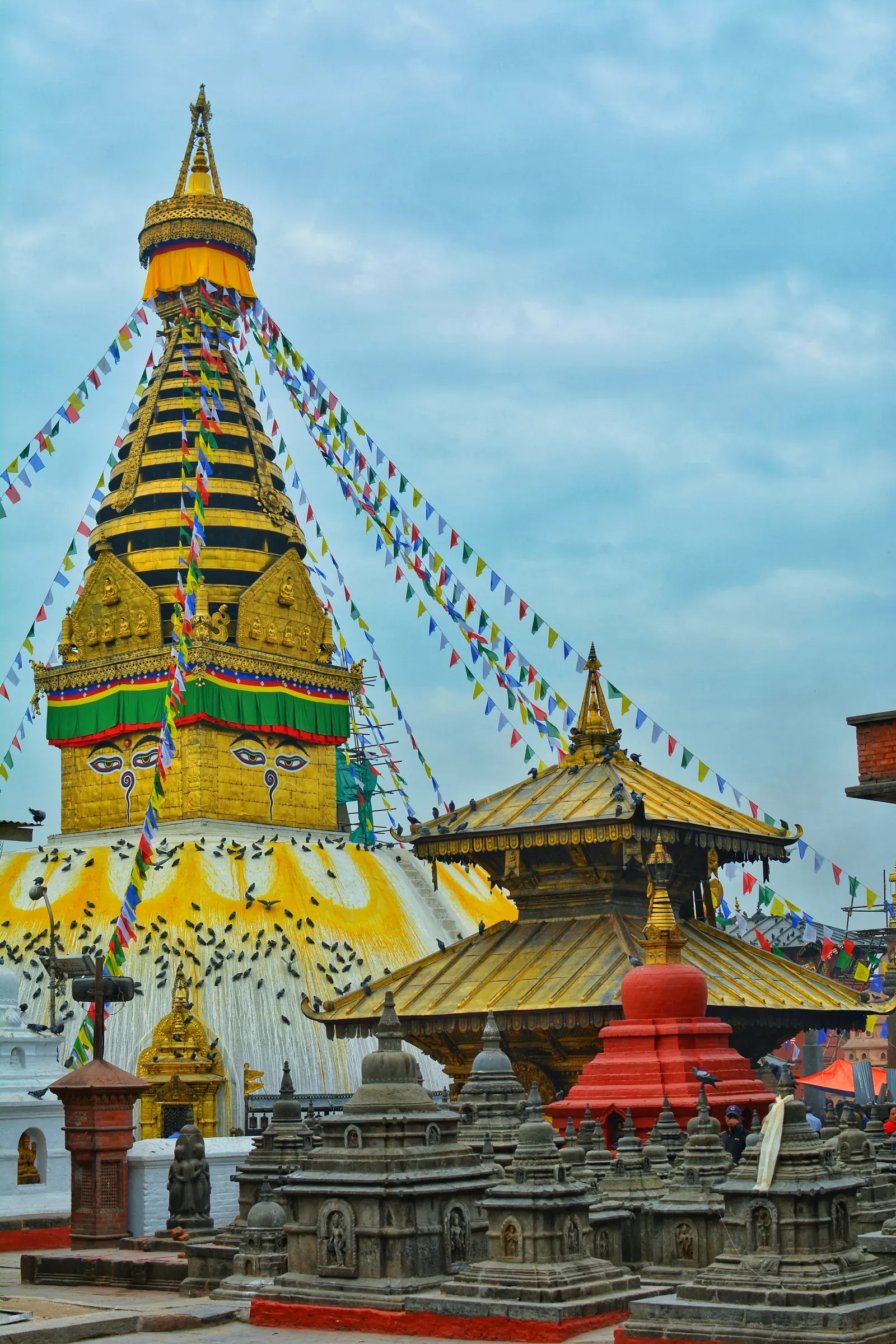
Seven UNESCO World Heritage sites packed into one valley, ancient stupas watched over by resident monkeys, and the genuine starting point for treks into the world's highest mountains.
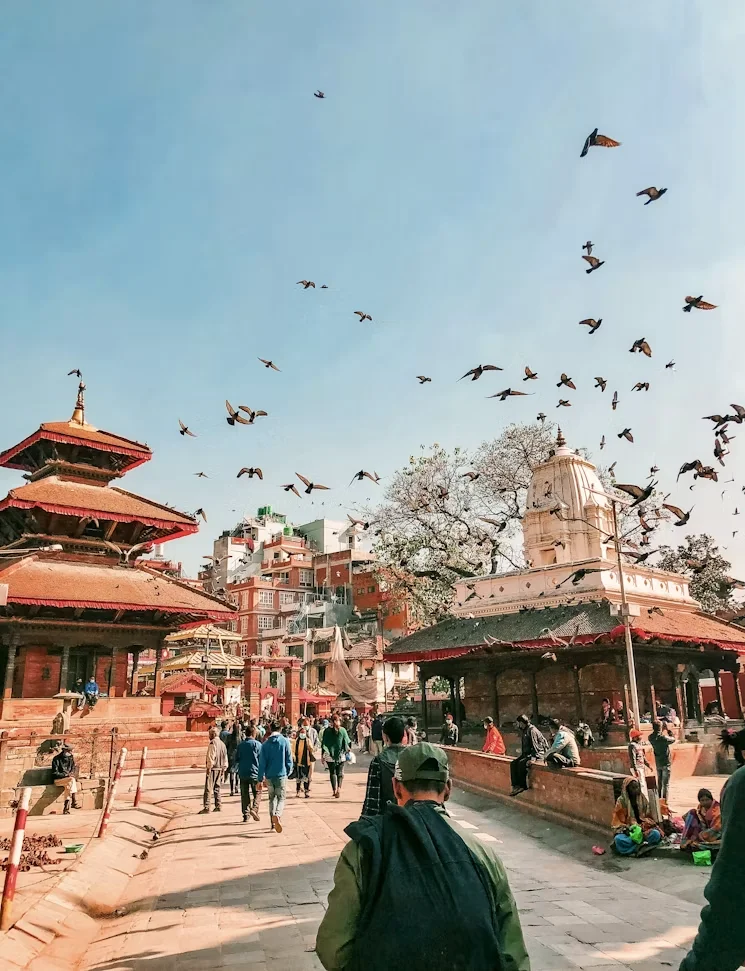
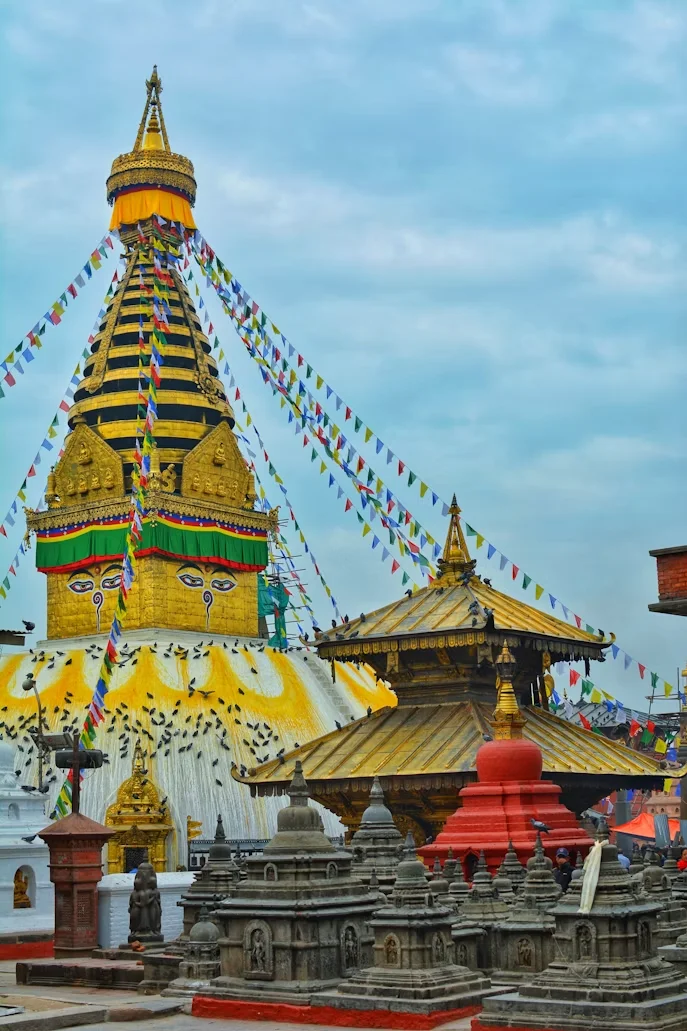
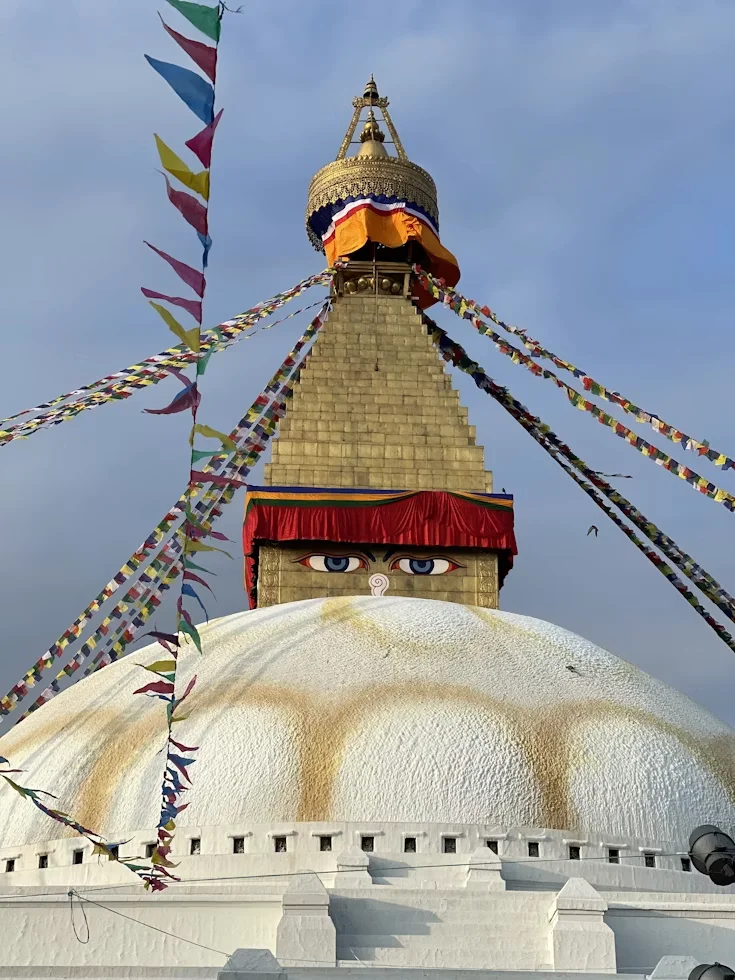
The Kathmandu Valley is genuinely home to seven UNESCO World Heritage sites within a remarkably small area, ancient palace squares, stupas, and temples that span Hindu and Buddhist traditions living side by side. Swayambhunath, genuinely nicknamed the "Monkey Temple" for its resident monkeys, offers sweeping views over the valley, while Boudhanath is one of the largest stupas in the world and a genuine center of Tibetan Buddhism.
Kathmandu is genuinely the starting point for most Everest Base Camp and Annapurna treks, most trekkers spend a day or two here before and after. A 2015 earthquake caused significant damage to several historic sites; many have genuinely been restored since, though some restoration work is still visible.
Seven UNESCO World Heritage sites genuinely sit within the Kathmandu Valley, a remarkably small area. A real, unusual concentration of ancient palace squares, stupas, and temples spans Hindu and Buddhist traditions living genuinely side by side, not separated into distinct districts.
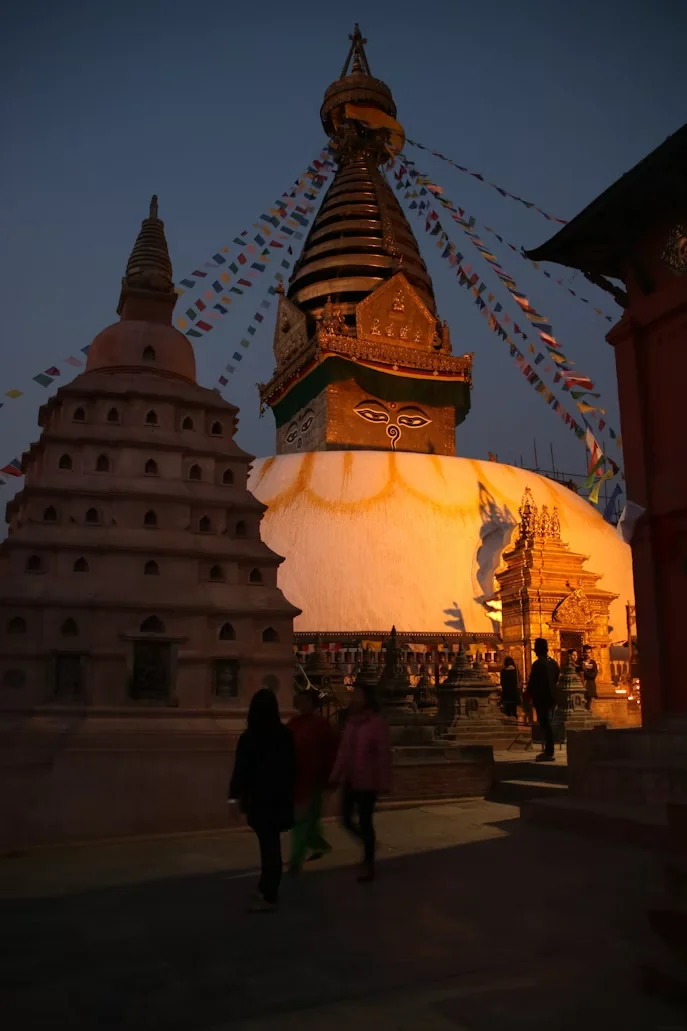
Swayambhunath is genuinely estimated to be over 2,000 years old, among the oldest religious sites in Nepal. Its resident monkeys earned the real nickname "Monkey Temple," though the site's actual significance runs far deeper than the name suggests.
The 2015 Gorkha earthquake genuinely caused significant, real damage to several historic sites across the valley — many have been carefully restored since, though some visible restoration work remains a real, honest part of the sites' current appearance, not something hidden from visitors.
Kathmandu's climate brings real seasonal variety, and clarity for mountain views matters too.
Clear skies and comfortable temperatures, genuinely the most popular trekking season.
Similarly pleasant, with genuine rhododendron blooms in the surrounding hills.
Heavy rain and reduced mountain visibility, generally worth avoiding for trekking.
Oct-Nov, Autumn. Clear skies and comfortable temperatures make this genuinely the most popular trekking season — real, reliable mountain visibility matters here in a way it doesn't in most cities, given how many visitors combine Kathmandu with trekking.
Mar-Apr, Spring. Similarly pleasant, with genuine rhododendron blooms across the surrounding hills — Nepal's national flower, a real seasonal highlight for hikers.
Jun-Sep, Monsoon. Heavy rain genuinely reduces mountain visibility significantly — worth avoiding specifically if trekking or mountain views are a priority for your trip.
Cash is genuinely useful; cards are accepted at larger hotels and shops in Thamel.
A genuinely straightforward process at the airport, bring passport photos and payment.
Traffic can be genuinely heavy; agree on fares upfront if not using a metered app.
Local SIM cards are affordable and simple to set up on arrival.
Most trekking agencies, gear shops, and permit offices cluster in this neighborhood.
Observe respectfully from designated areas; photographing cremation ceremonies is not appropriate.
Currency & Money. Cash is genuinely useful throughout the city, though cards are accepted at larger hotels and shops in Thamel.
Visa. Visa on arrival is genuinely straightforward for most nationalities — bringing passport photos and payment ready speeds up a real, otherwise simple airport process.
Transportation. Traffic here is genuinely heavy — agreeing on taxi fares upfront, or using a metered ride-hailing app, avoids the real most common friction point for visitors getting around.
Thamel. This neighborhood genuinely is the real hub for trekking gear, permits, and agencies — most trekkers' entire pre-trip logistics happen within this compact area.
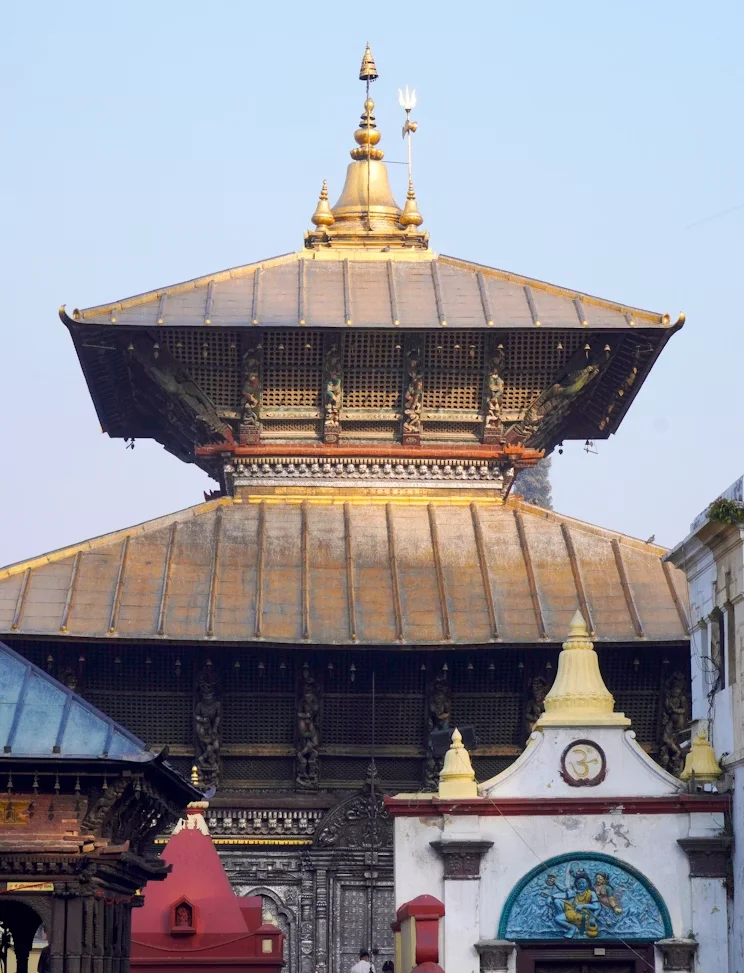
Pashupatinath Etiquette. This genuinely is an active Hindu cremation site, not a historical monument — observing respectfully from designated areas matters, and photographing cremation ceremonies is genuinely not appropriate, a real cultural boundary worth taking seriously.
Kathmandu is genuinely safe for tourists with normal city precautions. Air quality can be poor at times, and traffic requires real caution when crossing streets.
Kathmandu is genuinely safe for tourists with normal city precautions. Air quality can genuinely be poor at times, particularly in dry season, and real caution crossing streets matters given the traffic patterns covered in Practical Information — these are the realistic, practical concerns here, not personal safety in the traditional sense.
Kathmandu is genuinely one of the most affordable major destinations covered here.
| Item | Budget | Mid-range | Luxury |
|---|---|---|---|
| Hotel (per night) | $15 - $35 | $50 - $110 | $150 - $450+ |
| Durbar Square ticket | $10 - $15 | $10 - $15 | Guided tour |
| Swayambhunath/Boudhanath entry | $2 - $5 each | $2 - $5 each | Guided tour |
| Meals | $5 - $12/day | $15 - $30/day | $60+/day |
Why Kathmandu is genuinely one of the most affordable major destinations covered here. Real, broader cost-of-living differences across Nepal mean hotels, food, and major sightseeing all cost meaningfully less than comparable experiences across most of Asia.

A genuine former royal palace complex, dense with historic architecture
A guide genuinely helps make sense of the dense historic architecture packed into the square.
Explore Experiences
Genuinely sweeping valley views, and real resident monkeys
Best visited in the morning, when the light and the resident monkeys are both genuinely at their best.
Explore Experiences
One of the largest stupas in the world, a genuine Tibetan Buddhist center
Joining the pilgrims' clockwise walk around the stupa is a genuinely simple, meaningful way to experience it.
Explore ExperiencesKathmandu Durbar Square. This genuine former royal palace complex reflects real Malla dynasty history — a guide genuinely helps make sense of the dense architecture, including which structures show the real, honest restoration work covered in Overview.
Swayambhunath (Monkey Temple). The eyes genuinely painted on the stupa carry real symbolic meaning, representing Buddha's all-seeing wisdom — a detail worth knowing beyond just the sweeping valley views.
Boudhanath Stupa. This genuinely became a real center of Tibetan Buddhism in exile after many Tibetan refugees settled in the surrounding area following 1959 — joining the pilgrims' clockwise walk connects directly to that real, living community.

A genuinely significant, active Hindu site on the Bagmati River

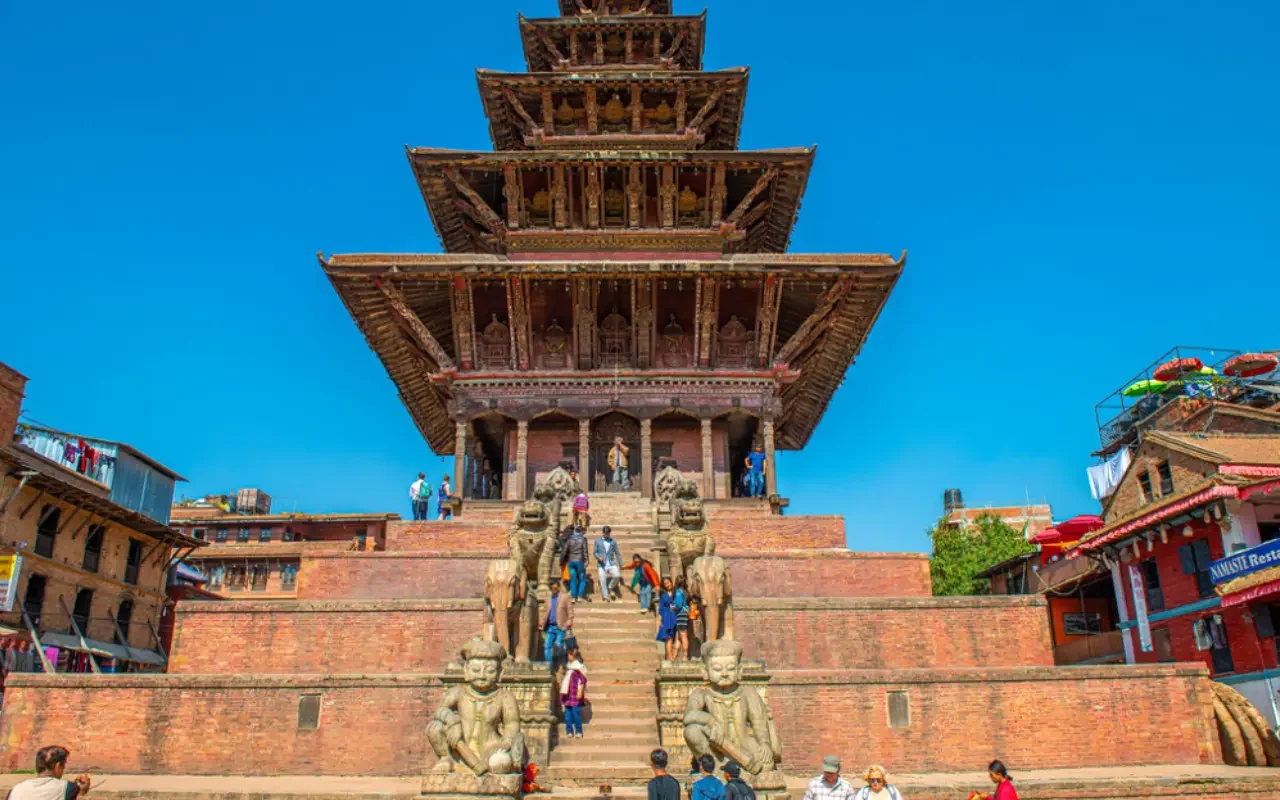
A genuinely well-preserved ancient city, a short trip from Kathmandu

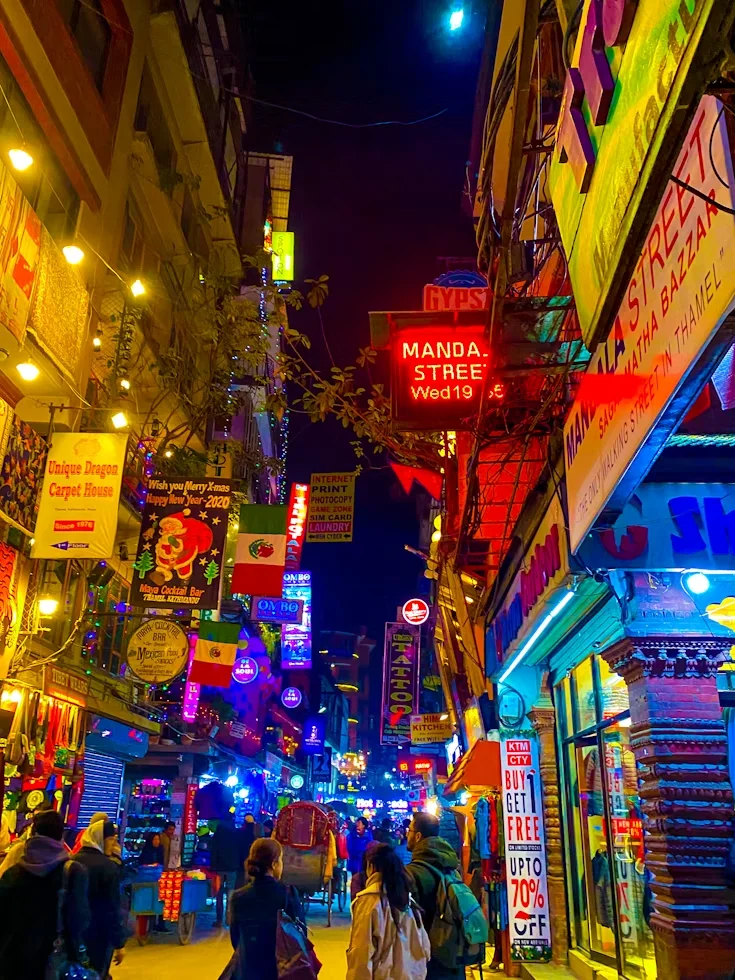
A genuinely lively backpacker hub for gear, food, and trip planning
Pashupatinath Temple. Given its genuine status as an active Hindu cremation site covered in Practical Information, this is a real, significant place of ongoing religious practice, not simply a historical attraction.
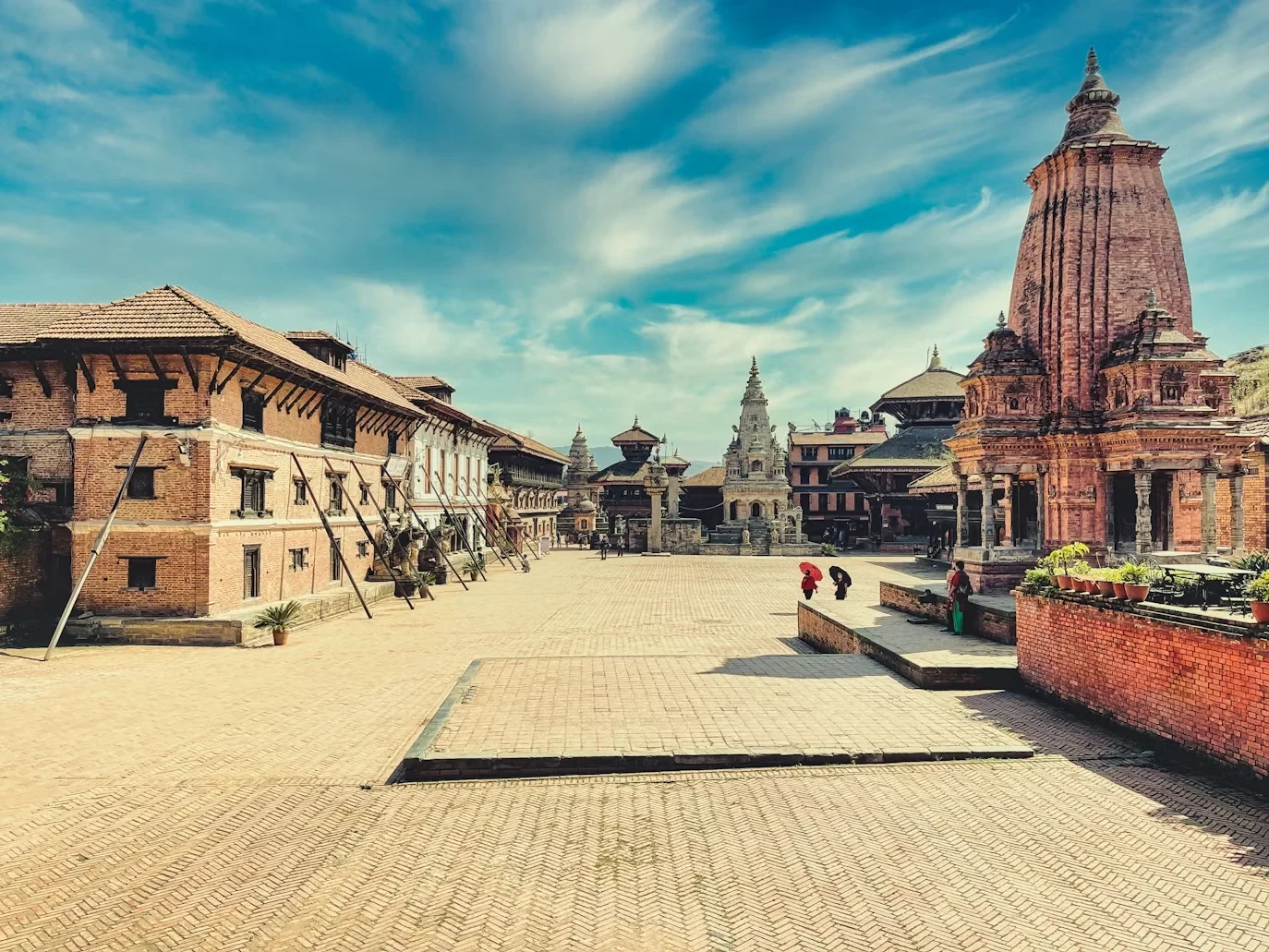
Bhaktapur. This genuinely well-preserved ancient city suffered relatively less damage in the 2015 earthquake covered in Overview — real, intact Malla-era architecture on a scale increasingly rare in central Kathmandu.
Thamel. Beyond its genuine modern role as a trekking hub, this neighborhood carries real counterculture travel history, having been a stop on the overland "hippie trail" through Asia in the 1960s and 70s.

Genuinely central for gear shops and trip planning
Genuinely central for gear shops and trip planning before heading into the mountains.
Check Availability
Walking distance to the historic palace complex
Walking distance to the historic palace complex, a genuinely central base for exploring.
Check Availability
A genuinely quieter, more traditional base outside central Kathmandu
A genuinely more traditional, slower-paced alternative outside central Kathmandu.
Check AvailabilityThamel Trekker's Guesthouse. Given the genuine gear and permit hub covered in Practical Information, this is a real, practical base for anyone planning to trek.
Durbar Square Area Hotel. Genuinely walking distance to the historic palace complex, covered in Attractions, this is a real central base for exploring.
Bhaktapur Heritage Guesthouse. Given the genuine well-preserved character covered in Hidden Gems, this offers a real, more traditional, slower-paced alternative outside central Kathmandu.
Nepali cuisine genuinely blends South Asian and Tibetan influences.
Nepal's genuine staple meal, lentils, rice, and vegetables, often refillable.
Genuinely popular Tibetan-style dumplings, found on nearly every menu.
A genuinely wide range, from local Nepali food to trekker-friendly Western options.
Dal Bhat. This genuine staple meal — lentils, rice, and vegetables, often refillable — is real trekking fuel across Nepal, well-known enough among hikers to have earned its own real, half-joking mountain saying: "dal bhat power, 24 hour."
Momos. These genuinely popular Tibetan-style dumplings reflect real culinary influence from the Tibetan refugee community, covered in Attractions, now found on nearly every Kathmandu menu.
Thamel's Cafes. A genuinely wide range here, from real local Nepali food to trekker-friendly Western options, reflects the neighborhood's real international traveler history.
Bars and live music venues cater to the trekker and backpacker crowd.
The temples and squares involve real walking; plan rest breaks with younger children.
Thamel has genuine evening energy. Bars and live music venues here genuinely cater to the trekker and backpacker crowd, covered in Overview, rather than a broader city nightlife scene.
Genuinely manageable with older kids. The temples and squares involve real walking, covered throughout this guide — planning rest breaks matters more with younger children.

Genuinely golden light over the valley and stupa

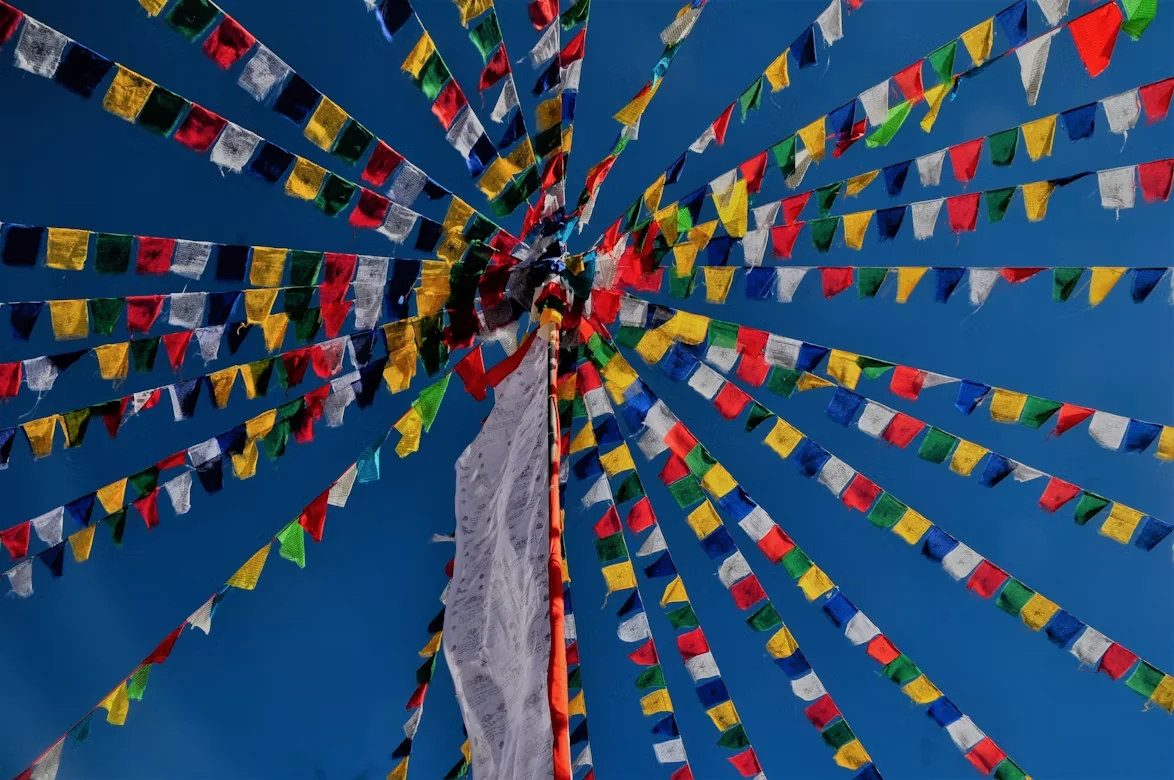
Genuinely vivid color against the white stupa

Genuinely well-preserved architecture, fewer crowds than central Kathmandu
Swayambhunath at Sunset. Given the genuine valley views covered in Attractions, golden light here creates one of Kathmandu's most photographed scenes.
Boudhanath's Prayer Flags. Given the genuine Tibetan Buddhist community covered in Attractions, the vivid colors against the white stupa create a real, distinctive composition.
Bhaktapur's Ancient Squares. Given the genuine preserved architecture covered in Hidden Gems, this offers real detail with meaningfully fewer crowds than central Kathmandu.
Comfortable shoes for uneven historic squares. Genuine real terrain across Durbar Square and similar sites rewards proper footwear.
A light face mask for dustier streets. Given genuine air quality variability covered in Safety, this is a real, practical addition many visitors don't think to pack.
Modest clothing for temple visits. Real respectful dress matters at religious sites here the same way it does elsewhere.
Socks for temple entrances. Shoes genuinely come off at some sites — having clean socks ready avoids scrambling.
Passport photos for permits. Given the genuine trekking permit process covered in Practical Information, these are a real, easy-to-forget necessity.
Trekking gear, bought or rented in Thamel. Given the genuine gear hub covered in Practical Information, this is real, affordable, and often unnecessary to pack from home.
2-3 days genuinely covers Durbar Square, Swayambhunath, and Boudhanath, with a possible day trip to Bhaktapur, before or after any trekking.
If trekking is part of your trip, yes, genuinely, October-November and March-April offer the clearest mountain views and best trail conditions.
Yes, with normal city precautions. Air quality can be poor at times, and traffic requires real caution when crossing streets.
Modest clothing for temple visits, comfortable shoes for uneven historic squares, and passport photos if you'll need trekking permits.
How many days do I actually need? 2-3 days genuinely covers Durbar Square, Swayambhunath, and Boudhanath, with a possible real day trip to Bhaktapur, before or after any trekking.
Do I need to plan around trekking season? If trekking is part of your trip, yes, genuinely — October-November and March-April, covered in Weather, offer the clearest mountain views and best trail conditions.
Is Kathmandu safe for travelers? Yes, with normal city precautions, covered in Safety above — air quality and traffic are the real, practical considerations, not personal safety.
What should I pack? The reasoning behind each item — including why passport photos genuinely matter if trekking permits are part of your trip — is covered in the Packing section above.
Get the complete Kathmandu guide as a beautifully designed, offline-ready PDF — every section organized for actual use in the field, plus a full packing checklist.
Turn your research into a trip designed around your actual dates, budget, and travel style — planned by a person, not a form.
EXPLORE GOATLAS CONSULTATIONSGenuinely recommended places to stay and eat, not filler — booked through our trusted travel partners.
Book hotels, flights, tours, airport transfers, travel insurance, and car rentals through GoAtlas's trusted global travel partners — all in one place.
Explore Trusted Travel PartnersA GoAtlas travel expert can build your full Kathmandu itinerary, the temples, the squares, or a trek beyond, around your dates and budget.