East Africa · Safari & Coast
Kenya
1.2921° S, 36.8219° E
The Great Migration crossing the Mara, elephants walking under Kilimanjaro at Amboseli, and a genuine Indian Ocean coast at the end of it all — safari and beach in one country.
The Great Migration crossing the Mara, elephants walking under Kilimanjaro at Amboseli, and a genuine Indian Ocean coast at the end of it all — safari and beach in one country.
Kenya is the trip that doesn't ask you to choose between safari and beach — the Maasai Mara's grasslands and the white sand of Diani are both here, a short domestic flight apart. It's also home to one of the world's genuine oddities: Nairobi National Park, a real, wild safari reserve with lions and rhinos, sitting at the edge of a capital city skyline.
Kenya's coast carries centuries of Swahili, Arab, and Indian Ocean trade history, visible today in Lamu's old town and Mombasa's Fort Jesus. Inland, Maasai culture remains a living, present part of the Mara region, not a museum piece — many camps are Maasai-owned or run in direct partnership with local communities.
Why the safari-plus-coast combination genuinely works logistically. Not just as a marketing pitch — Nairobi sits almost equidistant, by short domestic flight, from both the Mara and the coast, meaning neither half of the trip requires backtracking through the other. Few African safari destinations offer this — in Tanzania, for comparison, reaching Zanzibar from the northern safari circuit takes meaningfully longer. This geography is the actual reason Kenya became the classic "two trips in one" itinerary decades before it was a marketing phrase.
Nairobi National Park's oddity is worth understanding, not just noting. It exists because the park predates Nairobi's growth into a major city — the boundary was drawn in 1946 when the area was still remote bush, and the city grew up around it rather than the park being carved out of an existing city. That history is why you can genuinely photograph a lion with a skyline of office towers behind it — a juxtaposition that exists almost nowhere else on Earth.
On the Maasai community partnerships mentioned above: this shift toward community-owned or community-partnered camps, particularly in conservancies bordering the Mara reserve, is relatively recent — largely a post-2000s development — and it changed the economics of conservation here. Land that Maasai communities might otherwise have converted to cattle grazing or farming instead generates tourism revenue while staying wild, which is part of why the private conservancies (mentioned in the Budget section) command premium pricing — you're funding a specific, working conservation model, not just a nicer tent.
Safari timing and coast timing don't always point the same direction — worth planning around both.
The herds are in the Mara — peak safari season, and peak prices.
Excellent wildlife viewing without migration-season crowds or pricing.
Hot and dry on the Indian Ocean coast — ideal beach conditions.
Jul–Oct, Migration Season. This is when the wildebeest and zebra herds cross from Tanzania's Serengeti into Kenya's Masai Mara, chasing fresh grass northward. The river crossings themselves — at the Mara and Talek rivers — are the single most sought-after wildlife spectacle in East Africa, drawing predators (crocodiles in the water, big cats waiting on the far bank) as much as the herds themselves. Camps inside the Mara fill up months in advance for this window, which is why prices peak alongside demand — it's genuine scarcity, not just marketing. If you can only travel once in your life to see the migration itself, this is the window; if migration specifically isn't the draw, the trade-off in crowds and cost may not be worth it.
Jan–Feb, Dry, Quieter Safari. Grass is shorter after the short rains taper off, meaning better sightline visibility for spotting predators lying in wait — a real, practical advantage over the long-grass months. This window also overlaps with wildebeest calving season further south, which can mean genuine predator action even without the river-crossing spectacle. Camps are markedly less crowded, so sightings tend to have fewer vehicles clustered around them — a meaningfully different experience of the same wildlife.
Dec–Mar, Best Coast Weather. This window sits between Kenya's two monsoon-driven wind patterns — the kaskazi (northeast monsoon, roughly Dec–Mar) brings the calmest seas and best diving/snorkeling visibility, while the kusi (southeast monsoon, roughly Jun–Sep) brings rougher water and seaweed accumulation on some beaches. If snorkeling or diving is the priority, not just lying on sand, this timing matters more than it might seem.
Worth knowing even though they're not "best time": Kenya has two rainy seasons rarely mentioned in short guides — the "long rains" (roughly Mar–May) and "short rains" (roughly Nov). Neither makes travel impossible; safari roads can get genuinely difficult in the heaviest long-rains weeks, but many camps drop rates significantly in this window, and wildlife doesn't leave — it's simply a different, wetter, greener kind of safari with fewer other visitors around.
M-Pesa mobile money is used everywhere, even by many small vendors — worth knowing even if you won't use it yourself.
Apply online before you travel — processing can take a few business days.
Nairobi–Mara and Nairobi–coast are both short, frequent domestic hops.
Local eSIMs are cheap and easy to activate on arrival.
Especially true in Maasai communities — a small tip is often appropriate if permission is granted.
Antimalarials are commonly recommended — check current guidance for your specific route.
Currency & Money. M-Pesa isn't just widely used — it's genuinely the primary way most everyday transactions happen in Kenya, from market stalls to some taxi fares. As a visitor you likely won't register for it yourself, but knowing it exists explains why smaller vendors sometimes seem surprised by cash, and why carrying smaller shilling notes for markets and tips matters more here than in many destinations. ATMs are reliable in Nairobi and major towns but genuinely scarce inside safari camps — withdraw what you need before heading into the bush. Tipping culture runs on cash: safari guides, drivers, and camp staff typically expect a modest daily tip, and having small denominations set aside for this specifically avoids awkward moments.
Visa. The eTA system replaced Kenya's old visa-on-arrival process — it must be applied for online before departure, not at the airport, and typically takes a few business days to process, occasionally longer. Applying at least two weeks ahead avoids any risk of departure-day stress.
Getting Around. Domestic flights between Nairobi, the Mara, and the coast are short (often under an hour) and genuinely the practical choice for most itineraries — the alternative, driving, covers rough, unpaved roads for long stretches and can take the better part of a day for a distance a plane covers in 45 minutes. If your itinerary includes both safari and coast, budget for at least one, often two, domestic flights.
Internet. Coverage in Nairobi and coastal resort towns is genuinely strong — comparable to many Western cities. Inside the Mara and other reserves, expect patchy to nonexistent signal at times; most camps offer their own Wi-Fi, but treat connectivity there as a bonus, not a given.
Local Customs. Asking before photographing people isn't just politeness — in Maasai communities specifically, photography has become closely tied to a small-tip economy, and skipping the ask can read as extractive rather than curious. A respectful greeting first, permission second, small tip third is the pattern most visitors find works well.
Health. Malaria risk varies by region and altitude — lower-lying areas (much of the safari circuit, the coast) carry more risk than higher-altitude Nairobi. This is genuinely worth a real conversation with a travel clinic based on your specific route and trip length, not a blanket yes/no. Some travelers also find the altitude shift itself worth planning around — Nairobi sits around 1,700m, noticeable if you're arriving from sea level and heading straight into activity.
The established tourist circuit — Nairobi's main areas, the Mara, Amboseli, the coast resorts — is safe with normal precautions. Use registered taxis or rideshare apps in Nairobi rather than hailing on the street.
Road safety is the risk most guides underplay. Statistically, road travel carries more real risk to visitors than crime does — Kenyan roads outside major highways can be rough, poorly lit at night, and shared with fast-moving matatus (minibuses) that don't always drive predictably. This is part of why domestic flights between regions are so commonly recommended over long road transfers, beyond just saving time — and why, if you are driving, arriving at your destination before dark is worth planning around.
A specific note for Nairobi. Registered taxis or rideshare apps, rather than hailing on the street, address a real, known pattern of opportunistic crime tied to unlicensed taxis, particularly around the airport and at night — not a generic caution. Apps like Uber and Bolt operate normally in Nairobi and are the straightforward solution.
Wildlife safety on safari comes down to one consistent rule camps enforce for good reason: stay in the vehicle during game drives unless your guide explicitly says otherwise, and don't walk around camp unescorted after dark — many camps are unfenced by design, meaning animals genuinely do pass through at night. Guides carry radios and know current animal movement; that local knowledge is the actual safety system, more than any list of rules.
Petty theft on the coast follows a fairly ordinary beach-destination pattern — valuables left visible on the sand, unattended bags at busy market areas. Standard precautions (hotel safe, not flashing cash, a bit more alertness in crowded market areas like Mombasa's Old Town) cover the realistic risk here; it's not a heightened-risk destination by beach-travel standards.
Safari days and coast days run very differently — budget them separately, not as one blended average.
| Item | Budget | Mid-range | Luxury |
|---|---|---|---|
| Safari lodging (per night) | $70 – $150 | $220 – $450 | $600 – $1,500+ |
| Coast lodging (per night) | $40 – $90 | $120 – $280 | $350 – $900+ |
| Park & conservancy fees | $60 – $100/day | $60 – $100/day | $60 – $100/day |
| Domestic flights | $100 – $200 | $100 – $200 | $150 – $300 |
Why safari lodging spans such a wide range. The gap between $70/night and $1,500+/night isn't just about thread count — it largely comes down to which conservancy you're in. Public parks like the main Maasai Mara National Reserve are open to any licensed operator, which keeps supply (and prices) more flexible. Private conservancies bordering the reserve limit the number of camps and vehicles by design, which is exactly why they cost more — you're paying for fewer vehicles at each sighting, not just a nicer tent.
Park and conservancy fees don't scale with your budget tier because they're set by the parks themselves, not by your lodge — this is genuinely the one cost that stays flat whether you're camping or staying at a luxury tented camp, and it's easy to forget when budgeting since every other line item scales with comfort level.
Tipping, a real cost most budgets miss. Safari guides and camp staff typically expect a daily tip — commonly discussed in the range of $15-25/day per guide, and separately for camp staff, though norms vary by camp and this is worth confirming with your specific operator. Over a week-long trip this adds up to a genuine line item, not pocket change, and it's almost always cash (USD or KES), so factor it into what you bring, not just what you budget.
Domestic flights vs. driving — the flight cost shown assumes the short hops between Nairobi, the Mara, and the coast. Driving instead is cheaper in dollar terms but costs an entire day of your trip on rough roads; most travelers find the time saved is worth more than the fare difference, especially on a trip under 10 days.
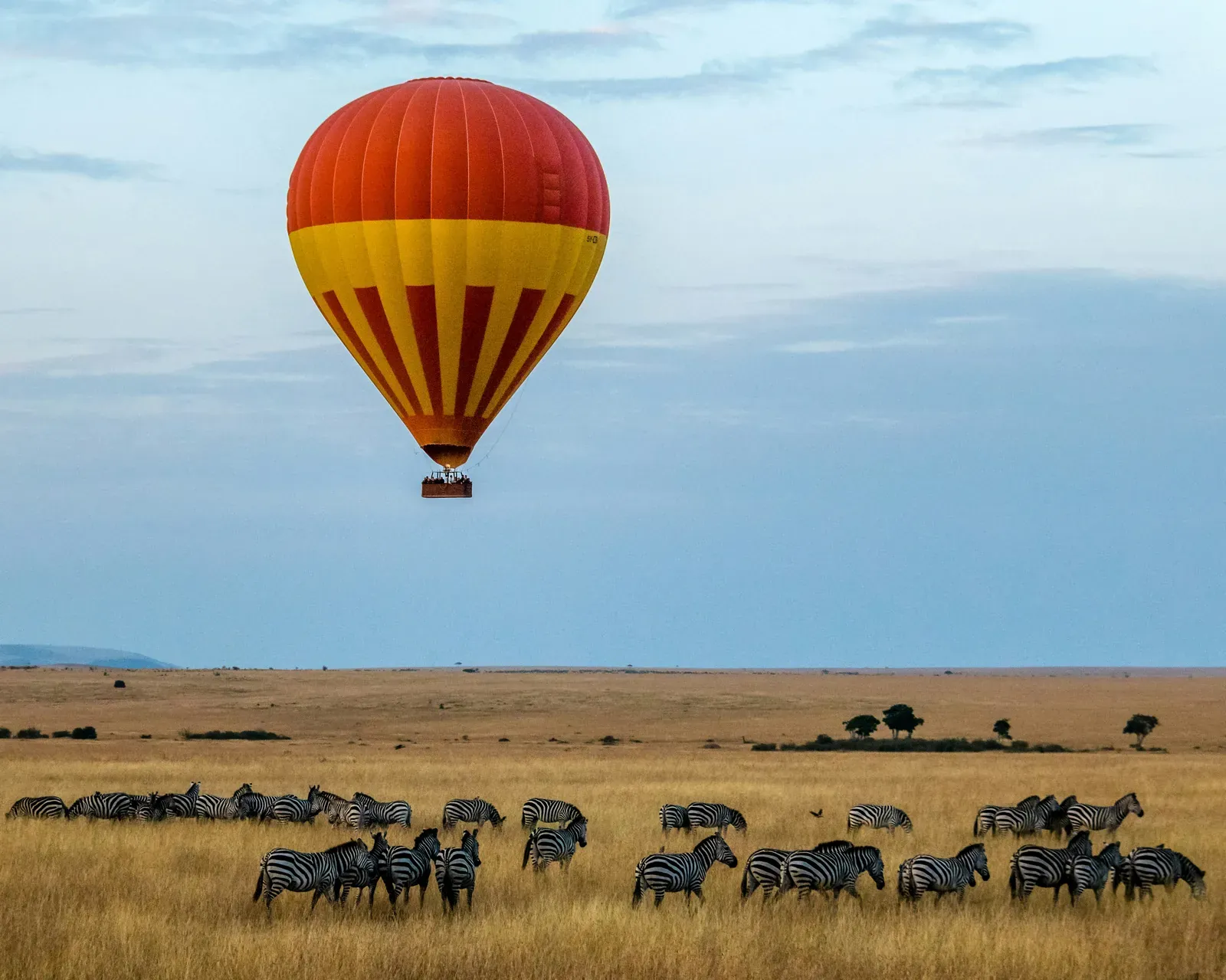
The Kenyan half of the Great Migration ecosystem
Game drives are typically arranged through your camp or a local operator, timed around the Migration's seasonal movement.
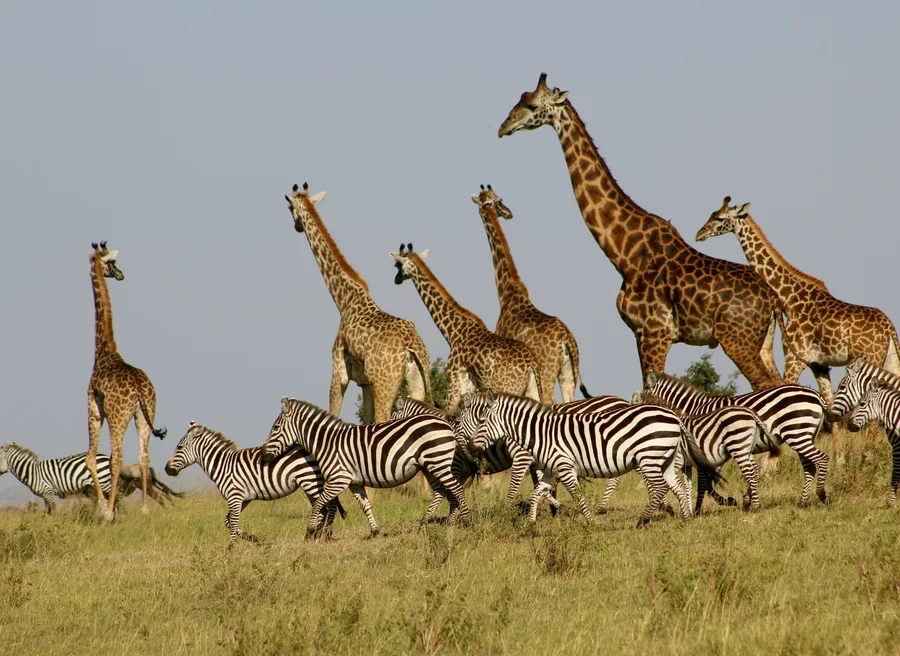
Explore Experiences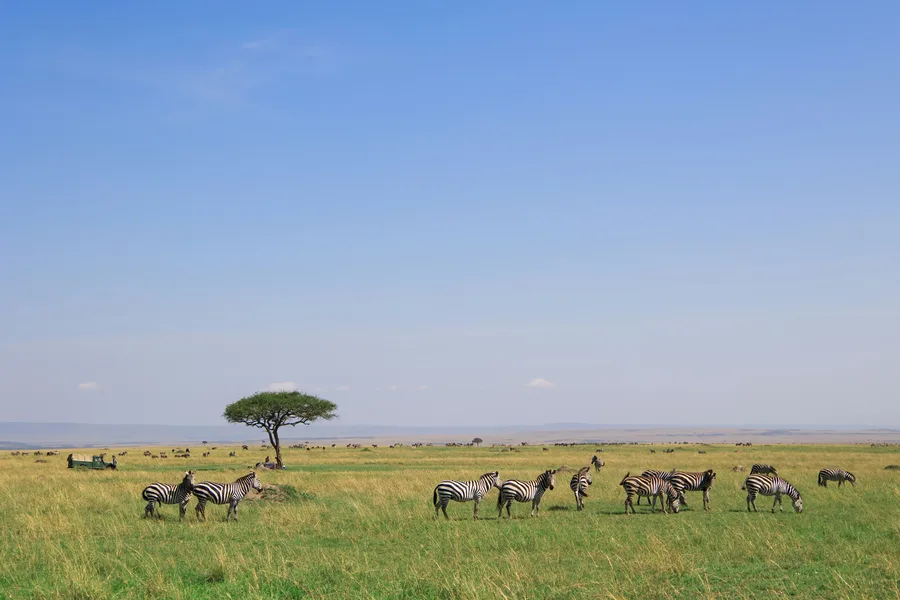
Elephant herds framed by Mount Kilimanjaro
Best visited with a guide who knows where the elephant herds tend to gather against the Kilimanjaro backdrop.
Explore Experiences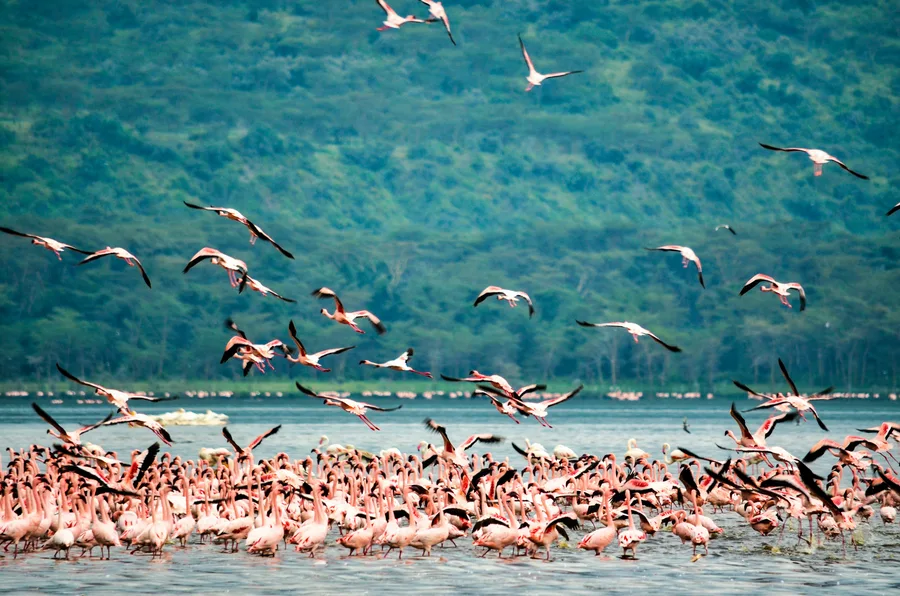
Flamingo flocks & a dedicated rhino sanctuary
A day trip or guided drive covers both the flamingo flocks and the rhino sanctuary in one visit.
Explore ExperiencesMaasai Mara National Reserve. The single biggest timing decision within the Mara itself is public reserve vs. private conservancy — the reserve allows more vehicles per sighting and costs less, while bordering conservancies (Mara North, Naboisho, Olare Motorogi, among others) cap vehicle numbers and allow off-road driving and night drives, which the reserve itself doesn't. If watching a kill unfold with two vehicles present matters more to you than watching it with fifteen, that distinction is worth discussing with your operator before booking, not after arriving.
Amboseli National Park. The Kilimanjaro backdrop photograph everyone wants is genuinely weather-dependent — the mountain is frequently cloud-covered by mid-morning, meaning the clearest views typically come at first light. Guides who work Amboseli regularly time the classic elephant-and-mountain drive specifically around this, which is part of why a guide who knows the park's daily weather pattern is worth more here than in parks where timing matters less.
Lake Nakuru National Park. The flamingo population here fluctuates significantly year to year based on the lake's water chemistry — some years bring vast pink flocks, others far fewer, as birds shift toward Lake Bogoria instead. It's genuinely worth asking your operator about current conditions before building an itinerary specifically around flamingos, rather than assuming the postcard image is guaranteed. The rhino sanctuary portion, by contrast, is consistent year-round.
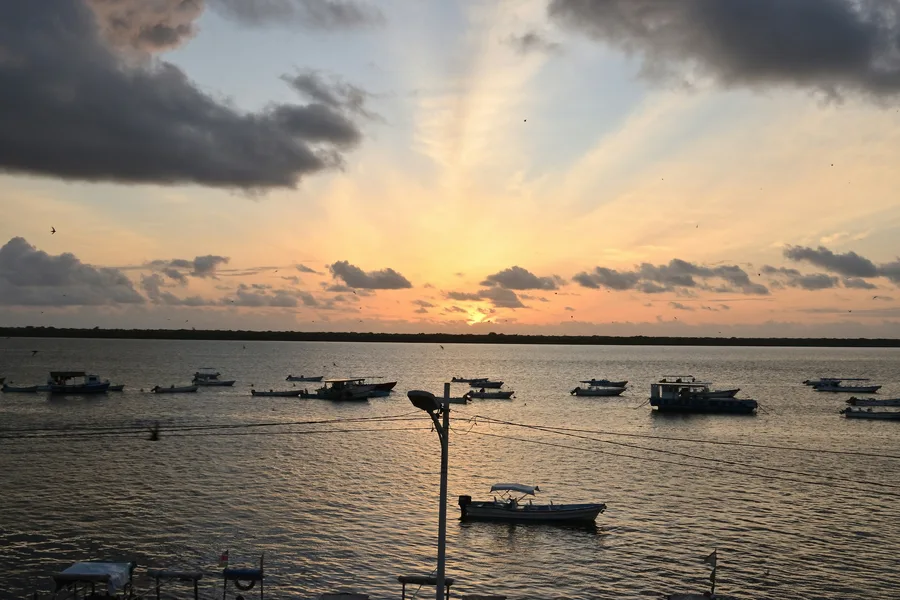
A UNESCO Swahili settlement, no cars, just donkeys and dhows
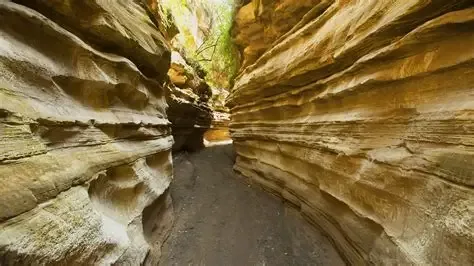
Walk or cycle among wildlife — no vehicle required
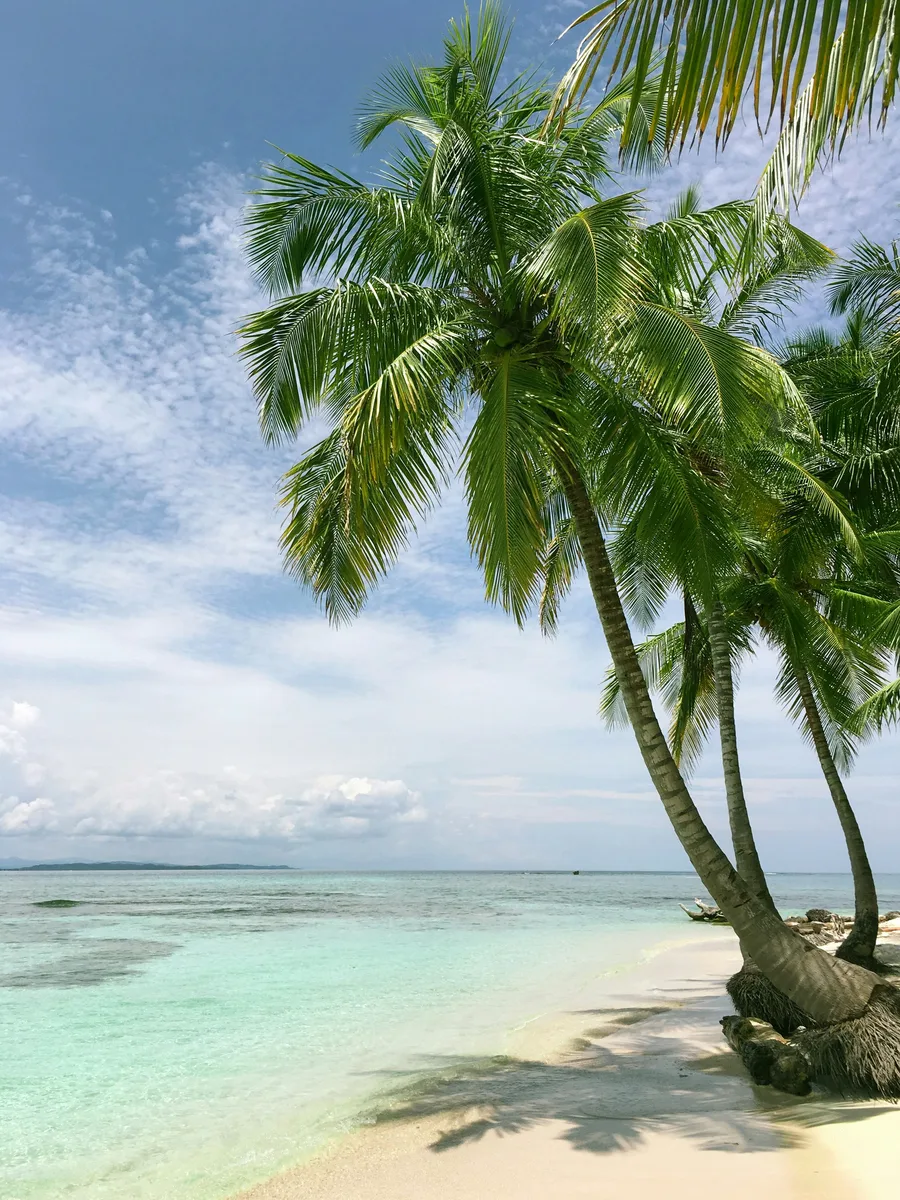
The coast's best sand, quieter than central Mombasa
Lamu Old Town. What makes Lamu genuinely unusual isn't just its age (it's East Africa's oldest continuously inhabited Swahili settlement) but that it has no cars at all — donkeys and dhows are the actual, functioning transport system, not a tourist affectation. This also means it's reachable only by small plane or boat, which keeps visitor numbers naturally low compared to more accessible coastal towns.
Hell's Gate National Park. This is one of the only parks in Kenya where walking and cycling among wildlife is officially permitted, because the park has few predators large enough to pose real danger to people on foot — a genuinely different, more physical way to experience wildlife than a vehicle-bound game drive elsewhere.
Diani Beach. The reason Diani reads as quieter than central Mombasa isn't accidental — it sits far enough south of Mombasa's port and city center that the beach itself avoids the shipping traffic and urban density visible from beaches closer to town, while still being an easy drive from the airport.
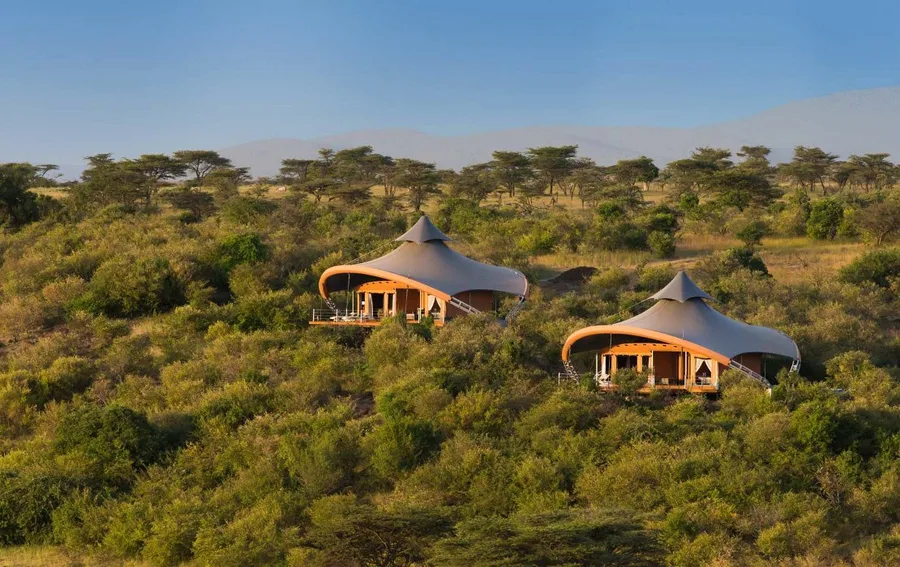
Classic canvas-and-thatch, front-row to the plains
Classic canvas-and-thatch camps put you right at the edge of the plains, where the Migration itself happens.
Check AvailabilityDirect beach access on the south coast
Direct beach access on the south coast makes for a genuinely restful finish after days of early game drives.
Check Availability
A comfortable stop for your arrival or departure night
A comfortable, convenient stop for the night before or after your main trip.
Check AvailabilityMaasai Mara Tented Camp. "Front-row to the plains" is a real, physical description, not just marketing language — the classic canvas-and-thatch camps have no perimeter fence by design, which is exactly why you'll hear (and sometimes see) wildlife passing directly through camp at night, escorted between your tent and the dining area after dark by camp staff as standard practice, not an emergency measure.
Diani Beach Resort. The specific value of ending a trip on the coast after safari isn't just variety — dust, early mornings, and consecutive game drives are genuinely tiring in a way that's easy to underestimate beforehand. A coast stretch built into the back half of an itinerary, rather than the front, tends to land better for exactly this reason.
Nairobi City Hotel. Given how many Kenya itineraries involve an overnight domestic flight connection or an early-morning departure to the Mara, a genuinely comfortable, well-located Nairobi stay for the bookend nights matters more than it might seem — it's the difference between starting a safari well-rested or starting it straight off a long-haul flight with no buffer.
Nairobi has a genuinely strong food scene worth a night before or after safari.
Grilled meat, the country's unofficial national dish — best eaten at a proper nyama choma joint.
Coconut, seafood, and spice-forward dishes reflecting centuries of Indian Ocean trade.
A full spread set up at a scenic viewpoint mid-drive — a Kenyan safari tradition.
Nyama Choma. This translates literally to "roasted meat," and the ritual around it matters as much as the food itself — it's traditionally a shared, social meal, often eaten standing or at communal tables, with the meat (commonly goat or beef) grilled slowly over charcoal and served simply, without heavy sauce, so the meat itself is the point. A proper nyama choma joint is a genuinely different experience from a restaurant serving it as a menu item.
Swahili Coastal Cuisine. The Indian Ocean trade history mentioned in the Overview section shows up directly on the plate — coconut milk, tamarind, and warming spices like cardamom and clove reflect centuries of trade contact with India, Arabia, and Persia, layered onto East African staples. Dishes like biryani and pilau here carry genuinely distinct coastal Kenyan character, not a copy of South Asian versions.
Bush Breakfast. Beyond the novelty of the setting, this tradition exists because it fits the actual rhythm of a game drive — leaving camp before sunrise for the best wildlife activity, then stopping mid-morning once the light gets harsh and animals become less active, for a proper hot breakfast set up at a scenic spot rather than rushing back to camp.
Save the going-out plans for the city — camps are fireside-and-stargazing territory.
Many camps welcome younger kids than East African safari norms, and the coast resorts are classic family beach territory.
Nairobi's nightlife is genuinely underrated relative to its reputation — Westlands and Kilimani in particular have a real, current scene of rooftop bars and live music that most safari-focused itineraries skip entirely by treating Nairobi as a pure transit stop. A single evening there before or after the bush is a meaningfully different city experience than the airport-to-hotel-to-park route most visitors take.
Family travel age minimums genuinely vary camp to camp, and this is worth confirming directly rather than assuming — some safari camps set minimum ages around 6-8 years old due to game drive length and safety around unfenced camps, while others welcome younger children with dedicated family programming. The coast side has essentially no such restrictions, which is part of why many family itineraries lean coast-heavy with a shorter, carefully chosen safari component.
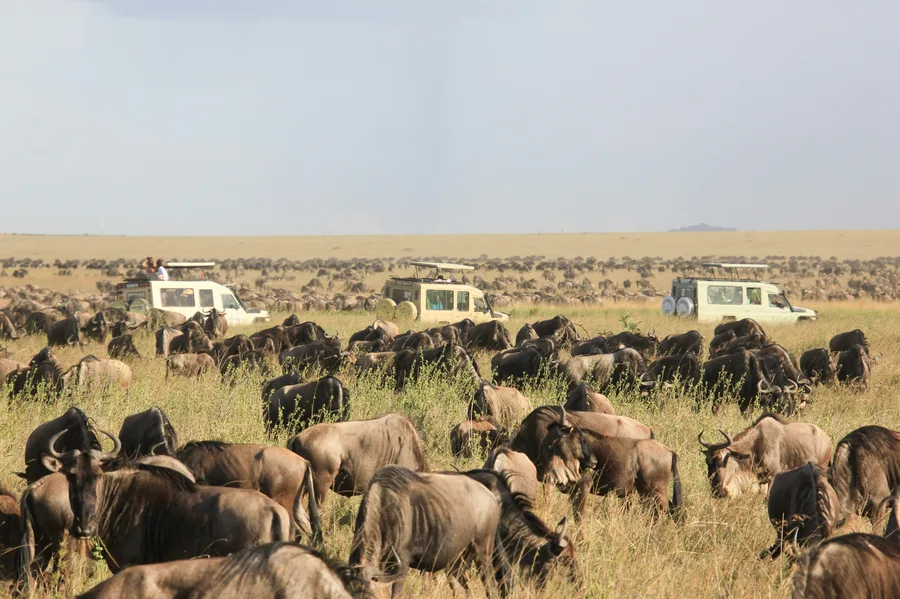
The migration's most dramatic, most photographed moment
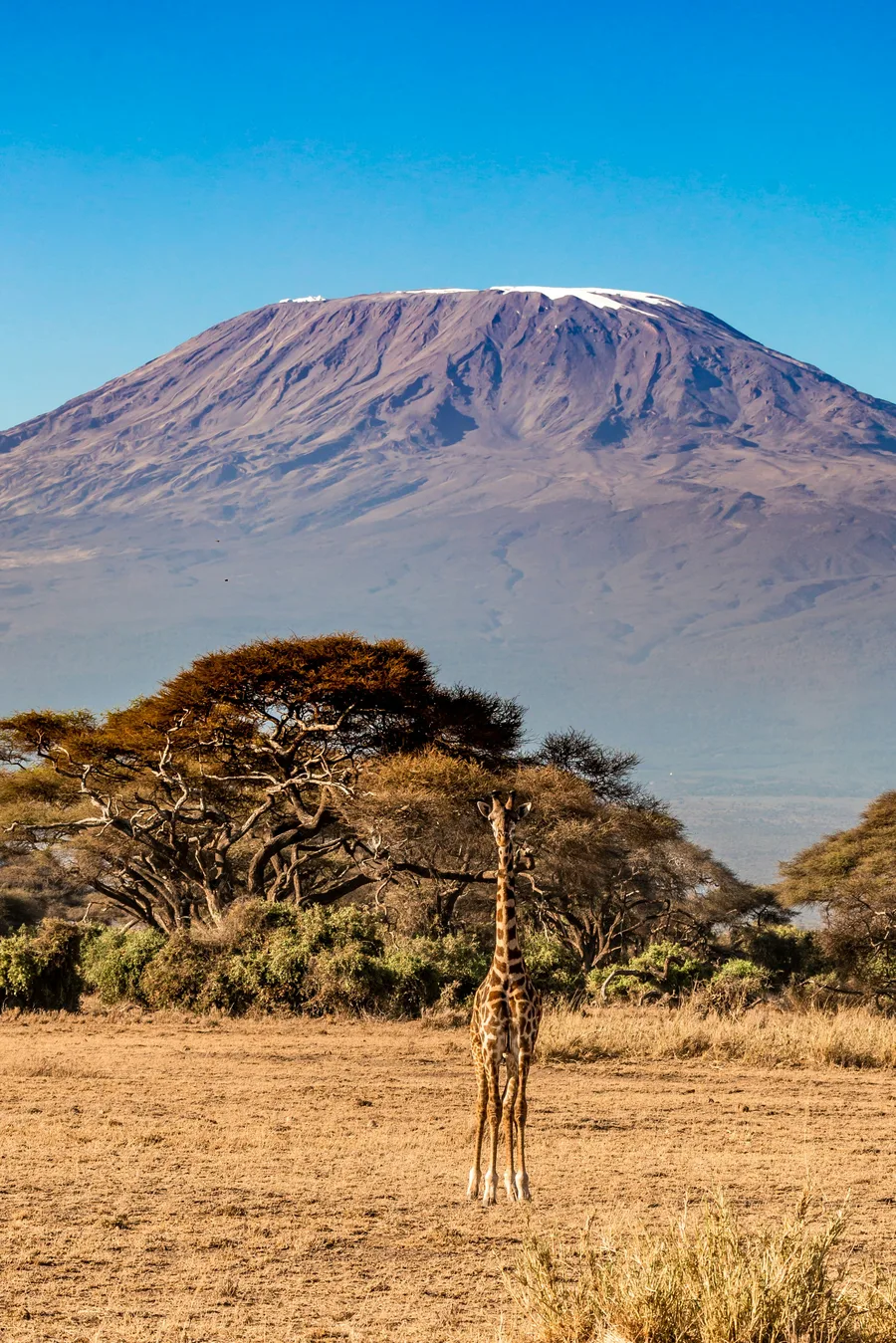
Elephants in the foreground, Africa's tallest peak behind
Dhow sails silhouetted against the old town
Mara River Crossing. This is genuinely unpredictable in timing — herds can stage at the riverbank for hours, sometimes days, before actually crossing, which means "being there for the crossing" often means committing a full day, not a quick stop. A telephoto lens in the 300-400mm range is close to essential here; the action typically happens across the river, not right at your vehicle.
Amboseli & Kilimanjaro. As mentioned in the Attractions detail, the mountain is most visible at first light before cloud builds up — this makes early morning genuinely the best photography window here, not just the best wildlife-viewing window. A wide-angle lens captures the mountain-and-plains scale better than a telephoto does; this is one of the few spots on a Kenya safari where wide, not zoomed-in, is often the better call.
Lamu at Sunset. The dhow silhouettes work because Lamu's harbor faces west across the channel — timing a walk along the waterfront for roughly 30-45 minutes before actual sunset catches boats still out on the water rather than already docked for the evening.
Neutral-colored clothing (Safari). Bright colors and dark blue/black aren't just about blending in aesthetically — dark blue and black specifically can attract tsetse flies, which bite and are genuinely unpleasant, in parts of the safari circuit. Khaki, olive, and tan tones are the practical standard for a real reason, not just tradition.
Layers for cold Mara mornings. Game drives typically start before sunrise, when temperatures at altitude can drop surprisingly low — a fleece or light jacket that gets shed by mid-morning as the sun climbs is the standard pattern, not overpacking.
Reef-safe sunscreen (Coast). Standard sunscreens contain oxybenzone and octinoxate, chemicals with real, documented harm to coral reef systems — Kenya's coast sits along a living reef, and reef-safe formulas are both an environmental and, increasingly, a practical choice as more coast properties actively discourage non-reef-safe products.
Binoculars. Game drives involve real distance between vehicle and wildlife — a lion resting 200 meters off the track is a genuinely different experience through binoculars than as a distant shape. A mid-range pair changes what you actually see far more than a better camera does.
Antimalarials if advised. Risk varies meaningfully by region and season — this is worth an actual conversation with a travel clinic about your specific route and dates, not a blanket decision made in advance.
A dry bag for coast-to-safari transitions. If your itinerary combines both halves of Kenya, a dry bag protects electronics and documents during the coast portion (boat transfers, humidity, occasional rain) in a way a normal bag doesn't.
A power bank for long game drives. Full-day game drives with no return to camp are common in the Mara, and phone batteries — especially with camera/GPS use — routinely don't last a full day of shooting wildlife photos.
8–10 days lets you combine 4–5 days of safari (Mara and/or Amboseli) with 3–4 days on the coast — trying to rush both leaves neither feeling worth it.
Yes — it's one continuous ecosystem. The herds are typically in the Mara (Kenya) from roughly July to October, and in the Serengeti (Tanzania) the rest of the year.
Yes, the established tourist circuit — Nairobi, the Mara, Amboseli, the coast — is safe with normal precautions. As anywhere, stay aware in crowded urban areas.
Neutral-colored safari clothing and layers for the Mara's cold mornings, plus separate lightweight beachwear if you're continuing to the coast — the climates are genuinely different.
How many days do I actually need? The 8-10 day figure assumes real transit time is built in — a domestic flight day each direction between safari and coast, not just the days spent actually on activities. Compressing to 6-7 days is possible but usually means cutting either a full safari park or the coast down to little more than a token stop, which tends to leave visitors wishing they'd chosen one region properly rather than rushing both.
Is the Maasai Mara the same migration as the Serengeti? Yes, and the practical implication worth knowing: because it's one continuous ecosystem, "which country is better for the migration" genuinely depends on timing, not on one being inherently superior — Kenya's Mara is the better choice roughly July through October, Tanzania's Serengeti the rest of the year, tracking the same herds.
Is Kenya safe for travelers? The honest, fuller answer sits in the Safety section above — road travel carries more statistical risk than crime does, and the specific precautions (registered taxis in Nairobi, staying in vehicles on game drives) address real, known patterns rather than generic caution.
What should I pack? The full reasoning behind each item — including why dark colors specifically matter for the safari portion — is covered in the Packing section above; the short version is that some of this advice has a genuine practical reason behind it, not just tradition.
Get the complete Kenya guide as a beautifully designed, offline-ready PDF — every section organized for actual use in the field, plus a full packing checklist.
Turn your research into a trip designed around your actual dates, budget, and travel style — planned by a person, not a form.
EXPLORE GOATLAS CONSULTATIONSGenuinely recommended places to stay and eat, not filler — booked through our trusted travel partners.
Book hotels, flights, tours, airport transfers, travel insurance, and car rentals through GoAtlas's trusted global travel partners — all in one place.
Explore Trusted Travel PartnersA GoAtlas travel expert can build your full Kenya itinerary — safari, coast, or both — around your dates and budget.