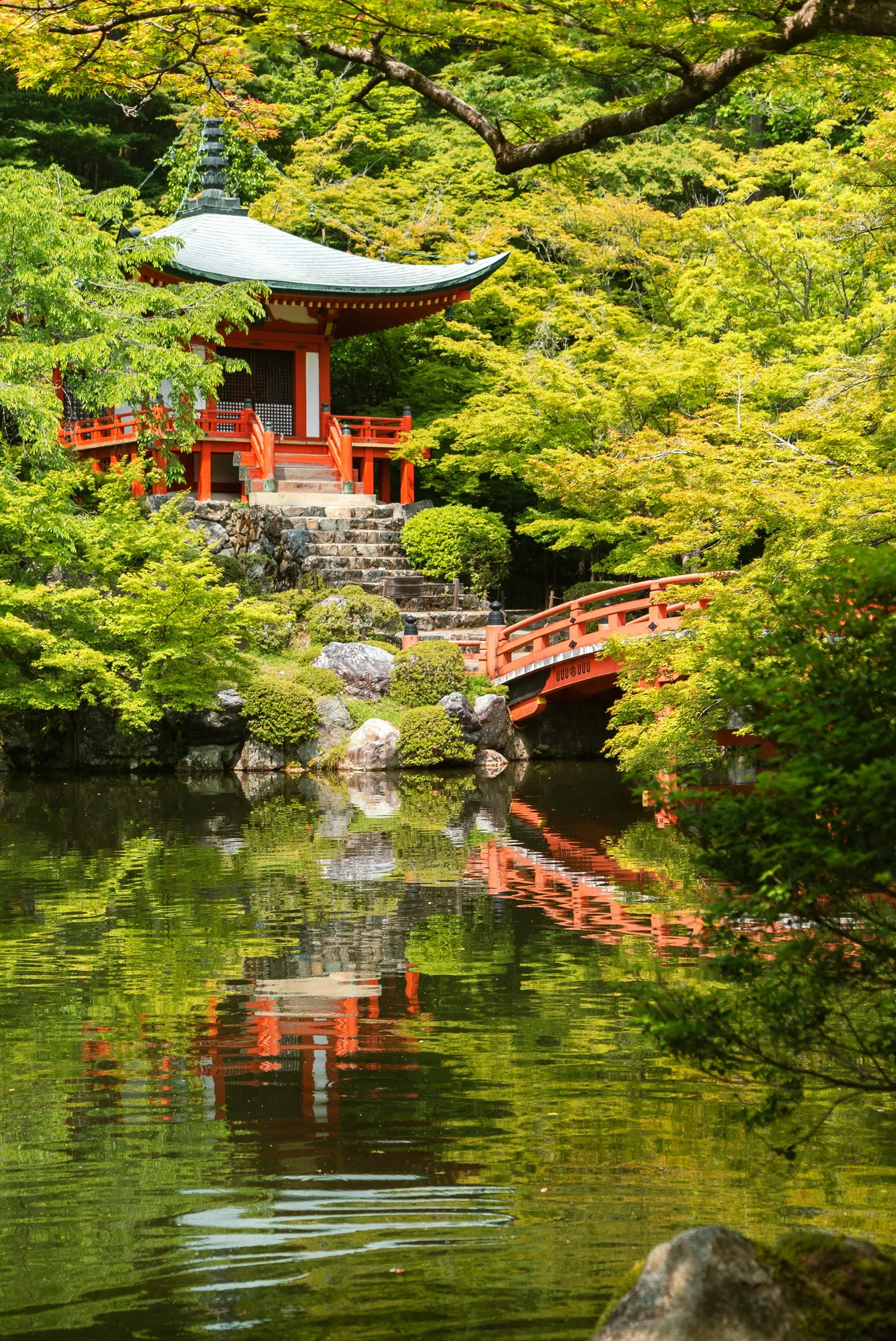
East Asia · Japan
Kyoto, Japan
35.0116° N, 135.7681° E
Over a thousand temples and shrines, quiet gardens built for slow walking, and a sense of ceremony that shapes even the smallest daily moments.
Over a thousand temples and shrines, quiet gardens built for slow walking, and a sense of ceremony that shapes even the smallest daily moments.
Kyoto served as Japan's capital for over a thousand years, and it shows — the city is dense with temples, shrines, and traditional wooden machiya houses. Unlike Tokyo's density and speed, Kyoto rewards a slower pace: early mornings at temples before the tour buses arrive, long walks through bamboo groves, tea ceremonies that unfold over an hour.
The city is walkable and well served by buses and a compact subway, with most major sites clustered into a handful of districts — Higashiyama, Arashiyama, and central Kyoto around the station.
Kyoto remains Japan's spiritual and cultural center, home to geisha and maiko still training in traditional arts in the Gion district. Seventeen of its historic sites are UNESCO World Heritage listed, and its relationship with the seasons — cherry blossoms in spring, fiery maple leaves in autumn — shapes both local life and visitor timing.
Kyoto served as Japan's imperial capital for genuinely over a thousand years. From 794 until 1868, when the capital moved to Tokyo, Kyoto was the real seat of imperial power — that depth of continuous history is why the city is so dense with temples and traditional architecture compared to almost anywhere else in Japan.
Machiya townhouses have a genuinely practical origin story. Their narrow street-facing width and unusually deep layout trace back to a real historical property tax based on street frontage — narrower fronts meant lower taxes, so homes were built long and deep instead, a real architectural solution to a tax rule that shaped the city's look for centuries.
Gion's geisha and maiko are genuinely still training in real, living traditional arts, not performing for tourists. This distinction matters, and it's part of why local authorities have introduced real restrictions on tourist photography in certain narrow Gion alleys, responding to genuine complaints about visitor behavior toward working geisha.
Kyoto's two peak seasons are famous for a reason — and famously crowded to match.
Spectacular but the busiest, most expensive window of the year.
Fiery maple leaves across temple gardens, nearly as popular as spring.
Fewer crowds but genuinely uncomfortable heat.
Late Mar-Apr, Cherry Blossom Season. Exact bloom timing genuinely varies year to year based on winter temperatures — forecasts only become reliably accurate a few weeks ahead, meaning locking in exact travel dates months in advance carries real, genuine uncertainty about whether you'll catch peak bloom.
Oct-Nov, Autumn Foliage. Maple colors are genuinely just as weather-dependent as cherry blossoms, peaking at slightly different times each year — nearly as popular as spring, with real, comparable crowd levels.
Jun-Aug, Hot & Humid. Japan's genuine humid subtropical climate makes summer meaningfully more uncomfortable here than the temperature alone suggests — fewer crowds are a real trade-off against real physical discomfort during extended outdoor sightseeing.
Cash still matters — many smaller temples and shops remain cash-only.
Most Western passport holders get 90-day visa-free entry; check your specific country's rules.
A prepaid IC card (ICOCA/Suica) covers buses and trains citywide.
A Japan-wide eSIM or pocket Wi-Fi gives fast coverage everywhere.
Remove shoes where indicated, avoid loud conversation.
Tap water is safe; healthcare standards are high.
Currency & Money. Cash genuinely still matters here in a way it doesn't in many developed countries — smaller, more traditional shops and temples often remain cash-only, a real cultural and generational preference worth planning around rather than assuming cards work everywhere.
Visa. The 90-day visa-free entry many Western passport holders receive is genuinely generous, though worth confirming against your specific nationality.
Transportation. A prepaid IC card like ICOCA or Suica is genuinely interoperable across nearly all of Japan's public transport networks, not just Kyoto's — a real, singular convenience that removes the need for separate tickets city to city.
Local Customs. Quiet, respectful temple visits are genuinely expected, not just polite — removing shoes where indicated reflects a real, practical cultural boundary between outdoor and indoor space that Japanese homes and temples both observe.
Geisha District Etiquette. Given the genuine overtourism issues covered in Overview, real photography restrictions now exist in parts of Gion — checking current signage before photographing anyone in the district is a real, current necessity, not outdated caution.
Kyoto is exceptionally safe, even late at night. The main things to watch for are bicycle traffic on shared paths and overtourism etiquette in residential geisha districts.
Kyoto is genuinely exceptionally safe, even late at night. This reflects real, broadly consistent safety standards found across Japan, not a Kyoto-specific exception.
Bicycle traffic on shared paths is a genuine, real thing to watch for. Cyclists and pedestrians often share the same paths here by design — a real, practical awareness point rather than a safety warning in the traditional sense.
Kyoto flexes from budget-friendly to genuinely luxurious, with ryokan stays at the top end.
| Item | Budget | Mid-range | Luxury |
|---|---|---|---|
| Lodging (per night) | $35 – $70 | $120 – $250 | $400 – $1,000+ |
| Food (per day) | $20 – $35 | $45 – $80 | $100 – $250 |
| Local transport (per day) | $8 (pass) | $8 (pass) | $40+ (driver) |
| Temple & entry fees | $10 – $20 | $20 – $40 | $40 – $100 |
| From Tokyo (transfer) | $60 (bus) | $130 (Shinkansen) | $130+ (Green Car) |
Why ryokan stays command such a real premium. A traditional ryokan genuinely bundles a kaiseki dinner, a private onsen bath, and real, attentive service into one experience — this isn't simply a hotel room upgrade, it's a fundamentally different, more labor-intensive hospitality model.
The Tokyo-Kyoto transfer cost genuinely reflects a real time-versus-money trade-off. The bus is meaningfully cheaper but takes real hours longer than the Shinkansen — worth deciding based on how much travel time you're actually willing to spend, not price alone.
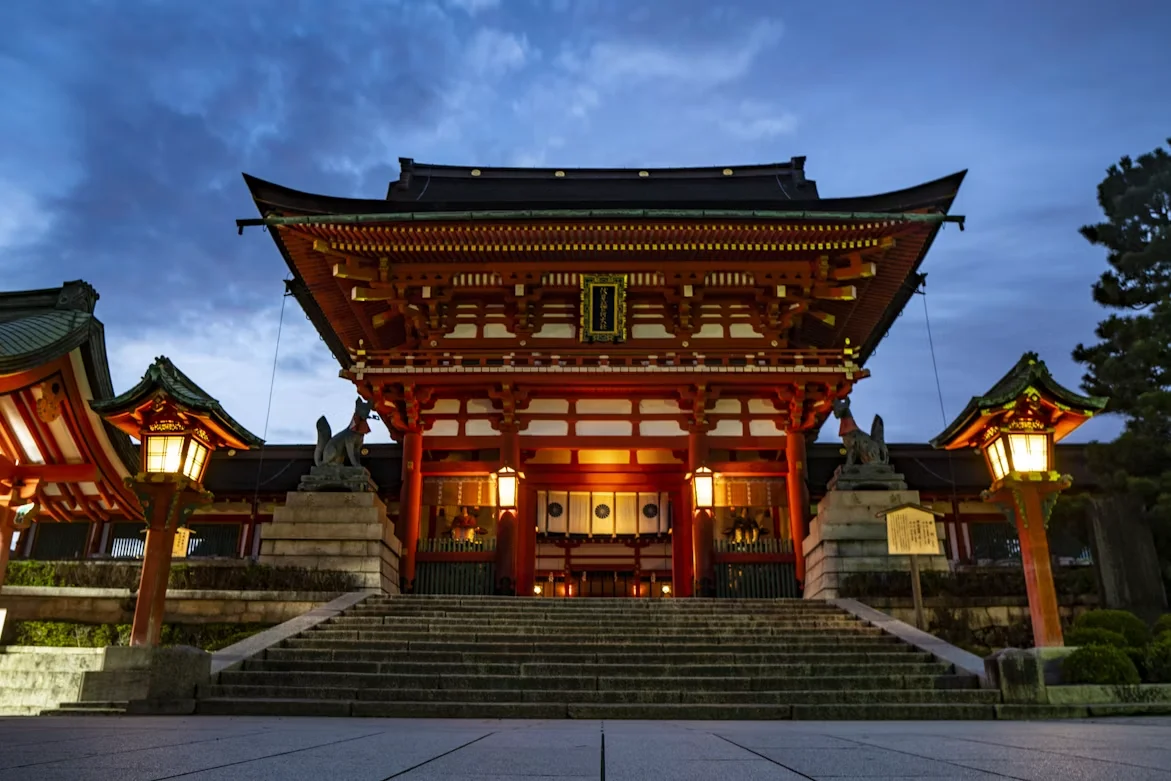
Thousands of vermillion torii gates
Best visited early morning — the thousands of torii gates are genuinely quieter and cooler before crowds arrive.
Explore Experiences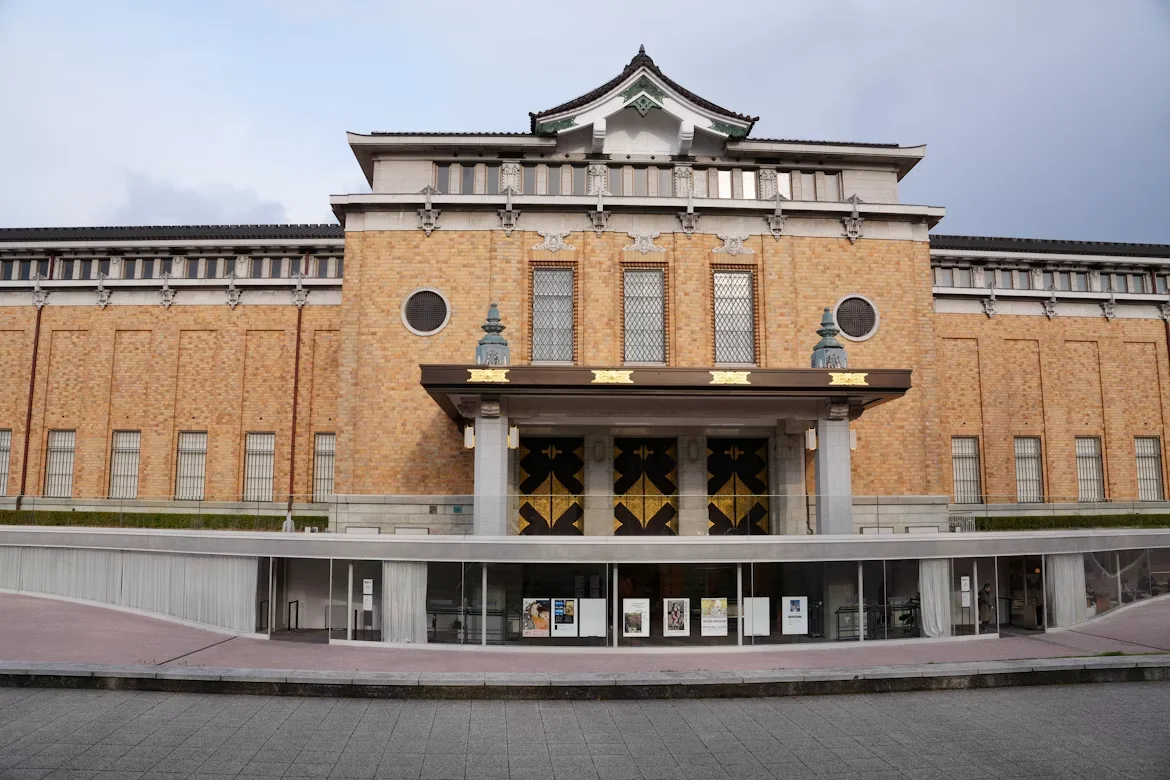
Japanese art and antiquities
A relaxed, self-guided visit works well here, genuinely rich with Japanese art and antiquities.
Explore Experiences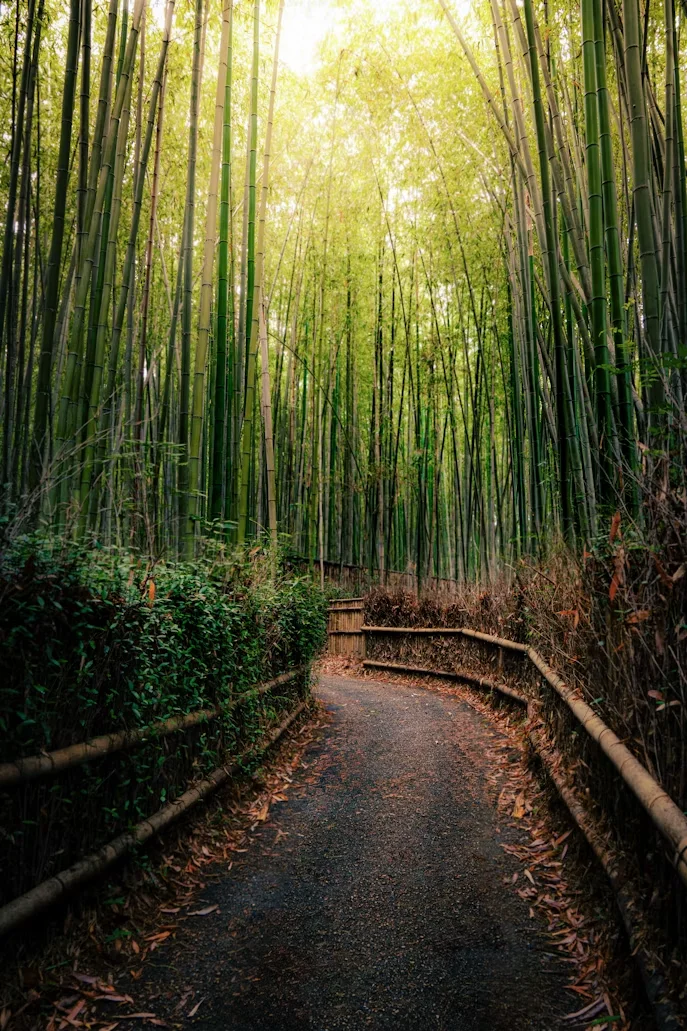
Towering bamboo paths, best before 8am
Genuinely best before 8am — this specific grove gets crowded fast once tour groups arrive.
Explore ExperiencesFushimi Inari Shrine. The thousands of vermillion torii gates are genuinely donated by individuals and businesses, a real tradition that continues today, not a historical relic — each gate is inscribed with its donor's name, visible if you look closely while walking through.
Kyoto National Museum. This genuinely rich collection of Japanese art and antiquities rewards a real, unhurried self-guided visit rather than a rushed stop between temple visits.
Arashiyama Bamboo Grove. Visiting before 8am is genuinely the difference between hearing the real, distinctive sound of wind through the bamboo and navigating a crowd — this specific grove is small enough that tour groups fill it quickly once they arrive.
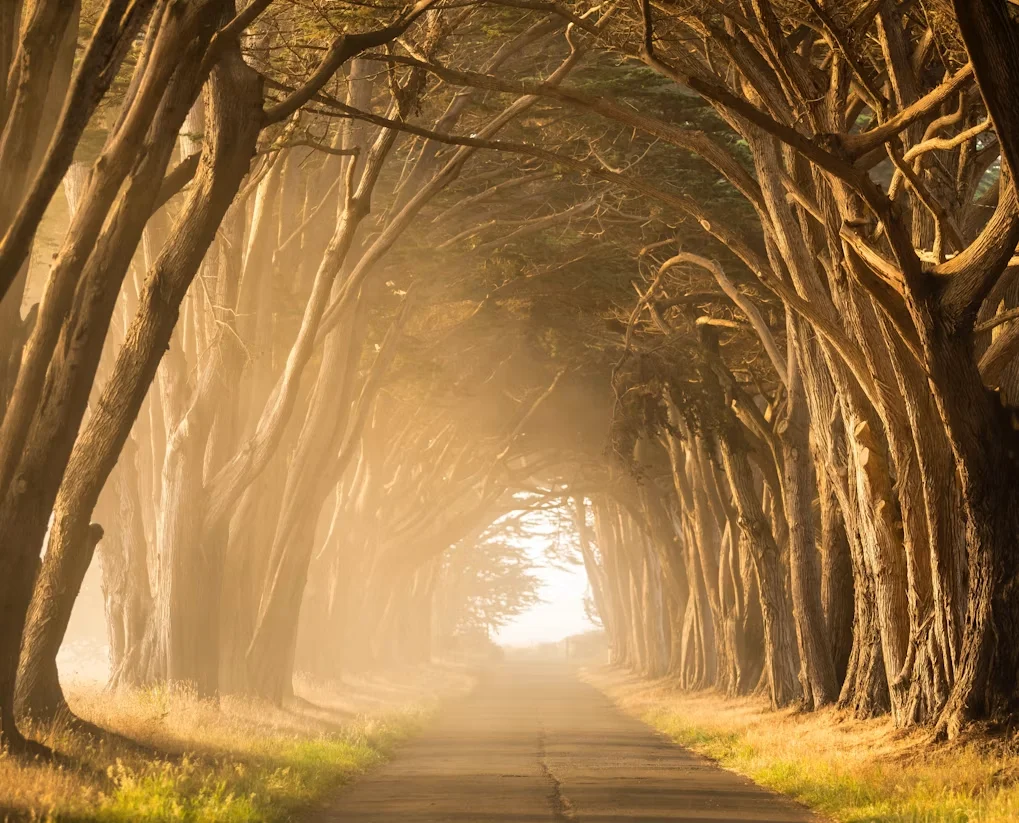
Empty before 7am
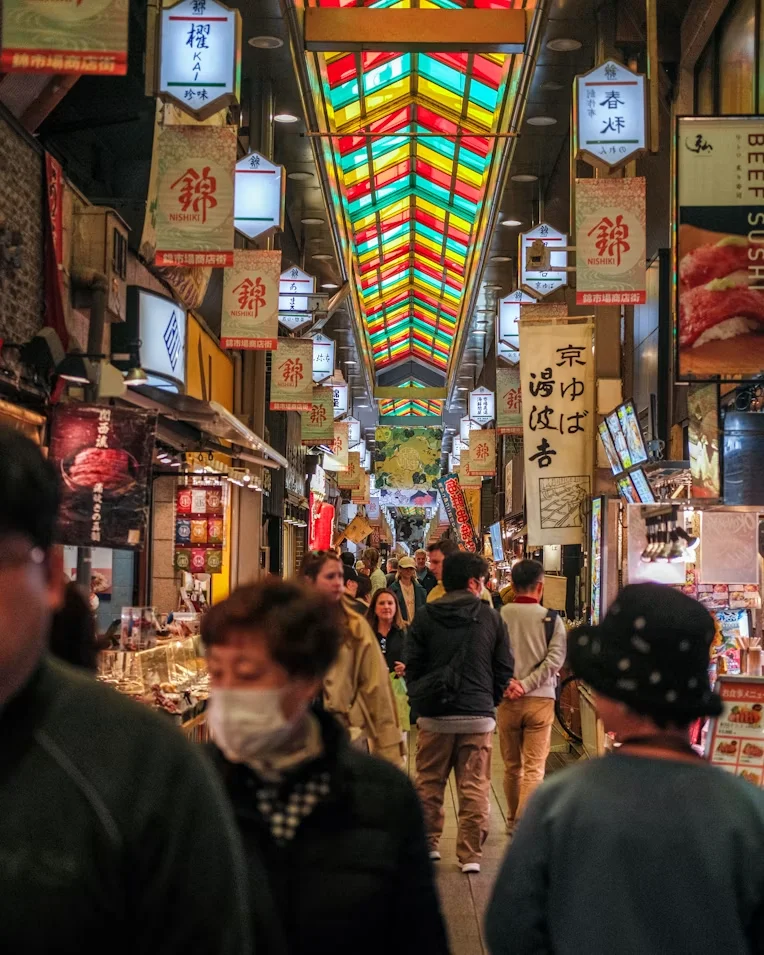
Away from the main aisle
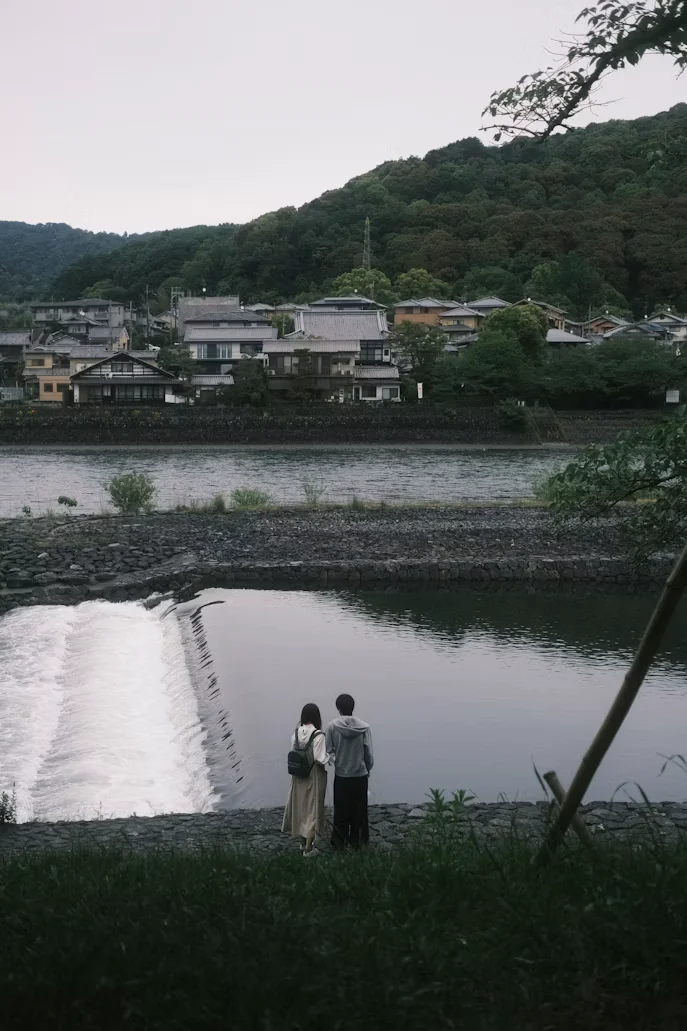
Japan's historic green tea capital
Philosopher's Path at Dawn. This canal-side path genuinely earned its name from a real Kyoto University philosopher who walked it daily for meditation — genuinely empty before 7am, offering the same reflective quality that gave it its name.
Nishiki Market's Side Streets. Stepping just off the main aisle, covered further in Eat, reveals genuinely quieter stalls with the same quality food and far fewer crowds.
A Tea Ceremony in Uji. Uji is genuinely considered the historic birthplace of Japanese green tea cultivation — a real tea ceremony here connects directly to centuries of continuous tradition, not a tourist reenactment.

Kaiseki dinner and private onsen bath
A kaiseki dinner and private onsen bath is genuinely the classic Kyoto ryokan experience.
Check Availability
Central, efficient day-trip access
Central and efficient, genuinely well-placed for day trips throughout the region.
Check Availability
A converted traditional townhouse
A converted traditional townhouse, genuinely closer to how the city actually lived.
Check AvailabilityHigashiyama Traditional Ryokan. The genuine kaiseki dinner and private onsen bath, covered in Budget, represent the classic Kyoto ryokan experience at its most complete.
Kyoto Station Business Hotel. Genuinely central and efficient, this base works well specifically for travelers planning real day trips throughout the wider region using Kyoto Station's rail connections.
Machiya Guesthouse. A converted traditional townhouse, covered in Overview, offers genuine insight into how the city actually lived, closer to real historical daily life than a standard hotel room.
Kyoto's refined kaiseki tradition sits alongside some of Japan's best casual food.
Seasonal, meticulously plated — Kyoto's signature tradition.
Skewers, pickles, tofu doughnuts along "Kyoto's Kitchen."
Small, family-run shops often better than famous chains.
Kaiseki Multi-Course Meals. This genuinely is Kyoto's signature culinary tradition — a meticulously plated, seasonal multi-course meal that reflects real, centuries-old refinement rather than a modern tasting-menu trend.
Nishiki Market Stalls. Nicknamed "Kyoto's Kitchen" for real, earned reasons — skewers, pickles, and tofu doughnuts here reflect genuine local food culture, not a market built for visitors.
Neighborhood Ramen & Udon. Small, family-run shops are genuinely often better than famous chains — a real, common pattern in Japanese food culture where reputation doesn't always track with actual quality.
Narrow riverside bars — atmospheric, not clubby.
Safe, clean, walkable, with the Railway Museum and Arashiyama's monkey park.
Pontocho's Lantern-Lit Alley. This narrow riverside lane is genuinely one of Kyoto's oldest entertainment districts, historically tied to geisha culture — real, atmospheric bars rather than a clubby nightlife scene.
Very Family-Friendly. Kyoto's genuine safety, cleanliness, and walkability, covered in Safety, make it a real, easy city for families, with the Railway Museum and Arashiyama's monkey park as consistent kid-friendly stops.
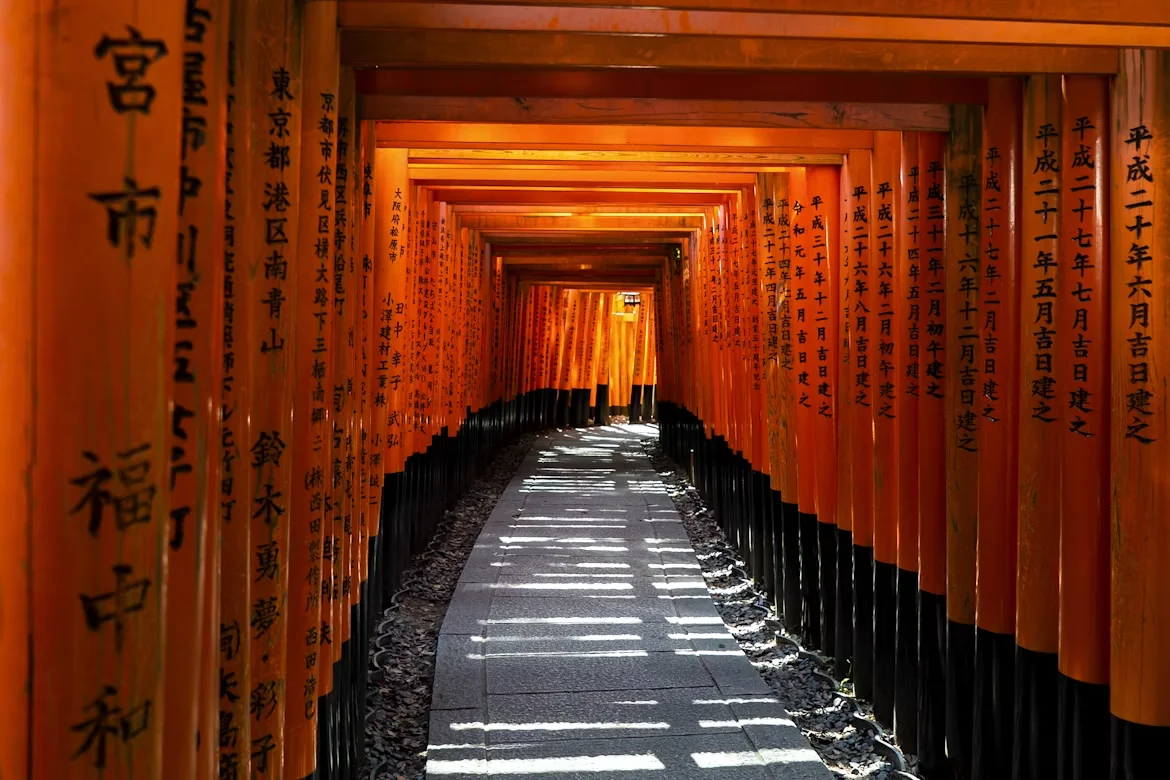
Empty tunnels before crowds arrive
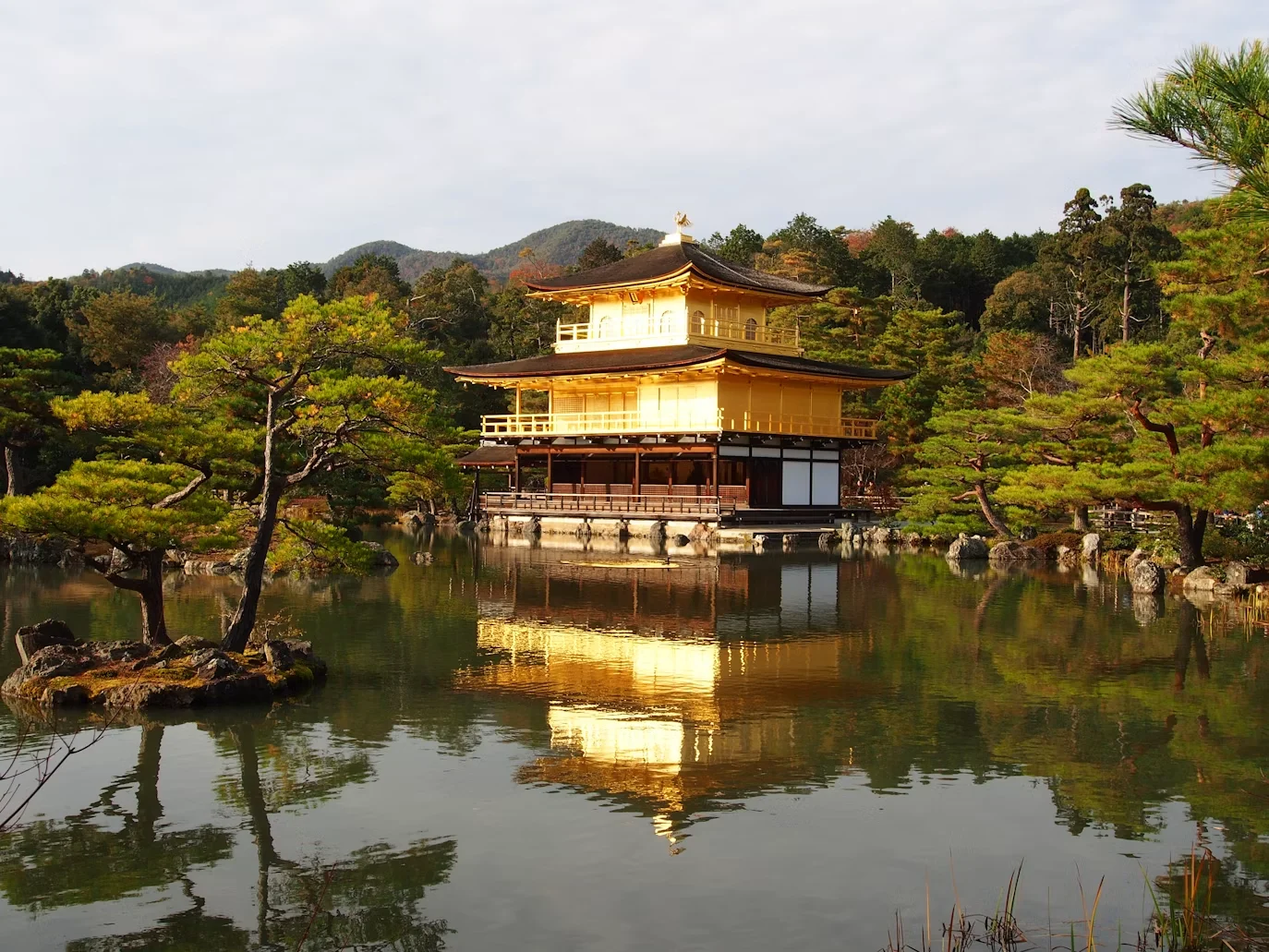
Best light in the first hour after opening
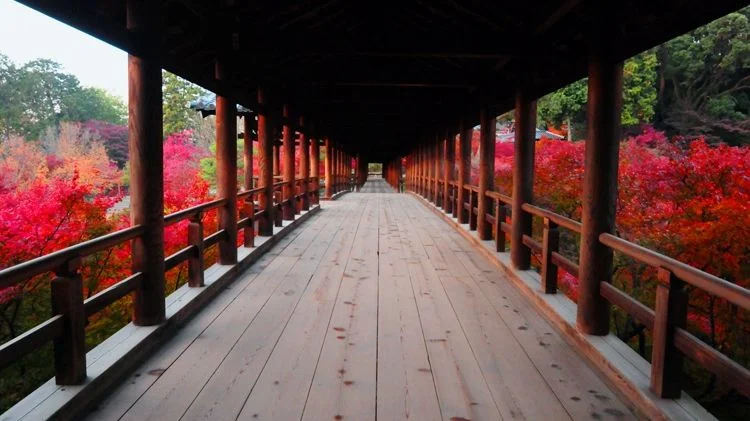
One of the city's best autumn spots
Fushimi Inari's Upper Gates. Climbing beyond the crowded lower gates, covered in Attractions, genuinely reveals emptier tunnels before most visitors make the fuller ascent.
Kinkaku-ji's Golden Reflection. The genuine best light hits in the first hour after opening, when the pavilion's reflection in the pond is calmest and least disturbed by crowds or wind.
Tofuku-ji's Maple Bridge. This is genuinely one of the city's best autumn spots, covered in Weather — the bridge's elevated view over a valley of maples creates a real, layered composition unique among Kyoto's foliage viewpoints.
Slip-on shoes for temples. Given the genuine shoe-removal custom covered in Practical Information, footwear that's quick on and off saves real, repeated hassle across a day of multiple temple visits.
Comfortable walking shoes. Kyoto's major sites, covered in Attractions, genuinely reward real walking over relying on transport between every stop.
Layers for shifting weather. Given genuine seasonal temperature swings covered in Weather, layers handle Kyoto's real day-to-evening temperature changes better than a single jacket.
Modest attire for shrines. Genuine respectful dress at religious sites matters here the same way it does at temples worldwide.
Cash for small vendors. As covered in Practical Information, genuine cash-only habits persist at smaller, traditional businesses.
Power adapter (Type A). Japan uses the same two-flat-pin plug as North America, worth confirming if you're traveling from elsewhere.
3–4 full days covers the major sites without rushing, with a 5th day free for Nara or Uji.
Yes — Kyoto is among the safest cities in the world for solo and female travelers.
For cherry blossom or autumn foliage season, yes — 3–6 months ahead. Summer and winter are more flexible.
Comfortable shoes that slip on and off easily, layers, and cash for smaller vendors.
How many days do I actually need? 3-4 full days genuinely covers the major sites without rushing, with a real 5th day free for a Nara or Uji side trip.
Is it safe for solo travelers? Yes — Kyoto is genuinely among the safest cities in the world for solo and female travelers, covered in Safety above.
Do I need to book far in advance? For cherry blossom or autumn foliage season, yes — genuinely 3-6 months ahead given the unpredictable exact timing covered in Weather. Summer and winter are far more flexible.
What should I pack? The reasoning behind each item — including why slip-on shoes genuinely matter here specifically — is covered in the Packing section above.
Get the complete Kyoto guide as a beautifully designed, offline-ready PDF — every section organized for actual use in the field, plus a full packing checklist.
Turn your research into a trip designed around your actual dates, budget, and travel style — planned by a person, not a form.
EXPLORE GOATLAS CONSULTATIONSGenuinely recommended places to stay and eat, not filler — booked through our trusted travel partners.
Book hotels, flights, tours, airport transfers, travel insurance, and car rentals through GoAtlas's trusted global travel partners — all in one place.
Explore Trusted Travel PartnersA GoAtlas travel expert can build your full Kyoto itinerary around your dates and budget.