Mountain gorillas in misted rainforest, the Nile bursting through a narrow gorge, and some of East Africa's least crowded parks — the Pearl of Africa, genuinely earning the name.
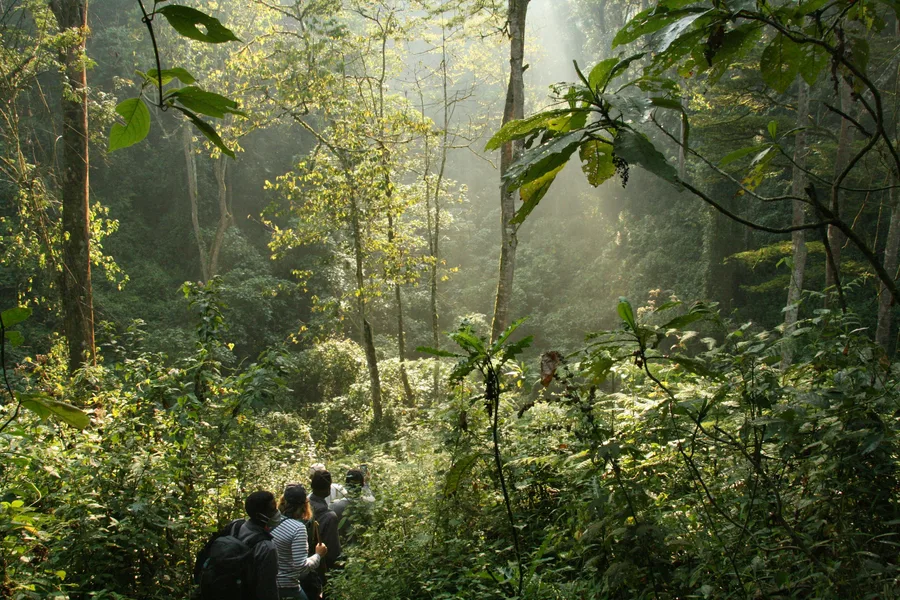
Uganda is landlocked, roughly the size of the United Kingdom, and holds more biodiversity per square mile than almost anywhere else on the continent — nearly half the world's remaining mountain gorillas, over 1,000 recorded bird species, and savanna, rainforest, and glacier-capped mountains all within a few hours' drive of each other. It rarely gets the attention Kenya or Tanzania do for classic safari, and locals will tell you that's part of the appeal: parks here feel genuinely uncrowded.
Winston Churchill nicknamed Uganda "the Pearl of Africa" after an official visit in 1907, and the name stuck for a reason that still holds up. The country is home to more than 50 ethnic groups, with the Buganda Kingdom — centered around Kampala — remaining a genuine cultural institution with its own king (the Kabaka) to this day, distinct from the national government.
Why "uncrowded" is a genuine, structural fact here. Not just marketing language — Uganda's gorilla permits are deliberately capped at a fixed number per day across the entire country, a conservation decision, not a scarcity tactic, which means the parks physically cannot see the volume of vehicles that busier East African safari circuits do, even at peak season.
The Buganda Kingdom is a genuinely unusual political reality. Not a ceremonial leftover — the Kabaka retains real cultural authority and land holdings distinct from Uganda's national government, a relationship that survived colonial rule, a period of abolition under Idi Amin's predecessor, and reinstatement in 1993. It's one of the few African traditional kingdoms still operating with this level of genuine institutional weight today.
The geographic compression is the real headline. Glacier-capped mountains, savanna, and dense rainforest sitting within a few hours' drive of each other is unusual anywhere in the world, and it's what makes Uganda's itineraries feel different from a single-ecosystem safari — the terrain itself changes dramatically within a single trip, not just the wildlife.
Uganda sits on the equator, so temperatures stay fairly consistent year-round — it's rainfall, not heat, that shapes the calendar.
The most popular window — easier trekking trails, better road conditions in the parks.
A quieter, slightly cheaper alternative with similarly good trekking conditions.
Trekking is still possible — trails are muddier and more physically demanding.
Jun–Sep, Long Dry Season. This is genuinely the most popular window because trekking through Bwindi's dense forest is physically easier when trails aren't slick with mud — a real, practical difference, not just a booking-season effect.
Dec–Feb, Short Dry Season. Trekking conditions are comparably good to the June-September window, but with noticeably fewer visitors — worth genuine consideration for anyone treating crowd size as a real factor, since gorilla trekking group sizes are capped regardless of season anyway.
Mar–May & Oct–Nov, Rainy Seasons. Permits don't sell out as far in advance during these windows, which matters because gorilla permits are capped at a fixed daily number nationwide — booking rainy-season dates is genuinely the more flexible option if your travel dates aren't fixed months out. The trekking itself is still entirely doable; it's simply muddier and more physically demanding, not cancelled or diminished.
One thing worth understanding about permit timing specifically: because Uganda Wildlife Authority caps permits at 8 people per gorilla family per day across the entire country, availability — not weather — is often the real constraint on when you can travel, meaning the "best" season to visit may end up being whichever season still has permits left when you're ready to book.
USD cash is widely accepted for permits and lodges — bring newer bills, dated 2013 or later.
Apply online in advance; a yellow fever certificate is mandatory on arrival.
Bwindi is a full-day drive from Entebbe — many visitors fly domestically to save time.
Local eSIMs are affordable and easy to set up before you land.
A warm greeting matters here — jumping straight to requests can read as brusque.
Only 8 people per gorilla family, per day, across the whole country.
Currency & Money. The "2013 or later" rule on USD bills isn't Ugandan superstition — banks and vendors across much of East Africa genuinely reject older or slightly damaged US dollar notes due to counterfeit concerns, a real, widely enforced practice worth checking your cash against before departure, not after arrival.
Visa. The yellow fever certificate requirement is a hard entry rule, not a recommendation — Uganda checks proof of vaccination on arrival, and travelers without it can genuinely be denied entry or vaccinated on the spot at the airport, which is a worse experience than sorting it out weeks ahead with a travel clinic.
Getting Around. Bwindi's remoteness from Entebbe is a real logistical fact worth planning around, not a minor detail — a full day of driving on sometimes rough roads is genuinely tiring before a physically demanding trek the next morning, which is exactly why many operators build a domestic flight into standard itineraries despite the extra cost.
Internet. Kampala's connectivity is genuinely solid, comparable to other East African capitals, but the drop-off inside forest parks is real and expected — Bwindi's dense canopy affects signal as much as remoteness does.
Local Customs. Leading with a greeting before any request is a genuine cultural expectation across much of Uganda, not just politeness — skipping straight to business, even with good intentions, can read as dismissive in a way that's worth actively avoiding.
Permits. The 8-per-family daily cap is a deliberate conservation limit, not an artificial scarcity tactic — mountain gorillas are genuinely sensitive to human contact and disease transmission, and this cap is part of the actual conservation strategy that's helped their population slowly recover. Booking months ahead isn't overcaution; permits for popular windows do sell out for real.
Uganda's tourist circuit is well-established and genuinely safe with normal precautions. All gorilla and chimpanzee trekking is done with armed ranger escorts, standard practice, not a sign of danger.
Armed ranger escorts on every trek are standard conservation-area practice across East Africa, not a signal of danger specific to Uganda — rangers are there primarily for wildlife management and to enforce the safe viewing distances that protect both visitors and the gorillas themselves, who are genuinely vulnerable to human-transmitted respiratory illness.
Uganda's tourist circuit — the parks, Kampala, and Entebbe — is genuinely well-established and has run safely for visitors for decades; standard precautions (registered transport, normal urban awareness in Kampala at night) cover the realistic risk here without needing heightened caution beyond what any capital city warrants.
Gorilla trekking days cost dramatically more than any other day of the trip — plan around that, not around a flat daily average.
| Item | Budget | Mid-range | Luxury |
|---|---|---|---|
| Lodging (per night) | $40 – $100 | $150 – $350 | $450 – $1,200+ |
| Gorilla trekking permit | ~$700 (fixed, per person) | ~$700 (fixed, per person) | ~$700 (fixed, per person) |
| Chimp trekking permit | ~$200 | ~$200 | ~$200 |
| Game drives / guiding | Shared vehicle | Small group | Private guide |
| Meals | $10 – $20/day | Often included | Included, à la carte |
Why the gorilla permit is fixed at roughly $700 regardless of budget tier comes down to what it actually funds — permit revenue is a direct, major source of Uganda's gorilla conservation funding, including anti-poaching patrols and the veterinary monitoring that's helped the mountain gorilla population slowly grow after decades of decline. It isn't a luxury upsell; it's genuinely the same fixed conservation fee whether you're staying in a budget guesthouse or a luxury lodge.
The chimp trekking permit costs meaningfully less because chimpanzee populations, while still needing protection, aren't at the same critical conservation status as mountain gorillas — the pricing gap reflects a real difference in conservation funding need, not an arbitrary tier.
Non-trekking days cost dramatically less than the daily average might suggest. This is why budgeting a Uganda trip as one flat daily number is genuinely misleading — a realistic budget separates trekking days (largely fixed permit costs) from the rest of the trip (which behaves like a normal budget-to-luxury range).

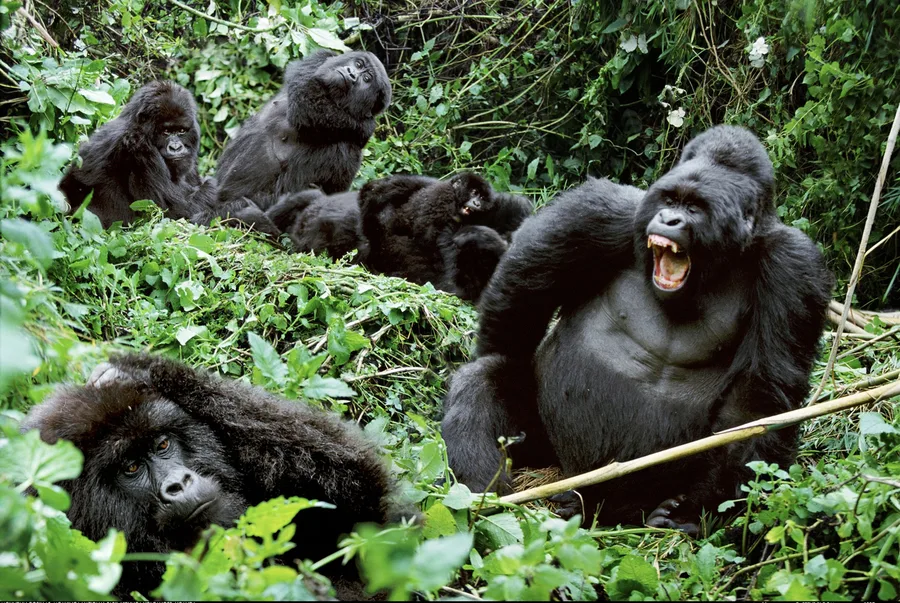
Home to roughly half the world's mountain gorillas
Gorilla trekking permits are limited and must be booked well ahead — this isn't a walk-up activity.
Explore Experiences
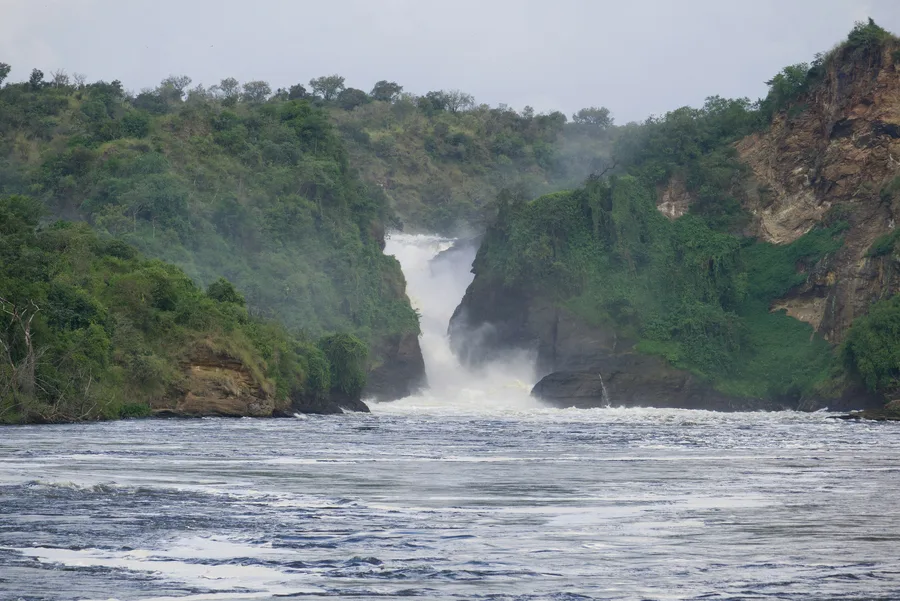
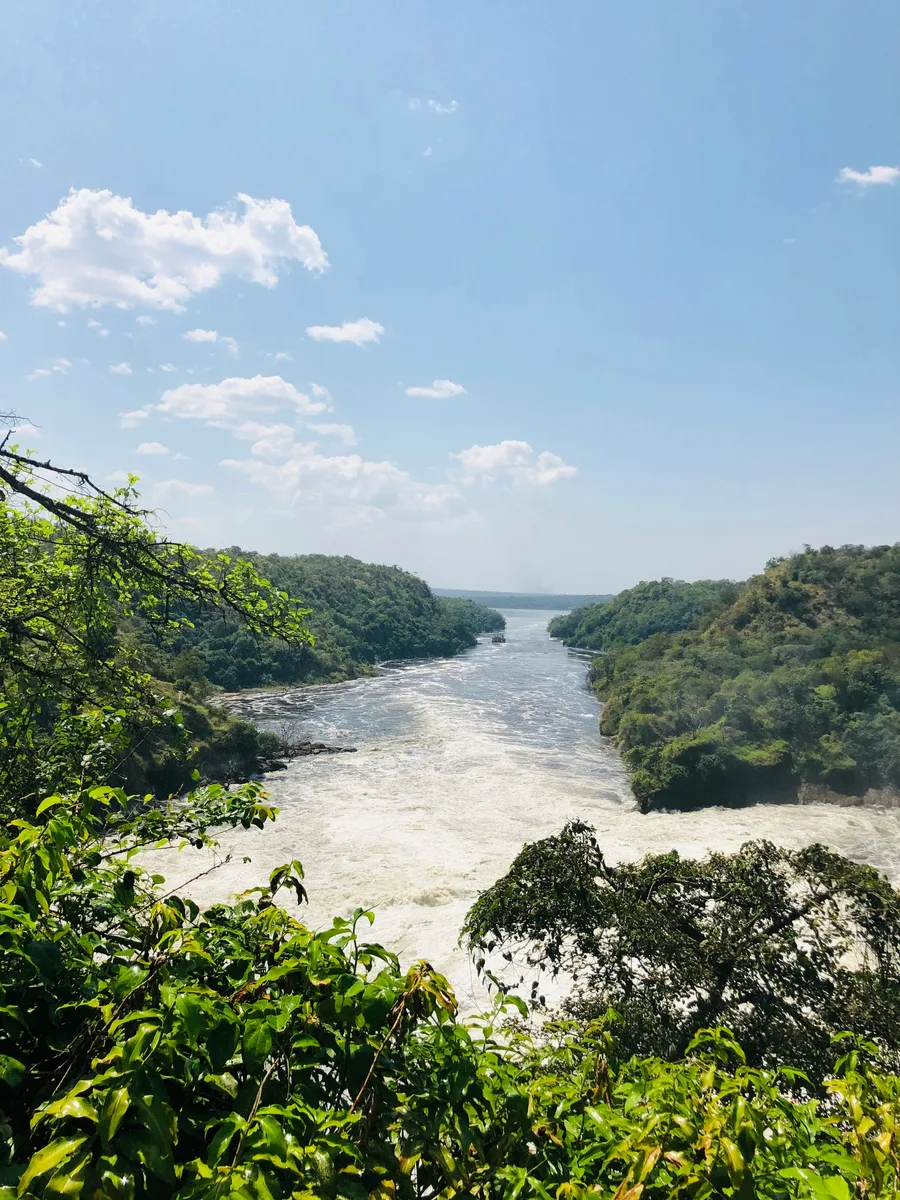
The Nile forced through a 7-meter gorge
Best seen from both the top viewpoint and a boat cruise below, since the two views are genuinely different.
Explore Experiences
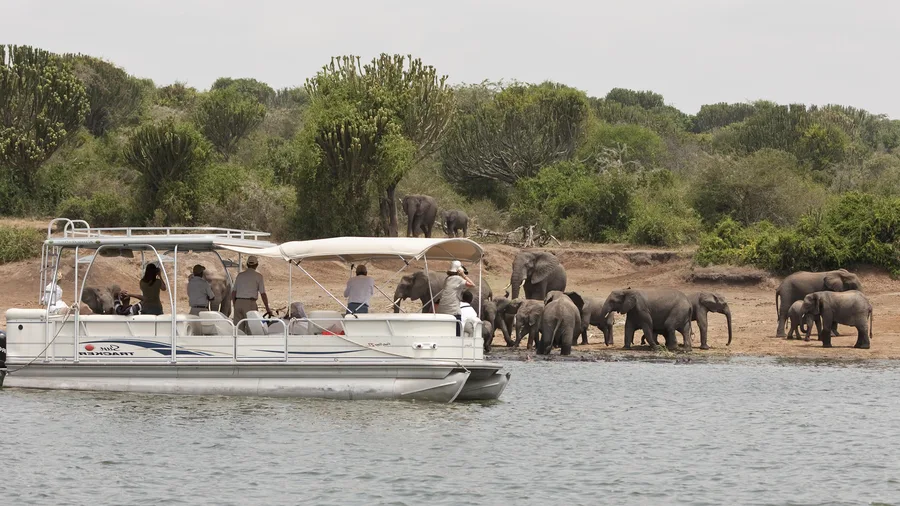
Tree-climbing lions & Kazinga Channel boat safaris
The Kazinga Channel boat safari is typically paired with a game drive for tree-climbing lions.
Explore ExperiencesBwindi Impenetrable Forest. The name is literal, not marketing — this is genuinely dense, ancient rainforest, one of the few places in Africa that survived the last ice age largely intact, which is part of why its biodiversity is so exceptional. Trekking to a gorilla family can take anywhere from 30 minutes to several hours each way depending on where that specific family happens to be that morning, which is why a realistic level of physical fitness matters more here than in a standard vehicle-based safari.
Murchison Falls. The entire Nile — one of the world's great rivers — is compressed through a gap only about 7 meters wide here, creating a genuinely violent, dramatic contrast with the wide, calm river above and below it. Seeing it from both the top viewpoint and a boat cruise beneath isn't redundant; the top shows the raw force, while the boat approach reveals the scale against the gorge walls in a way the viewpoint alone doesn't.
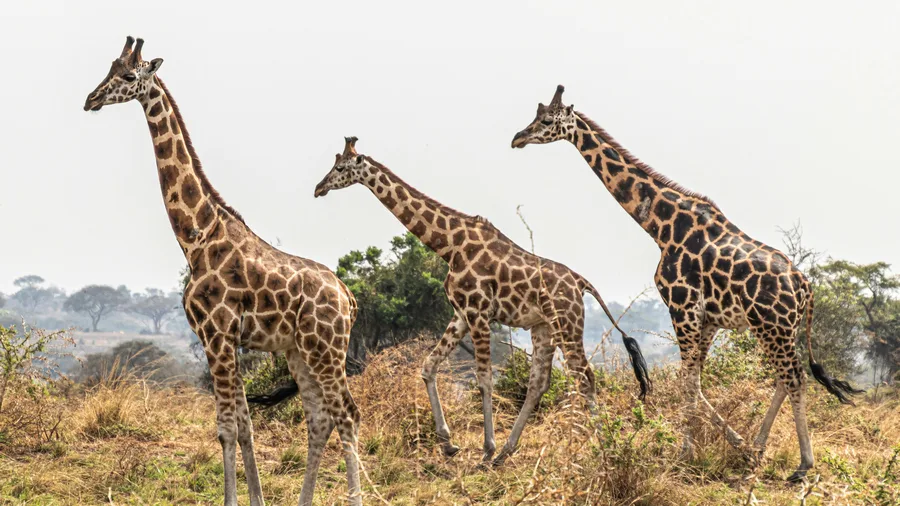
Queen Elizabeth National Park. Tree-climbing lions are a genuine behavioral rarity — this specific habit is only reliably documented in a handful of populations worldwide, and the Ishasha sector here is one of the most consistent places to actually see it, not just a hopeful possibility. The Kazinga Channel adds a different register entirely: one of Africa's highest hippo concentrations, viewed calmly from a boat rather than a vehicle.

The best chimpanzee trekking in East Africa

The historic source of the Nile, now a whitewater rafting hub

Equatorial glacier peaks nicknamed the "Mountains of the Moon"
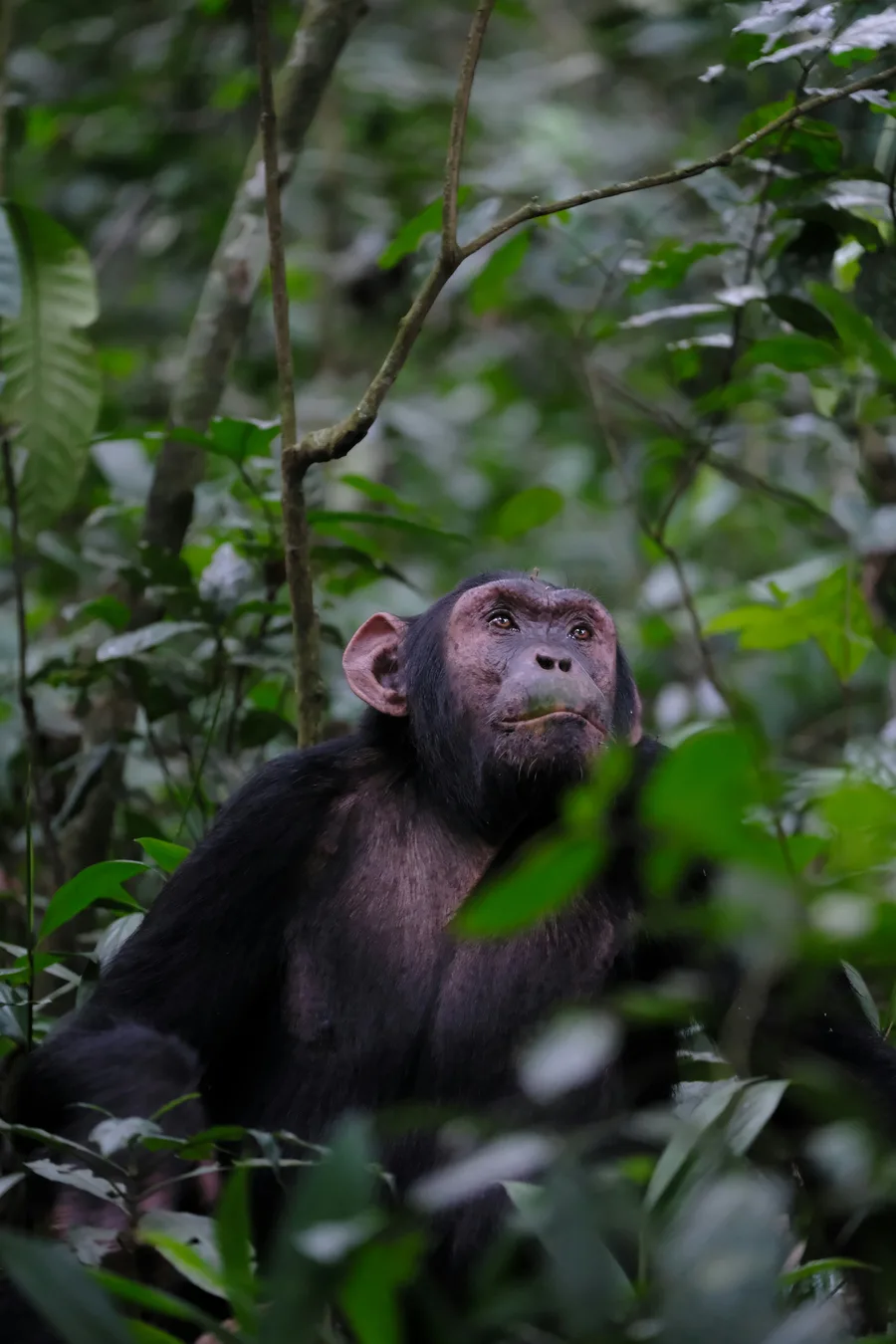
Kibale Forest. Chimp trekking here has a genuinely higher success rate than in many other East African forests, largely because Kibale's habituated chimp communities are well-studied and consistently located — researchers have tracked some of these groups for decades, which gives guides real, current knowledge of their movement patterns.
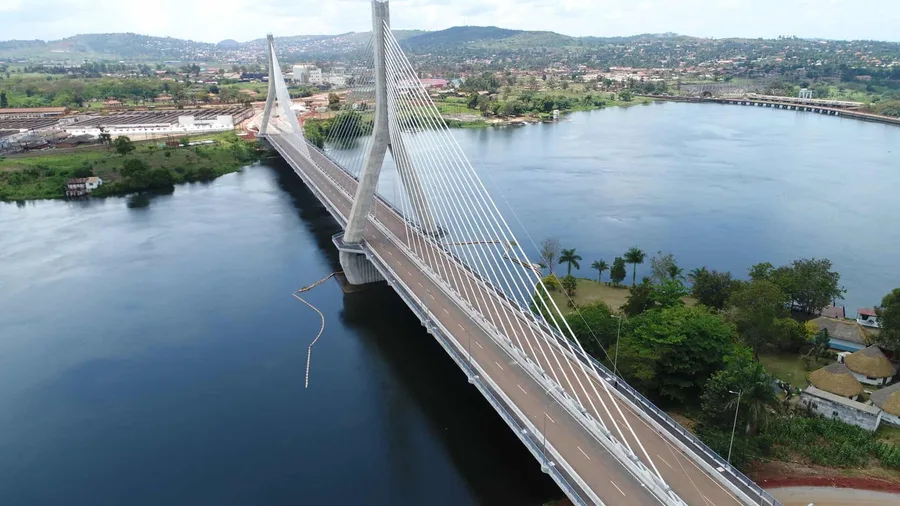
Jinja. This is historically significant as the point where the Nile exits Lake Victoria, long treated by explorers as the river's source — that history now sits alongside a genuinely modern identity as an East African whitewater rafting hub, drawing a completely different type of traveler than the gorilla-trekking circuit does.
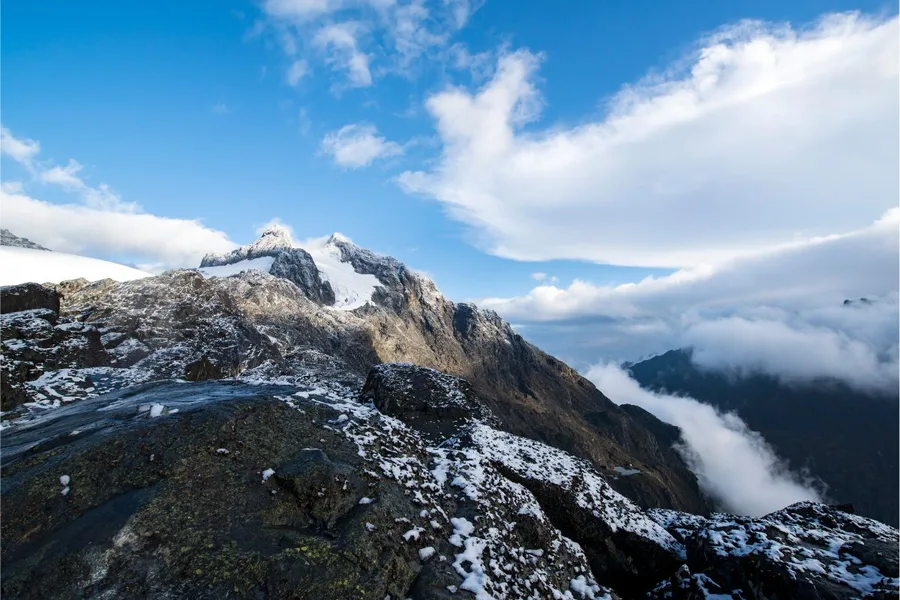
Rwenzori Mountains. The "Mountains of the Moon" name traces back to the ancient geographer Ptolemy, who described a legendary snow-capped range as the Nile's source — these genuinely are snow-and-glacier-capped despite sitting almost on the equator, a real geographic oddity that makes them one of Africa's more technically demanding, less-visited trekking destinations.

Perched at the forest edge, minutes from the trekking start point
Minutes from the trailhead means less pre-dawn travel on the actual trekking day.
Check Availability
Solid comfort for your arrival or departure night
A comfortable, convenient stop for the night before or after your main trip.
Check Availability
Tented rooms with Nile views, bring your own gear option available
Tented rooms with genuine Nile views, with a bring-your-own-gear option for a more independent stay.
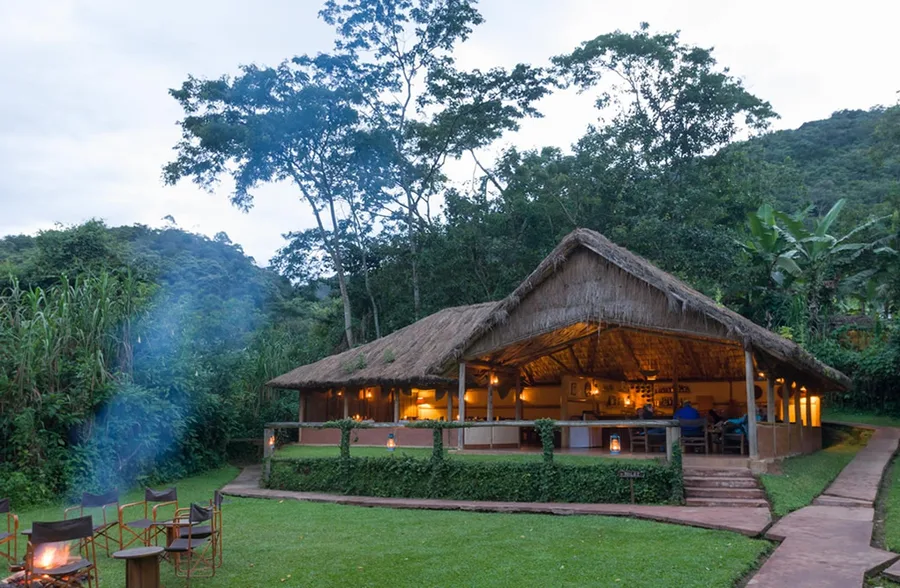
Check AvailabilityBwindi Rainforest Lodge. Proximity to the trailhead matters more here than at almost any other stay decision on this trip — gorilla trekking briefings typically start early, and a lodge minutes from the start point removes a genuinely significant amount of pre-dawn travel stress on the one day of the trip where energy and timing matter most.
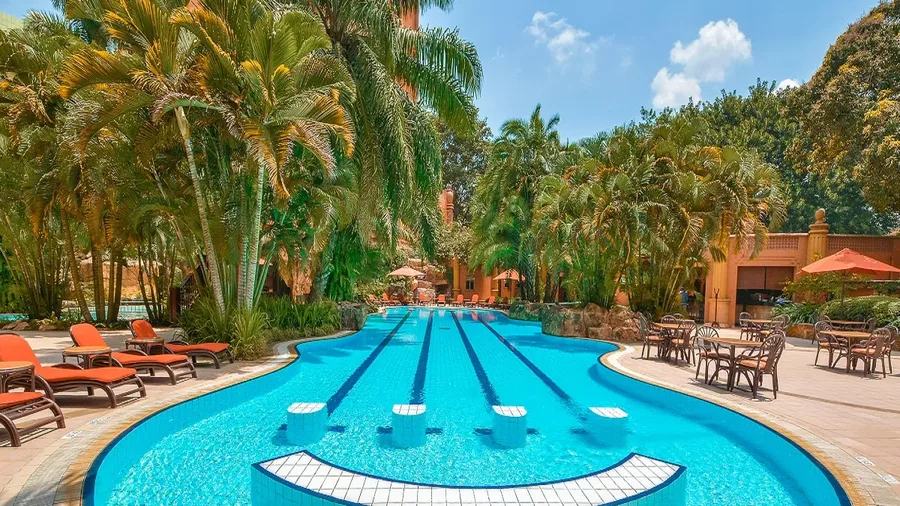
Kampala City Hotel. Uganda's international flights concentrate through Entebbe near Kampala, making a comfortable bookend night here a practical buffer against long-haul arrival fatigue before a multi-day trip into the parks, rather than heading straight into remote lodging off an overnight flight.
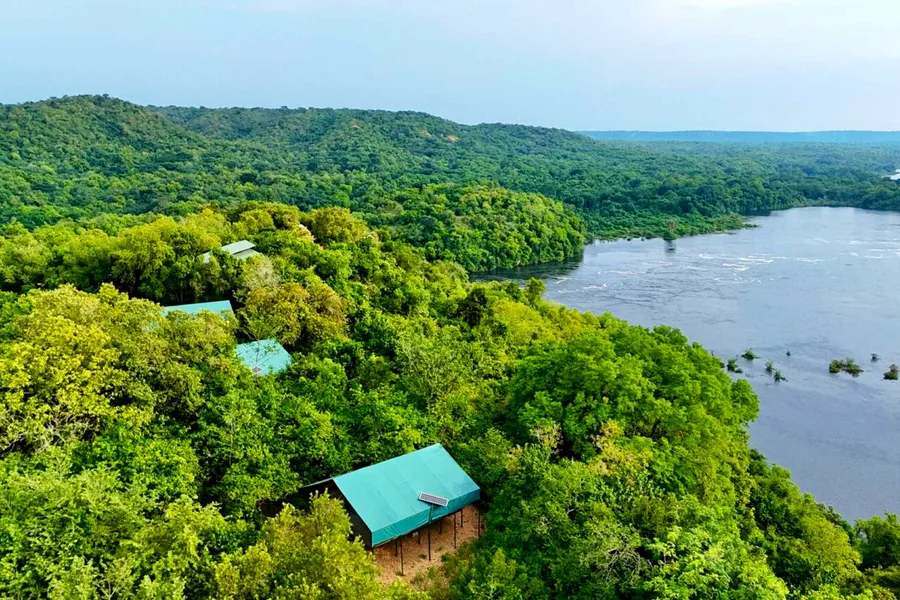
Murchison Falls Riverside Camp. A genuine Nile-view tented stay puts the river's presence — sound, proximity, wildlife passing near camp — into the actual experience of the stay, not just something viewed on a day trip; the bring-your-own-gear option also makes this one of the more flexible camps for travelers who prefer their own equipment.
Most meals happen at your lodge, but Kampala has real food culture worth a night or two.
Most park lodges run a fixed evening menu shared with fellow guests.
Uganda's signature street food — a chapati rolled around an omelette. Genuinely worth trying.
Steamed stew traditionally cooked in banana leaves, a real taste of Buganda cuisine.
Set Multi-Course Dinners. Most park lodges are genuinely remote enough that a fixed shared menu is the practical norm rather than a stylistic choice — it also tends to create a natural social dinner setting among guests who spent the same day trekking or on game drives together.
Rolex. The name is a genuine linguistic accident, not a luxury reference — it comes from "rolled eggs," which locals shortened and reshaped into "Rolex" over time. It's Uganda's actual everyday street food, a chapati rolled around a fried egg (often with vegetables added), sold from roadside stalls across Kampala and worth trying specifically because it's what people genuinely eat, not a dish curated for visitors.
Luwombo. Traditionally a dish prepared for special occasions in Buganda culture, steaming meat or vegetables inside sealed banana leaves rather than a pot — the method itself concentrates flavor in a way that's genuinely distinct from most other East African cooking styles, and eating it is a real taste of Buganda's specific culinary tradition, not generalized Ugandan food.
Unlike the parks, Kampala has genuine bars and live music — worth a night if your itinerary includes the city.
Most operators require trekkers to be 15+; younger kids do well at Uganda Wildlife Education Centre in Entebbe instead.
Kampala has real nightlife. This is a genuine contrast worth planning around, not just noting — the parks themselves offer essentially no nightlife by design (early trekking mornings, remote lodges), so a Kampala night before or after the safari portion is really the only point in the trip where this side of the country shows up.
Gorilla trekking has an age minimum. The 15+ requirement isn't arbitrary — Uganda Wildlife Authority sets it based on the genuine physical demands of the trek itself, which can mean hours of steep, uneven forest terrain. The Uganda Wildlife Education Centre in Entebbe is a real, purpose-built alternative for younger children, offering close wildlife encounters without the trekking demands.

Bwindi's single most photographed moment

The full force of the Nile in one frame

Hippos and elephants against the water
A Gorilla Family Encounter. Uganda Wildlife Authority limits actual viewing time with a habituated gorilla family to one hour — a real, enforced rule, not a suggestion — which means having a camera ready and settings pre-adjusted before the encounter starts matters more here than almost any other wildlife photography moment on the continent, since there's no second attempt that day.
Murchison Falls Top View. Capturing the genuine scale of the Nile being forced through a 7-meter gap requires including some reference point — a person, a boat below — since the gorge itself can otherwise flatten in a photo and lose the sense of force and scale that makes the falls remarkable in person.
Kazinga Channel at Sunset. The channel's high concentration of hippos and elephants means sunset boat cruises genuinely deliver wildlife silhouetted against water and light in a way vehicle-based game drives elsewhere rarely offer — timing the cruise for the last hour of daylight specifically is what makes this shot work.
Waterproof hiking boots. Bwindi's forest floor stays damp even in dry season, and the trekking terrain is genuinely uneven and often steep — real ankle support and grip matter here in a way sneakers or light trail shoes don't provide.
Neutral-colored long sleeves. This is protective, not stylistic — long sleeves and pants cover skin against the stinging nettles common along Bwindi's trekking paths, and neutral tones keep you less visually intrusive to wildlife along the way.
Gardening gloves for trekking through nettles. This specific, slightly unusual recommendation comes directly from Bwindi's actual terrain — stinging nettles genuinely line parts of the trekking paths, and grabbing vegetation for balance on steep sections without gloves is a real, commonly reported discomfort experienced visitors learn to avoid.
Antimalarials, prescribed in advance. Uganda carries genuine malaria risk across most of the country, including the parks — this is worth arranging with a travel clinic weeks ahead, not something to sort out on arrival.
A walking stick. Most lodges and trekking operators provide these free at the trailhead, and given Bwindi's genuinely steep, root-covered terrain, it's worth actually using rather than declining out of pride — experienced trekkers use them routinely.
A dry bag for your camera. Between forest humidity, occasional rain, and river crossings on some trekking routes, camera gear is genuinely at real risk without proper protection — this matters more here than in a standard vehicle-based safari.
7–10 days lets you combine gorilla trekking in Bwindi with at least one savanna park — trying to do both in under a week means a lot of driving.
Uganda Wildlife Authority permits run around $700 USD per person for one hour with a gorilla family — book months ahead, permits are limited and do sell out.
Yes — the tourist circuit (parks, Kampala, Entebbe) is well-established and safe with normal precautions. All gorilla and chimp trekking is done with armed ranger guides.
Sturdy waterproof hiking boots, gardening gloves for trekking through nettles, neutral-colored clothing, and a rain jacket regardless of season — Bwindi means "impenetrable" for a reason.
How many days do I actually need? The 7-10 day figure accounts for Bwindi's remoteness specifically — a full day of driving or a domestic flight each way to reach it, meaning a shorter trip often means choosing gorilla trekking alone rather than genuinely combining it with a savanna park.
How much does a gorilla trekking permit cost? The roughly $700 fee is fixed nationwide, funds direct conservation work including anti-poaching patrols, and grants exactly one hour with a habituated gorilla family once you reach them — booking months ahead matters because the daily national cap (8 people per family) genuinely does sell out for popular travel windows.
Is Uganda safe for travelers? Yes — the established tourist circuit covering the parks, Kampala, and Entebbe has run safely for visitors for decades, and armed ranger escorts on treks are standard wildlife-area practice across East Africa, not a special precaution unique to Uganda.
What should I pack? The specific reasoning — including why gardening gloves matter for Bwindi's nettle-lined trails — is covered in the Packing section above.
Get the complete Uganda guide as a beautifully designed, offline-ready PDF — every section organized for actual use in the field, plus a full packing checklist.
Turn your research into a trip designed around your actual dates, budget, and travel style — planned by a person, not a form.
EXPLORE GOATLAS CONSULTATIONSGenuinely recommended places to stay and eat, not filler — booked through our trusted travel partners.
Book hotels, flights, tours, airport transfers, travel insurance, and car rentals through GoAtlas's trusted global travel partners — all in one place.
Explore Trusted Travel PartnersA GoAtlas travel expert can build your full Uganda itinerary, including your gorilla permit booking, around your dates and budget.